May the 5th is celebrated as Doppa Day. But what is it and how did it all get started? Tsering Passang, Founder and Chairman of the Global Alliance for Tibet & Persecuted Minorities, explains it all.
The Doppa symbol of Turkic Identity and East Turkistan Movement | Source: National Awakening
A young Uyghur activist, journalist and former political prisoner, named Tahir Imin, started the Doppa Festival in 2009. This festival was first held in Urumqi, capital of Xinjiang Uyghur Autonomous Region (aka East Turkistan), hometown of the young Uyghur activist. The festival was broadcast by the Central China TV (CCTV) in Beijing. By 2011 the festival gained popularity and spread in other parts of the country. A seminar on Doppa festival was even organised by the Yakan (Shache) county and Kashgar Prefecture local government.
Let’s not forget the history: After Mao Tsetung came to power and with the establishment of the People’s Republic of China (PRC) on 1st October 1949, the People’s Liberation Army (PLA) troops invaded East Turkistan. The ongoing subjugation including crimes against humanity, the Uyghur genocide committed by the Chinese State is very well documented.
On the eve of Uyghur Doppa Day, the Executive Councilof the East Turkistan Government in Exile released aStatement, which said: “Given that the doppa is a symbolic but straightforward way of expressing East Turkistani / Uyghur national identity, the East Turkistan Government in Exile has encouraged Uyghurs and other East Turkistanis to wear their doppas daily. The doppa has essentially transformed into a symbol of resistance to China’s attempts to eradicate the unique culture, national identity, and very existence of Uyghurs and other Turkic peoples.”
The Statement further said, “The East Turkistan Government in Exile also encourages friends, supporters, and all who sympathize with the Uyghurs to wear a doppa in solidarity with East Turkistan and its people, especially on May 5th – Uyghur Doppa Day.”
Uyghur Doppa Maker | Source: Wikipedia
Doppa is a four-cornered hat that is an essential part of the traditional Uyghur dress. It is also traditionally worn by the Turkic peoples in Central Asia. Often brightly studded or embroidered with a distinctly Islamic and Turkic aesthetic, they are a point of pride for the Uyghurs of East Turkistan. It is said that there are over 250 different types of Doppas. The Doppa can signify gender, one’s hometown, which reflects a particular artistic tradition of where it’s produced.
Uyghur Doppa Maker | Source: Asia Trend
The celebration of Doppa Day has clearly facilitated intercultural dialogue among the communities concerned. China’s deliberate policy of banning the Doppa in schools and other public places has alarmed the Uyghur people who fear that the Chinese government is on a mission to annihilate their traditional Uyghur culture.
Uyghur culture is a unique blend of East Asian, Central Asian and Islamic cultures as Uyghur cities such as Kashgar and Urumqi were historically major cities on the Silk Road which connected Asia in thought, commerce and society far before the invention of digital mass communication. Uyghur people are predominantly Muslims and speak the Uyghur language which is a Turkic language more closely related to Turkish and Kazakh than it is to its neighboring languages of Mandarin and Tibetan, it is traditionally written in Arabic script.
Last year, during the formal launch of the Stop Uyghur Genocide, a London-based non-governmental organisation, which campaigns for the rights of the Uyghur people, the Uyghur Community presented Doppas to some leading British supporters. Benedict Roger, CEO of the Hong Kong Watch, who was seen wearing the Doppa at a London rally, proudly explained that he was wearing the traditional Uyghur attire to show support and solidarity with the Uyghur people.
Uyghur Community UK , Stop Uyghur Genocide and Supporters | Photo: Rahima Mahmut
Who is Tahir Imin?
Tahir Imin, who was born in 1981, studied Islamic religion and Arabic in an underground religious school after graduating from high school. He taught at a religious centre which was later banned by the Chinese government. Tahir was imprisoned twice by the Chinese government due to his involvement in Uyghur cultural and religious activities. He was put in Xi Hu Lao Jiao Suo prison from 2005 to 2007.
Tahir Imin pictured in this photo with his family–wife Huriyat and daughter Shehribanu | Photo: Tahir Imin
After Chen Quanguo took up the highest Party Secretary position in Xinjiang Uyghur Autonomous Region from 2016 to 2021, it was almost impossible for Tahir to remain in his own homelands. Chen Quanguo, who previously served as the Party Secretary in Tibet Autonomous Region (TAR), is notoriously known for his hardliner position in Tibet. So, in 2017, Tahir fled the country and eventually moved to the United States. After he began speaking up about his experiences and human rights abuses of the Uyghur people at the hands of the Chinese authorities, the regime retaliated against him by imprisoning his family members, forcing his wife to divorce him, and not allowing him to contact his daughter.
Despite the difficult challenges, Tahir continued speaking out against the Chinese regime and its continued violations of civil, religious, political and human rights in East Turkistan. He subsequently founded Uyghur Times, a news agency which focuses on news from his homelands. An interview with Tahair Imin is available here.
This comprehensive report (see below) was filed by the International Campaign for Tibet and it is also available here. Sikyong Penpa Tsering has acknowledged that the International Campaign (ICT) for Tibet has played a very important part for the success of his first official visit to Washington DC, which was co-ordinated with the CTA’s Office of Tibet based in the US Capital. The ICT is the largest Tibet support group in the world founded in 1988, with offices in Germany, Holland and Belgium.
The Sikyong (President) of the Central Tibetan Administration visited Washington, DC last week, meeting with top US officials and influencers and building support for new initiatives on Tibet.
The Sikyong (President) of the Central Tibetan Administration visited Washington, DC last week, meeting with top US officials and influencers and building support for new initiatives on Tibet.
Penpa Tsering, who serves as the democratic leader of the Tibetan diaspora, had a full schedule in the US capital that included strategizing with House Speaker Nancy Pelosi, D-Calif.; calling on Senate Foreign Relations Committee Ranking Member Jim Risch, R-Idaho, House Foreign Affairs Committee Ranking Member Michael McCaul, R-Texas, and House Rules Committee Chair Jim McGovern, D-Mass.; sitting down with Special Coordinator for Tibetan Issues Uzra Zeya; attending a luncheon with House Democracy Partnership members; visiting major DC think tanks; and engaging local Tibetan Americans and Chinese Americans.
From left: Sikyong (President) Penpa Tsering, House Speaker Nancy Pelosi, International Campaign for Tibet Chairman Richard Gere, Tashi Lhunpo Monastery Abbot Zeekgyab Rinpoche and other Tibetan officials meet on April 28, 2022 during Sikyong’s week-long visit to Washington, DC
The visit raised expectations for new US measures to support the Tibetan people over the coming months.
“The bi-partisan US commitment and global leadership in supporting the Tibet cause is a source of great hope for Tibetans in Tibet and outside and will always be remembered,” Penpa tweeted during his visit.
Below is a summary of Penpa’s activities in Washington from April 25-29, 2022.
Monday, April 25
After arriving at Dulles International Airport the night before and greeting the local Tibetan American community, Sikyong held important meetings at the US State Department.
As the Special Coordinator, Zeya acts as the Biden administration’s point person on efforts to help resolve the Tibetan issue, promote Tibetan identity, protect Tibetan culture and heritage, and support the human rights of the Tibetan people.
Penpa also met with White House Indo-Pacific Coordinator Kurt Campbell and tweeted, “Was honoured to meet with US National Security Council Indo-Pacific Coordinator Kurt Campbell, who for many years has worked on and well understands the case of Tibet. I look forward to expanding our cooperation to address the challenges Tibetans and the world face today.”
The first full day of Penpa’s visit was also the 33rd birthday of the Panchen Lama, the high-ranking Tibetan Buddhist leader who has not been seen in public since the Chinese government abducted him and his parents in 1995 when he was only 6 years old.
On his birthday, the State Department called on Chinese authorities to “account for [the Panchen Lama] Gedhun Choekyi Nyima’s whereabouts and well-being immediately and to allow him to fully exercise his human rights and fundamental freedoms.” This was met with a Chinese spokesperson’s reaction the next day claiming, “The so-called reincarnated spiritual child is just an ordinary Chinese citizen living a normal life. He and his family do not want their normal life to be disturbed by others.”
Penpa also met with Ambassador-at-Large for International Religious Freedom Rashad Hussain. The meeting included Zeekgyab Rinpoche, abbot of Tashi Lhunpo Monastery, the traditional seat of the Panchen Lama. Zeekgyab Rinpoche took part in several of the Sikyong’s events throughout the week.
That evening, the Office of Tibet, along with the Capital Area Tibetan Association and International Campaign for Tibet, hosted a reception for the Panchen Lama’s birthday that included remarks from Penpa, Zeekgyab Rinpoche, Hussain, US Commission on International Religious Freedom Vice Chair Nury Turkel, former Congresswoman Ileana Ros-Lehtinen, former Ambassador Kelley Currie, State Department official Scott Busby and others.
Afterward, Penpa met with scholars at the Brookings Institution. Later in the day, he joined the National Endowment for Democracy for a discussion about Tibetan democracy.
Sikyong also met with Czech Foreign Minister Jan Lipavský, who tweeted that, like Tibet, his country “experienced what it was like to live under the influence of a superpower and to be deprived of human rights.”
Sikyong went to Capitol Hill on Wednesday for meetings with Congressional leaders.
He and Zeekgyab Rinpoche met with Rep. Jim McGovern, D-Mass., a longtime friend of Tibet and Co-Chair of both the Congressional-Executive Commission on China and the Tom Lantos Human Rights Commission.
For lunch, Zeekgyab Rinpoche visited the International Campaign for Tibet, an advocacy group that promotes human rights and democratic freedoms for the Tibetan people.
Rinpoche helped ICT celebrate several employees who have been with the organization for 10 years or longer.
Zeekgyab Rinpoche, abbot of Tashi Lhunpo Monastery, the traditional seat of the Panchen Lama, visits the International Campaign for Tibet on April 27, 2022.
Meanwhile, Sikyong continued meeting with State Department officials, as well as US Senate staff.
Thursday, April 28
Thursday was a full day of meetings for Sikyong with Congressional leaders. Richard Gere, the Chairman of the International Campaign for Tibet, joined Penpa on Capitol Hill.
Their meetings included Risch, the Senate Foreign Relations Committee Ranking Member, and Rep. Michael McCaul, R-Texas.
The House Democracy Partnership hosted a luncheon for Penpa that was attended by Reps. Diana DeGette, D-Colo.; Chrissy Houlahan, D-Pa.; Andy Kim, D-N.J., David Cicilline, D-R.I., and French Hill, R-Ark.
One of the highlights of the day was the meeting hosted by Pelosi, who has been a dedicated supporter of the Dalai Lama and the Tibetan people for decades.
In addition to the House Speaker, Penpa and Gere, other participants included McGovern and Rep. Barbara Lee, D-Calif.
Gere told Radio Free Asia: “We are trying to burst the myths or narratives that the Chinese government has been presenting for many decades about Tibet being a part of China, which is not true.
“And we are trying to push for a genuine dialogue [between China] and His Holiness the Dalai Lama,” Gere added.
That evening, Penpa held a briefing with Washington journalists. Both the Press Trust of India and Asian News International published stories afterward, while Politico published an article about Penpa’s visit earlier in the week.
Friday, April 29
Penpa wrapped up his week in Washington with more meetings on Capitol Hill.
Afterward, he participated in a Colloquium on Thirty Years of Tibet-China Dialogue Engagement at George Washington University.
Finally, Sikyong met with the local Tibetan American community that evening.
Sikyong then departed for further stops on his North American trip, including Philadelphia and New York.
For the link to this original report by the International Campaign for Tibet, please visit the link here.
Date: Saturday, 14th May 2022 | Interfaith programme starts at 1pm
Venue: Tibetan Peace Garden (near Imperial War Museum), Geraldine Mary Harmsworth Park, St. George’s Road, London SE1 6ER
The Lelung Dharma Trust is hosting ‘Celebrating Peace and Cultural Diversity’ on the occasion of the Tibetan Peace Garden’s 23rd Anniversary on Saturday, 14th May 2022 from 12pm at the Tibetan Peace Garden, Geraldine Mary Harmsworth Park, St. George’s Road, London SE1 6ER.
The main Interfaith programme starts at 1pm. It is expected to last about an hour. Leaders from different Faith communities will pray and give addresses, followed by songs and music from Tibet, Mongolia and India.
A key objective of this special event is to bring people together at a challenging time to celebrate and promote Peace and Cultural Diversity. The Tibetan Peace Garden was officially opened by His Holiness the Dalai Lama on 13th May 1999. His Message of Peace is inscribed on the Stone Pillar in four languages: Tibetan, English, Hindi and Chinese. Located next to the Imperial War Museum, the Tibetan Peace Garden was commissioned by the Tibet Foundation, which is now closed.
The Lelung Dharma Trust is pleased to be involved with the Tibetan Peace Garden because the Peace Garden has the blessing and support from His Holiness the Dalai Lama. The Lelung Dharma Trust is committed towards preserving and supporting this important Tibet landmark.
Through this special event the Lelung Dharma Trust also aim to highlight His Holiness the Dalai Lama’s first two Principal Commitments:
Firstly, as a human being, His Holiness is concerned with encouraging people to be happy – helping them understand that if their minds are upset mere physical comfort will not bring them peace, but if their minds are at peace even physical pain will not disturb their calm. He advocates the cultivation of warm-heartedness and human values such as compassion, forgiveness, tolerance, contentment and self-discipline. He says that as human beings we are all the same. We all want happiness and do not want suffering. Even people who have no religious belief can benefit if they incorporate these human values into their lives. His Holiness refers to such human values as secular ethics or universal values. He is committed to talking about the importance of such values and sharing them with everyone he meets.
Secondly, as a Buddhist monk, His Holiness is committed to encouraging harmony among the world’s religious traditions. Despite philosophical differences between them, all major world religions have the same potential to create good human beings. It is therefore important for all religious traditions to respect one another and recognise the value of their respective traditions. The idea that there is one truth and one religion is relevant to the individual practitioner. However, with regard to the wider community, he says, there is a need to recognise that human beings observe several religions and several aspects of the truth.
Thirdly, His Holiness is a Tibetan and as the ‘Dalai Lama’ is the focus of the Tibetan people’s hope and trust. Therefore, he is committed to preserving Tibetan language and culture, the heritage Tibetans received from the masters of India’s Nalanda University, while also speaking up for the protection of Tibet’s natural environment.
In addition, His Holiness has lately spoken of his commitment to reviving awareness of the value of ancient Indian knowledge among young Indians today. His Holiness is convinced that the rich ancient Indian understanding of the workings of the mind and emotions, as well as the techniques of mental training, such as meditation, developed by Indian traditions, are of great relevance today. Since India has a long history of logic and reasoning, he is confident that its ancient knowledge, viewed from a secular, academic perspective, can be combined with modern education. He considers that India is, in fact, specially placed to achieve this combination of ancient and modern modes of knowing in a fruitful way so that a more integrated and ethically grounded way of being in the world can be promoted within contemporary society.
For information and inquiries, please contact: info@lelung.org | 07927376532
In its latest 2021 Country Reports on Human Rights Practices, which was released on 12th April 2022, the US State Department once again highlighted that “Genocide and crimes against humanity occurred during the year against predominantly Muslim Uyghurs and members of other ethnic and religious minority groups in Xinjiang.” After Mao Tsetung came to power in 1949, East Turkestan (Ch: Xinjiang Uyghur Autonomous Region) was invaded by the People’s Republic of China.
After the US State Department released the latest report, Dharamsala-based Central Tibetan Administration filed a news report on its website, stating, “The report specifically highlighted the cases of Tibetan political prisoners Tenzin Nyima and Kunchok Jinpa who died after suffering severe beatings in prison; the forced disappearance of the 11th Panchen Lama, the arbitrary arrest of Derung Tsering Dhundrup in 2019, Go Sherab Gyatso in 2020, Konmay in 2021, the denial of fair trial to four Tibetan monks from the Tengro Monastery in 2020, and the extrajudicial sentencing of Tibetan writers including Dhi Lhaden, among others. The report also noted the harsh prison conditions in Tibet including inadequate sanitary conditions and medical care as well as denial of visitation rights including attorney to the prisoners.”
The Global Alliance for Tibet and Persecuted Communities (GATPM) welcomes this latest Country Reports on Human Rights Practices by the US State Department. China’s ongoing gross violations of human rights as well as its crimes against humanity must be exposed and held accountable. As the leader of the free world the United States has done a remarkable job by releasing this latest Country Reports on Human Rights Practices.
For full links to the relevant sections, please see the bottom of the Executive Summary:
EXECUTIVE SUMMARY
The People’s Republic of China is an authoritarian state in which the Chinese Communist Party is the paramount authority. Communist Party members hold almost all top government and security apparatus positions. Ultimate authority rests with the Communist Party Central Committee’s 25-member Political Bureau (Politburo) and its seven-member Standing Committee. Xi Jinping continued to hold the three most powerful positions as party general secretary, state president, and chairman of the Central Military Commission.
The main domestic security agencies include the Ministry of State Security, the Ministry of Public Security, and the People’s Armed Police. The People’s Armed Police continue to be under the dual authority of the Central Committee of the Communist Party and the Central Military Commission. The People’s Liberation Army is primarily responsible for external security but also has some domestic security responsibilities. Local jurisdictions also frequently use civilian municipal security forces, known as “urban management” officials, to enforce administrative measures. Civilian authorities maintained effective control of the security forces. There were credible reports that members of the security forces committed serious and pervasive abuses.
Genocide and crimes against humanity occurred during the year against predominantly Muslim Uyghurs and members of other ethnic and religious minority groups in Xinjiang. These crimes were continuing and included: the arbitrary imprisonment or other severe deprivation of physical liberty of more than one million civilians; forced sterilization, coerced abortions, and more restrictive application of the country’s birth control policies; rape; torture of a large number of those arbitrarily detained; forced labor; and draconian restrictions on freedom of religion or belief, freedom of expression, and freedom of movement.
Significant human rights issues included credible reports of: arbitrary or unlawful killings by the government; forced disappearances by the government; torture by the government; harsh and life-threatening prison and detention conditions; arbitrary detention by the government, including the mass detention of more than one million Uyghurs and members of other predominantly Muslim minority groups in extrajudicial internment camps and an additional two million subjected to daytime-only “re-education” training; political prisoners; politically motivated reprisal against individuals outside the country; the lack of an independent judiciary and Communist Party control over the judicial and legal system; arbitrary interference with privacy including pervasive and intrusive technical surveillance and monitoring; punishment of family members for offenses allegedly committed by an individual; serious restrictions on free expression and media, including physical attacks on and criminal prosecution of journalists, lawyers, writers, bloggers, dissidents, petitioners, and others as well as their family members; serious restrictions on internet freedom, including site blocking; substantial interference with the freedom of peaceful assembly and freedom of association, including overly restrictive laws that apply to foreign and domestic nongovernmental organizations; severe restrictions and suppression of religious freedom; substantial restrictions on freedom of movement; refoulement of asylum seekers to North Korea, where they have a well founded fear of persecution, including torture and sexual violence; the inability of citizens to choose their government peacefully through free and fair elections; serious restrictions on political participation; serious acts of government corruption; forced sterilization and coerced abortions; trafficking in persons, including forced labor; violence targeting members of national, racial, and ethnic minority groups; severe restrictions on labor rights, including a ban on workers organizing or joining unions of their own choosing; and child labor.
Government officials and the security services often committed human rights abuses with impunity. Authorities often announced investigations following cases of reported killings by police but did not announce results or findings of police malfeasance or disciplinary action. Enforcement of laws on corruption was inconsistent and not transparent, and corruption was rampant.
In its latest annual report titled, “The Global Expansion of Authoritarian Rule”, Freedom Houseputs Tibet joint-worst country/territory in the world. This leading US Think Tank rates people’s access to political rights and civil liberties in 210 countries and territories through its annual Freedom in the World report. Individual freedoms—ranging from the right to vote to freedom of expression and equality before the law—can be affected by state or nonstate actors.
Below is the excerpt on Tibet from the Freedom House Report:
Overview
Tibet is ruled by the Chinese Communist Party (CCP) government based in Beijing, with local decision-making power concentrated in the hands of Chinese party officials. Residents of both Han Chinese and Tibetan ethnicity are denied fundamental rights, but the authorities are especially rigorous in suppressing any signs of dissent among Tibetans, including manifestations of Tibetan religious beliefs and cultural identity. State policies, such as incentives for non-Tibetan people to migrate from other parts of China and the compulsory relocation of ethnic Tibetans, have reduced the ethnic Tibetan share of the population over time.
Key Developments in 2021
In March, the authorities announced that nearly 2,000 “inspectors” were being deployed to police Tibetan rural communities and enforce tighter travel restrictions, particularly near international borders in the south.
Chinese government officials continued to leverage the COVID-19 pandemic, among other justifications, to restrict religious practice, including by closing or limiting access to Buddhist temples and monasteries. Officials also imposed increasingly oppressive ideological controls and political indoctrination within temples and monasteries, and supplemented internal video surveillance at such sites with human supervisors and informants.
As part of a broader program of military training and indoctrination for ethnic Tibetan students, new rules introduced during the year required students who receive government aid for their schooling to enroll in two years of military training.
Political Rights
A Electoral Process
A1 0-4 pts
Was the current head of government or other chief national authority elected through free and fair elections?
0 4
The Chinese government rules Tibet through administration of the Tibet Autonomous Region (TAR) and 12 Tibetan autonomous prefectures or counties in the nearby provinces of Sichuan, Qinghai, Gansu, and Yunnan. Under the Chinese constitution, autonomous areas have the right to formulate their own regulations and implement national legislation in accordance with local conditions. In practice, however, decision-making authority is concentrated in the hands of unelected ethnic (Han) Chinese officials of the CCP, which has a monopoly on political power. Wang Junzheng, former deputy party secretary and chief security officer in the Xinjiang Uyghur Autonomous Region (XUAR), was appointed to replace Wu Yingjie as TAR party secretary in October 2021, raising grave concerns that the leadership was planning to expand the draconian policies it had adopted in the XUAR to the TAR.
The few ethnic Tibetans who occupy senior executive positions serve mostly as figureheads or echo official doctrine. In October 2021, Yan Jinhai, an ethnic Tibetan official who had most recently served as the Lhasa party secretary, was chosen as chairman (governor) of the TAR. He replaced Che Dalha, another ethnic Tibetan who had held the post since 2017. The TAR chairman is formally elected by the regional people’s congress, but in practice such decisions are predetermined by the CCP leadership.
A2 0-4 pts
Were the current national legislative representatives elected through free and fair elections?
0 4
The regional people’s congress of the TAR, which is formally elected by lower-level people’s congresses, chooses delegates to China’s 3,000-member National People’s Congress (NPC) every five years. In practice, all candidates are vetted by the CCP. The current TAR people’s congress held its first session in January 2018, and the current NPC was seated that March.
A3 0-4 pts
Are the electoral laws and framework fair, and are they implemented impartially by the relevant election management bodies?
0 4
As in the rest of China, direct elections are only permitted at the lowest administrative levels. Tight political controls and aggressive state interference ensure that competitive races with independent candidates are even rarer in Tibet than in other parts of the country. Regulations published in 2014 placed significant restrictions on candidates for village elections, excluding those who have attended religious teachings abroad, have communicated with overseas Tibetans, or have relatives studying at monasteries outside China.
B Political Pluralism and Participation
B1 0-4 pts
Do the people have the right to organize in different political parties or other competitive political groupings of their choice, and is the system free of undue obstacles to the rise and fall of these competing parties or groupings?
0 4
All organized political activity outside the CCP is illegal and harshly punished, as is any evidence of loyalty to or communication with the Central Tibetan Administration (CTA)—a representative body based in Dharamsala, India, that is often referred to as a government-in-exile.
The CTA includes an elected parliament serving five-year terms, a Supreme Justice Commission that adjudicates civil disputes, and a directly elected prime minister, also serving five-year terms. Votes are collected from the Tibetan diaspora around the world. The unelected Dalai Lama, the Tibetan spiritual leader who also traditionally served as head of state, renounced his political role in 2011. In May 2021, Penpa Tsering was elected as prime minister of the CTA, replacing Lobsang Sangay, who stepped down after serving two terms.
B2 0-4 pts
Is there a realistic opportunity for the opposition to increase its support or gain power through elections?
0 4
As in China as a whole, the one-party system structurally precludes and rigorously suppresses the development of any organized political opposition. Tibet has never experienced a peaceful and democratic transfer of power between rival groups.
B3 0-4 pts
Are the people’s political choices free from domination by forces that are external to the political sphere, or by political forces that employ extrapolitical means?
0 4
The authoritarian CCP is not accountable to voters and denies the public any meaningful influence or independent participation in political affairs.
B4 0-4 pts
Do various segments of the population (including ethnic, racial, religious, gender, LGBT+, and other relevant groups) have full political rights and electoral opportunities?
0 4
Political opportunities for ethnic Tibetans within Tibet remain limited. Ethnic Chinese officials dominate top-level and strategic positions in the CCP and government, while ethnic Tibetans are restricted to lower-level and rubber-stamp positions. The authorities vigorously suppress and harshly punish any independent political or civic engagement by ethnic Tibetans, even on local community issues that were considered less politically sensitive in previous decades.
Women are well represented in many public-sector jobs and CCP posts within the TAR, though most high-level officials are men, and women are unable to organize independently to advance their political interests.
C Functioning of Government
C1 0-4 pts
Do the freely elected head of government and national legislative representatives determine the policies of the government?
0 4
As elsewhere in China, unelected CCP officials determine and implement government policies in Tibet. Constitutionally, the TAR, like other ethnic minority regions, should enjoy greater autonomy than other provinces, but in practice it is controlled even more tightly by the central government.
In March 2018, the CCP Central Committee announced significant structural reforms that reduced the already limited separation between the party and state governance, placing CCP entities—like the United Front Work Department—more explicitly in charge of policy areas including religious affairs and ethnic minorities, which are especially relevant for Tibet.
C2 0-4 pts
Are safeguards against official corruption strong and effective?
1 4
Corruption is believed to be extensive, as it is in China more generally, though little information is available on the scale of the problem.
There have been moves in recent years to curb graft among the region’s officials as part of Chinese president Xi Jinping’s nationwide anticorruption campaign. However, many prosecutions are believed to be politically selective or amount to reprisals for perceived political and religious disloyalty. Efforts to control corruption are monopolized by the CCP leadership; as elsewhere in China, citizens who seek to expose official misdeeds in Tibet have faced detention and prosecution.
C3 0-4 pts
Does the government operate with openness and transparency?
0 4
Governance is opaque in all of China but even more so in Tibet. A study by the Chinese Academy of Social Sciences, published in 2017, ranked cities and counties nationwide by their level of government transparency; Lhasa, the capital of the TAR, scored lowest among the cities, and the TAR’s Nang County was the lowest among the counties under examination.
Add Q
Is the government or occupying power deliberately changing the ethnic composition of a country or territory so as to destroy a culture or tip the political balance in favor of another group?
-3
In recent years, the Chinese government has accelerated policies that decrease the proportion of Tibetans in the TAR and undermine their cultural and religious identity—part of a renewed, nationwide campaign to “Sinicize” religious and ethnic minority populations. The implementation of the government’s 2019–20 Farmer and Pastoralist Training and Labor Transfer Action Plan forced tens of thousands of additional Tibetan farmers and nomads to surrender their land-use rights to state-run collectives, become wage laborers, and move to urban areas where they are crowded into large apartment blocks. While the plan’s stated goal is to alleviate rural poverty, in practice it has prevented tens of thousands of Tibetans from pursuing their traditional way of life, depriving them of their economic livelihood and connection to the land. Moreover, transferring Tibetans to urban areas facilitates their exposure to more intense state surveillance and CCP propaganda. Authorities have also invoked the goal of environmental conservation to justify the forcible relocation of Tibetans from their ancestral land. Parallel government policies continue to encourage ethnic Chinese migration to the TAR, for example by recruiting workers for infrastructure projects in the region; such migrants typically do not change their household registration, meaning their numbers are not reflected in official statistics. “Ethnic unity” regulations promote intermarriage between Han Chinese and Tibetans through financial incentives, further eroding Tibetans’ distinct cultural and religious identity.
More than 500,000 Tibetans have been sent to military-led “vocational training” facilities since the beginning of 2020. The programs separate individuals from their communities, subject them to political indoctrination, and pressure them to abandon their religious beliefs and “backward thinking.” Local officials are said to be given specific quotas for the number of Tibetans they are required to enroll in such programs. Trainees are forced into wage labor, making them dependent on the state and allied private employers for their jobs and income. All those who receive state benefits, as well as state employees, are required to denounce the Dalai Lama, abandon their religious beliefs, and profess political loyalty to the CCP.
The authorities have set up military-style summer “education camps” for Tibetan children between the ages of 8 and 16 in areas near the militarized border with India. The official purpose of the camps is to train young people in military discipline, increase their patriotism, and prepare them to take part in national defense. The compulsory program separates children from their families, further weakening their connection to Tibetan culture, and prevents them from attending Tibetan language classes during school breaks; Tibetan has been phased out as a language of instruction in schools over the past decade. New rules introduced during 2021 required Tibetan secondary-school and college students who receive government aid for their education to enroll in two years of military training.
Civil Liberties
D Freedom of Expression and Belief
D1 0-4 pts
Are there free and independent media?
0 4
CCP authorities control traditional and social media in Tibet even more strictly than in Han Chinese areas of the country. Individuals who use the internet, social media, or other means to share politically sensitive news content or commentary face arrest and heavy criminal penalties. Tibetan cultural expression, which the authorities associate with separatism, is subject to especially harsh restrictions; scores of Tibetan writers, intellectuals, and musicians have been incarcerated in recent years.
Deliberate internet blackouts occur periodically in Tibet, including in areas where public demonstrations have occurred. International broadcasts are jammed, and personal communication devices are confiscated and searched. The online censorship and monitoring systems in place across China are applied more stringently in the TAR, while censorship of Tibet-related keywords on the popular messaging application WeChat has become more sophisticated.
The TAR is the only provincial-level region of China that requires foreigners to obtain a special permit to enter, and foreign journalists are regularly prevented from visiting. Journalists also face barriers in access to Tibetan areas of Sichuan and other provinces, though no permission is officially required to travel to those places. Tibetans who communicate with foreign media or other foreign contacts without permission face criminal prosecution and long prison sentences. Four Tibetan monks were tried in September 2020 and sentenced to prison terms ranging from five to 20 years for sending messages to colleagues outside Tibet regarding charitable aid to a monastery in Nepal that was damaged by an earthquake. Sharing local information online can also lead to punishment. In August 2021, a group of 110 Tibetans were detained for posting photos of the police presence ahead of a traditional annual horse-racing festival.
D2 0-4 pts
Are individuals free to practice and express their religious faith or nonbelief in public and private?
0 4
Religious practice is carefully managed and increasingly restricted in Tibet. The government’s efforts to “Sinicize” Tibetan Buddhism have accelerated in recent years, with officials requiring Tibetan Buddhist clergy and lay believers to pledge their loyalty to the CCP and socialism above their religious beliefs, to denounce the Dalai Lama, and to attend increasingly long political education sessions. The Chinese authorities view Tibetan reverence for the Dalai Lama and adherence to the region’s unique form of Buddhism as a threat to CCP rule. Possession of Dalai Lama–related materials—especially in the TAR—continues to result in detention and possible criminal prosecution.
Political and ideological indoctrination within monasteries and nunneries intensified during 2021, with monks and nuns subjected to invasive and onerous supervision. “Management committees” made up of CCP cadres and police were given increased authority to directly control the daily operations of religious communities. “Intelligent temple management” systems operate in nearly all religious institutions, including pervasive video surveillance in all temples and monasteries. In 2021, authorities continued to use the coronavirus pandemic as a pretext to shut down monasteries and nunneries and to restrict hours for worship in many temples. The authorities employ a range of strategies to reduce the number of individuals pursuing religious education or engaged in religious activities. Those who wish to become monks or nuns must be at least 18 years old, and religious education for children is prohibited.
The Chinese government has asserted its intention to select the successor of the current Dalai Lama, who turned 86 in July 2021, and has promoted its own appointee to serve as the Panchen Lama, a religious figure who plays an important role in identifying the reincarnation of a Dalai Lama, according to Tibetan Buddhist rituals. The location of the Panchen Lama who was originally recognized by the current Dalai Lama remains unknown; he was abducted by Chinese officials in 1995, when he was six years old.
D3 0-4 pts
Is there academic freedom, and is the educational system free from extensive political indoctrination?
0 4
University professors cannot lecture on certain topics, and many must attend political indoctrination sessions. The government restricts course materials to prevent circulation of unofficial versions of Tibetan history and has phased out the use of Tibetan as the language of instruction in schools over the past decade. Private and monastery schools have been largely shut down in recent years in an effort to force students into government-run schools—many of them boarding schools—where Mandarin is the only language of instruction.
D4 0-4 pts
Are individuals free to express their personal views on political or other sensitive topics without fear of surveillance or retribution?
0 4
Freedom of expression, including in private, is severely limited by factors including authorities’ monitoring of electronic communications, a heavy security presence, recruitment of informants, and regular ideological campaigns in Tibetan areas. The authorities in Tibet make use of an invasive security and censorship system that features nearly ubiquitous video cameras, use of facial-recognition technology, “smart” identity cards, and integrated surveillance systems that allow tracking of residents and tourists in real time. Hundreds of “security centers” operate across the region, with more than 130 in Lhasa alone.
Ordinary Tibetans are regularly detained or sentenced to prison for verbally expressing support for the Dalai Lama and independence for Tibet, sharing images of the Dalai Lama or the Tibetan flag on social media, or sending information abroad about self-immolation protests. Scores of Tibetans have been detained for expressing support for Tibetan language rights on social media.
E Associational and Organizational Rights
E1 0-4 pts
Is there freedom of assembly?
0 4
Chinese authorities severely restrict freedom of assembly as part of the government’s intensified “stability maintenance” policies in Tibet. Control and surveillance of public gatherings extend beyond major towns to villages and rural areas. Even nonviolent protesters are rapidly and often violently dispersed and harshly punished.
The number of self-immolations, typically intended to protest CCP rule, has declined sharply in the last few years due to information blackouts, heightened security and surveillance, and harsh punishments of those associated with self-immolators. Engaging in self-immolation and organizing, assisting, or gathering crowds related to such acts are considered criminal offenses, drawing charges of intentional homicide in some cases.
Despite the restrictions, Tibetans continue to seek ways to express their views on government policies through sporadic solitary or small-scale protests in public places, with participants briefly calling for the return of the Dalai Lama, the release of the Panchen Lama, or independence for Tibet, before being seized by police.
E2 0-4 pts
Is there freedom for nongovernmental organizations, particularly those that are engaged in human rights– and governance-related work?
0 4
It is virtually impossible for Tibetans to establish and operate nongovernmental organizations (NGOs) without facing punishment by the authorities. Even seemingly apolitical social and community engagement is no longer tolerated. At least 121 Tibetans, many of them members of the Association for the Preservation of the Tibetan Language, were detained in an August 2021 sweep in Kardze Prefecture, Sichuan Province, for supporting Tibetan language rights and possessing pictures of the Dalai Lama. Foreign NGOs are generally not allowed to operate in Tibet.
E3 0-4 pts
Is there freedom for trade unions and similar professional or labor organizations?
0 4
Independent trade unions are illegal in Tibet, as they are in China as a whole. The only legal union organization is the government-controlled All-China Federation of Trade Unions, which has long been criticized for failing to properly defend workers’ rights. Labor activism in Tibet is riskier and therefore much rarer than in other parts of China. According to the NGO China Labour Bulletin, no strikes were documented in the TAR during 2021, and only one protest over wage arrears was recorded in Lhasa for the whole year, compared with more than a thousand labor actions in the rest of the country.
F Rule of Law
F1 0-4 pts
Is there an independent judiciary?
0 4
The CCP controls the judicial system, and courts consequently lack independence. Courts at all levels are supervised by party political-legal committees that influence the appointment of judges, court operations, and verdicts and sentences. Given the political sensitivity of Tibetan issues, the scope for autonomous judicial decision-making in Tibetan areas is even more limited than elsewhere in China.
F2 0-4 pts
Does due process prevail in civil and criminal matters?
0 4
Tibetans are systematically denied due process in criminal matters. Among other abuses, they are subjected to arbitrary arrest, denial of family visits, long periods of enforced disappearance, solitary confinement, and illegal pretrial detention. Authorities often fail to inform families of the detention, whereabouts, and well-being of loved ones. Following the detention of writer and Buddhism teacher Lobsang Lhundup in June 2019, nothing about his whereabouts or status was publicly known until it was reported in October 2021 that he had been sentenced to four years in prison, after a secret trial, for writing a book in which he criticized the Chinese government’s policies in the TAR. Tibetans have even less access to legal representation of their choice than Han Chinese; lawyers seeking to defend them are routinely harassed, denied access to their clients, blocked from attending relevant hearings, and in some cases disbarred in retaliation. Trials are closed if state security interests are invoked, which sometimes occurs even when no political crime is listed.
Estimates for the number of Tibetan political prisoners in detention range from 1,000 as of the end of 2020 to more than 1,800 as of 2021, according to the NGO Dui Hua and the Tibetan Centre for Human Rights and Democracy, respectively.
F3 0-4 pts
Is there protection from the illegitimate use of physical force and freedom from war and insurgencies?
0 4
Detained suspects and prisoners are subject to torture and other forms of ill-treatment. Many Tibetan prisoners of conscience die in custody under circumstances indicating torture, and others are released with severe injuries and in extremely poor health, apparently to avoid deaths in custody. Many of the latter subsequently succumb to their injuries. The 121 or more Tibetans who were detained in Kardze Prefecture in August 2021 were reported to have been denied food, clothing, and medical care.
F4 0-4 pts
Do laws, policies, and practices guarantee equal treatment of various segments of the population?
0 4
Ethnic Tibetans face a range of socioeconomic disadvantages and discriminatory treatment by employers, law enforcement agencies, and other official bodies. The dominant role of the Chinese language in education and employment limits opportunities for many Tibetans. While Tibetans are supposed to receive preferential treatment in university admission examinations, this is often not enough to secure entrance. Changes in the scoring system in 2021 made it more difficult for Tibetan students to gain admission to top-tier national-level secondary schools that offer study of the Tibetan language. Tibetans who apply for public-sector jobs—including cleaners and other low-level staff—are required to denounce the Dalai Lama, renounce their religious beliefs, and demonstrate their political loyalty in other ways that fundamentally negate their ethnic and cultural identity.
As in the rest of China, gender bias against women remains widespread, despite laws barring workplace discrimination. LGBT+ people suffer from discrimination, though same-sex sexual activity is not criminalized. Social pressures discourage discussion of LGBT+ issues.
G Personal Autonomy and Individual Rights
G1 0-4 pts
Do individuals enjoy freedom of movement, including the ability to change their place of residence, employment, or education?
0 4
The TAR features extreme restrictions on freedom of movement that disproportionately affect ethnic Tibetans. Obstacles including troop deployments, checkpoints, roadblocks, required bureaucratic approvals, and passport restrictions impede freedom of movement both within Tibetan areas—especially the TAR—and between those areas and the outside world. In March 2021, the authorities announced that nearly 2,000 “inspectors” were being deployed to police Tibetan rural communities and staff about 700 “discipline committees” across the region. The increased state scrutiny included tighter travel restrictions and the need for permits to enter certain areas, particularly near international borders in the south.
While Han Chinese tourists have been encouraged to visit the TAR, the movements of foreign tourists, journalists, diplomats, and others are tightly controlled, and they are often denied entry. Foreign tourists must travel in groups with state-approved tour guides and obtain official permission to visit the TAR. Even then, last-minute travel bans are periodically imposed. Tibetans face nearly insurmountable hurdles in obtaining a passport for foreign travel, and foreign nationals of Tibetan origin face enormous challenges when seeking a visa to visit Tibet, in some cases waiting for years only for their request to be denied.
Increased security efforts and Nepalese government cooperation have made it difficult for Tibetans to cross the border into Nepal. In recent years some Tibetan pilgrims who have traveled abroad have faced detention upon return to China.
G2 0-4 pts
Are individuals able to exercise the right to own property and establish private businesses without undue interference from state or nonstate actors?
1 4
The economy is dominated by state-owned enterprises and private businesses with informal ties to officials. Tibetans reportedly find it more difficult than ethnic Chinese residents to obtain permits and loans to open businesses.
The multiyear policy of forcing Tibetans off their rural land and into the urban wage economy has given the state additional leverage over a growing proportion of the population, as those affected lose their self-reliance and increasingly depend on market wages and government subsidies for their income.
G3 0-4 pts
Do individuals enjoy personal social freedoms, including choice of marriage partner and size of family, protection from domestic violence, and control over appearance?
1 4
The central government further loosened family planning regulations nationwide in 2021, allowing all families to have up to three children—after having ended the long-standing one-child policy in 2016 by allowing couples to have up to two children. While the change means a likely decrease in the number of people who experience punitive aspects of the system, such as high fines, job dismissal, reduced government benefits, and detention, the authorities continue to regulate reproduction, and related abuses and punishments are occasionally reported.
In the past, China’s family-planning policies were formally more lenient for Tibetans and members of other ethnic minority groups. Officials limited urban Tibetans to two children and encouraged rural Tibetans to stop at three, at a time when Han Chinese couples were limited to one child. As a result, the TAR is one of the few areas of China without a skewed sex ratio.
State policies that actively encourage interethnic marriages with financial and other incentives, and that require couples to designate a single ethnicity for their children, are among the ongoing policies that have reduced the ethnic Tibetan share of the TAR’s population. Tibetan women are vulnerable to human trafficking schemes that result in forced marriage.
G4 0-4 pts
Do individuals enjoy equality of opportunity and freedom from economic exploitation?
1 4
Exploitative employment practices are pervasive in many industries, as is the case across China, though ethnic Tibetans report additional disadvantages in hiring and compensation. Human trafficking that targets Tibetan women can lead to forced prostitution or exploitative employment in domestic service and other economic sectors elsewhere in China. The herders, farmers, and other Tibetans who are forced off their rural land and resettled in towns and cities are extremely vulnerable to exploitation by public and private employers alike.
Today marks the 32nd Anniversary of the Baren Uprising, which took place in Akto County, Kizilsu Kirghiz Prefecture, near Kashgar in East Turkistan, from 5th to 10th April 1990. This Uprising saw the loss of up to 3000 lives which subsequently resulted in the deterioration of human rights of the Uyghurs in their own country.
Dolkun Isa, President of the World Uyghur Congress
According to Dolkun Isa, President of the World Uyghur Congress, “The Baren Uprising is still fresh in our collective memory. The police brutality against peaceful protestors then was witnessed again decades later”. The exiled Uyghur leader further added, “The Baren Uprising should have alarmed the international community, but the silence then only contributed to the brutal repression that followed.”
On 5th April 1990, the first day of the Baren Uprising, local leader Zeydin Yusup led a group of around 200 Uyghur men and marched to the local government office in Akto County, demanding greater representation and speaking out against the significant influx of Chinese migrants into East Turkistan as well as the wider discriminatory policies and religious and cultural restrictions on the Uyghur people. By the end of 6th April, over 18,000 China’s PLA troops had been reportedly dispatched to the region to crackdown on the peaceful demonstrations. The population of Baren at the time was only about 19,000. Four days later, the demonstrations had been brutally dispersed, leading to the deaths of countless Uyghurs.
London-based Uyghur activist Rahima Mahmut, Executive Director of the Stop Uyghur Genocide, said, “The international community must recognise that the Chinese government will continue to terrorise the Uyghur population if they feel they can do so with impunity. We call on governments, institutions and corporations around the world to disentangle themselves from the atrocities being carried out in my homeland, and to hold the Chinese government accountable for the history of repression that has culminated in the genocide currently being perpetrated against my people.”
Tsering Passang, Founder & Chairman, Global Alliance for Tibet & Persecuted Minorities
Tsering Passang, Chairman of the Global Alliance for Tibet & Persecuted Minorities, who monitors China’s policies in its occupied countries, said, “Since the establishment of the People’s Republic of China, Mao Tsetung sent PLA troops to invade East Turkistan and Tibet in 1949 and 1950 respectively. People in these occupied countries continue to endure severe crackdowns under the Chinese rule. On this poignant 32nd anniversary of the Baren Uprising, we at the Global Alliance for Tibet & Persecuted Minorities stand in solidarity with our friends in East Turkistan. We condemn China’s ongoing persecutions. We also call on the international community to exert maximum pressure on the Chinese regime to respect the fundamental rights of the China’s persecuted communities.”
India welcomes young Dalai Lama of Tibet after his escape from Communist China
The Dalai Lama arrived in India on March 31, 1959, who was granted political asylum by PM Nehru.
On 17th March 1959, a few minutes before ten o’clock in the evening, His Holiness the Dalai Lama disguised as a common soldier, slipped past the massive throng of people along with a small escort and proceeded towards the Kyichu river, Lhasa where he was joined by the rest of his entourage, including some members of his immediate family. A week earlier on 10th March 1959, tens of thousands of Tibetans surrounded Norbulingka, the summer palace of the Dalai Lama where he was staying at the time. Each year, Tibetans worldwide commemorate the Tibetan National Uprising Day on 10th of March. (Click here Why Tibetans worldwide commemorate March 1oth?)
His Holiness the Dalai Lama received by PN Menon and other Indian officials at Bomdila, Indo-Tibet border in March 1959His Holiness the Dalai Lama and late Prime Minister of India Jawaharlal Nehru (Photo courtesy: Phayul)His Holiness the 14th Dalai Lama fleeing Tibet into exile with Khampa (men from the Eastern province of Kham) bodyguards in March, 1959. (Photo courtesy: http://www.dalailama.com)An Indian official greets the Dalai Lama on the latter’s arrival at a military camp on the frontier of Assam April 18, 1959, in India. (Photo courtesy: http://www.qz.com)
After several weeks of trek across the Himalayas, on 31 March 1959, His Holiness and his entourage reached the Indian border from where they were escorted by Indian guards to the town of Bomdila in the present day Indian state of Arunachal Pradesh. The Indian government had already agreed to provide asylum to the Dalai Lama and his followers in India.
His Holiness the Dalai Lama’s first press conference in India, in Mussoorie in 1959, repudiating the 17 Point Agreement which was signed under duress in Beijing on May 23, 1951. Photo courtesy: http://www.dalailama.com
Soon after his arrival in Mussoorie on 20 April 1959, His Holiness met with the Indian Prime Minister and the two talked about rehabilitating the Tibetan refugees.
Realising the importance of modern education for the children of Tibetan refugees, His Holiness impressed upon Nehru the need to create a Special Section for Tibetan Education within the Indian Ministry of Education. The Indian Government agreed to bear all the expenses for setting up the schools for the Tibetan children.
His Holiness the Dalai Lama’s first press conference in India, in Mussoorie in 1959, repudiating the 17 Point Agreement which was signed under duress in Beijing on May 23, 1951.
Thinking the time was ripe for him to break his elected silence, His Holiness called a press conference on 20 June 1959 during which he formally repudiated the Seventeen-Point Agreement. In the field of administration, too, His Holiness was able to make radical changes. He oversaw the creation of various new Tibetan administrative departments. These included the Departments of Information, Education, Home, Security, Religious Affairs and Economic Affairs. Most of the Tibetan refugees, whose number had grown to almost 30,000, were moved to road-building camps in the hills of northern India.
On 10 March 1960 just before leaving for Dharamsala with the eighty or so officials who comprised the Central Tibetan Administration, His Holiness made a statement on the first anniversary of the Tibetan People’s Uprising. “On this first occasion, I stressed the need for my people to take a long-term view of the situation in Tibet. For those of us in exile, I said that our priority must be resettlement and the continuity of our cultural traditions. As to the future, I stated my belief that, with truth, justice and courage as our weapons, we Tibetans would eventually prevail in regaining freedom for Tibet”.
Never Forget Tibet
The World Premiere of a very special new documentary about His Holiness the Dalai Lama, is being screened on 31st March 2022, for one night only, across the US. Please see the trailer here.
As a part of NGO introduction to its audience, the Radio Free Asia (RFA) Tibetan programme interviewed Tsering Passang, Founder and Chairman of the Global Alliance for Tibet & Persecuted Minorities (GATPM) about the new non-governmental organisation. The interview, conducted by RFA journalist Rigzin Chodon, was broadcast on Friday, 25th March on its channels.
Screen shot of the RFA interview
Here is the gist of the interview compiled by the interviewee:
Tsering Passang gave an overview of the situation of Tibetan affairs in the UK and beyond. He began by explaining his over 20 years of service to the Tibetan cause mainly in the form of development work through raising funds to support Tibetan school children, university students, monks, nuns and old people in India, Nepal and Tibet as well as organising many cultural programmes and public talks, in addition to his community leadership roles in the UK. He said that the Tibetans in Exile have achieved a great deal in various fields since coming into exile in March 1959 but the main political resolution – to secure freedom for the Tibetan people has yet to be achieved.
He then spoke on the slow decline of Tibet supporters in the West, particularly in the UK. He also explained the situation of closure of Tibet-related organisations as well as the deaths of long-time Tibet friends/supporters due to old-age. Whilst many older supporters could no longer join Tibet protests in London he said that Tibetans and the remaining Tibet groups have not been able to draw in new/younger friends/supporters to the Tibetan cause.
Passang also said that since the 2020 COVID-19 pandemic a new opportunity has risen for Tibetans and all those who are being persecuted by the CCP regime and this should not be missed. He explained that the GATPM was started as an ‘online platform’ and the very first events were held in August 2020 in the form of a webinar with parliamentarians, scholars and activists; and a protest with submission of petition to the UN Secretary-General. Soon, Passang started lobbying MPs and giving them briefings. He said that the GATPM was formally registered as a company, non-profit in nature, in England and Wales, on 2nd November 2021.
He also said that the key objective of setting up the GATPM is to work with like-minded causes who are facing persecutions in the hands of the same brutal regimes. He explained that during his past Tibet activism a little attention was given to other causes such as Uyghurs, Falun Gong and more recently Hong Kong. With this new opportunity, Passang said that Tibetans and others have to come together and confront the Chinese regime which would be more effective to bring about some positive change to their respective causes. He also said that by working together with like minded causes they not only share their own experiences but support each other too. He said that the GATPM continues to develop new friends, alliances and connections.
He said that GATPM’s current programmes are conducted via various channels. He said that by working with parliamentarians, scholars, activists as well as others the GATPM hopes to raise the plight of Tibetans and other persecuted communities whilst exposing China’s ongoing atrocities. He said that the current programmes/activities are based on the significant dates for each community.
On budget and expenditure, Passang said that the GATPM has incurred very little expenses as it has no paid-staff and all works are done on voluntary capacity. So, any expenses incurred were all paid from his own pocket.
About Radio Free Asia Tibetan Programme:
RFA Tibetan programme has listeners in Tibet, India, Nepal and Bhutan. It also has reporters/stringers in India, Canada and Switzerland. In addition, the RFA transmits its programmes on radio, satellite channels as well as via website and social media channels. The programmes are accessible via its website – http://www.rfa.org/tibetan. The Washington-based Radio Free Asia is the leading Tibetan broadcasting channel outside Tibet, which is being funded by the US government.
In what seems to be a beginning of dialogue between a retired Indian Army General and an exiled-born Tibetan activist, Aadi Achint of DEF Talks invited Lt Gen Ravi Shankar and Tsering Passang on his show. They candidly discussed about Tibet, India and China.
Lt Gen Ravi Shankar is a retired Indian Army General. He is also an author and expert on Geo-political affairs.
Tsering Passang is the Founder and Chairman of the Global Alliance for Tibet & Persecuted Minorities (GATPM).
Soon after Tibet was invaded by Mao’s PLA troops, India and China came into direct contact on the Himalayan borders. These two Asian giants, with one-third of the world’s total populations, waged several wars since the 1960s. There is ongoing tension on the borders where both sides have deployed tens of thousands of armed personnel and military installations.
India is home to the Tibetan Government in Exile (officially known as the Central Tibetan Administration based in Dharamsala, northern India). Dharamsala is also home to the Tibetan spiritual leader, His Holiness the 14th Dalai Lama, since 1960. Some 80,000 Tibetans followed the Dalai Lama into exile exactly 63 years ago this month. The Dalai Lama and the Tibetan refugees stepped into Indian soil, via Tawang, north-eastern frontier, on 31st March 1959.
The Tibetan Government in Exile seeks dialogue with the Chinese leadership in Beijing to find ways to secure a lasting political resolution to the China-Tibet conflict. But, so far Beijing has not responded favourably. Like many Tibetans, Tsering Passang believes that they needed to keep the flame of Tibetan freedom struggle alive until an opportunity arises.
Update: Chinese Foreign Minister in Nepal and Tibetans feared being arrested
Tibetans in Tibet continue to experience severe travel restrictions in their own homelands. For example, Tibetans living in Kham (eastern Tibet) cannot travel to Lhasa (central Tibet) without a special permit issued by the Chinese authorities. Likewise, Tibetans in central Tibetan cannot travel to other parts of Tibet without special permits. However, any Han Chinese from any part of mainland China can travel freely across the Tibetan plateau with no requirements of any paperwork. Moreover, the Chinese authorities stopped issuing passports to Tibetans since 2012 to curb their foreign travel. This is the current reality for Tibetans in China’s occupied Tibet.
Meanwhile, Tibetans in Nepal face restriction on their movement and public gatherings. This is because the Chinese Foreign Minister Wang Yi is undertaking a 3-day State Visit to Nepal from 25th to 27th March. Over 10,000 Tibetan refugees live in Nepal. Notices were issued to avoid public gatherings and restrict their mobility during these three days. Local officials issued this caution to Tibetans to avoid being arrested by the police.
Women play important roles in any society. In Tibetan society too, Tibetan women have played and continue to play important roles in all aspects.
Exactly 63 years ago, on 12th March 1959, over 5,000 Tibetan women marched through the streets of Lhasa, Tibet’s capital, carrying banners demanding “Tibet for Tibetans” and shouting “From today Tibet is Independent”. They even presented an appeal for help to the Indian Consulate-General in Lhasa. At the time there were only a few foreign missions stationed in Tibet including from India and Nepal.
Mimang Tsongdu members and their supporters had erected barricades in Lhasa’s narrow streets while the Chinese militia had positioned sandbag fortifications for machine guns on the city’s flat rooftops. 3000 Tibetans in Lhasa signed their willingness to join the rebels manning the valley’s ring of mountains.
Only a few days earlier, on 10th March 1959, tens of thousands of Tibetans surrounded NorbuLingka, the summer palace of the Dalai Lamas, to protect the young Dalai Lama from the Chinese troops. Click here to find out Why Tibetans commemorate 10th March?
The Global Alliance for Tibet & Persecuted Minorities (GATPM) is delighted to replay a discussion on ‘Tibetan Women’s role in their National Freedom Struggle’. Tsering Passang spoke with Tenzin Sangmo, a Tibetan activist based in England, in March 2021.
In August 2020, Tenzin Sangmo organised and led a 5-day peace march – “Walk for Tibet” from Bristol to London, covering over 150 miles with three other Tibetans to raise awareness of China’s occupation of Tibet. She is passionate and advocates for the rights of Tibetans and others who are persecuted by the Chinese communist regime.
On 10th March 2022, Sangmo gave a passionate speech outside the Chinese Embassy, London. Please watch it here.
Presently, Tibet is under the illegal occupation of the People’s Republic of China and is without any United Nations’ representation. A full-fledged embassy status would help to take their peaceful freedom struggle to the next level.
London-based Founder and Chairman of the Global Alliance for Tibet & Persecuted Minorities (GATPM), Tsering Passang has urged leading democracies including India, the UK, and the USA to recognise Dharamsala-based Central Tibetan Administration as the “Tibetan Government-in-Exile” and its overseas agencies (Offices of Tibet) as full-fledged Embassies. This, according to him, will give the Tibetan people the much needed footing to participate in “international platforms like the UN Human Rights Council and the WHO”.
Presently, Tibet is under the illegal occupation of the People’s Republic of China and is without any United Nations’ representation. The Department of Information & International Relations (DIIR) of the Central Tibetan Administration (CTA), has representative offices in 13 countries. These offices act as de facto embassies of the CTA and are based in New Delhi, India; Kathmandu, Nepal; Washington DC, USA; Geneva, Switzerland; Tokyo, Japan; London, UK; Brussels, Belgium; Canberra, Australia; Paris, France; Moscow, Russia; Pretoria, South Africa; Taipei, Taiwan and Sao Paulo, Brazil.
“A full-fledged embassy status would help us to take our peaceful freedom struggle to the next level,” Passang stressed.
Passang was speaking to this journalist as a curtain raiser to the 63rd anniversary of the Tibetan National Uprising Day that will be observed world over on March 10. The GATPM and Tibetans in the UK will demonstrate in front of the Chinese Embassy and its consulates. “But due to the Covid pandemic and fear of Chinese backlash on families back in Tibet, the participation has been unfortunately dwindling,” he lamented.
On this day in 1959, tens of thousands of Tibetans had banded together around the Norbulingka (the summer palace of His Holiness the Dalai Lama, in Lhasa) to revolt, in defiance of the Chinese invasion that took place in 1949 and to protect their spiritual leader. This peaceful protest was violently crushed by China’s PLA troops soon after the H.H Dalai Lama fled Tibet into exile, to India.
I must note here that while India has boldly demonstrated its practical assistance on the ground by way of inviting Tibetans to live in Dharamsala of Himachal Pradesh and set up their government in exile, whilst facilitating towards the education of young children as well as the preservation of their unique culture, the international powers that be, need to do much more than what has already been done. The minimum one can do in helping Tibet regain its past glory is to facilitate and declare its overseas representative offices (Offices of Tibet) as full-fledged embassies.
Although it might seem a long time in one’s lifetime that Tibet has not been freed for over six decades, Passang thinks the time is not too long considering it to be a freedom struggle of a nation. “After H.H the Dalai Lama was awarded with the Nobel Peace Prize in 1989, the Tibetan issue gained a greater attention from the international community. European countries and the US recognised our just and peaceful freedom struggle,” he pointed out.
However, he agreed that a lot needs to be achieved “peacefully without the loss of a single life on either the Chinese, Indian, or Tibetan sides,” considering that Tibetans believe in a peaceful resolution as advocated by their spiritual leader H.H Dalai Lama, a champion of peace and non-violence. “We know that there are tens of thousands of armed troops with military hardware installations on the borders of China’s occupied Tibet and India. A small misunderstanding on either side can lead to something that Tibetans don’t want for all sides,” he cautioned.
In fact, Passang is of the view that the Chinese, the Indian, and the Tibetan sides should all sit down and chalk out a peace plan in everyone’s interest. “Re-establishing Tibet as a buffer zone between the two big countries can de-escalate the tension whilst respecting and fulfilling the interests of all parties concerned. This is exactly what His Holiness the Dalai Lama has proposed in his ‘Middle-Way’ approach,” he said.
Notwithstanding this suggestion, Passang was suspicious of the Chinese regime. “It is also high time that Tibetans should be able to participate in major international bodies, at human level, say, the UN Human Rights Council and the WHO,” he added.
“China has been weakened due to the Covid-19 pandemic which originated in its lab in Wuhan. Nearly 6 million people have died as a direct result of COVID-19 pandemic in addition to the unprecedented levels of disruptions worldwide. The good thing that came out from this pandemic is that the international community has woken up to what China is capable of.” Passang argued with reference to the global Covid pandemic.
China grew with the support of the West and today the USA recognises the Frankenstine they and Europe have created. According to Passang, “It is clear that the western democratic and liberal values are in direct conflict with the Chinese regime’s closed society and its brutal repressions. The earlier hopes of certain western political and business leaders on China becoming a more liberal society after gaining a certain level of economic development has proved completely wrong. Leading democracies led by the US are now reversing what was done over the past four decades and allocating a huge sum of funds to counter China’s growing expansionism as it threatens their very basic democratic principles and liberal values.”
It is time for all those persecuted communities by the Chinese regime to come together and fight with unity. “Uighurs, Tibetans, Southern Mongolians, Hong Kong and perhaps Taiwan must join hands in the freedom struggle against China,” Passang said.
China’s expansionism into Tibet has been for strategic and economic reasons. “China is taking away all the natural resources available in Tibet, including the unpolluted waters which would have otherwise flowed down into countries to its south,” he revealed.
The major rivers that flow down from Tibet are Yarlung Tsangpo (Brahmaputra in India), Machu (Yellow River in China), Drichu (Yangtse in China), Senge Khabab (Indus in India), Phungchu (Arun in India), Gyalmo Ngulchu (Salween in Burma) and Zachu (Mekong in Thailand, Vietnam, Cambodia, Laos), which makes the country a water source for many countries. But if China violates the right to natural resource like water to other countries, “they must protest jointly”, according to Passang,
Passang also argued that diverting the natural course of Tibet’s rivers into China’s hinterlands was against human rights and a “selfish act”, by China and must be addressed by countries lying to its south. It must be noted that India’s most sacred lake ‘Manasarovar’ and the most important pilgrimage site ‘Kailash’ are both located in China’s occupied Tibet.
Tibet is situated 4,000 metres or 13,000 feet above sea level and is 2.5 million square kilometres in size, which includes U-Tsang, Kham and Amdo provinces. The “Tibet Autonomous Region”, consisting of U-Tsang and a small portion of Kham, consists of 1.2 million square kilometres. The bulk of Tibet lies outside the Tibet Autonomous Region (TAR). The total Tibetan population in Tibet is 6 million. Of them, 2.09 million live in the TAR and the rest in the Tibetan areas outside.
If China is allowed to do as it wishes with Tibet’s natural resources, one can imagine what might happen to Manasarovar and Kailash. The fear of cultural genocide is real. It was reported on February 11 that China recently destroyed monasteries, learning centres for Tibetan Buddhists. It violently obliterated Buddhist statues and monastic schools in Kham Drango, eastern Tibet. Sikyong Penpa Tsering and the 16th Kashag had thanked the Super Samgha, an Association of Japanese monks for their solidarity in condemning China.
“Under H.H the Dalai Lama’s ‘Middle-Way’ approach, Tibetans are not seeking independence. Keeping Tibetan Buddhist culture and its civilisation alive is the main goal,” Passang said for which a conducive atmosphere of “peace is necessary”. Following the footsteps of H.H the Dalai Lama, Passang and his fellow Tibetans are avoiding a violent confrontationist approach. “But the world has to take a serious note and reward the peace champions,” he added.
“History shows that great empires collapse. We know that the Roman, British, American and European empires have all collapsed,” observed Passang insinuating that China was not an exception. He was responding to a query whether Balkanisation of China was imminent or not.
Tibetans reciting prayers at the Tibet Flag Raising ceremony | 10th March 2022
As a show of solidarity and support to the people of Tibet, Cllr. Denise Hyland, the Mayor, on Thursday 10th March raised the Tibet Flag at the Town Hall, Woolwich with HE Sonam Tsering Frasi, London-based Representative of His Holiness the Dalai Lama. Woolwich is the headquarters of the London Royal Borough of Greenwich. This ceremony was attended by Cllr. Danny Thorpe, Leader of the Royal Borough of Greenwich and a small contingent of local Tibetan Community.
Tibetans recited Buddhist prayers for World Peace and the Long Life of the Dalai Lama. They also sang the Tibetan National Anthem whilst the Mayor and the Dalai Lama’s Representative hoisted the Tibet Flag.
This annual Tibet Flag raising was organised by the Mayor’s Office, Royal Borough of Greenwich (RBG) and the local Greenwich Tibetan Association (GTA), of the Tibetan Community UK. The RBG is home to over 100 Tibetans, which is the single largest concentration of Tibetans in one borough in the whole of the UK.
Members of local Greenwich Tibetan Association, Tibetan Community UK
Tsering Passang, Founder and Chairman of the Global Alliance for Tibet & Persecuted Minorities, who is also a former Chairman of the Tibetan Community UK, coordinated the Tibet Flag raising ceremony on behalf of the Greenwich Tibetan Association. At the reception, whilst thanking the Leaders of the Royal Borough of Greenwich for their continued support and solidarity, Passang urged them to confer “Champion of Peace” Award to the Dalai Lama to increase the Council’s support for the Tibetan people’s non-violent freedom struggle.
The Tibet Flag was first raised at this English Town Hall in September 2015 to honour and welcome His Holiness the Dalai Lama to The O2 Centre, which falls within the boundaries of the RBG. The Tibetan spiritual leader was giving public talks and Buddhist teachings to over 10,000 people at this big venue in 2015.
Cllr. Danny Thorpe, Representative Sonam T Frasi, Cllr. Denise Hyland and Tsering Passang (Photo credit: Uygan Norbu)
On 10th March, Tibetans worldwide observed the 63rd anniversary of the Tibetan National Uprising of 1959, when tens of thousands of Tibetans rose up against the invading Chinese forces in Lhasa. China’s invasion of Tibet forced the Dalai Lama into exile in India where he set up the Central Tibetan Administration (de facto Tibetan Government-in-exile).
After the Tibet Flag raising ceremony, Tibetans joined the annual march and protest in central London, organised by the Tibetan Community UK and Free Tibet.
Bharat Ratna for His Holiness the 14th Dalai Lama, Tenzin Gyatso, is an appeal initiated by the students of His Holiness the 14th Dalai Lama, in India.
We believe that Tenzin Gyatso, His Holiness the 14th Dalai Lama, is an icon of all that is good in the world, and strives everyday to reinforce the human values that can make sentient beings happy. Values of brotherhood, ahimsa, karuna and compassion, kindness and forgiveness.
Through this initiative we are making a formal appeal to the Prime Minister of India, Sri Narendra Modi ji to nominate, and the President of India, Sri. Ram Nath Kovind ji, to confer the next Bharat Ratna on His Holiness the Dalai Lama, Tenzin Gyatso.
The initiative is steered under the guidance of Dr. Anita Kamath Dudhane and Dr. (Prof) Renuka Singh. The initiative is supported by students and followers around the world of His Holiness the 14th Dalai Lama who have taken small and big tasks to make this program a success.
This initiative calls all citizens of India to participate in a voting process that supports the appeal for the nomination and conferring of the next Bharat Ratna on His Holiness the Dalai Lama, Tenzin Gyatso.
Voting Process
The voting process is both online and offline. Please follow the website for further details.
An Appeal
We the people of India earnestly request and appeal to the honourable Prime Minister to please confer the highest award, the Bharat Ratna, to His Holiness Tenzin Gyatso, the Great 14th Dalai Lama, an Ocean of Wisdom, who was born in 1935 at Taktsar, Northeastern Tibet. His Holiness is the spiritual leader of Tibet and was formerly the temporal head as well. He took refuge in India and arrived as a guest of the Indian Government in 1959. In exile ever since, he calls himself a son of India — his body sustained by Indian food, and mind by ancient Indian philosophical wisdom. The intellectual and emotional lineage of Lord Buddha is alive and flourishing under his guidance. He has made an exceptional contribution to the preservation and promotion of Buddhist thought, principles, and values. A true ‘Chela’ of Aryabhumi (Mark of respect for India by the Tibetans as the land of Enlightened Beings since millennium ago), indeed, who has brought back the complete form of Buddhism to the land of its origin!
His Holiness is the embodiment of Avalokiteshwara, the Buddha of Compassion and is known the world over as a man of peace. Throughout his life, His Holiness has faced religious and political/cultural conflict with great poise, patience, non-violence and a kind heart. His is an enduring voice for universal brotherhood and responsibility that draws our attention to resolving exigent challenges such as Covid-19, the catastrophic effects of climate change, and divisive forces splitting our communities and humanity itself. Behind his intense compassion is the penetrating vision of a scientific mind.
His Holiness has been intensely engaged in dialogue with scientists around the world regarding emotional balance, the development of global compassion, and the roots of love, anger, and hatred. He has fostered inter-religious harmony through inter-faith meetings; his educational projects promote and preserve the ancient Indian knowledge and culture of the Buddhist Nalanda tradition. Each time you meet His Holiness, the freshness and fullness of his whole being touches your heart directly. His Holiness’s humility, simplicity, serenity and scholarship are equally captivating. He is a refuge for millions belonging to different religions, regions, classes and ethnicities, both within India and around the world. In response to the depressing and discouraging scenarios wrought by hyper-consumerism and by cultural and political strife, His Holiness has constantly advocated for people of all ages the Middle Way’s approach of love, compassion, forgiveness and tolerance.
His Holiness has openly, inclusively, and anonymously helped and supported many social, cultural and educational projects. He helps even those who wish to hurt him. Through His Holiness’s skill and goodness of heart, the harsh become gentle, the miserly munificent, and the cruel tender. Beautiful yet tranquil, brilliant yet not dazzling, powerful yet still, His Holiness is naturally inclined toward solitude, but his compassion has inspired him to meet and collaborate with countless multitudes of people. The wind cannot blow out the light of his flame. Blazing forth, he illuminates the world!
His Holiness emphasizes universal interdependence and the need for developing a pure mind that brings harmony and compassion to bear on human suffering. In his person he has embraced the wisdom of broadly diverse cultures, bridging multiple globalities with multiple modernities and creating a democratic liberal order, and yet always speaking truth to power. Besides authoring, co-authoring and contributing to over 160 books, and receiving countless international/national awards, His Holiness was the recipient of the Nobel Peace Prize in 1989 for his non-violent struggle for the liberation of Tibet, and his deep concern for global environmental problems. Even in the face of aggression, His Holiness has consistently advocated the policies of non-violence and the Gandhian notion of Satyagraha, bringing international repute and recognition to inspirational and aspirational India and its ancient wisdom culture. His kindness and compassion roar! We the people of India are indebted to His Holiness for his constant guidance, spiritual presence and deep investigation into the workings of the mind, pointing to the fact that material development has to go hand in hand with one’s inner development.
Ahead of the 63rd Anniversary of the Tibetan National Uprising Day, Tsering Passang, Founder and Chairman of the Global Alliance for Tibet & Persecuted Minorities, spoke to Dr. Subroto Roy, who is the Founder and Chairman of OneAsia.
They discussed a range of issues pertaining to Tibet, China and India. Passang urges the Government of India to appoint a Special Coordinator for the Tibetan Affairs to up its support whilst calling on foreign governments to recognise Offices of Tibet as embassies of the Tibetan Government-in-exile.
A popular Tibetan singer named Tsewang Norbu has died after the February 25th self-immolation attempt. According to sources, Norbu shouted slogans and set himself on fire last week in Lhasa, Tibet’s capital. The Washington-based Radio Free Asia (RFA) broke the news on 4th March.
“Tsewang Norbu tried to protest the Chinese government by attempting to self-immolate and according to few of my reliable sources from inside Tibet, (he) has died,” a Tibetan living in exile told RFA. The date and place of his death could not be verified immediately. RFA also could not reach Norbu’s family and relatives in Lhasa.
Learning about this tragic news, Tenzin Bhagen, founder and tour leader of Tashi Delek Travel based in Washington DC, posted on his facebook page: “Another sad news. His mother, who I personally know, is the first China’s version of Tibetan Idol who won national music contest in Beijing and since then became one of the most well-known Tibetan singers. Her brother, or his uncle is the longest serving Tibetan political prisoner, Sogkhar Lodoe Gyatso, who is still in prison.”
Bhagen also wrote that Tsewang Norbu had “won many prestigious China’s national music awards. His father is said to be a well-known composer in Nagchu Prefecture.” He further added, “Tsewang Norbu constantly had to struggle with the Chinese authorities who were not happy about his name [being] written in Tibetan language and his songs titled in Tibetan and English, instead all in Chinese.”
According to Bhagen, Tsewang Norbu’s mother’s hometown is Sog, neighbor to Driru, which is the most restricted area within Tibet Autonomous Region (TAR) and communication in these areas has been completely blocked at least after 2013 protests.
This latest self-immolation by Tsewang Norbu, which took place in front of the iconic Potala Palace, the winter palace of the Dalai Lamas from 1649 until 1959, when the current 14th Dalai Lama was forced into exile to India, is a stark reminder of China’s continued repression in Tibet. Tibetans continue to resist Chinese rule even after seven decades of illegal occupation of their country by Communist China.
As the Chinese authorities do not allow any conventional form of protests in China’s occupied-Tibet, Norbu’s self-immolation is a desperate act to defy Chinese rule. Since 2009, over 158 Tibetans in Tibet have set themselves on fire to protest Chinese rule in Tibetan areas, and another eight have taken their lives in Nepal and India.
The timing of Norbu’s drastic protest comes ahead of a sensitive time for the Chinese government when its security forces in Tibetan areas are under high alert. On Thursday, 10 March, Tibetans worldwide will commemorate the 63rd anniversary of the Tibetan National Uprising Day when tens of thousands of Tibetans in Lhasa rose up on this day in 1959 against the invading Chinese forces. [ Read this piece by Tsering Passang Why Tibetans worldwide Commemorate March 10th? ]
The comment section on Norbu’s social media accounts have been deactivated due to an abundant inflow of condolence messages, while many of his songs are now removed from many Chinese music apps, the source said.
A singer and composer of modern, ethnic, popular, traditional songs, Norbu released the songs “Tsampa”, “Dress Up” and “Except You” among many that were popular among the Tibet community at home and abroad.
The previous report of a self-immolation was that of a 26-year-old man named Shurmo, who set himself ablaze in September 2015 in the Tibet Autonomous Region’s Nagchu (Chinese, Naqu) county. His death was confirmed only in January of last year.
The dragonian grip in Tibet by the Chinese government means that the flow of information to the outside world continues to be much more difficult. The authorities deploy sensitive surveillance measures on mobile phones and online communication tools to stop the flow of information out of Tibet.
Within days of learning this tragic news of Tsewang Norbu’s self-immolation, the exiled Tibetan community has been engaging in Buddhist prayer as well as public protests around the world. Many share the story through their social media networks to help with educating others.
On her LinkedIn page, Tenzin W from London, wrote, “He was protesting against the brutal Chinese oppression in Tibet where there’s no freedom of speech, religion or action. Not since they invaded Tibet in 1959.”
She further added, “That’s why His Holiness the Dalai Lama had to escape to India that year, followed by hundreds of thousands of Tibetans over the years, including my parents. They were just kids when they fled and walked across the Himalayas at night, hiding from Chinese troops during the day. We were refugees in India.
“Since 2009, there have been 158 Tibetans who died by self-immolation. 𝟏𝟓𝟖 tragic lives lost in the most horrific way, because the world’s media and journalists aren’t allowed to see the real Tibet.
“As a nation of peace loving people, this is their desperate cry to remind the world about China’s brutality and the dire situation Tibetans are in.”
Tenzin W concludes by stating, “I’m sharing this photo of Tsewang Norbu because although the world’s media will not report about his death, I don’t want his untimely passing to be in vain.
“I want to help spread his message that Tibetans in Tibet have been suffering for 63 years, and despite China’s brainwashing and attempts at ethnic cleansing, we will always remain proud Tibetans, not Chinese.”
When the world witnesses the ongoing unprovoked aggression on Ukraine by Russia under Putin, for Tibetans this is clearly reminiscent of Communist China’s illegal occupation of Tibet under Mao Tsetung. Since China’s invasion of Tibet over 1 million Tibetans have died.
(On this day 63 years ago – 9th March 1959)
March 9, 1959. At 8.00 am two Chinese officers visited the commander of His Holiness the Dalai Lama bodyguards’ house and asked him to accompany them to see Brigadier Fu at the Chinese military headquarters in Lhasa. Brigadier Fu told him that on the following day there was to be no customary ceremony as His Holiness the Dalai Lama moved from the Norbulinka summer palace to the army headquarters, two miles beyond. No armed bodyguard was to escort him and no Tibetan soldiers would be allowed beyond the Stone Bridge – a landmark on the perimeter of the sprawling army camp.
By custom, an escort of twenty-five armed guards always accompanied His Holiness the Dalai Lama and the entire city of Lhasa would line up whenever he went. Brigadier Fu told the commander of His Holiness the Dalai Lama’s bodyguards that under no circumstances should the Tibetan army cross the Stone bridge and the entire procedure must be kept strictly secret.
The Chinese camp had always been an eyesore for the Tibetans and the fact that His Holiness the Dalai Lama was now to visit it would surely create greater anxiety amongst the Tibetans.
Commemoration of the 63rd Anniversary of the Tibetan National Uprising Day in Lhasa
The London Royal Borough of Greenwich (RBG) will raise the Tibetan National Flag on March 10th once again this year to show solidarity with the people of Tibet.
Cllr. Denise Hyland, the Mayor, and Cllr. Danny Thorpe, the Leader of the Royal Borough of Greenwich, will be joined by HE Sonam T Frasi, Representative of His Holiness the Dalai Lama, based at The Office of Tibet, and members of the local Tibetan Community on Thursday morning at the Town Hall, Woolwich, south east London, to raise the Tibet Flag.
This annual Tibet Flag raising is organised by the Mayor’s Office, Royal Borough of Greenwich (RBG) and the Greenwich Tibetan Association (GTA), of the Tibetan Community UK. The RBG is home to over 100 Tibetans, which is the single largest concentration of Tibetans in one borough in the whole of UK.
Tsering Passang, Founder and Chairman of the Global Alliance for Tibet & Persecuted Minorities, who is a former Chairman of the Tibetan Community UK, coordinated the Tibet Flag raising ceremony on behalf of the Greenwich Tibetan Association. The Tibet Flag was first raised at this English Town Hall in September 2015 to honour and welcome His Holiness the Dalai Lama to The O2 Centre, which falls within the boundaries of the RBG. The Tibetan spiritual leader was giving public talks and Buddhist teachings to over 10,000 people at this big venue in 2015.
Tibetans worldwide are observing the 63rd anniversary of the Tibetan National Uprising of 1959 in Lhasa, when tens of thousands of Tibetans rose up against the illegal occupation of their country by Communist China. China’s invasion of Tibet forced the Dalai Lama into exile in India where he set up the Central Tibetan Administration (de facto Tibetan Government-in-exile).
The Tibetan Community UK and Free Tibet have organised protests in central London including outside the Chinese Embassy to mark the 63rd anniversary of the Tibetan National Uprising Day. For details, please see below:
9.30am – 11.00am
Protest – Tibetan Freedom March
Meeting Opposite: St Martin-In-The Fields Church (Trafalgar Square, London WC2N 4JJ) at 10:00. The vigil will begin at 10:30am, followed by a march to the Chinese Embassy at 31 Portland Place, Marylebone, arriving at around 12:00.
Speakers include: Tim Loughton MP and Sam Walton (Free Tibet)
11:00 am – 1.00pm
Protesters start marching to the Chinese Embassy
12:00pm to 1:00pm
Speeches and protest outside the Chinese Embassy
Speakers include: Cllr. Rabina Khan from London Borough of Tower Hamlets and Tenzin Sangmo (Tibetan activist)
Commemoration – Tibetan Cultural Event
Venue: YMCA Indian Student Hostel, 41 Fitzroy Square W1T 6AQ
Time – 1:30pm – 4:00pm
Speeches, Commemoration Songs, Momo and Tea
Speakers include HE Sonam T Frasi, Representative of the Dalai Lama and Tenzin Wangdu (Chair of Tibetan Community UK)
The Global Alliance for Tibet & Persecuted Minorities wishes to acknowledge and thank MPs and UK ministers for paying their attention to the deteriorating situation of Tibet under Communist China’s illegal occupation.
We thank our friends, supporters and partners including Free Tibet and Tibetan Community UK for raising the unresolved issue of Tibet directly with the MPs and government ministers.
“I am grateful to Bob Seely for securing this important debate. The eyes of the world may be focused elsewhere at present, but it is vital that we do not lose sight of other nations where people face abuses. My thoughts and prayers are with the people of Ukraine today as they face aggression. Military aggression in Ukraine is not acceptable, and the House stands in solidarity with the people of Ukraine.
I thank the Office of Tibet, Tibet Action and Free Tibet for their briefings ahead of this debate. I thank, too, the all-party group for Tibet for all the work that it does. I declare an interest as the vice-chair of the said all-party group. I was pleased to have the opportunity to meet the Office of Tibet in London last year at the Labour party conference where I heard about the experiences of the Tibetan people.
Since it was annexed more than 70 years ago, occupied Tibet has been closed off to much of the rest of the world, preventing us from witnessing the repression against the people that live in the region. According to the Free Tibet campaign, the Chinese Government have been orchestrating a deliberate and systematic elimination of Tibet’s distinct and unique cultural, religious and linguistic identity through a sinicization of Tibetan Buddhism, its culture and its language.
Worryingly, those sinicization measures are reported to have increased in intensity over the past decade, reflecting the Chinese Government’s further attempts to subdue the Tibetans, who continue to resist the occupation. This process includes the Chinese Government’s bilingual education policy of replacing the Tibetan language—the common language of all Tibetans—with Mandarin. In the words of the Free Tibet campaign, this “strikes at the very root of the Tibetan identity”.
It was reported late last year that two teenage Tibetan students were detained for opposing Chinese-only instruction in their school. A Tibetan teacher was also arrested after her Tibetan-language school was forced to close. According to research by the Tibet Action Institute, as many as 900,000 Tibetan children are estimated to have been separated from their families, while the teaching of the Tibetan language has faced further restrictions, with limitations on monasteries that wish to provide language classes.
Last month, I asked our Government whether they had raised that exact issue, specifically regarding Chinese-run boarding schools in Tibet, with their counterparts in China. I must say that the response to my written parliamentary question was disappointing. Although I am encouraged to hear that measures are being taken to urge the Chinese Government to respect the rights of all its citizens, including those in Tibet, I appeal to the Minister today to push specifically on this issue to ensure that families do not continue to be coerced into sending their children to residential boarding schools.
Nor has religion emerged unscathed from this process, with the Chinese Government imposing a raft of restrictions that are almost certainly designed to make Tibetan Buddhism compatible with President Xi’s vision of “religion with Chinese characteristics”, as he has described it. In reality, that has meant limitations on the influence of Tibetan Buddhism in community life and monasteries repeatedly being placed under Government control and surveillance. In practice, that means all monasteries being forced to fly Chinese flags and hang portraits of political figures on their premises.
The Government are also accused of proactively coercing Tibetans into renouncing any allegiance to His Holiness the Dalai Lama, a process that also extends to outlawing the portraits of His Holiness and arresting Tibetans who carry out seemingly small acts of resistance such as calling for his return to Tibet or singing songs that wish him a happy birthday. In the past three years alone, authorities have ordered Tibetans to place shrines to President Xi and other Government leaders inside their homes in place of religious figures. The Free Tibet campaign also reports that in some counties, authorities have gone to such lengths as physically inspecting households to ensure that that order has been carried out.
Finally, I will focus briefly on Drago county in eastern Tibet. Since last October the county, which is in Sichuan province, has been the site of a series of demolitions of sites of religious and cultural significance, accompanied by arbitrary arrests and alleged torture. One such example is reports of Government officials tearing down a Tibetan Buddhist monastic school that once housed more than 100 young Tibetan students. That was followed soon afterwards by the destruction of two Lord Buddha statues, including one that stood almost 100 feet tall, the construction of which was only completed in 2015 with funds donated by Tibetans and Buddhist disciples.
Further evidence of Government aggression and destruction includes the demolition of several monks’ residences, in addition to monastery prayer flags being removed and burned. It is clear to those who witnessed those incidents that, as well as lacking any free or informed consultation with the locals, the demolitions were carried out very deliberately to cause maximum distress, with members of the community in some cases ordered to assist in tearing down schools and statues, and others forced to watch. I hope the Minister will make a note of those ongoing events, given that the forced inspections continue to take place on an almost daily basis, which has led to the lives of all those involved rapidly deteriorating.
I want to highlight that 10 March is observed annually as Tibet Uprising Day. In 1959, hundreds of thousands of Tibetans banded together to revolt, in defiance of the Chinese invasion a decade earlier. That peaceful protest was violently crushed by the Chinese Government.
In closing, I urge the Minister to heed the concerns of hon. Members on both sides and push the Governments of China and Russia to ensure that all rights are respected, and that a way of life is not imposed on people that leads to the destruction and desecration of everything from the heritage to the culture, language and even the very identity of the Tibetan people. Their voices must continue to be heard.”
To ask the Secretary of State for Foreign, Commonwealth and Development Affairs, what recent assessment she has made of the political situation in (a) Tibet and (b) Xinjiang.
Amanda Milling MP
Amanda Milling MP, Minister for Foreign, Commonwealth and Development Office, replied on 4th February 2022:
“The FCDO monitors closely the situations in Tibet and Xinjiang. We are deeply concerned by the human rights situation in Tibet, including reports of severe restrictions on freedom of religion of belief, Tibetans dying in custody, coercive control, and labour transfer schemes.
We also have serious concerns about the human rights violations occurring in Xinjiang, including the extra-judicial detention of over a million Uyghur Muslims and other minorities in “political re-education camps” since 2017, systematic restrictions on Uyghur culture and the practice of Islam, and extensive and invasive surveillance targeting minorities.
The UK Government continues to raise concerns about the human rights situation in China directly with the Chinese authorities at the highest levels. Most recently, the Prime Minister did so in a telephone call with President Xi on 29 October, as did the Foreign Secretary in her introductory call with Chinese Foreign Minister Wang Yi on 22 October. I personally raised the situation with the Chinese Ambassador to London in our meeting on 15 December.”
Tibet: Boarding Schools
Navendu Mishra MP
Tabled (UIN 114963) on 31 January 2022, Navendu Mishra, a Labour MP for Stockport asked the UK Foreign, Commonwealth and Development Office Minister:
To ask the Secretary of State for Foreign, Commonwealth and Development Affairs, whether she has made representations to the Chinese Government on Chinese boarding schools in Tibet.
Amanda Milling MP
In her Ministerial Written Answer, Amanda Milling, who is the Conservative MP for Cannock Chase, replied on 8 February 2022:
“We have serious concerns about the situation in Tibet, including reports that Tibetan parents are being coerced into sending their children to residential schools. We continue to urge China to respect all fundamental rights across the People’s Republic of China, including in Tibet, in line with both its own constitution and the international frameworks to which it is a party. In June 2021, the UK and 43 other countries joined a statement at the UN Human Rights Council expressing deep concern about the human rights situation in Tibet, and calling on the Chinese authorities to abide by their human rights obligations.”
Tibet was also mentioned 6 times during a debate titled “UK-Taiwan Friendship and Cooperation” on 10 February 2022. For more please click the link below.
Thank you John Billington for your continued support. Letters written by our amazing supporters directly to the key policymakers and decisionmakers are very effective. Please keep writing!
On the occasion of the traditional Tibetan New Year- Losar 2149 – the year of the Water-Tiger, which begins on 3rd March 2022, the Global Alliance for Tibet & Persecuted Minorities extends Tibetan greeting of Tashi Deleg!
Tibetans celebrate at least three days of Losar now-a-days. In the past, they celebrate up to 15 days!
Sikyong Penpa Tsering of the Central Tibetan Administration, Dharamsala, India
Sikyong’s Message:
“As the newly elected 16th Kashag observes its first celebration of the joyous occasion of Tibetan New Year, the 2149th Water-Tiger Losar, I, on behalf of the Central Tibetan Administration, extend warm greetings to all the Tibetan brothers and sisters in Tibet and throughout the world celebrating Tibetan new year.
Wishing you a year loaded with good health and may all your aspirations, hopes, and wishes are fulfilled.
As the world’s most successful refugee community, we owe our success story principally to the sacrifices, guidance and visionary leadership of His Holiness the Dalai Lama and secondly to the sacrifices being made by the Tibetans inside Tibet facing the persecution. We also owe our gratitude to the older generation of Tibetans whose lifelong hard work and contributions set forth the path of development in achieving the international recognition and acknowledgement that we enjoy today. Once again I would like to reassure you all that His Holiness the Dalai Lama is in excellent health.
As for my responsibility as the Sikyong since assuming the office on 27th May 2021, the 16th Kashag has as per the commitments outlined in my manifesto, performed and continued to perform the tasks diligently and lawfully while taking into account the strategies to swiftly achieve our long term vision. I urge the collective effort and cooperation of the Tibetan people in resolving the collective goal.
To hinder our remarkable progress, China has repeatedly penetrated its tentacles in our community often by planting spies to sabotage our cause. Keeping this in view, we have to be mindful not to indulge in the pettiness of regionalism and parochialism, and instead deviate all our focus and effort to speak out against the human rights crimes committed by China against Tibetans and other ethnic minorities. Likewise, the administration assures transparency, credibility and efficiency in its activities.
To uphold the smooth running of our democracy in exile, I strongly urge each of us to diligently perform our fundamental responsibilities in accordance with the noble wishes of His Holiness the Dalai Lama.
Once again I wish you all peace, prosperity and happiness and pray for the longevity of His Holiness the Dalai Lama. I also hope that the issue of Tibet is swiftly resolved and the Tibetans inside and outside Tibet reunite soon.”
By Wangpo Tethong, Executive Director, International Campaign for Tibet-Europe
Wangpo Tethong
6000 kilometers away from the actual scene, one person is currently sitting in front of the TV, watching the events in Europe with thoughts spinning in his head.
Will the U.S. led coalition have the strength to stand firm against Putin’s invasion and the violation of international law? The man in Beijing will watch closely and wait for the first European country to pull out of the alliance, which has demonstrated astonishing unity in recent weeks.
Xi Jinping hopes to get some answers to his questions. Has now the moment come to satisfy his lust for Taiwan? Can he tighten the screw in Hong Kong one more time? How long will it be before he can act unhindered in East Turkestan again? Will the illegal occupation of Tibet soon be forgotten? He will already be rubbing his hands and wanting to present the world with a fait accompli with the eradication of Tibetan identity – which is nothing more than another word for cultural genocide. When will his nightmarish vision of a Chinese empire will become real?
The liberal and democratic values have led to incredible prosperity in Europe over the last seven decades. But also to a weakening of the will to fight for freedom. For the first time since World War II, the European countries, conditioned in short term and selfish statesmanship, are faced with the fundamental question of what they are willing to sacrifice for a secure future. For now, we are talking about higher energy prices. But this may change soon.
In the face of the revolt of the autocrats in Moscow and Beijing, we democrats need to unite.
Together with all freedom-loving people all over the world, I am in my thoughts with the soldiers and their families, with the women, men and children in Ukraine.
Wangpo Tethong* was born in Switzerland. He is the owner and managing director of Tethong Kommunikation. A former party secretary of the Green Party Canton of Zurich, Wangpo was spokesperson of Greenpeace Switzerland and also worked as a senior consultant for a Swiss consultancy company. He is also known as a Swiss–Tibetan activist, writer and member of the 15th Tibetan Parliament in Exile. Wangpo Tethong joined the International Campaign for Tibet-Europe in 2021.
Since the Chinese occupation of Tibet in 1949/50 there was no peace and the political situation was deteriorating.
“Don’t come back until you are helpful to others”. With these words of his master in his mind, a teenage monk left Tibet in 1958 with the dream of soon returning to his homeland.
‘Getza – Helping Others’ recounts this incredible Odyssey – from monastery to guerrilla, of diplomacy and politics – that led to the creation of Tibet Foundation, a British charity supporting the Tibetan people. Including interviews with people from all over the world and rare archive footage, some never seen before, this documentary film tells a story of the Foundation and a tribute to all those who have participated, contributed and helped the work to become a great success story.
In 2021, Tibet Foundation came to an end. And after living in exile for more than six decades, the young monk’s dream of returning to his homeland is still to be realised. In the hearts of the Tibetan people the dream of freedom lives on.
Tibetan subtitled version
Tibetan subtitled version
Dr Phuntsog Wangyal, Founding Trustee of Tibet Foundation, is a former Representative of His Holiness the Dalai Lama based at The Office of Tibet in London and a former Member of the Assembly of Tibetan People’s Deputies in India (Tibetan Parliament in Exile). In July 2009 he was awarded the ‘Friendship Medal’ by the Mongolian government, in recognition of efforts to restore the traditional culture and heritage of Mongolia.
In 2014, Phuntsog Wangyal was awarded an Honorary Doctorate degree by the School of Oriental & African Studies (SOAS), University of London where he is a Honorary Fellow.
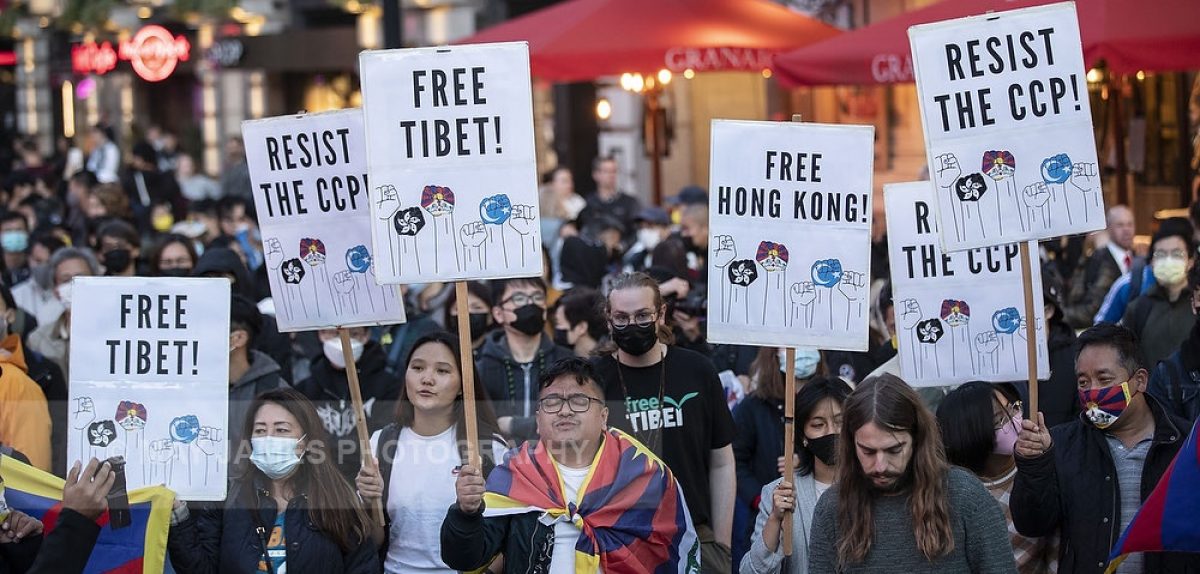

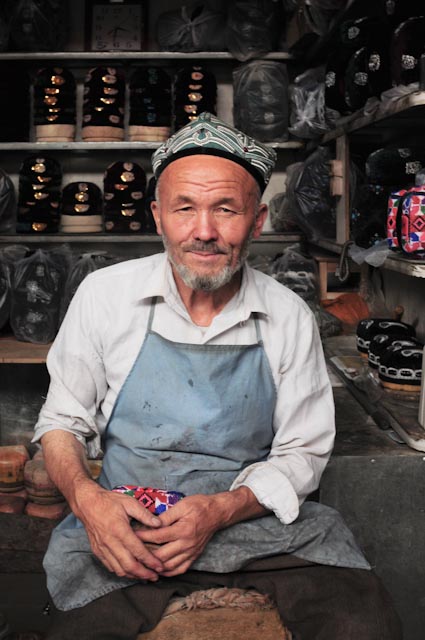
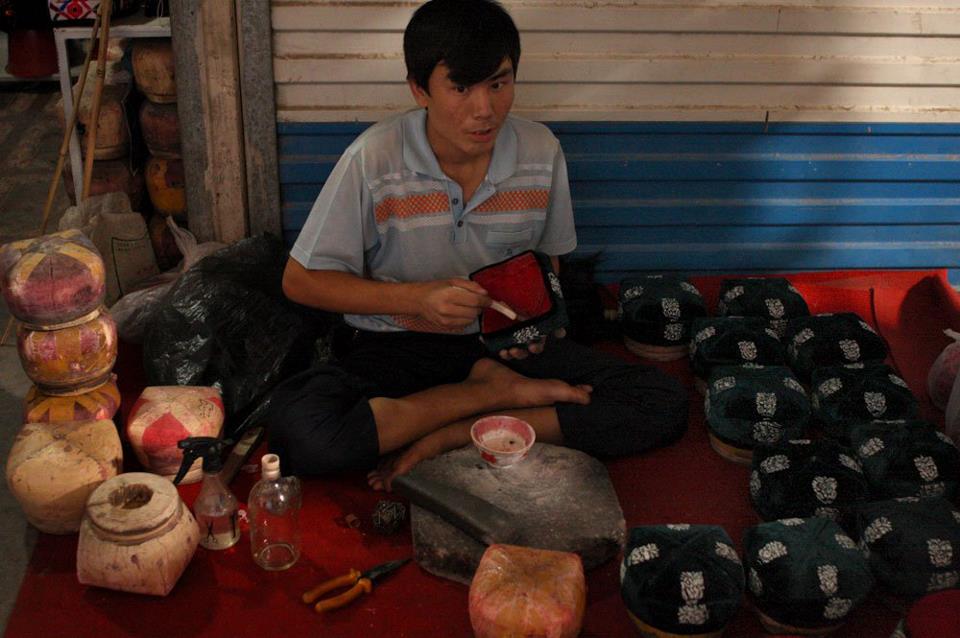
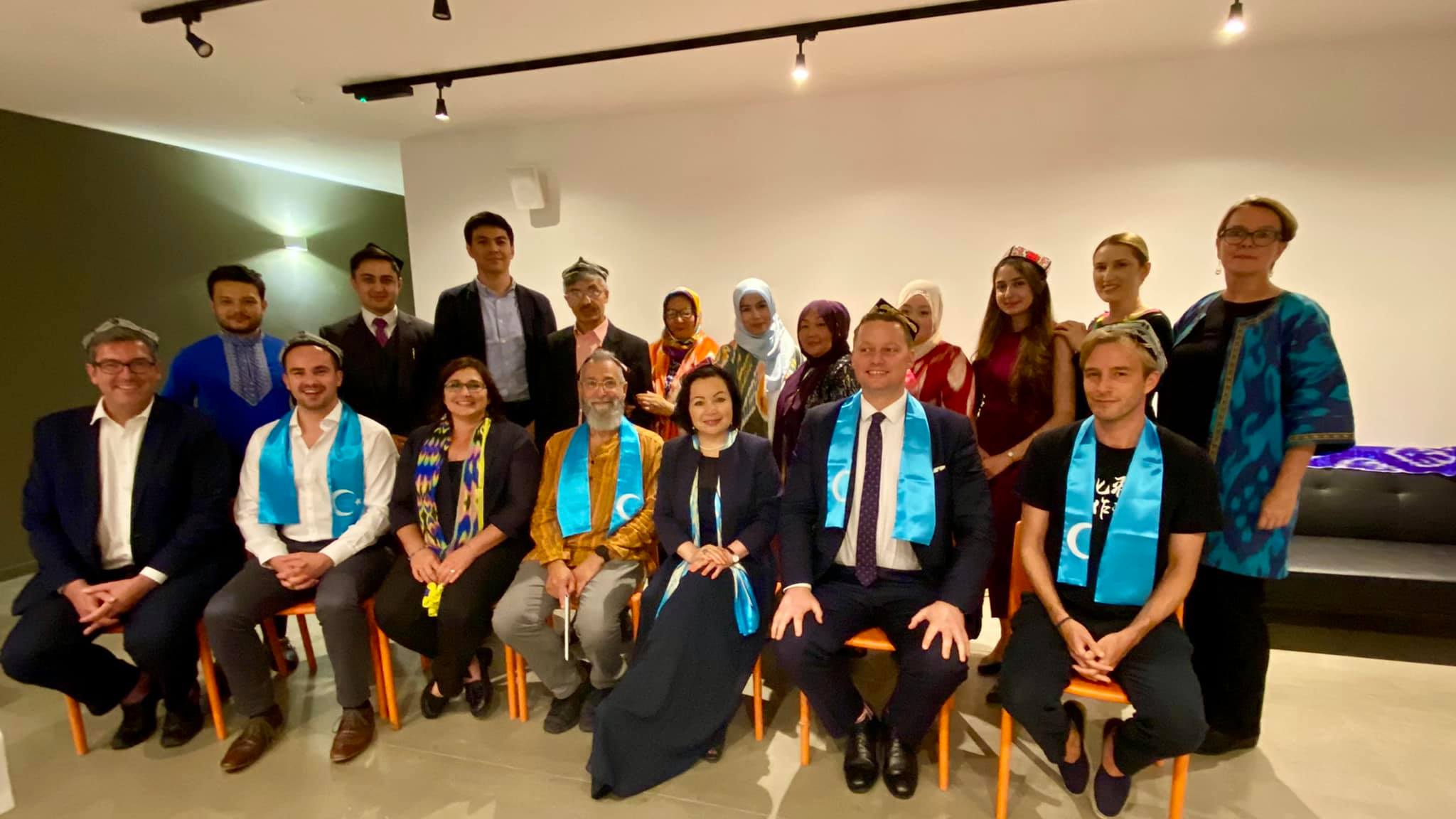
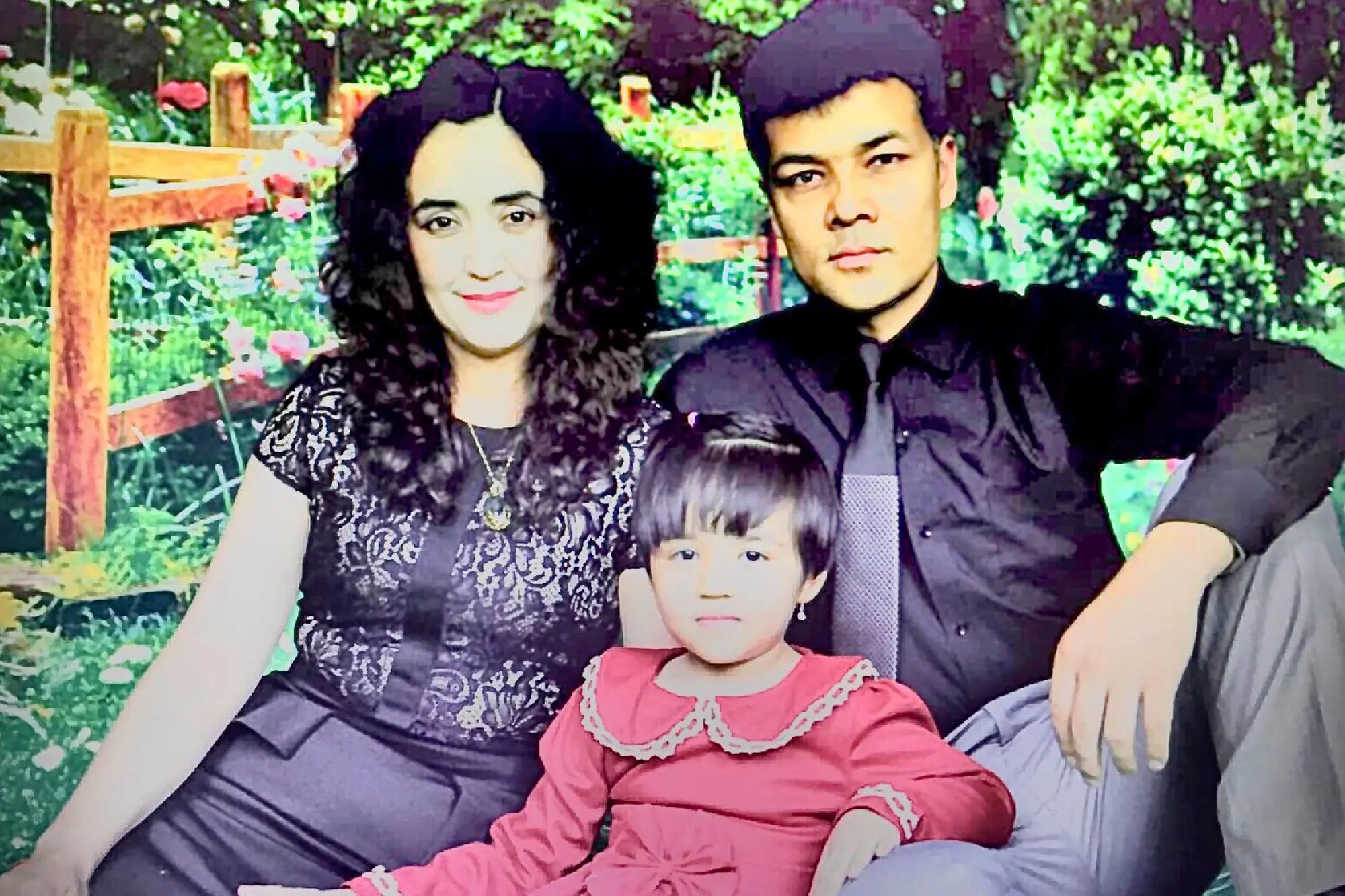
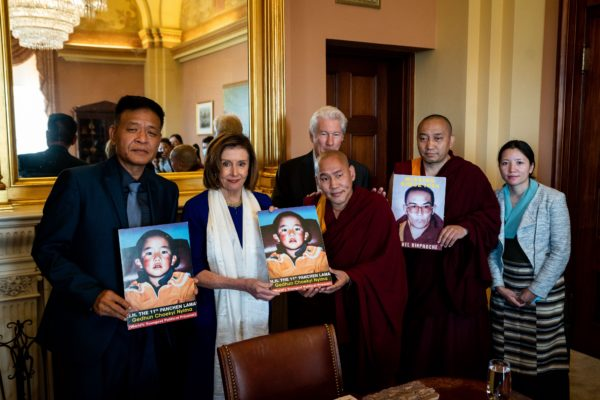
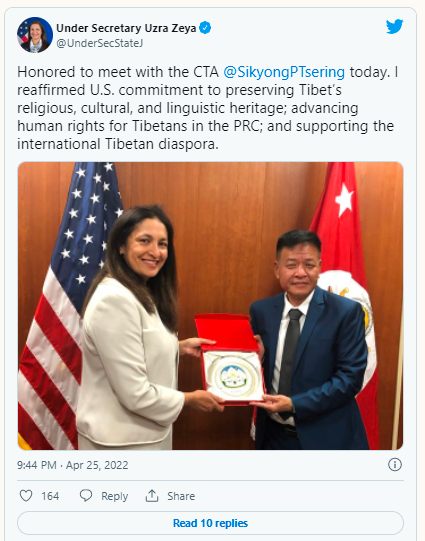
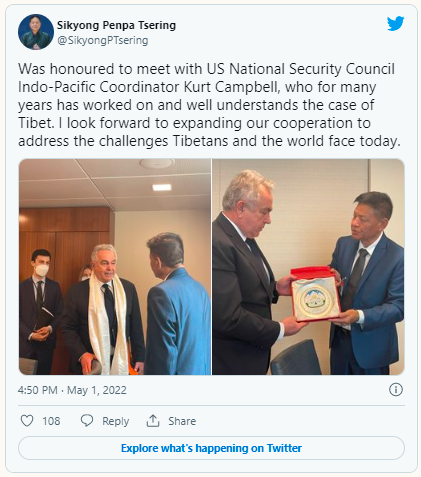


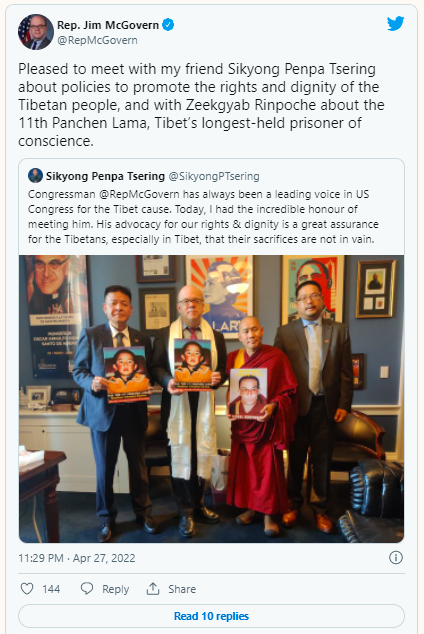
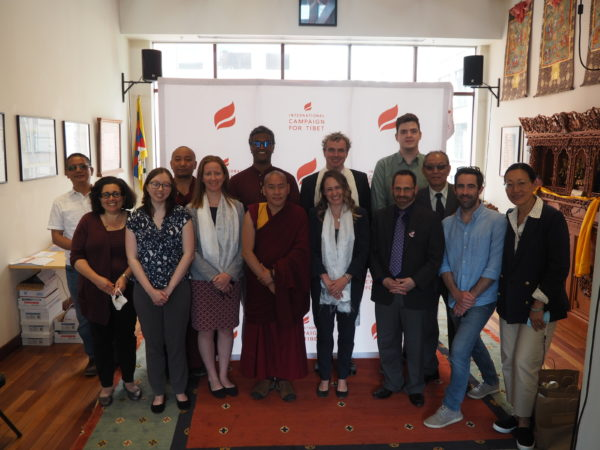


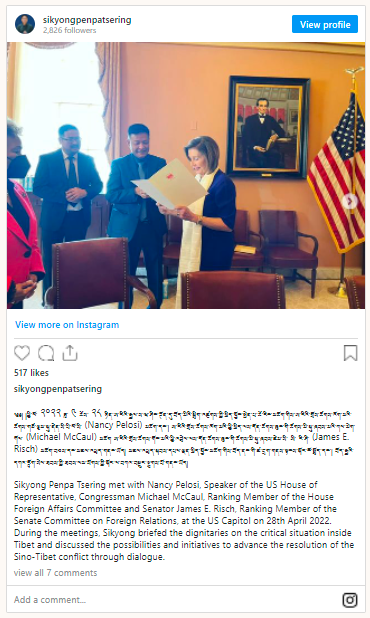

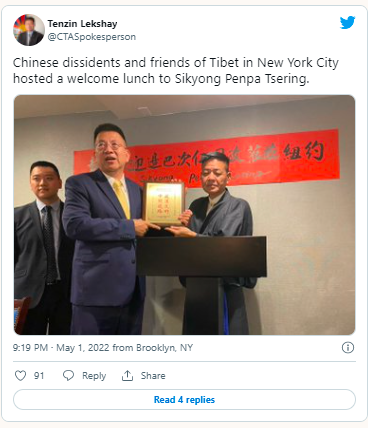

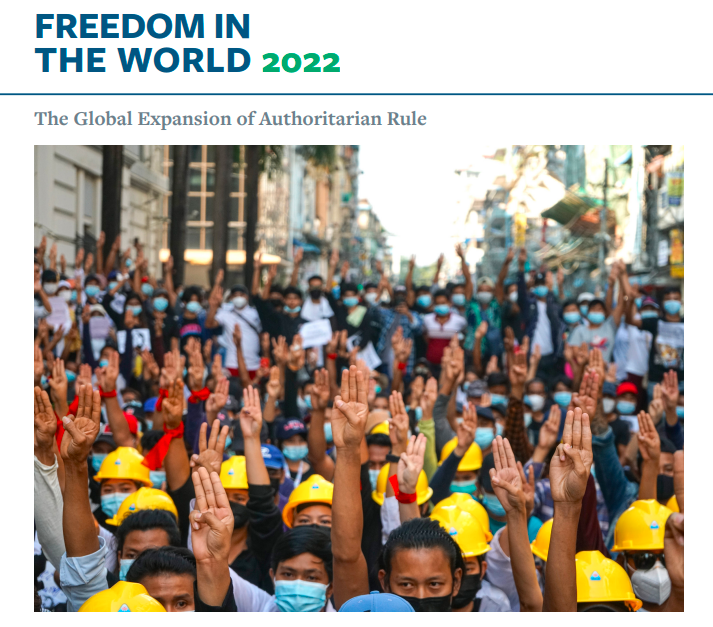
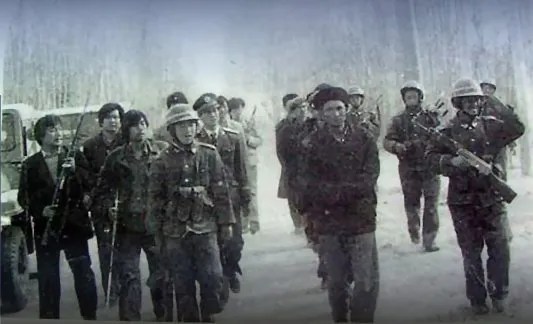

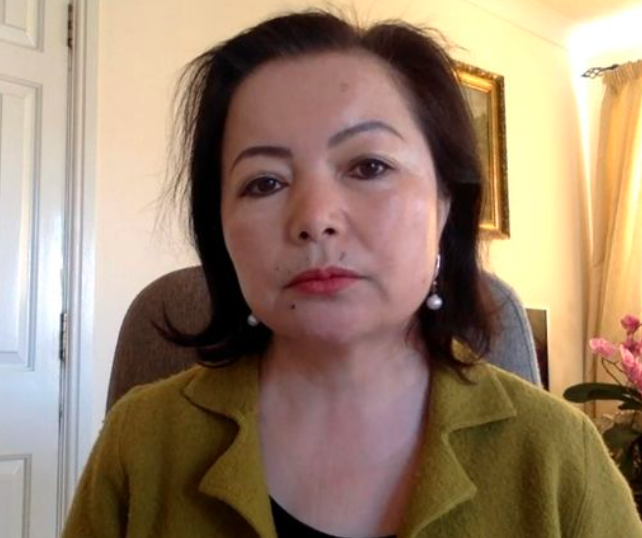
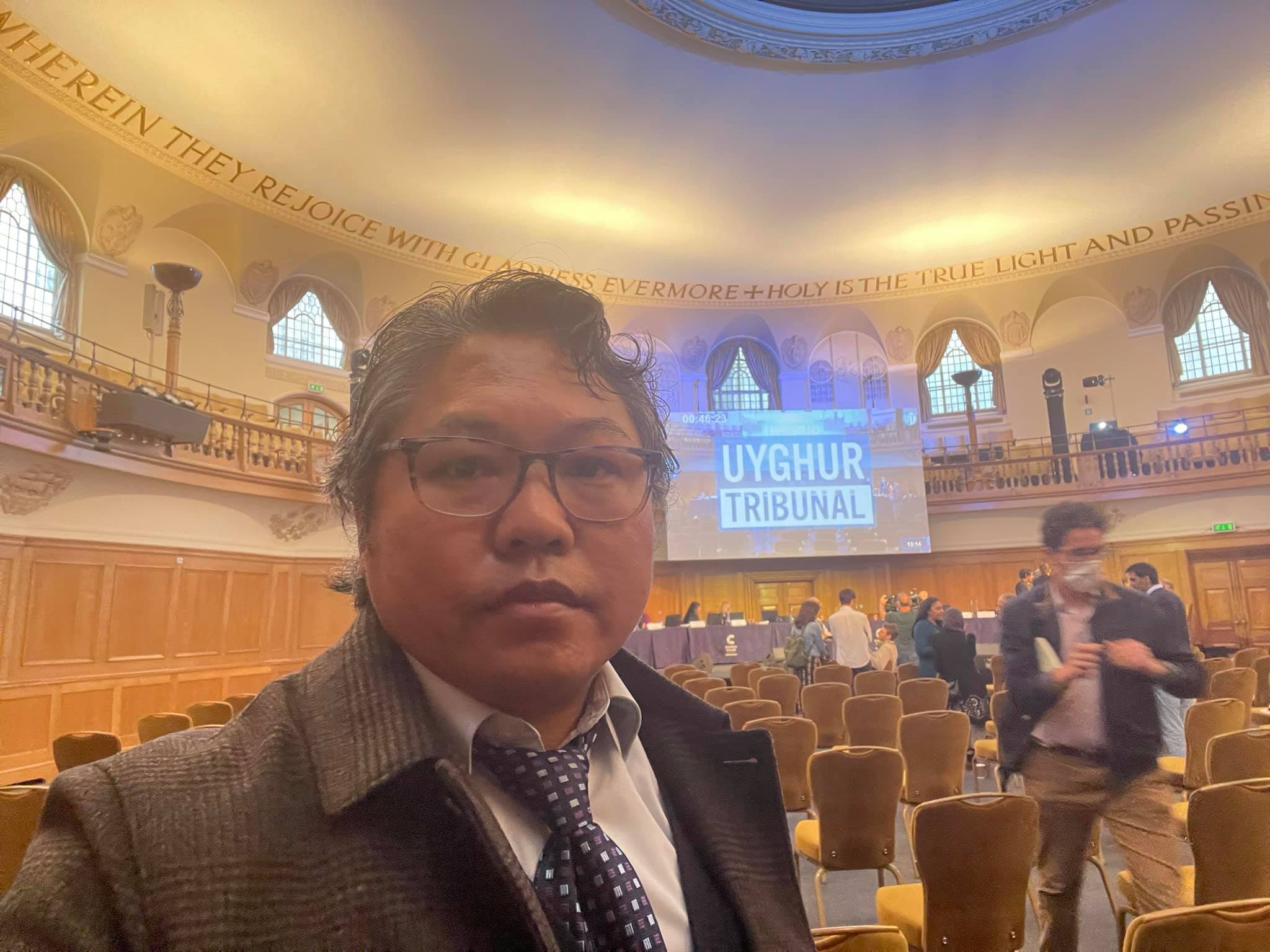

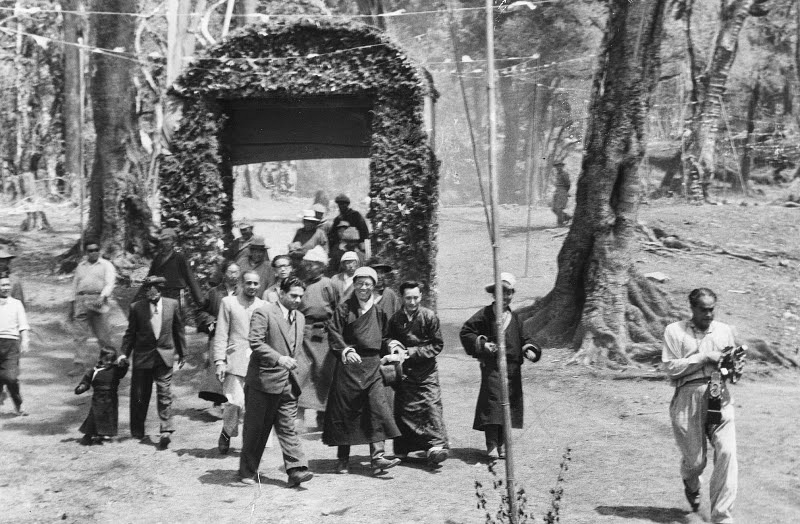


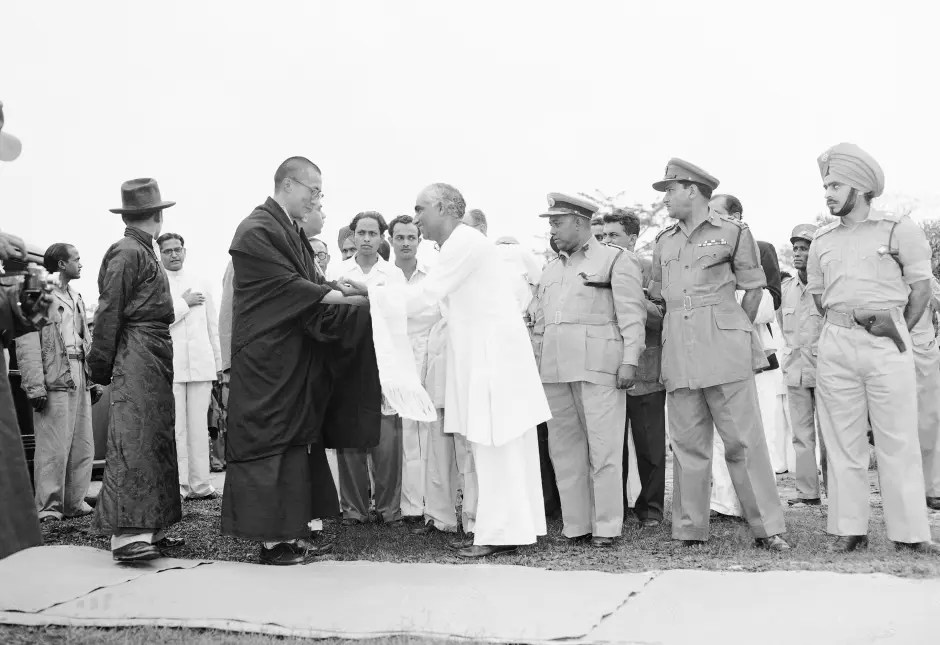

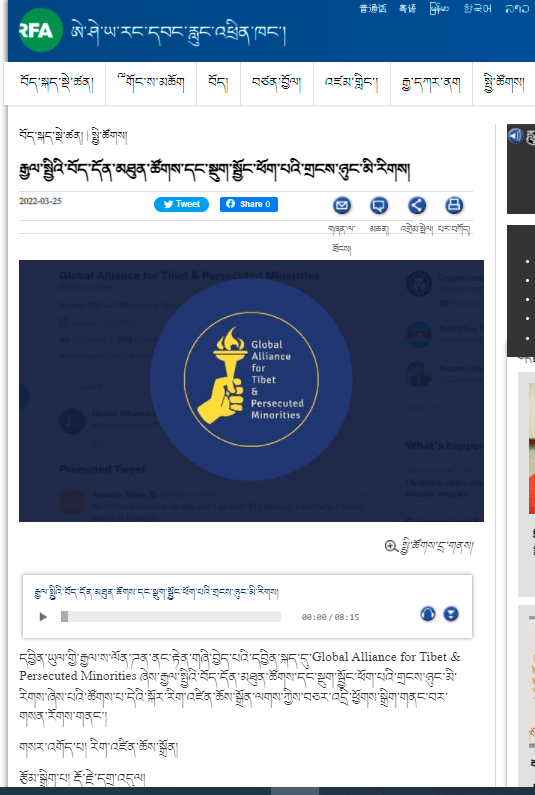


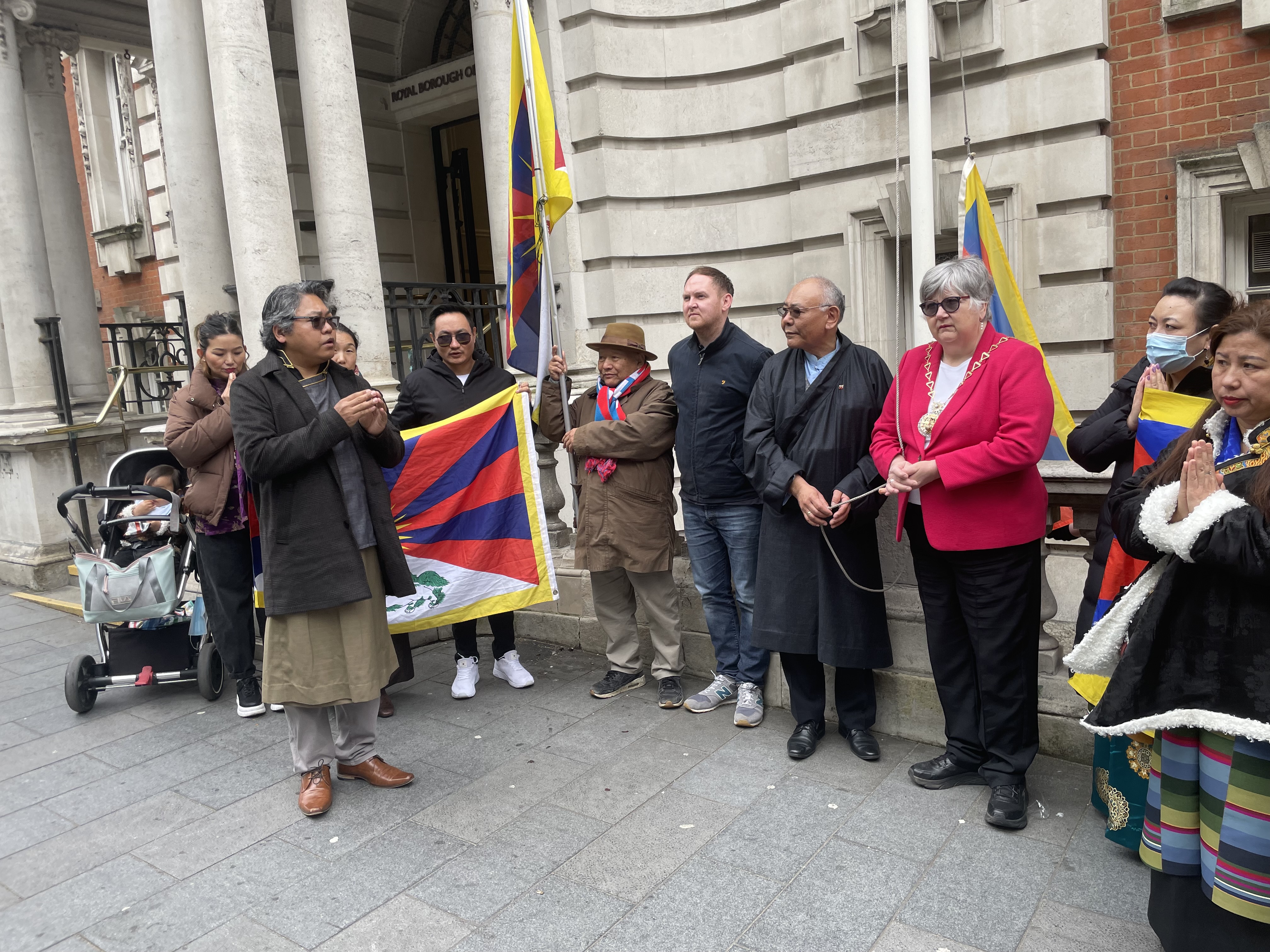
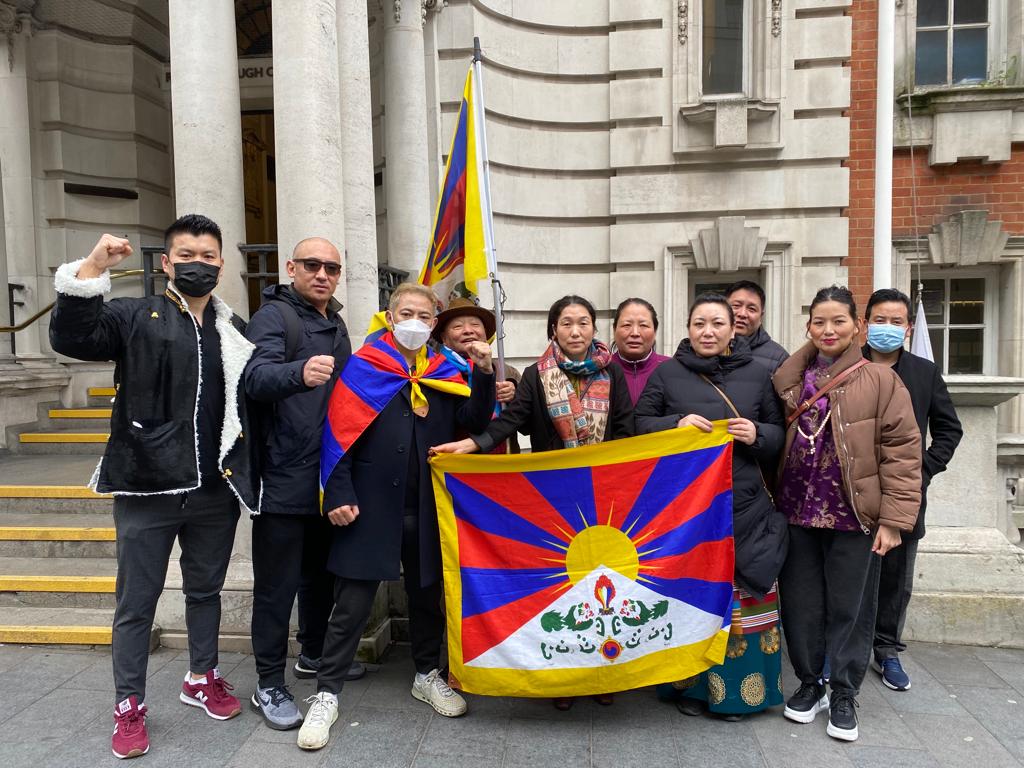
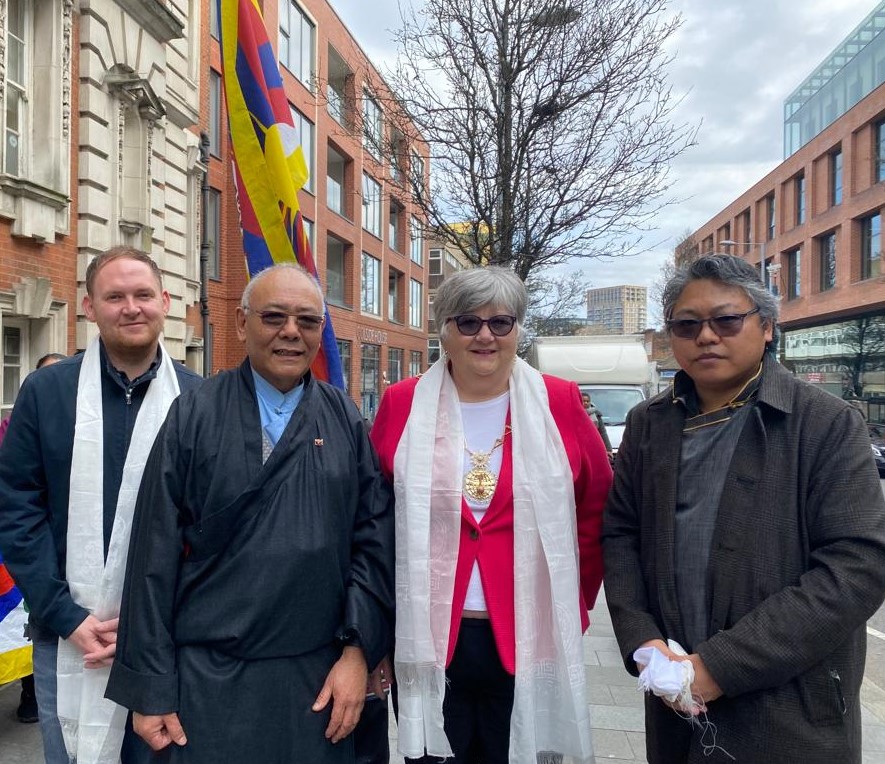


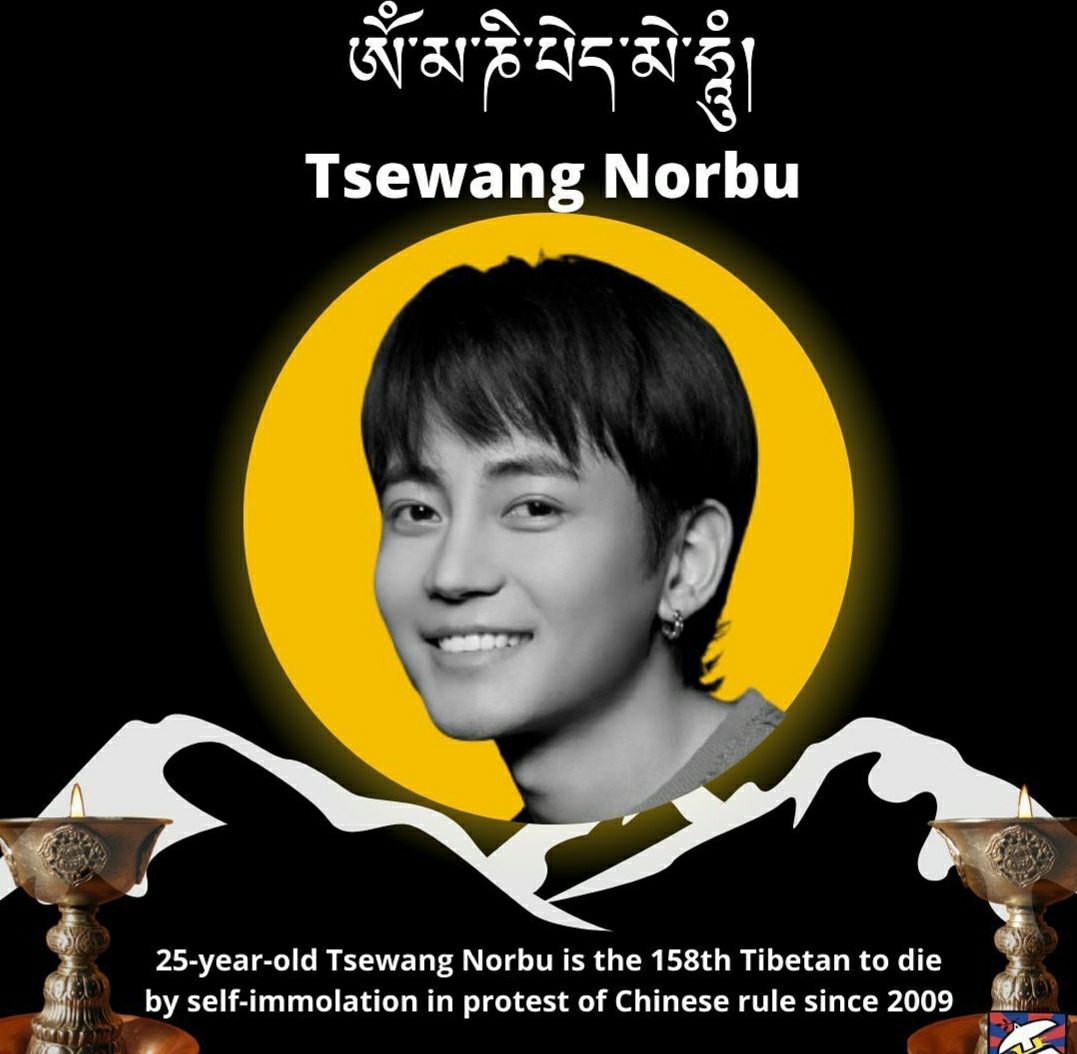
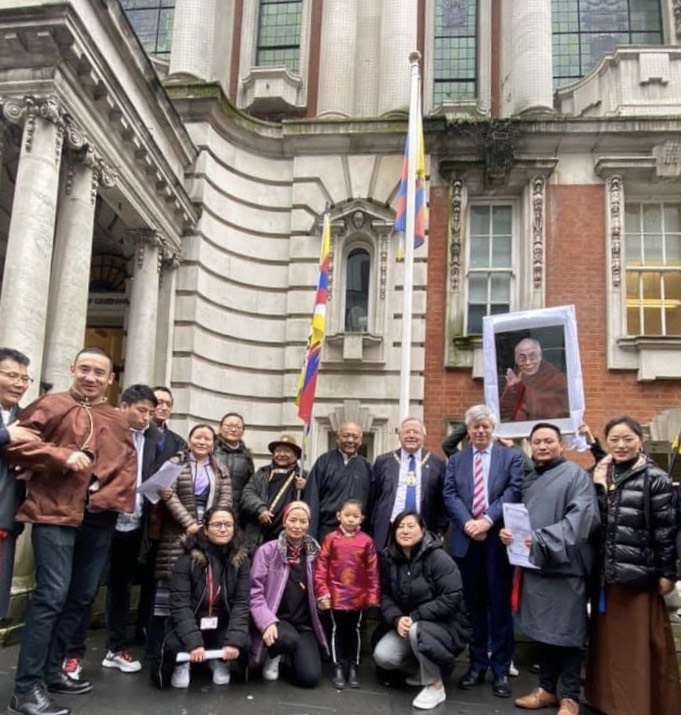





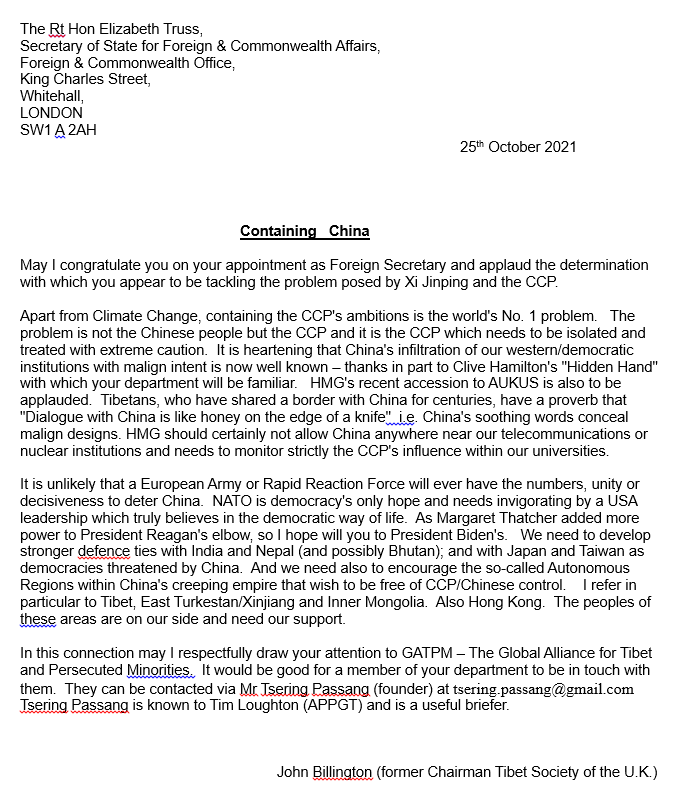



 Global Alliance for Tibet & Persecuted Minorities (GATPM)
You must be logged in to post a comment.