
24 April 2026 | GATPM | London |
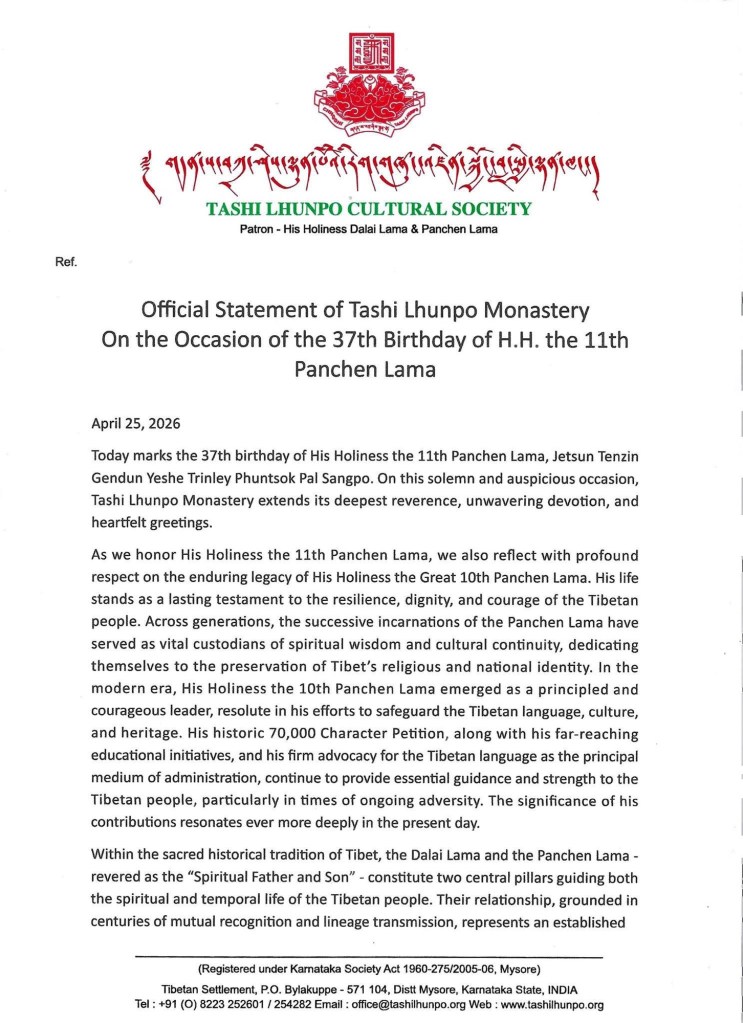
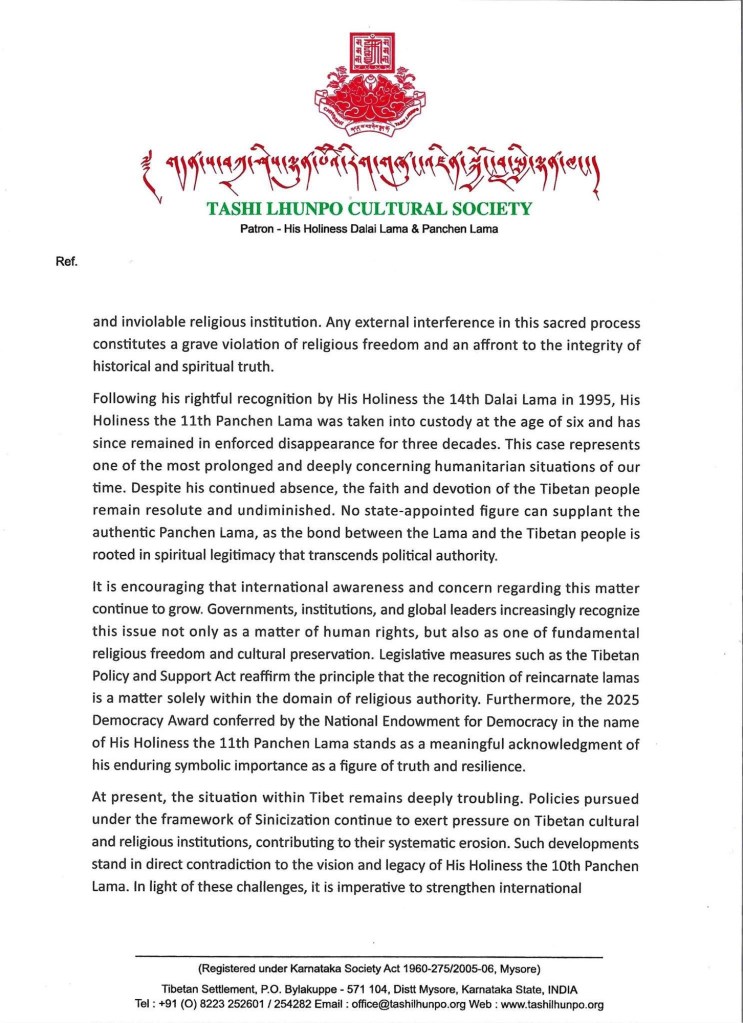
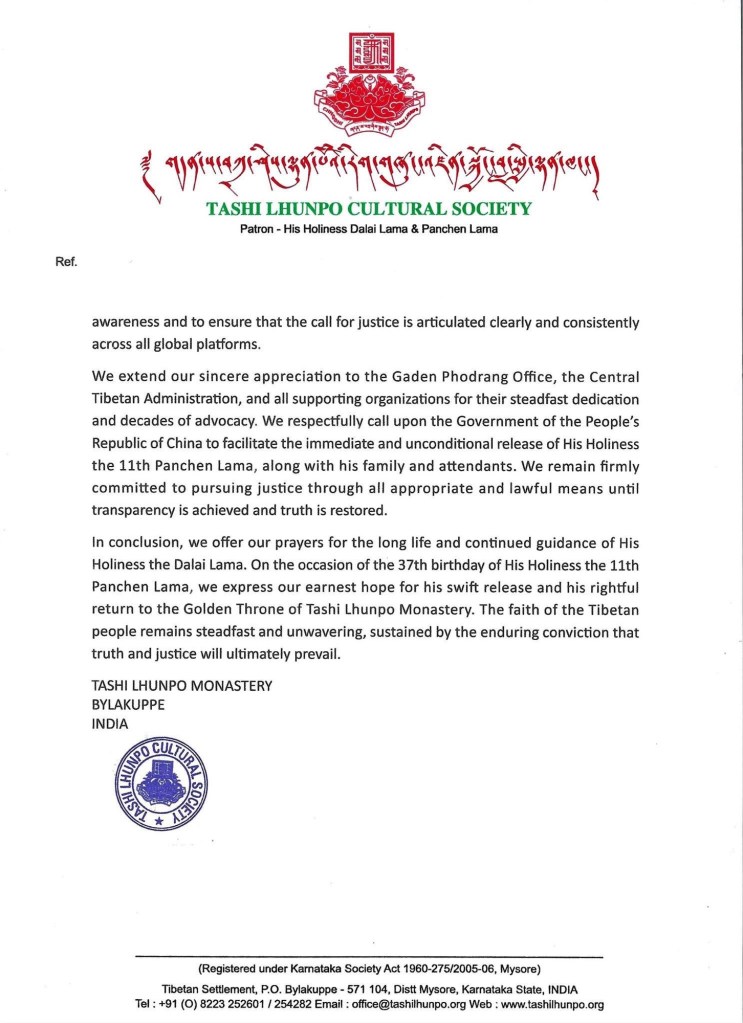
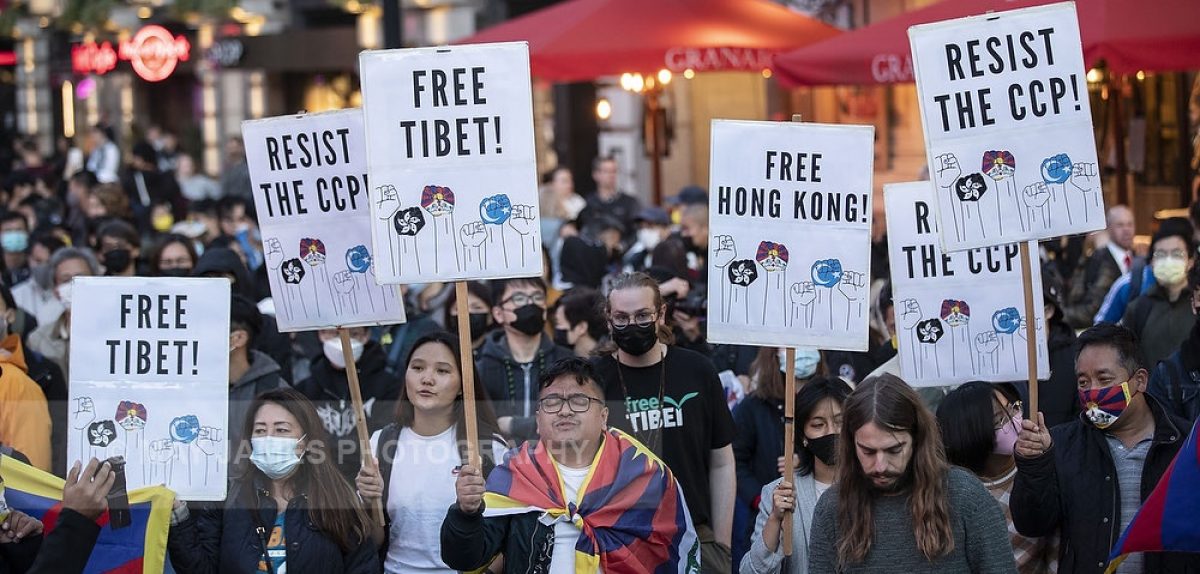
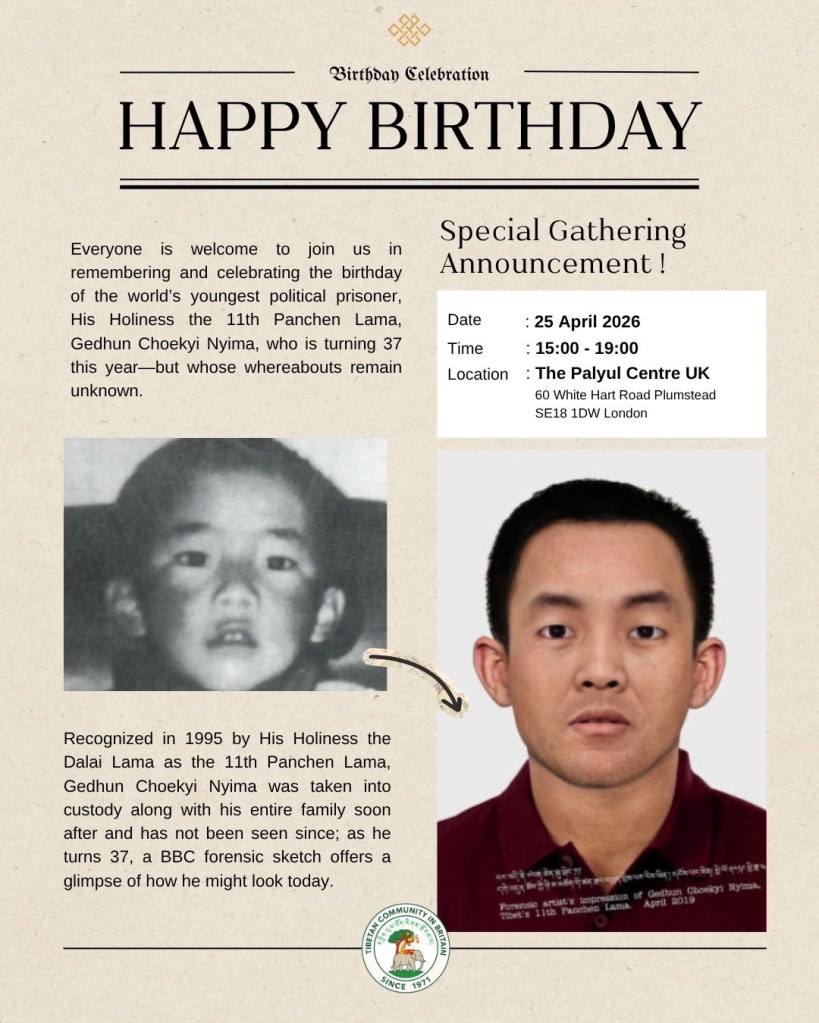
On 25 April, Tibetans and supporters around the world will mark the birthday of Gedhun Choekyi Nyima – a spiritual figure who has not been seen in public since May 1995, when he was just six years old. Recognised by the exile-based His Holiness the 14th Dalai Lama as the 11th Panchen Lama, his disappearance remains one of the most enduring and troubling cases of enforced disappearance in modern history.
More than three decades on, his fate and whereabouts remain unknown. For Tibetans, this is not only a personal tragedy but a profound assault on religious freedom, identity, and the integrity of Tibetan Buddhism itself.
A Community Remembers in London
In the United Kingdom, members of the Tibetan Community in Britain will gather at the Palyul Centre in Plumstead, south-east London, from 3 pm to 7 pm to commemorate the Panchen Lama’s birthday. The event will bring together community members and supporters for prayers and reflections, with addresses by the Dalai Lama’s Representative based at the Office of Tibet-London, Her Excellency Tsering Yangkey; the community’s Chairman, Phuntsok Norbu; and Tashi Lhunpo UK Trust trustee, Michael Whitewood.
The gathering reflects a broader commitment among Tibetans in exile and their allies to ensure that the Panchen Lama is neither forgotten nor reduced to a footnote in geopolitical discourse. It is also a reminder that, even in exile, Tibetan spiritual traditions continue to be upheld with dignity and resolve.
“His Absence Is a Global Moral Failure”
Tsering Passang, founder-chair of the Global Alliance for Tibet & Persecuted Minorities, underscored the urgency of continued advocacy:
“The Panchen Lama’s disappearance is not just a Tibetan issue – it is a global moral failure. Each year that passes without answers deepens the injustice. We must keep his story alive and demand accountability. We call on the UK government and the international community to press China to respect the fundamental freedom of religion or belief for the Tibetan people.”
The Wider Stakes for Tibetan Buddhism
The Panchen Lama holds a central role in Tibetan Buddhism, traditionally responsible for recognising the reincarnation of the Dalai Lama. His disappearance – and the subsequent imposition by Chinese authorities of a state-appointed alternative – represents a direct intervention in sacred religious processes.
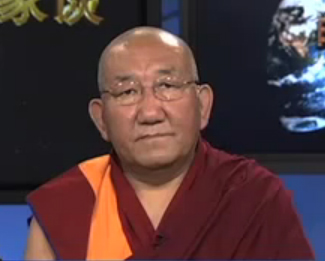
This concern has been powerfully articulated by Ven. Arjia Rinpoche, a senior Tibetan lama who fled Tibet into exile after refusing to legitimise Beijing’s appointed Panchen Lama.
In his memoir, Surviving the Dragon: A Tibetan Lama’s Account of 40 Years Under Chinese Rule, he reflects on the spiritual bond between Tibet’s two highest figures:
“As for the people of Tibet, no matter how politics changed, for them the Dalai Lama and the Panchen Lama remained the sun and the moon. To this day they believe that the reincarnations of both must be mutually recognised to be valid.”
He further underscores the centrality of spiritual legitimacy over political authority:
“Tibetans clearly wanted the Fourteenth Dalai Lama to be the final arbiter of the identity of the true reincarnation of the Panchen Lama.”
These insights highlight why Beijing’s attempt to control the recognition process is viewed by Tibetans not merely as political interference, but as a profound violation of their faith.
Arjia Rinpoche’s account also sheds light on the intense pressure placed on Tibetan religious leaders to conform to state directives – pressures he ultimately resisted, choosing exile over complicity. His testimony remains one of the most authoritative insider perspectives on the systematic effort to reshape Tibetan Buddhism under Chinese rule.
New Legal Framework: “Ethnic Unity” and Deeper Control
Concerns over religious freedom in Tibet have been further heightened by China’s newly adopted Promoting Ethnic Unity and Progress Law, introduced on 12 March 2026 and set to come into force on 1 July 2026.
While framed in the language of cohesion and national unity, key elements of the law point to an expansion of state control over cultural and religious life:
- It emphasises the “Sinicisation” of religion, requiring all faiths to align with state-defined socialist values.
- It promotes the standardisation of language and education, raising concerns about the erosion of Tibetan language and cultural transmission.
- It strengthens mechanisms for surveillance and ideological “guidance” in ethnic minority regions.
- It reinforces the role of the state in regulating religious institutions, including leadership recognition processes.
For Tibetans, this law signals not unity, but the institutionalisation of policies that have long sought to dilute and control their identity. In the context of the Panchen Lama’s disappearance, it deepens fears that future reincarnations – including that of the Dalai Lama – may be subject to even tighter state manipulation.
A Call That Endures
As the Panchen Lama would turn 37 this year, his absence continues to resonate across generations. His story has become emblematic of a broader pattern of repression – one that extends beyond Tibet to other religious and ethnic communities facing systemic restrictions on belief and identity.
The Global Alliance for Tibet & Persecuted Minorities reiterates its call for:
- Full disclosure of Gedhun Choekyi Nyima’s whereabouts and well-being
- Respect for Tibetans’ right to determine their own religious leaders
- International pressure on China to uphold its obligations under international human rights law
The anniversary is not only a moment of remembrance, but a renewed call to action. Until answers are provided and rights are restored, the Panchen Lama’s story will remain a symbol of unfinished justice – and a test of the international community’s commitment to defending freedom of religion or belief.
Link:
A Stolen Child, A Silenced Voice: The Enforced Disappearance of Tibet’s Panchen Lama