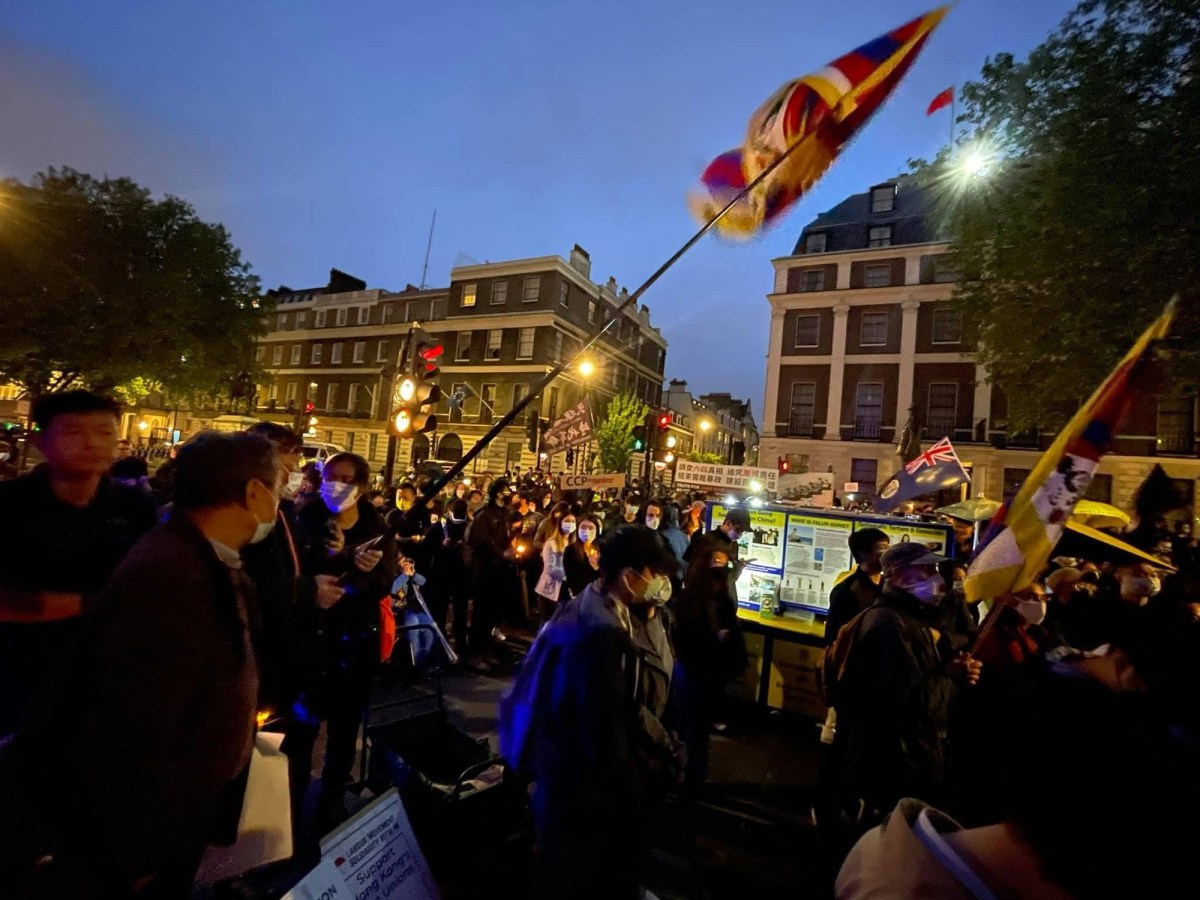
Join us for a candlelight vigil outside the Chinese Embassy in London to commemorate the 36th anniversary of the 1989 Tiananmen Square Massacre and honour the courageous individuals who stood for freedom, democracy, and human rights in China, as well as those in occupied Tibet, East Turkestan, Southern Mongolia and Hong Kong.
📅 Date: Wednesday, 4 June 2025 🕗 Time: 8:00 PM – 10:00 PM 📍 Venue: Outside the Chinese Embassy, 49 Portland Place, London W1B 1JL
On June 4th, 1989, the Chinese Communist Party ordered a brutal military crackdown on peaceful pro-democracy protesters in Beijing’s Tiananmen Square. Thousands of unarmed students, workers, and citizens – calling for democratic reforms and freedom of expression – were massacred. The true number of casualties remains unknown due to the Chinese regime’s strict censorship and ongoing repression of truth-telling.
To this day, the Chinese authorities deny justice, suppress memory, and persecute those who speak out. Every year, peaceful vigils are banned in mainland China, and activists are arrested for merely remembering the dead.
By standing together in London, we send a powerful message of remembrance and solidarity – not only for the victims of Tiananmen but also for all those suffering under the Chinese regime today.
We Stand in Solidarity With:
Chinese citizens and dissidents, including pro-democracy activists and human rights lawyers, who continue to risk their lives to stand up against tyranny
Tibetan people, whose culture, language, and religion are under systematic attack
Uyghurs in East Turkestan, facing genocide, forced labour, and internment camps
Southern Mongolians, resisting cultural erasure and assimilation
Hongkongers, whose freedoms and democratic rights have been crushed
Falun Gong practitioners, subject to torture, imprisonment, and organ harvesting
An Urgent Appeal by Chairs of the Global Alliance for Tibet & Persecuted Minorities (Tsering Passang) and Tibetan Community in Britain (Phuntsok Norbu) – Join Us on the 8th of February to Defend Free Speech and Democracy at Royal Court Mint site in Tower Hamlets to protest against the Chinese Communist Party’s (CCP) proposed “Super-Embassy” in the UK, which is set to be the largest foreign mission in Europe if it goes ahead.
Dear Friends and Supporters,
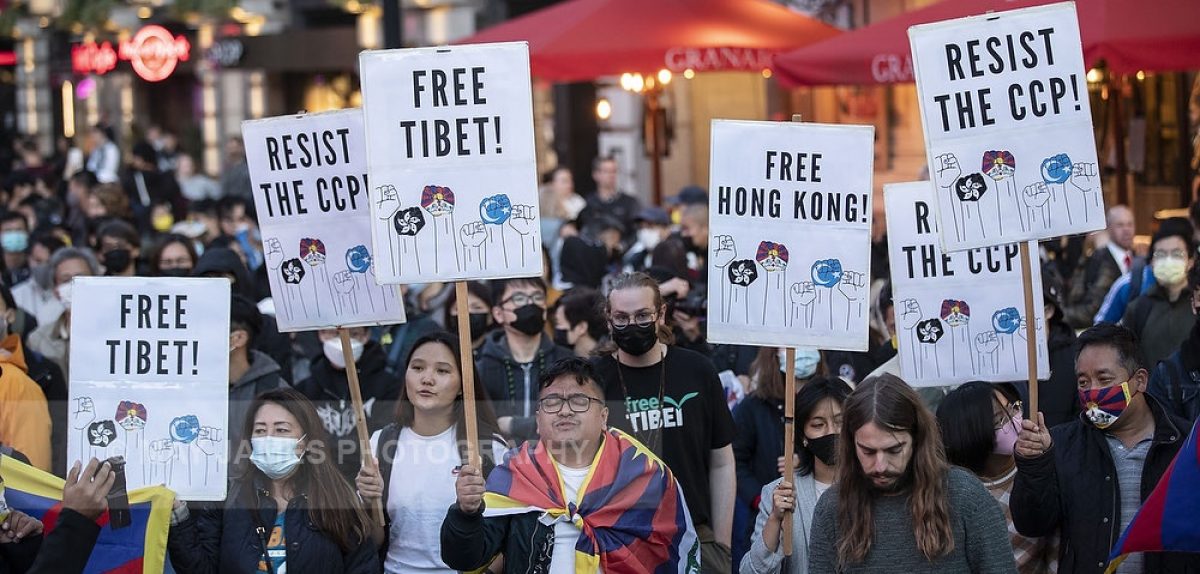
We are writing to you as the Chairs of the Tibetan Community in Britain and the Global Alliance for Tibet & Persecuted Minorities (GATPM) to invite you to an urgent and vital public protest on Saturday, February 8th, 2025, in East London. This protest, jointly organised with over 27 community and human rights groups, is a call to action for everyone who values free speech, human rights, and democracy.
The People’s Republic of China (PRC) plans to establish a massive “super-embassy” at Royal Mint Court, Tower Hamlets, London EC3N 4QN – against the will of the local council, residents, and even the Metropolitan Police. This project is not just an invasion of physical space but a direct threat to the sanctity of our democratic values. By overriding the decisions of local elected councillors, the Labour government is appeasing Beijing’s autocratic regime while trampling on British principles of governance and democracy.
Why This Protest Matters
This embassy is far more than a diplomatic mission. It represents an alarming expansion of China’s authoritarian influence. If allowed to proceed, it will serve as a hub for surveillance, intimidation, and coercion against critics of the PRC – including Tibetans, Uyghurs, Hongkongers, and others in the UK.
The government’s decision to approve this embassy despite serious safety concerns raised by the Metropolitan Police is deeply troubling. Initially, the police objected to the project, citing inadequate space for large-scale protests. A sudden reversal in their stance, based on questionable reasoning, has paved the way for this dangerous development. We must respond decisively, proving through our overwhelming presence that this site is unsuitable and that our right to free speech is non-negotiable.
A Growing Threat to Democracy
The establishment of this “super-embassy” sends a chilling message: that Britain is willing to compromise its democratic ideals to placate a foreign dictatorship. This protest is an opportunity to stand together against the PRC’s growing authoritarianism and assert that Britain’s democratic spaces will not be sacrificed.
Stand with Us on February 8th
By attending this protest, you will:
Defend Free Speech: Safeguard the UK’s right to peaceful protest against oppressive regimes.
Amplify the Voices of the Oppressed: Show solidarity with Hongkongers, Tibetans, Uyghurs, Taiwanese, and pro-democracy advocates persecuted by the PRC.
Demand Accountability: Urge our government to uphold human rights and British democratic values.
What to Expect
Powerful Speeches: Hear from prominent politicians, activists, and community leaders.
United Communities: Join over 27 groups, including Free Tibet, Stop Uyghur Genocide, and Hongkongers in Britain, standing in solidarity.
A Historic Moment: Together, we will send an unignorable message to our government and the world.
Practical Details
Date: Saturday, 8th February 2025
Time: 2:00 PM – 4:00 PM
Location: Royal Mint Court, Tower Hamlets, London EC3N 4QN
Bring your family, friends, and everyone who believes in democracy and human rights. Our strength lies in our numbers. Let us take to the streets and show the government that Britain will not stand for the encroachment of authoritarianism.
Together, We Can Make a Difference
This is a critical moment to defend the UK’s democratic spaces and stand against the PRC’s oppressive regime. By uniting, we will show that the voices of free people cannot be silenced. The government’s decision to approve this embassy despite widespread opposition must not go unanswered.
Let’s make history together. See you on February 8th. Stand strong for free speech, human rights, and democracy.
Yours in Solidarity,
Phuntsok Norbu Chairman, Tibetan Community in Britain
7th November 2024 | Global Alliance for Tibet & Persecuted Minorities (GATPM)
The Global Alliance for Tibet & Persecuted Minorities (GATPM) congratulates President Donald J. Trump on his re-election as the 47th President of the United States. We urge the new administration to reaffirm America’s commitment to global human rights, justice, and accountability, values that face unprecedented threats today. Now, more than ever, strong U.S. leadership is crucial in defending these principles worldwide.
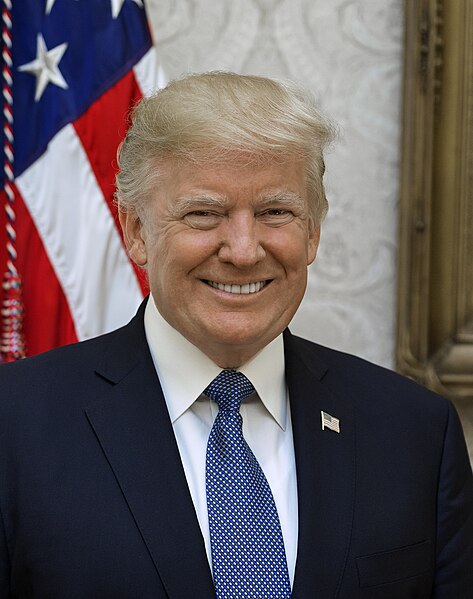
Official portrait of President Donald J. Trump, Friday, October 6, 2017. (Official White House photo by Shealah Craighead)
During President Trump’s first term, the United States made significant progress in supporting the Tibetan people’s fight for fundamental rights and autonomy. The administration’s enactment of the Reciprocal Access to Tibet Act of 2018 and the Tibetan Policy and Support Act of 2020 marked critical steps in holding China accountable for human rights abuses and supporting Tibetans’ aspirations to preserve their culture, language, and spiritual heritage. The Reciprocal Access to Tibet Act pioneered efforts to counter China’s systematic restriction of foreign access to Tibet, thereby enhancing independent observation and reporting on human rights conditions in the region. Meanwhile, the Tibetan Policy and Support Act bolstered U.S. commitments to protect Tibetans’ religious freedom and promote a future of genuine autonomy.
As President Trump prepares for his second term, GATPM calls for immediate, decisive actions to expand upon these commitments. One urgent priority is the swift appointment of a U.S. Special Coordinator for Tibetan Issues, as mandated by Congress, to lead a coordinated response to ongoing rights abuses in Tibet and champion Tibetan rights on the international stage. Additionally, we urge the administration to advocate for Tibet in multilateral forums, encouraging global allies to join in pressing China to end its repressive policies.
Beyond Tibet, GATPM calls on the United States to adopt a principled stance against the full range of China’s rights violations, including its draconian policies in Xinjiang (East Turkistan), Southern Mongolia, and Hong Kong, along with its growing aggression toward Taiwan. As Beijing expands its territorial ambitions and tightens its authoritarian control, the international community must stand united in demanding accountability. The United States should lead in implementing policies that uphold the rule of law, protect persecuted minorities, and collaborate with allies to counter these mounting threats.
With its enduring commitment to justice and the rule of law, the United States holds a unique position in the global defence of human rights. We hope that, under President Trump’s leadership, the U.S. will continue to prioritise the freedom and security of oppressed communities, champion human rights, and support multilateral efforts that advance peace and justice.
We also extend our gratitude to President Joe Biden, his administration, and the U.S. Congress for their continued support for Tibet, including the Resolve Tibet Act (2024), and persecuted minorities facing repression in China.
Beijing’s economic and political ties with Nepal make life increasingly hard for the 10,000 Tibetans who escaped there.
Xi Jinping meets with Prime Minister of Nepal Pushpa Kamal Dahal Prachanda in 2023. Source: Foreign Ministry of the PRC.
China’s increasing influence in Nepal is no longer just a geopolitical concern—it is a pressing human rights issue that is affecting the lives of the Tibetan refugee community there. This past summer, I spent a month in Nepal and visited Tibetan refugee camps, where I witnessed firsthand the deepening challenges these exiled Tibetans face as Beijing’s grip on the country tightens. What I saw was not just a tale of economic progress, but one of growing repression—disturbingly reminiscent of the conditions Tibetans fled from their homeland over 65 years ago.
One of the most glaring signs of foreign aid in Nepal is the transformation of its infrastructure. Chinese-funded projects, from the arrival of electric buses to the construction of regional airports in Lumbini and Pokhara, are reshaping the country’s landscape and its people’s attitudes to China. While these projects may bring short-term economic benefits, they come at a heavy price: the erosion of Nepal’s sovereignty.
For decades, Nepal has balanced its delicate relationships between India and China. But as Chinese-backed initiatives increase, there is rising concern about Nepal’s long-term independence. Despite the construction of new regional international airports, foreign airlines remain hesitant to use these facilities, largely due to India’s reservations about China’s growing role in Nepal’s internal affairs. With Nepal becoming increasingly reliant on Chinese investments, the country’s foreign policy risks shifting in favour of Beijing—a shift that could have far-reaching consequences for Nepal’s autonomy.
This geopolitical shift has even more serious implications for the dwindling 10,000 Tibetan refugees living in exile in Nepal. Having escaped their homeland after China’s occupation of Tibet, where cultural suppression and persecution still prevail, many now find themselves facing similar restrictions in what was supposed to be a safe haven.
Expressions of Tibetan identity—whether through wearing a “Free Tibet” t-shirt, raising the Tibetan flag, or participating in traditional cultural practices—are being met with growing hostility. During my visit, I learned that local authorities, likely acting under pressure from Chinese interests, have begun restricting Tibetan cultural practices. Events like Gorshey (Tibetan circle dances), once public celebrations of Tibetan heritage, are now forced underground in the Kathmandu Valley. The chilling effect on these cultural activities is a painful echo of the repression that many Tibetans thought they had left behind.
A Tibetan refugee selling traditional handicraft in Nepal. Credits.
Even the deeply symbolic tradition of Lhakar (White Wednesday) is now under threat. A movement that grew out of the 2008 protests in Tibet, Lhakar is a weekly expression of Tibetan pride and identity. Every Wednesday, Tibetans speak their language, wear traditional clothing, and support Tibetan-owned businesses as an act of peaceful cultural resistance. But even these small acts of pride are being curtailed. As China’s influence in Nepal grows, Tibetans are finding it increasingly difficult to gather, celebrate, and maintain their traditions.
What is particularly troubling is the erosion of the very freedoms Tibetan refugees believed they would find in exile. The rights they sought—freedom of expression, freedom from fear, and the ability to preserve their identity—are being undermined. The parallels between the repression they fled in Tibet and the mounting pressure they face in Nepal are becoming too striking to ignore.
This growing threat to the rights of Tibetan refugees must be a matter of global concern. The international community cannot afford to stay silent. China’s expanding influence in Nepal has implications that go beyond mere infrastructure deals—it strikes at the heart of human rights and cultural survival. Tibetan refugees in Nepal have a fundamental right to express their cultural identity, free from persecution or interference.
The time for action is now. Media outlets, human rights organisations, and governments around the world must shine a light on this pressing issue. As China continues to reshape Nepal’s political and social landscape, the global community has a responsibility to ensure that Tibetans in exile can live free from oppression and preserve their rich cultural heritage. Their struggle is not just about one displaced community—it is about defending the universal values of freedom, dignity, and the right to exist as a people.
The fight for Tibetan freedom is far from over. As the founder and chair of the Global Alliance for Tibet & Persecuted Minorities, I call on the international community to stand up for the Tibetan refugees in Nepal and recognise the growing threat posed by China’s influence. Tibetans’ cultural identity and their right to live free from oppression are worth defending—because their fight is a fight for the fundamental human rights we all cherish.
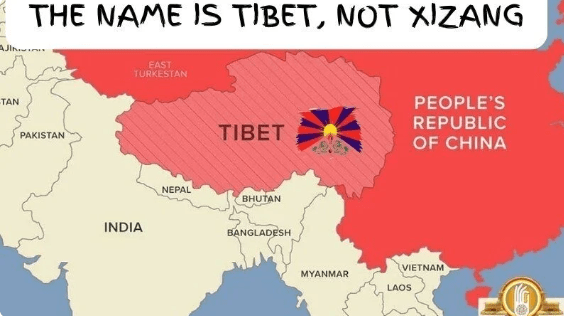
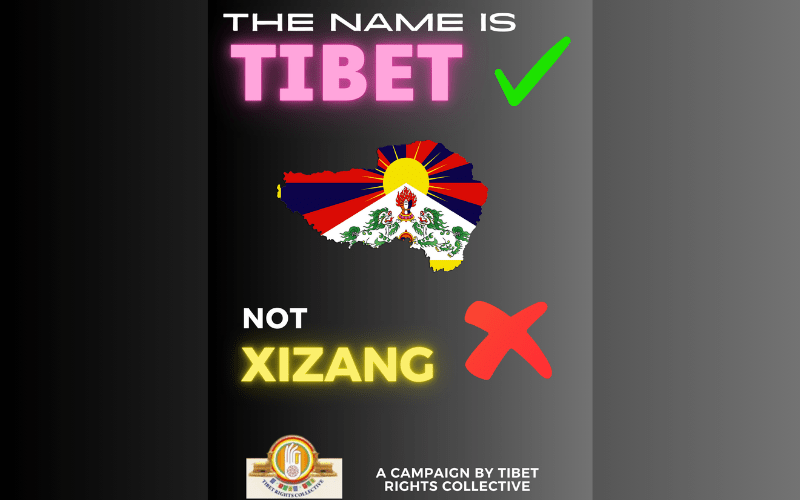
Recent developments in European museums, specifically the Musée du quai Branly and the Musée Guimet in Paris, have sparked controversy over their presentation of Tibet as “Xizang.” This renaming aligns with Beijing’s political narrative, raising concerns about how Western cultural institutions are increasingly vulnerable to external political pressures. The use of “Xizang” is emblematic of China’s international campaign to shape global discourse on Tibet, a campaign driven by the establishment of the Xizang International Communication Centre.
The term “Xizang,” which translates to “Western Treasure House,” is the official Chinese designation for Tibet and is heavily promoted by Beijing to reinforce its sovereignty claims. For years, China has sought international adoption of the term, as part of a broader strategy to control the narrative surrounding Tibet’s history, culture, and political status.
China’s Renewed Global Communication Strategy
Tibet, a landlocked Buddhist region with a rich cultural and religious heritage, has long been at the centre of conflict with the People’s Republic of China (PRC). Tibetans view their language, religion, and identity as distinct, while China claims Tibet as an inseparable part of its territory. This narrative became official after China’s 1950 military invasion, which culminated in the full annexation of Tibet following the Dalai Lama’s exile to India in March 1959. In response to China’s aggression, Tibetans resisted, first with poorly-equipped weapons in the 1950s, and later through guerrilla warfare by voluntary fighters operating from Mustang, Nepal from 1960 until 1974. The Central Tibetan Administration, also known as the Tibetan government-in-exile, has called for genuine autonomy for decades, though Beijing has consistently rejected these appeals.
Recently, China launched the Xizang International Communication Centre, a key initiative in its ongoing effort to reshape global perceptions of Tibet. Operating under the Chinese government’s Tibet propaganda apparatus, the centre’s primary goal is to promote Beijing’s preferred version of Tibet’s history and its integration into China. This effort extends beyond domestic propaganda, aiming to influence international media, academia, and cultural institutions by disseminating a narrative aligned with China’s political stance on Tibet.
This communication centre is part of China’s broader strategy to expand its “soft power” and shape global opinions. Through institutions like these, China seeks to redefine international understanding of Tibet, often downplaying Tibetans’ calls for greater autonomy and historical claims to independence. The international adoption of “Xizang” is viewed as a key victory in this campaign.
Musée du quai Branly and Musée Guimet: A Case of Influence
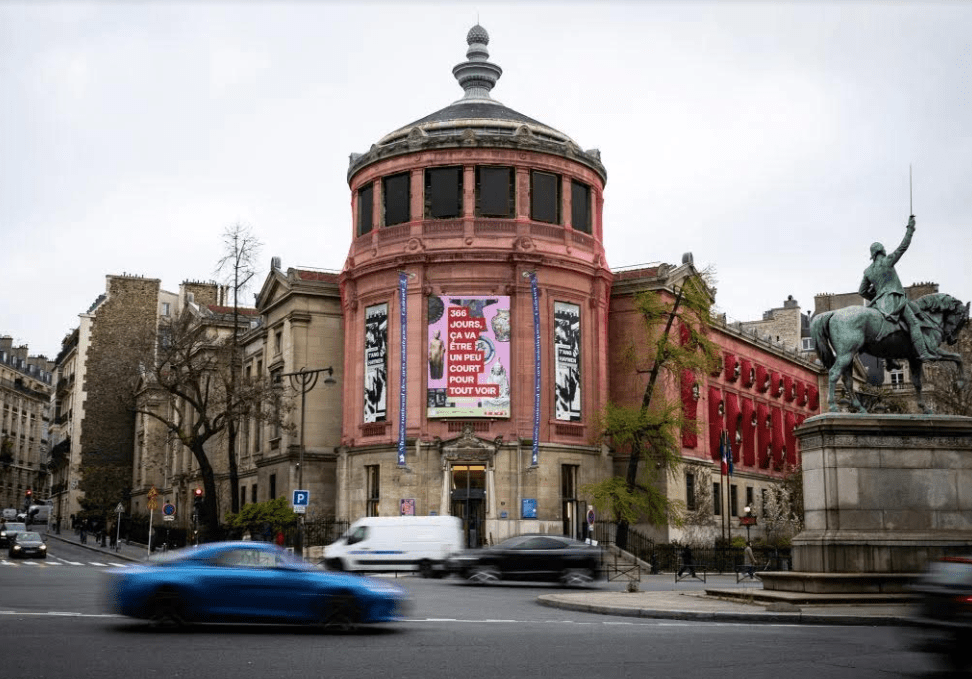
Against this backdrop, two respected Parisian institutions – Musée du quai Branly and Musée Guimet, both renowned for their focus on world cultures – have come under scrutiny for using the term “Xizang” and “Himalayan World” respectively in their exhibits on Tibet. While both museums are respected for their dedication to cultural preservation and education, critics argue that their decision to use “Xizang” reflects undue influence from Beijing, potentially compromising the historical integrity of their displays.
The Musée du quai Branly in Paris (Photo/Branly Museum)
Adopting this terminology is seen by many as an implicit endorsement of China’s political agenda. It risks erasing the distinct cultural and historical identity that Tibetans and their supporters have fought to preserve. By using “Xizang” in place of “Tibet,” these institutions appear to align themselves with China’s narrative, raising concerns about the role of Western museums in maintaining objective representations of global histories.
Facade of Guimet Museum, dressed by Chinese artist Jiang Qiong Er, in central Paris in 2024 (Photo/Miguel Medina/AFP)
The Role of Cultural Institutions in Historical Representation
Museums are powerful custodians of culture, history, and knowledge, playing a crucial role in shaping public understanding. They are often viewed as impartial entities that educate the public on complex historical narratives. However, the cases of Musée du quai Branly and Musée Guimet demonstrate that even cultural institutions are not immune to political influence.
Pressure to align with international diplomatic or economic relationships can lead to decisions that prioritise geopolitical considerations over historical accuracy. The decision to refer to Tibet as “Xizang” may be perceived as a concession to China’s growing global influence, potentially at the expense of Tibet’s distinct identity and history.
This shift is part of a broader trend of Beijing’s expanding political reach into cultural and educational spaces around the world. The controversial Confucius Institutes in various Western countries provide another example of China’s soft power tactics. By influencing how Tibet is represented in prestigious Western institutions, China is gaining ground in its effort to control the international narrative about the region.
The Implications of Political Influence on Cultural Narratives
The consequences of this political influence are significant. For Tibetans and advocates of self-determination, the use of “Xizang” represents more than a simple linguistic change; it symbolises the erasure of their cultural and historical identity. Tibet has a long history of resistance and calls for independence, and the adoption of China’s terminology risks diminishing the visibility of this struggle on the global stage.
Furthermore, the willingness of Western institutions to adopt Beijing’s terminology raises questions about how far cultural organisations are willing to compromise their integrity under external pressure. Museums, which should offer unbiased presentations of history, now risk becoming conduits for state-sponsored narratives.
Conclusion
The decision by Musée du quai Branly and Musée Guimet to use “Xizang” in reference to Tibet underscores the growing political influence that Beijing exerts on global cultural institutions. This shift is occurring against the backdrop of China’s broader efforts, exemplified by the Xizang International Communication Centre, to reshape global discourse surrounding Tibet. As China expands its reach, cultural institutions worldwide face a crucial choice: whether to uphold their commitment to historical accuracy and independence or yield to political influence. This decision will not only impact the representation of Tibet but could also set a precedent for how global narratives are shaped in the future.
*Tsering Passang, London (UK) is the founder and chair of the Global Alliance for Tibet & Persecuted Minorities.
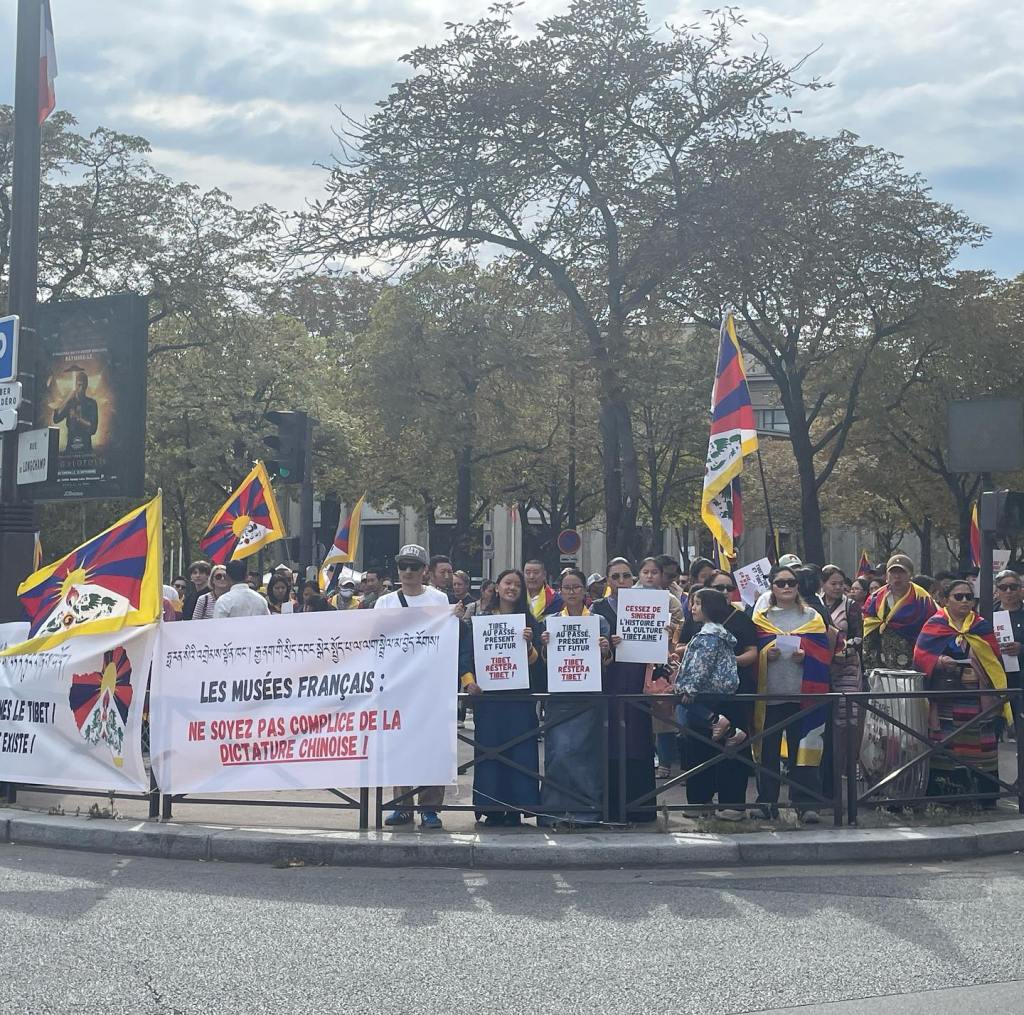
Photo: Geneviève GarrigosPhoto: Geneviève Garrigos(Image source: Phayul – Tibetans in Paris, France protests in front of Musée Guimet on Saturday (Photo/X)







 Global Alliance for Tibet & Persecuted Minorities (GATPM)
You must be logged in to post a comment.