On Wednesday, 6th March, ‘Why Tibet Matters’ – an important topic chosen for a public discourse was held in an English town of Woolwich, which the local Tibetans say had historical connection with the independent Tibet over a century ago.
Woolwich is a thriving town in southeast London, England, within the Royal Borough of Greenwich. It is currently a home to over 100 Tibetans, which is the single largest concentration of Tibetans in one borough in the whole of UK. The town’s location on the River Thames led to its status as an important naval, military and industrial area; a role that was maintained throughout the 16th to 20th centuries.
Photo: Jamyang
Historical connections between Tibet and Great Britain goes long back to the late 1800s and early 1900s, especially during the Great Game, when British and Russian empires had a rivalry over influence in Central Asia, primarily in Afghanistan, Persia, and Tibet.
For the isolated Tibetan Buddhists, the Younghusband Expedition to Tibet (1903-04) gave them the first taste of what a powerful western military force was like. Britain’s brief invasion of Tibet eventually taught the Tibetans a lesson that one cannot remain in isolation in this interdependent world. So, after nearly three years of exile in India, on 13th February 1913, His Holiness the 13th Dalai Lama made the Decree on Tibet’s Independence upon his return to Lhasa, Tibet’s capital.
As Britain was willing to aid the Tibetans, as part of modernising Tibet, the 13th Dalai Lama’s experiment with modern education resulted in the British welcoming four young Tibetans from Lhasa, dubbed ‘Rugby Boys’, aged between 12 and 15, in April 1913. Two of the young boys also received some training in Woolwich – at the Royal Military Academy and the Royal Arsenal.
Photo: Jamyang
After long negotiations, Great Britain and Tibet signed The Simla Treaty of 1913-14, which also included the McMohan Lines, the demarcation of today’s border between India and Tibet. Tibetans still abide by this signed treaty with a foreign country, which was negotiated by Henry McMahon, foreign secretary of British India and the chief British negotiator of the conference at Simla. However, since China’s illegal occupation of Tibet in the 1950s, Communist China has been causing real problems in the Indo-Tibet border region, which has today resulted in the deployments of over a million military personnel and sophisticated military hardwares on both sides, readying for war.
Watch the proceedings, filmed by Londonney here:
Speakers who took part in this discourse:
Tsering Passang, Founder and Chair, Global Alliance for Tibet & Persecuted Minorities; Former Chairman of Tibetan Community in Britain
Damian Sirso, UK Coordinator, Voluntary Tibet Advocacy Group (V-TAG)
Ugyan Norbu, Former General Secretary of Tibet Society & Relief Fund of the UK; Former Treasurer of Tibetan Community in Britain
Dr. Tara Urquhart, Culture Secretary and Youth Coordinator, Tibetan Community in Britain
Phuntsok Norbu,Former Vice Chairman of Tibetan Community in Britain; Former Vice President of Regional Tibetan Youth Congress-Chandigarh, moderated this panel discussion.
Photo: Jamyang
Before the welcome and opening remark, the organisers released a short 8-minute video in reflection of China’s occupation of Tibet as well as the continued suppression of religious freedom and enforced colonial-style residential schooling for Tibetan children from the age of 6 to 18 with the long term goal of annihilation of the Tibetan language, identity, culture and history.
Photos: Penpa Sirso
The free event held at Woolwich-Tramshed, was voluntarily organised and sponsored by Ugyan Norbu, Phuntsok Norbu, Jamyang, (Former Council Member – Campaign Coordinator, Web Designer and Administrator – Tibetan Community in Britain), and Tsering Passang to promote the Tibetan issue through public discourse.
Photos: Londonney
A public discourse: Why Tibet Matters at Tramshed Woolwich London / By Tenzin Dhargyal
Tibetan National Uprising Day
Following the illegal invasion of Tibet by Communist China in the 1950s, the present 14th Dalai Lama was forced into exile in India, where the Tibetan leader established Tibet’s ‘Government-in-exile’ – officially known as the ‘Central Tibetan Administration’. Some 80,000 Tibetans followed their leader into exile.
Detainees are told to bring bedding and food, suggesting they will not be released soon, sources say.
By Kalden Lodoe and Tenzin Pema for RFA Tibetan 2024.02.23
Police on Friday arrested more than 1,000 Tibetans, including monks from at least two local monasteries, in southwestern China’s Sichuan province after they protested the construction of a dam expected to destroy six monasteries and force the relocation of two villages, two sources from inside Tibet told Radio Free Asia.
The arrested individuals – both monks and local residents – are being held in various places throughout Dege county in Kardze Tibetan Prefecture because the police do not have a single place to detain them, said the sources who requested anonymity for safety reasons.
Those arrested have been forced to bring their own bedding and tsampa – a staple food for Tibetans that can be used to sustain themselves for long periods of time, the sources said.
“That police are asking Tibetans to bring their own tsampa and bedding is a sign that they will not be released anytime soon,” one of the sources said.
On Thursday, Feb. 22, Chinese authorities deployed specially trained armed police in Kardze’s Upper Wonto village region to arrest more than 100 Tibetan monks from Wonto and Yena monasteries along with local residents, many of whom were beaten and injured, and later admitted to Dege County Hospital for medical treatment, sources said.
Citizen videos from Thursday, shared exclusively with RFA, show Chinese officials in black uniforms forcibly restraining monks, who can be heard crying
Following news of the mass arrests, many Tibetans from Upper Wonto village who work in other parts of the country returned to their hometown and visited the detention centers to call for the release of the arrested Tibetans, sources said. They, too, were arrested.
The Dege County Hospital did not immediately return RFA’s requests for comment.
The Chinese Embassy in Washington hasn’t commented on the arrests other than in a statement issued Thursday that said the country respects the rule of law.
“China protects the legitimate rights and interests of Chinese nationals in accordance with the law,” the statement said.
Massive dam project
The arrests followed days of protests and appeals by local Tibetans since Feb. 14 for China to stop the construction of the Gangtuo hydropower station.
The dam project is on the Drichu River, called Jinsha in Chinese, which is located on the upper reaches of the Yangtze, one of China’s most important waterways.
Local Tibetans have been particularly distraught that the construction of the hydropower station will result in the forced resettlement of two villages – Upper Wonto and Shipa villages – and six key monasteries in the area – Yena, Wonto, and Khardho in Wangbuding township in Dege county, and Rabten, Gonsar and Tashi in the Tibetan Autonomous Region, sources told RFA.
Sources on Friday also confirmed that some of the arrested monks with poor health conditions were allowed to return to their monasteries.
However, the monasteries – which include Wonto Monastery, known for its ancient murals dating back to the 13th century – remained desolate on the eve of Chotrul Duchen, or the Day of Miracles, which is commemorated on the 15th day of the first month of the Tibetan New Year, or Losar, and marks the celebration of a series of miracles performed by the Buddha.
“In the past, monks of Wonto Monastery would traditionally preside over large prayer gatherings and carry out all the religious activities,” said one of the sources. “This time, the monasteries are quiet and empty. … It’s very sad to see such monasteries of historical importance being prepared for destruction. The situation is the same at Yena Monastery.”
Protests elsewhere
Tibetans in exile have been holding mass demonstrations in various parts of the world, including in Dharamsala, India, home to the exiled Tibetan spiritual leader, the Dalai Lama.
In the past week, Tibetans have demonstrated before the Chinese embassies, including those in New York and Switzerland, with more such protests and solidarity campaigns planned in Canada and other countries.
“The events in Derge are an example of Beijing’s destructive policies in Tibet,” said Kai Müller, managing director of the International Campaign for Tibet, in a statement on Friday. “The Chinese regime tramples on the rights of Tibetans and ruthlessly and irretrievably destroys valuable Tibetan cultural assets.”
“Beijing’s development and infrastructure projects are not only a threat to Tibetans, but also to regional security, especially when it comes to water supplies to affected Asian countries,” he added.
Human Rights Watch told RFA that it is monitoring the development but that information from inside Tibet is extremely rare given China’s tight surveillance and restrictions imposed on information flow.
“People who send information out and videos like this face imprisonment and torture,” said Maya Wang, the group’s interim China director.
“Even calling families in the diaspora are reasons for imprisonment,” she said. “What we do see now are actually … typical scenes of repression in Tibet, but we don’t often get to see [what] repression looks like in Tibet anymore.”
Additional reporting by Pelbar, Yeshi Dawa, Tashi Wangchuk, Palden Gyal and Sonam Lhamo for RFA Tibetan. Edited by Roseanne Gerin and Malcolm Foster.
The London Royal Borough of Greenwich (RBG) will once again raise the Tibetan National Flag on Wednesday, 6th March 2024 at 9.30am at Woolwich Town Hall in show of support and solidarity with the people of Tibet for their peaceful freedom struggle.
The Royal Borough of Greenwich’s Mayor and the Deputy Leader will take part in the flag raising ceremony, amongst other councillors and officials, in the presence of local Tibetans, invited guests and friends, which is followed by a reception hosted by The Mayor. The Tibetan National Anthem will be sung when the Tibet Flag is raised and the Tibetans will also pray for World Peace outside the Town Hall.
This annual Tibet Flag Raising is organised by the Mayor’s Office, Royal Borough of Greenwich (RBG) and the Greenwich Tibetan Association (GTA). This London borough is home to over 100 Tibetans, the largest hub of Tibetans in a single borough in the whole of the UK.
Tsering Passang, who has been coordinating the Tibet Flag Raising, said: “We are once again delighted that the Mayor and the Deputy Leader of the Royal Borough of Greenwich will raise the Tibet Flag in show of their continued support and solidarity with the Tibetan people. In China-occupied Tibet, Tibetans are still being persecuted for their basic beliefs, including free speech. For Tibetans, this Tibet Flag raising is a noble act of support and solidarity by the Royal Borough of Greenwich. It sends the right message to China’s brutal regime that the UK stands with the people of Tibet for their freedom, justice, and human rights. On behalf of the Greenwich Tibetan Association and all Tibetans, I wish to thank the Mayor, the Deputy Leader and the Royal Borough of Greenwich for their steadfast support and solidarity with the people of Tibet. We need your continued support until freedom is restored in Tibet.”
The Tibet Flag was first raised at the Woolwich Town Hall in London in September 2015 to honour and welcome His Holiness the Dalai Lama to the Royal Borough of Greenwich. The Tibetan spiritual leader gave public talks and Buddhist teachings to over 10,000 people at The O2 Centre in September 2015, which falls within the boundaries of the Royal Borough of Greenwich.
China’s illegal occupation of Tibet subsequently forced the Nobel Peace laureate and Tibet’s spiritual leader His Holiness the Dalai Lama into exile in India in March 1959, where he set up the Central Tibetan Administration (de facto Tibet’s Government-in-exile).
(By Tsering Passang, a concerned Tibetan in London)
After careful consideration, I decided to post this on my blog to put the record straight in public for future references.
The Tibetan Losar Celebration in the UK Parliament was first held in 2018, and not in 2024, as wrongly reported/claimed by the London-based Office of Tibet.
I sent my letter (see below) to Tibetan media houses and other key stakeholders, yesterday, 21st February 2024, who unwittingly aided the spread of these inaccuracies through their news coverage and interview with the concerned CTA official based in the Office of Tibet-London.
The Voice of Tibet, Radio Free Asia and Voice of America all agreed to look into their reporting and address it accordingly. As of this morning, Tibet.net has only amended the headline of the news article in question but the factual inaccuracy still remains in the main article. In an ideal situation, the London-based Office of Tibet should have immediately rectified the inaccuracy, by issuing clarification notes to the media houses and other stakeholders.
If inaccuracies are not rectified, one way or another, in 50 or 100 years down the line future generations (Tibetans or non Tibetans) will believe the wrong reportage that the first Tibetan Losar celebration was held in UK Parliament in 2024, when it was actually in 2018. My only intention here is to present the facts. If still unconvinced, I have suggested them to contact the Offices of Tim Loughton MP and Chris Law MP, co-chairs of APPG Tibet.
If the Office of Tibet-London and others don’t rectify the inaccuracies on their platforms having presented the facts by someone who was closely associated with the Losar celebration event first held in the UK Parliament in 2018, then I am afraid we are recording a wrong historical event.
(Copy of my Letter sent to Tibetan media houses and key stakeholders):
21st February 2024
FAO: Editors and Directors of
Tibet.net
Office of Tibet, London
Radio Free Asia (RFA) Tibetan Program
Voice of America (VOA) Tibetan Program
Voice of Tibet (VOT)
Free Tibet
Tibetan Community UK
International Campaign for Tibet
CC: Tim Loughton MP, Chris Law MP
Dear Editors / Directors,
I hope this letter finds you well. I am writing to express my concern regarding a recent news article published and reported by your organisations and media outlets – Tibetan New Year Celebrated in the UK Parliament for the First Time. This news was first published in Tibet.net on 8th February 2024, which was filed by the London-based Office of Tibet. Having seen this news on your platforms, I also came across certain media interviews with Office of Tibet-Secretary Lochoe Samten-la who reiterated and confirmed this false claim. Furthermore, it appeared that the London-based CTA official also repeated this misleading claim during the Losar celebrations in UK Parliament on 7th February and at the Stratford Town Hall on 10th February.
After reading the piece in Tibet.net, I felt compelled to address this inaccuracy and misleading information presented in the article, a false narrative started in London. Needless to mention so many Tibetans and others, including guests who participated in the first Losar celebration event in Parliament in 2018 have expressed to me their concern and disappointment regarding this misleading and inaccurate news.
Such misleading information created and distributed by CTA officials could jeopardise the reputations built over the decades by many. This inaccurate claim may seem small and simple in one sense, but this must be corrected with immediate effect for the sake of truth, honesty and integrity of these important offices, which have important roles to play for our Tibetan freedom struggle.
The Fact: For the record, the Tibetan Losar Reception was first held in the UK Parliament on Wednesday, 21st February 2018, from 8pm to 9pm in MacMillan Room, Portcullis House. (Please see evidence below, poster, communication and coverage by the Tibet Sun.)
The Losar Reception was organised by The All-Party Parliamentary Group (APPG) on Tibet and the Tibet Society, its Secretariat, with the full support and cooperation of Honourable Tim Loughton MP and his Office, led by his senior staff Kari Sargeant. In the absence of Tim Loughton MP that day, the other Co-Chair of APPG Tibet – Chris Law MP hosted the Losar Reception. Four visiting Buddhist monks from Gyuto Monastery in India chanted Buddhist prayers for World Peace and members of the Tibetan Community Dance Group presented cultural performances with speeches by MPs and Tibet Society’s executives. Tibet Society’s Advocacy Officer Gloria Montgomery liaised with Tim’s Office and successfully organised this historic Losar Reception event in the UK Parliament. In addition to facilitating the Gyuto monks for this special cultural event in the Parliament, Tenzin Dakpa, proprietor of Kailash Momo Restaurant sponsored the refreshments for the Losar Reception.
The initial idea of the Tibetan Losar Reception in the UK Parliament was conceived in 2016 and finally got to implement in 2018 after the Tibet Society Council’s appointment of Tsering Passang as its Special Adviser. (See Tsering Passang’s initial communication with Tim Loughton MP and his office, sent on 21st December 2017.)
I view it as essential for the Tibet.net and media houses like yours to uphold the highest standards of journalism by ensuring accuracy and fairness in reporting. In this case, the inaccuracies, reported by the London-based Office of Tibet, present a distorted fact of the events and have already misled readers, potentially damaging the reputation of individuals or all organisations involved, including the media houses. In an ideal situation, the London-based Office of Tibet should have immediately rectified the inaccuracy, by issuing clarification notes to the media houses and other stakeholders.
Someone, who has long been campaigning for truth and justice for Tibet and the Tibetan people, including against the BBC for running their distorted facts on our spiritual leader His Holiness the Dalai Lama in 2023, their action encouraged other local and national media houses coverage on the subject, it is my duty to urge you all concerned, especially the CTA offices, to rectify the errors published / covered on your platforms by issuing a correction or clarification in a timely manner. Doing so will not only uphold the integrity of your media houses but also demonstrate your commitment to providing accurate and reliable information to your readership and audience.
As a concerned reader and seeker of truth and justice, I trust that you will take appropriate action to address this matter promptly for the sake of public records and for future references. If you require any further information or clarification regarding the events in question, please do not hesitate to contact me.
Thank you for your attention to this matter. I look forward to seeing the necessary corrections made in your outlets. I’ll appreciate a copy of your corrections.
Sincerely,
Tsering Passang
A Concerned Tibetan in London;
Special Adviser, Tibet Society (2017 – 2018);
Chairman, Tibetan Community in Britain (2014-2016)
Reception in UK Parliament to celebrate Tibetan New Year
By Riki Hyde-Chambers | Tibet Society
LONDON, UK, 23 February 2018:
On the evening of 21 February 201, Tibet Society and the All-Party Parliamentary Group for Tibet (APPGT) hosted a joint reception to celebrate the Tibetan New Year (Losar) in the UK Parliament.
The reception included a performance by monks from the Gyuto Monastery in India who are world renowned for their deep harmonic chanting of traditional Tibetan prayer, as well as a performance by members of the Tibetan Community in Britain, Jamyang Dorjee and Tenzin Samphel.
The Gyuto order was originally based in Lhasa, Tibet. Following the Chinese invasion in 1950, thousands of men, women, and children were massacred. Only 59 Gyuto monks were able to escape and followed His Holiness the Dalai Lama into exile in India.
Speaking at the reception, Tsering Tashi, vice-chair of Tibet Society, said:
“Today, there are over 500 monks living in the Gyuto monastery in India, and through their hard work and dedication, they have been able to keep alive the Gyuto’s unique tradition of overtone prayer chanting dating back more than 6000 years.” He also added that the Gyuto monks “are and have been the most wonderful ambassadors for the just cause of Tibet, Tibetan culture, and world peace.”
During the event, the Gyuto monks expressed their concern at the ongoing human rights situation in Tibet:
“We are deeply concerned at the lack of religious freedom in Tibet, which is currently occupied by China. We would like to take this opportunity to urge all the parliamentarians as well as the UK government to press China to respect the right to freedom of religion and belief for all peoples in China and in our Tibetan homeland.”
Co-Chair of the APPGT, The Rt Hon Chris Law MP, encouraged his fellow MPs to join the group in promoting and protecting human rights in Tibet and reiterated his firm belief in the right of the Tibetan people to self-determination.
The reception ended with President of Tibet Society, The Rt Hon Norman Baker, handing out khatas (a Tibetan scarf offering) and certificates to MPs, diplomatic staff, and highly-valued supporters of the Tibetan cause.
This was the first-ever Parliamentary Losar reception. It was hosted by Chris Law MP, Co-Chair of the APPGT, and compered by Rt. Hon. Norman Baker, President of Tibet Society. We hope this to be an annual event going forward.
In attendance: MPs, Representatives of various diplomatic embassies, International Campaign for Tibet, Free Tibet, Tibetan Community of Britain, Lelung Dharma Centre, and members of the Tibet Society.
Below poster shared by Honourable Tim Loughton’s office to MPs and invited guests.
Tibet Society’s Special Adviser – Tsering Passang’s communication re: Tibetan Losar Reception in UK Parliament with Tim Loughton MP and his staff Kari Sargeant – sent on 21st December 2017:
Dear Tim Loughton and Kari,
Good morning! May I first thank you both for your wonderful support during Sikyong Dr Lobsang Sangay’s recent engagement in the parliament. I always appreciate your vital contribution to keeping the issue of Tibet alive through your good offices.
After speaking to Riki and Tsering Tashi yesterday I am pleased to confirm now that we have secured the availability of the five visiting Gyuto Monks from India, who are currently on UK Tour of “Open Mind, Loving Heart” (please see below for their background), for the Losar Reception (Tibetan New Year celebration) at the Parliament anytime between 19th and 24th February 2018. I hope this gives us plenty of options for room booking.
The Tibetan New Year falls on 16th February next year. Riki suggests the reception starting at 6 pm. The Gyuto Monks are famous for their deep throat chanting, Richard Gere is a big-time supporter of the monks especially with their US tours.
Gyuto Monks chanting and Sand Mandala creation: In addition to the Sacred Buddhist chanting, the monks can do a live exhibition of the creation of the Sand Mandala at the reception, so I suggest, if it’s possible, please book the room for one and half hours for the reception (this includes Tim’s welcome address, monks chanting and thank you note from Riki or Tsering Tashi and enjoyment of food and drinks whilst watching the sand mandala being created). It would be great if we can get access to the room an hour before the event for the preparation.
With regards to the detailed arrangement, we shall discuss in the coming weeks, after the New Year, but our initial thought is that food/drinks are to be placed order in-house catering, and few additional bits for e.g. Khabsey (Tibetan cookies) and Dresil (ceremonial rice) are to be brought from outside if this is allowed.
The marking of the Losar (Tibetan New Year) is a celebration of Tibetan culture, a show of respect, support and recognition of the peaceful Tibetan culture, a joyful occasion too! This can be a good way of engaging with our parliamentarians, their assistants and other key stakeholders.
We hope the Losar event becomes an annual event for the APPGT and Tibet Society in the parliament as part of a continued engagement with key stakeholders (enabling the Tibetan issue being kept alive through this event). In the US, the State Department officially hosts the Tibetan Losar in a show of support to Tibetan culture.
Invitees: In addition to the MPs invitation and concerned FO officials as well as other key stakeholders, we would like to invite a limited number of the Tibet Society supporters as part of ongoing engagements.
I am copying this email to Gloria, in addition to Riki and Tsering Tashi, who is our key staff and liaising with the key contacts for this special event.
If you require any information, please feel free to email me or call me on 07927 376 532. Finally, I wish you all a Merry Christmas and a Very Happy New Year!
Best wishes,
Tsering Passang
Special Adviser, Tibet Society
NOTE: The author has been noting the development of this false reporting by CTA and several other Tibet media houses. As of 28th February 2024:
The misreporting broadcast by TibetTV still remains uncorrected. Have not seen any note to this effect. Here is the link to the original inaccurate broadcast: https://youtu.be/G3ZlImgJz_o
Author’s Note: “If inaccuracies are not rectified, one way or another, in 50 or 100 years down the line future generations (Tibetans or non Tibetans) will believe the wrong reportage that the first Tibetan Losar celebration was held in UK Parliament in 2024 when it was actually in 2018. Having already presented facts to the concerned stakeholders and if they still refuse to take corrective actions, I am afraid we are recording a wrong historical account of this Tibetan cultural event held in the UK Parliament.” Tsering Passang.
On Sunday, 10th March, the annual protest and rally will be held in central London to commemorate the 65th anniversary of the Tibetan National Uprising Day of 1959 in Lhasa. Over 100,000 Tibetans in diaspora and their supporters across some 22 countries will mark this poignant day in Tibet’s history.
Gathering Point: Tibetans and their supporters will first gather opposite 10 Downing Street (UK Prime Minister’s Residence), London SW1A 2AA (from 10.30am). After a rally, which includes speeches, the protesters will then march to the Chinese Embassy (49-51 Portland Place, London WB 1JL) via Trafalgar Square, Piccadilly Circus and Oxford Circus (around midday).
Rally opposite Chinese Embassy: The rally opposite the Chinese Embassy, includes Buddhist prayers for World Peace and speeches from Tibetans and invited guests (around 1pm.
Protesters will chant loud slogans such as “Free Tibet”, “Human Rights in Tibet” and “China: Stop Killing Tibetans” – chanting these phrases in China’s occupied Tibet will end up in prison, facing long sentences. Today, more than 1500 Tibetans are serving prison sentences in Chinese prisons for simply exercising free speech.
Tibetan Commemoration Event at Indian YMCA: After the rally, the annual Tibetan commemoration event will be held at the Indian YMCA, 41 Fitzroy Square, London, W1T 6AQ (starts at 3pm), where Tibetan food will also be served. This official commemoration function at the Indian YMCA will be participated by the Office of Tibet, London, academicians and guests.
This year’s day-long commemoration will involve Tibet groups, including Free Tibet, V-TAG (UK) and Students for Free Tibet (UK) and support from International Tibet Network and Tibet Action Institute (UK wing).
Join the protest and show your support and solidarity with the Tibetan people.
Tibet Lobby Action Week (7th – 11th March): Ahead of the UK General Elections, the Tibetan Community UK and Tibet groups in the UK will kickstart Tibet Lobby Action Week from 7th to 11th March this year. The different groups involved in the lobby action will provide materials, including key ‘Asks’ in early March. Your support and participation is key to a successful Tibet Lobby Action Week. Please visit their websites!
In his Proclamation of the Tibetan Independence, on 13th February 1913, His Holiness the Great XIII Dalai Lama, declared: “Tibet is a country with rich natural resources; but it is not scientifically advanced like other lands. We are a small, religious, and independent nation. To keep up with the rest of the world, we must defend our country. In view of past invasions by foreigners, our people may have to face certain difficulties, which they must disregard. To safeguard and maintain the independence of our country, one and all should voluntarily work hard. Our subject citizens residing near the borders should be alert and keep the government informed by special messenger of any suspicious developments. Our subjects must not create major clashes between two nations because of minor incidents.”
The proclamation was made after the Great Thirteenth Dalai Lama returned to Tibet from exile in India, in January 1913. At the time of the Dalai Lama’s return to his landlocked Tibetan Kingdom, the Manchu dynasty had been dissolved in the course of the Chinese revolution. For nearly forty years afterwards, Tibetans enjoyed self-rule – only for it to come to an end in 1949, after Communist China’s Mao Tsetung declared “peaceful liberation” of Tibetans from the foreign imperialists.
For Tibetans, Mao’s declaration was not only a brutal attack on Buddhist religion and the Tibetan culture but an illegal occupation of their peaceful nation by the giant neighbour, People’s Republic of China. The Tibetan people have a proud history of independence with the successive Dalai Lamas enjoying spiritual patronage over Mongols and Chinese emperors.
Just as it did more than a thousand years ago, today, a doring (pillar) stands outside the Jokhang Temple in Lhasa, Tibet’s capital city. On its stone sides the Tibet-China Treaty of 821-822 AD is carved, signifying the legacy of a free and independent Tibet.
“Tibetans shall be happy in the land of Tibet, and Chinese shall be happy in the land of China,” reads a key text in the treaty, clearly describing the borders between Tibet and China.
For those who haven’t read the Proclamation of Independence Issued by the Great XIII Dalai Lama, please see below:
PROCLAMATION ISSUED BY H.H. THE DALAI LAMA XIII, ON THE EIGHTH DAY OF THE FIRST MONTH OF THE WATER-OX YEAR (1913)
Translation of the Tibetan Text
“I, the Dalai Lama, most omniscient possessor of the Buddhist faith, whose title was conferred by the Lord Buddha’s command from the glorious land of India, speak to you as follows:
I am speaking to all classes of Tibetan people. Lord Buddha, from the glorious country of India, prophesied that the reincarnations of Avalokitesvara, through successive rulers from the early religious kings to the present day, would look after the welfare of Tibet.
During the time of Genghis Khan and Altan Khan of the Mongols, the Ming dynasty of the Chinese, and the Ch’ing Dynasty of the Manchus, Tibet and China cooperated on the basis of benefactor and priest relationship. A few years ago, the Chinese authorities in Szechuan and Yunnan endeavored to colonize our territory. They brought large numbers of troops into central Tibet on the pretext of policing the trade marts. I, therefore, left Lhasa with my ministers for the Indo-Tibetan border, hoping to clarify to the Manchu emperor by wire that the existing relationship between Tibet and China had been that of patron and priest and had not been based on the subordination of one to the other. There was no other choice for me but to cross the border, because Chinese troops were following with the intention of taking me alive or dead.
On my arrival in India, I dispatched several telegrams to the Emperor; but his reply to my demands was delayed by corrupt officials at Peking. Meanwhile, the Manchu empire collapsed. The Tibetans were encouraged to expel the Chinese from central Tibet. I, too, returned safely to my rightful and sacred country, and I am now in the course of driving out the remnants of Chinese troops from DoKham in Eastern Tibet. Now, the Chinese intention of colonizing Tibet under the patron-priest relationship has faded like a rainbow in the sky. Having once again achieved for ourselves a period of happiness and peace, I have now allotted to all of you the following duties to be carried out without negligence:
Peace and happiness in this world can only be maintained by preserving the faith of Buddhism. It is, therefore, essential to preserve all Buddhist institutions in Tibet, such as the Jokhang temple and Ramoche in Lhasa, Samye, and Traduk in southern Tibet, and the three great monasteries, etc.
The various Buddhist sects in Tibet should be kept in a distinct and pure form. Buddhism should be taught, learned, and meditated upon properly. Except for special persons, the administrators of monasteries are forbidden to trade, loan money, deal in any kind of livestock, and/or subjugate another’s subjects.
The Tibetan government’s civil and military officials, when collecting taxes or dealing with their subject citizens, should carry out their duties with fair and honest judgment so as to benefit the government without hurting the interests of the subject citizens. Some of the central government officials posted at Ngari Korsum in western Tibet, and Do Kham in eastern Tibet, are coercing their subject citizens to purchase commercial goods at high prices and have imposed transportation rights exceeding the limit permitted by the government. Houses, properties and lands belonging to subject citizens have been confiscated on the pretext of minor breaches of the law. Furthermore, the amputation of citizens’ limbs has been carried out as a form of punishment. Henceforth, such severe punishments are forbidden.
Tibet is a country with rich natural resources; but it is not scientifically advanced like other lands. We are a small, religious, and independent nation. To keep up with the rest of the world, we must defend our country. In view of past invasions by foreigners, our people may have to face certain difficulties, which they must disregard. To safeguard and maintain the independence of our country, one and all should voluntarily work hard. Our subject citizens residing near the borders should be alert and keep the government informed by special messenger of any suspicious developments. Our subjects must not create major clashes between two nations because of minor incidents.
Tibet, although thinly populated, is an extensive country. Some local officials and landholders are jealously obstructing other people from developing vacant lands, even though they are not doing so themselves. People with such intentions are enemies of the State and our progress. From now on, no one is allowed to obstruct anyone else from cultivating whatever vacant lands are available. Land taxes will not be collected until three years have passed; after that the land cultivator will have to pay taxes to the government and to the landlord every year, proportionate to the rent. The land will belong to the cultivator.
Your duties to the government and to the people will have been achieved when you have executed all that I have said here. This letter must be posted and proclaimed in every district of Tibet, and a copy kept in the records of the offices in every district.
From the Potala Palace.
(Seal of the Dalai Lama)”
Source (and further reading): Tibet: A Political History, Tsepon W.D. Shagapda, New Haven, 1967, pp. 246-248.
Useful explanation on the same subject by US-based Tibetan Author and Rangzen Advocate, Jamyang Norbu-la:
A Public Discourse on Tibet to Remember the 65th Anniversary of the Tibetan National Uprising of 1959
Why Tibet Mattersབོད་གལ་གནད་ཅན་དུ་ཆགས་པའི་རྒྱུ་མཚན།
‘Why Tibet Matters’ is a public forum aiming to raise awareness about China’s unlawful occupation of Tibet and to educate Tibetan youth and new audiences about the ongoing freedom struggle of the Tibetan people.
Multiple Tibetan generations will lead this public discourse. Ugyan Norbu (born in Tibet), Tsering Passang (born in Nepal), Damian Sirso (born in Europe) and Dr Tara Urquhart (born in Europe) will share their perspectives on this important subject. There will be an open mic when the audience is encouraged to share their perspectives as well as ask questions to the speakers.
This is a free event, organised and sponsored by several individuals at their own initiative. Light refreshments served.
Organisers:
Ugyan Norbu, Former General Secretary of Tibet Society; Former Treasurer of Tibetan Community in Britain
Jamyang, Former Council Member (Campaign Coordinator, Web Designer and Administrator), Tibetan Community in Britain
Phuntsok Norbu, Former Vice Chairman of Tibetan Community in Britain
Tsering Passang, Founder and Chair, Global Alliance for Tibet & Persecuted Minorities; Former Chairman of Tibetan Community in Britain
Background:
Tibet is still under the illegal occupation of Communist China. This year marks the 65th anniversary of the Tibetan National Uprising. His Holiness the 14th Dalai Lama was forced into exile in India in March 1959, where the Tibetan Leader has been residing ever since. The people of Tibet have endured unimaginable hardships since China’s illegal occupation of Tibet through brute force in the 1950s.
Over a million Tibetans have died as a direct result of China’s illegal invasion. More than 98% of ancient Tibetan Buddhist cultural heritage and learning centres, including monasteries and nunneries, were all destroyed. China termed its invasion of Tibet a “peaceful liberation” of Tibetans from foreign imperialists. Persecution of Tibetans in their homelands continue to this day with renewed campaign of DNA collections as well as forced admission of nearly a million Tibetan children in China’s colonial-style residential schools with a long-term goal of annihilating the Tibetan identity, language and culture.
A new report, released today by the research organisations Turquoise Roof and Tibet Watch uncovers new and alarming evidence of the Chinese government’s deepening digital intrusion into Tibetan lives through the mandatory installation of an app on smartphones at police checkpoints.
Weaponsing Big Data
Weaponising Big Data: Decoding China’s Digital Surveillance in Tibet sheds new light on the reach of Party mechanisms into the personal sphere. This is not only changing the way people communicate, but creating a society-wide chilling effect on the way they think, feel, and relate to each other, in many cases leading to a complete breakdown of contact.
The integration of a panoply of advanced technologies in Tibet – AI-driven systems fusing facial recognition with internet browsing and app-based monitoring, DNA and genomic surveillance, and GIS tracking data – underlines the emergence of a terrifying approach to governance in the 21st century. It uses machine learning to power systems that prioritise state control and suppression over individual liberties and self-determination.
The Turquoise Roof team conducted a dynamic analysis of the Android version of the app installed by Chinese police, in order to assess the likelihood that data collected could feed into broader control mechanisms, including integration with databases managed by the Criminal Investigation Bureau, reflecting wider strategies of surveillance and oversight in the region.
The report also investigates a big data policing platform known as the ‘Tibet Underworld Criminal Integrated Intelligence Application Platform’. Analysis of government procurement notices revealed that this system amalgamates data from various existing Public Security Bureau systems in the Tibetan Autonomous Region (TAR) into a central Oracle database. This database system, developed on top of U.S. technology, is instrumental in a campaign that criminalises even moderate cultural and religious expression, Tibetan language study groups, and community welfare work in Tibet.
Surveillance camera in a prayer wheel, Barkor, Lhasa, 2017 / Photo: Tibet Watch
There are clear parallels in the deployment of spyware and Universal Forensic Extraction Devices (UFEDs) at police checkpoints in both Tibet and Xinjiang. Similarly, sophisticated big data analytics platforms are in operation in both regions, and although specific systems might differ, the same overarching strategy of control and suppression through intelligence-led policing is evident in both regions.
Civilian AI-driven surveillance systems deployed in Tibet and Xinjiang originate in military Command and Control (C4ISR) systems-of-systems, and integrated PLA joint operations doctrine. Chinese software developers have acknowledged this evolution in which cities and towns where people live are treated like a battlefield.
The report is based on interviews with newly-arrived Tibetan refugees in India and other Tibetan sources, big data generated from official government sources, mobile digital forensics in the context of contemporary Tibet, and in-depth analysis of surveillance System Description Documents.
The report is released a day after the Tibetan Centre for Human Rights and Democracy published a groundbreaking report on transnational repression including, for the first time, 84 testimonies of Tibetan exiles.
Only a week ago, China faced international scrutiny over its human rights record during the fourth Universal Periodic Review (UPR) Working Group session of the United Nations Human Rights Council from 22 January to 2 February. 21 countries have raised serious concerns about rights in Tibet, with the UK and US governments criticising China’s intrusive surveillance methods.
Tim Loughton is the Conservative MP for East Worthing and Shoreham, and was elected in 1997.
On the 23rd of January, I secured a Westminster Hall debate on the ‘Future of human rights in Hong Kong’. The timing of the debate was particularly pertinent as it coincided with China’s Universal Periodic Review (UPR) at the United Nations. The UPR is a device allowing member states of the UN Human Rights Council to peer review China’s human rights record, and the lack of. The debate allowed Parliamentarians and I to highlight the injustices affecting contemporary Hong Kong including the Chinese Government’s increasing oppression of what they deem as political threats, such as Jimmy Lai, a 76-year-old man on trial in Hong Kong under National Security Law. As one of the MPs sanctioned by the Chinese Government (CCP) and Chair of the Tibet APPG, I regularly raise longstanding concerns about human rights violations by the CCP, not least against Tibetans and Uyghurs Muslims, in Parliament.
We are now approaching the fourth year of Hong Kong’s inclusion under the notorious National Security Law (NSL), where Beijing bypassed the territory’s own Legislative Council to enforce the programme. The NSL criminalises any acts of secession, subversion, terrorism and collusion with foreign and external forces, and is completely open to the interpretation of Beijing officials. It flagrantly breaches the British-Sino Joint Declaration 1997 which saw the handover of Hong Kong to the Chinese Government, enshrining the concept of “one country, two systems”. Under this, Hong Kong was supposed to enjoy a “high degree of autonomy”, maintaining, for example its own legal system, judiciary and borders, however under current circumstances those commitments have turned into hollow words.
Beijing’s clampdown on civil liberties has manifested itself in a multitude of ways. The breakdown of the Joint Declaration does not contain any penalties for China if it breaches the agreement, the lack of disincentives to comply have only emboldened the CCP’s continuous breach of international and joint laws. As of December 2023, 285 people have been arrested, among whom 172 were prosecuted for allegedly “endangering national security”. Moreover, the law has also led to the closure of more than 100 NGO and civil society groups, including Amnesty International and Human Rights Watch. By encompassing Hong Kong within NSL, the Chinese Community Party (CCP) has clearly aimed to eradicate any form of political opponent. In 2024, Hong Kong now has one of the fastest-growing political prisoner populations in the world, rivalling authoritarian states such a Cuba, Myanmar, and Belarus. The astronomical rise in political prisoners (from 0 to 1,775 between 2020 and 2023), has seen the persecution of prominent pro-democracy figures including politician and social activist, Lee Cheuk-yan, professor of Law at Hong Kong University, Benny Tai, and of course British citizen and Apple Daily (pro-democracy) media owner, Jimmy Lai. Jimmy Lai is currently under trial for sedition and collusion with foreign powers under NSL demonstrating how the law is one of the most egregious examples of the intolerance, illiberalism and injustice faced by Hong Kongers since CCP clampdown in June 2020.
Beijing’s clampdown and increased centralised control was a reaction to a resurgence of pro-democracy protests, such as those in 2014 and 2019, and the success of pro-democracy politicians in the island’s 2019 local elections. Politically, the complete overhaul of Hong Kong’s electoral system, that allows for “Patriots-only” elections, has led to a complete collapse in voter turnout from 71.2% in 2019 to 27.5% in 2023. There is no greater demonstration of the disastrous impact of these laws than the mass exodus of approximately 500,000 residents leaving Hong Kong since 2021. Many of them have cited China’s stronger grip over the territory as the primary reason to leave. The Home Office launched the BNO visa scheme on 31st January 2021, according to the Home Office, as of February 2023, over 144,500 Hong Kongers had moved to the UK.
In closing the debate, I called for the UK and Ministers to work with global, democratic partners to call out and hold China accountable for its human right abuses in Hong Kong, and coordinate consequences. The UK’s progress to date has been slow, and while at last Jimmy Lai has been recognised as a British citizen, no sanctions have been made against CCP officials when sanctions against other foreign individuals and powers have been quickly enforced. It is important to show the Chinese Communist Party that there are fierce consequences when countries flout international law, strangling the golden goose that was once a beacon of liberty and entrepreneurialism.
Tsering Passang’s Presentation at The Royal Society for Asian Affairs (RSAA), London – 29 January 2024. The Tibet event was held at St. Anne’s Church, Soho, London for RSAA’s members and guests, with cooperation from the Global Alliance for Tibet & Persecuted Minorities.
Tsering Passang with Geshe Ngakrampa Thupten Sherab, Gyuto Monastery
Ladies and gentlemen, esteemed guests, and fellow advocates for justice,
Thank you for joining us today as we embark on a journey of reflection and hope, delving into the profound topic of the future prospects of Tibet. In our exploration, we find ourselves standing at a crucial intersection where the destiny of Tibet is intricately linked with the decisions and actions of nations. Today, I present to you a discourse not only on the challenges faced by Tibet but, more importantly, on the way forward – a path marked by self-determination, justice, and the preservation of the unique Tibetan identity and culture.
Understanding the Historical Tapestry
Before we delve into the prospects of Tibet’s future, it is crucial to acknowledge the historical struggle that has defined the Tibetan narrative. Tibet, a land with a rich cultural heritage and natural resources, and a history of sovereign existence, faced a seismic shift with the invasion by the People’s Republic of China in the 1950s. The forced exile of His Holiness the Dalai Lama and some 80,000 Tibetan refugees, who have remained in India since 1959, marked a tragic chapter in Tibetan history.
Tibetans, both inside Tibet and in the diaspora, have shown remarkable resilience, holding onto their unique cultural identity despite the challenges imposed by external forces, primarily under China’s illegal occupation of Tibet, for more than 70 years. Monasteries were desecrated, cultural artifacts were destroyed, and over a million Tibetans lost their lives since Communist China’s invasion of Tibet. Today, in Tibet, nearly a million Tibetan children, between the age of 4 and 18, are forcefully being admitted in China’s colonial-style residential schools with a long-term goal of annihilating the Tibetan identity, language and culture. As we examine the trajectory involving the United Kingdom, India, the United States, and European countries we must recognise the complexity of historical ties, geopolitical manoeuvring, and the aspirations of the Tibetan people’s yearning for freedom and self-determination.
Tibet’s Trajectory Involving Foreign Powers
The geopolitical trajectory involving foreign powers is intricate, shaped by historical connections, diplomatic intricacies, and the evolving dynamics of global politics. Each nation plays a unique role in the unfolding story of Tibet, and it is within this context that we explore the prospects for Tibet’s future.
1. Historical Connection with the United Kingdom
The early 20th century witnessed the Younghusband Expedition to Tibet, a historical interaction between the British and the Tibetans, when Tibet faced a brief foreign invasion with direct order from London. While formal recognition of Tibetan sovereignty remained elusive in the modern context, the historical ties between the United Kingdom and Tibet, including the signing of the 1914 Simla Treaty, are profound. As we navigate the way forward, I implore the United Kingdom to draw upon these historical connections and advocate for the rights of the Tibetan people.
As a permanent member of the United Nations, the United Kingdom, with its democratic principles and commitment to human rights, holds a unique position to champion the Tibetan cause. It is a call for the UK government to utilise its diplomatic influence and historical ties to mobilise international support for Tibet, emphasising the importance of self-determination.
2. India’s Historic Ties and Ongoing Role
India, as a neighbour and a nation with a history of cultural ties to Tibet, plays a pivotal role in the Tibetan struggle. The refuge provided to His Holiness the Dalai Lama and thousands of Tibetan refugees since 1959 established a unique bond between India and Tibet. As we envision the future, I urge India to strengthen its commitment to the Tibetan cause. Tibet’s freedom is also linked with India’s national security.
The historical ties between India and Tibet, coupled with shared democratic values, position India as a key player in advocating for the self-determination of the Tibetan people. It is a call for India to leverage its diplomatic relations with China to encourage a peaceful resolution, respecting the aspirations of Tibetans for self-determination.
3. The United States: A Beacon of Support
The United States, with its commitment to democracy and human rights, has consistently expressed support for Tibet. Bipartisan initiatives such as the Tibet Policy and Support Act (TPSA) underscore the U.S. government’s dedication to addressing the Tibetan issue and advocating for the rights of the Tibetan people.
As we discuss the prospects for Tibet’s future, I call upon the United States to continue its unwavering support. The U.S. government’s engagement with China should include a strong stance on human rights abuses, religious repression, and the preservation of Tibetan culture. Self-determination is a fundamental right that must be acknowledged and supported by nations committed to justice.
4. The Role of the European Union
The European countries, particularly the European Union, with their commitments to fundamental rights and democratic principles, are significant players in shaping global affairs. As we navigate the future of Tibet, I implore the European Union to champion the Tibetan cause on the international stage. The values that bind the EU – human dignity, cultural diversity, and self-determination – should guide its advocacy for Tibet.
The EU’s diplomatic and economic influence can contribute significantly to the self-determination of the Tibetan people. It is a call for the EU to utilise its position to engage with like-minded nations, foster alliances, and promote the cause of justice, human rights, and political resolutions for Tibet.
5. China’s Assertiveness and Global Implications
China’s assertiveness, particularly in its policies towards Tibet, has profound global implications. The invasion of Tibet in the 1950s marked a turning point, and China’s rising influence adds complexity to the Tibetan struggle. As we contemplate the prospects for Tibet’s future, it is crucial for the international community, including the UK, to recognise the broader implications of China’s actions in Tibet.
The self-determination of the Tibetan people is intricately linked to the global commitment to justice and human rights. The world must not turn a blind eye to the plight of Tibetans and the erosion of their cultural identity. It is a call for nations to consider the broader context and understand that justice for Tibet is not only a regional concern but a litmus test for the international community’s commitment to the principles of self-determination.
The Way Forward: Self-Determination and Political Resolutions
As we contemplate the way forward for Tibet, the central tenet must be the self-determination of the Tibetan people. The right to determine one’s political status and pursue economic, social, and cultural development is a fundamental principle enshrined in international law. The trajectory involving the UK, India, the United States, and the European Union must be one that respects and upholds this right.
1. International Diplomacy for Self-Determination
International diplomacy plays a crucial role in advocating for self-determination. The UK, with its historical ties to Tibet, should take a lead in mobilising the international community to recognise and support the Tibetan people’s right to self-determination. The path forward involves diplomatic efforts that emphasise the importance of respecting the will of the Tibetan people in determining their political status.
Nations sympathetic to the Tibetan cause, including the United Kingdom, the United States, India, and the European Union, should collaborate on diplomatic initiatives that exert maximum pressure on China to engage in meaningful dialogue with Tibetan representatives. It is a call for the international community to stand united in support of the Tibetan people’s right to self-determination.
2. Human Rights Advocacy: A Pillar of Self-Determination
Human rights advocacy is intrinsic to the Tibetan struggle for self-determination. The UK, the United States, India, and the European Union must collectively condemn human rights abuses in Tibet by China’s authorities. The violation of religious freedom, cultural assimilation, and repression of dissent are stark realities that demand international attention.
As a British Tibetan, I urge the UK government to consistently raise the issue of human rights abuses in Tibet on the global stage. The right to self-determination cannot be realised in an environment where basic human rights are systematically violated. It is a call for the international community to hold China accountable for its actions in Tibet and insist on the protection of the fundamental rights of the Tibetan people.
3. Regional Collaboration for Self-Determination
Regional collaboration, particularly involving India, is crucial for the self-determination of the Tibetan people. India, with its historic ties to Tibet and commitment to democratic values, can play a pivotal role in advocating for self-determination. The path forward involves strengthening regional alliances that prioritise justice, human rights, and political resolutions for Tibet.
Collaborative efforts between India, the UK, the European Union and the United States can amplify the impact of diplomatic initiatives. I call for a united front that advocates for the self-determination of the Tibetan people within the regional context. Joint efforts should focus on encouraging China to engage in meaningful dialogue that respects the aspirations of Tibetans. Like it was before China’s invasion, Tibet as a ‘buffer’ state between India and China ensures stability and restores peace in the region.
4. Empowering the ‘Middle-Way’ Approach
The ‘Middle-Way’ Approach, advocated by the Central Tibetan Administration (aka Tibet’s Government-in-exile), offers a pragmatic path toward self-determination. It seeks genuine autonomy for Tibet within the framework of the PRC Constitution while respecting China’s territorial integrity. As we envision the future, I urge the UK and European nations to endorse and actively support the ‘Middle-Way’ Approach on the global stage whilst extending all practical assistance to the Tibetans.
This approach represents a bridge between the aspirations of the Tibetan people for self-determination and the geopolitical realities. It is a call for nations to recognise and endorse this pragmatic and non-confrontational stance, encouraging China to engage in dialogue that respects the self-determination of the Tibetan people. This bold political move, championed by His Holiness the 14th Dalai Lama during his political leadership of the Central Tibetan Administration, aims to secure a lasting peaceful resolution to the China-Tibet conflict.
5. Economic Leverage: Ethical Development and Self-Determination
Economic leverage can be harnessed to support the self-determination of the Tibetan people. The UK and other nations sympathetic to Tibet should use their economic influence to encourage responsible business practices in the region. Companies operating in Tibet or with business ties to the region should adhere to ethical, social, and environmental standards.
The economic path forward involves policies that prioritise the economic well-being of Tibetans and support sustainable development. It is a call for nations to explore economic engagements that empower the Tibetan people and contribute to their ability to determine their own political and economic future.
6. International Forums and Self-Determination
International forums provide platforms for advocating self-determination. The UK, the United States, India, and the European Union should consistently raise the Tibetan issue in multilateral organisations. Whether it is the United Nations or other global platforms, such as the G7, these nations must champion the self-determination of the Tibetan people.
Engaging in international forums allows for collective action and the building of alliances. I call for sustained efforts to keep the Tibetan issue on the agenda of these organisations. It is a call for the international community to recognise and respect the right of the Tibetan people to determine their own political future.
Conclusion: A Collective Commitment to Self-Determination
In conclusion, the prospects of Tibet’s future lie in the collective commitment to self-determination, justice, and the preservation of the unique Tibetan identity and culture. The Tibet trajectory involving the United Kingdom and India, is complex, but it presents opportunities for meaningful diplomatic engagement, human rights advocacy, and collaborative efforts on the global stage by making stronger alliances with like-minded countries, including the United States.
Born in a Tibetan refugee camp in Nepal, I stand before you with the conviction that self-determination is not merely a political principle but a fundamental human right. The destiny of Tibet is intertwined with the collective will of the Tibetan people to determine their own political status, economic development, and cultural preservation.
May our shared commitment to justice, human rights, and self-determination be a guiding force in shaping the future of Tibet. Let us stand united in advocating for a future where the Tibetan people can exercise their right to determine their own destiny, free from external coercion or repression. Let us reward the Tibetan people for their continued efforts in pursuit of lasting political resolution through nonviolence and peaceful means for many decades.
Ladies and gentlemen, thank you, and may our collective efforts pave the way for a future where the Tibetan people’s aspirations for self-determination are realised and celebrated on the global stage.
Tsering Passang is the founder and chair of the Global Alliance for Tibet & Persecuted Minorities.
(By Tsering Passang, GATPM, London 31st January 2024)
Speaking at the Royal Society for Asian Affairs (RSAA) event – ‘Reincarnation and Future of Tibet’, British Tibetan activist Tsering Passang said that Tibet’s past historical connections with the UK and India can help to resolve the China-Tibet conflict that has gone on for over 70 years.
The Royal Society for Asian Affairs (RSAA) on Monday 29th January hosted a Tibet event at St. Anne’s Church, Soho, London for its members and guests, with cooperation from the Global Alliance for Tibet & Persecuted Minorities. The event also revisited Tibet’s past historical connections with the United Kingdom and other countries.
Captain Francis Younghusband, who was one of the founders of the Royal Society for Asian Affairs, is very familiar to the Tibetans. During the British rule of India, the young ambitious British military officer embarked on what was called “Younghusband Expedition” to Tibet in 1903-04 that gave Tibetans the first experience of western power’s invasion. This brief invasion of Tibet by Great Britain saw heavy casualties on the Tibetan side. A decade later, the Simla-Treaty of 1914 was signed between the Tibetans and the British, which is well documented in the archives of the British Foreign Office.
The afternoon programme started with six visiting Buddhist monks from Gyuto Monastery (India) reciting evocative Buddhist chants, who prayed for World Peace. Geshe Ngakrampa Thupten Sherap, a senior Buddhist scholar at Gyuto, spoke on the ‘Reincarnation” in Tibetan Buddhism. This was followed by an inspirational talk on the ‘Future of Tibet’ by Tsering Passang, Founder and Chair of the Global Alliance for Tibet & Persecuted Minorities. Michael Ryder CMG, Chief Executive Officer of the Royal Society for Asian Affairs, conducted the programme.
Geshe Ngakrampa Thupten Sherab, who was born in Tibet, and educated in India, said: “The reincarnation system in Tibetan Buddhist tradition is a deeply rooted and complex belief system that revolves around the concept of samsara, the cycle of birth, death, and rebirth. This spiritual philosophy holds that individuals undergo successive lifetimes, and the circumstances of each life are influenced by the accumulated karma from previous existences.”
In a reference to the Dalai Lama’s reincarnation, the Tibetan Buddhist scholar said, “The recognition of the Dalai Lama’s reincarnation involves a complex process. Upon the death of a Dalai Lama, a search is initiated to find the next reincarnation. This search may involve spiritual leaders, visions, and various signs. The identification process often includes examining young children who are believed to be potential candidates. The selected child undergoes a series of tests and observations to ensure alignment with the spiritual characteristics of the previous Dalai Lama.”
Whilst explaining the reforms and contributions made by His Holiness the Dalai Lama, including the introduction of democracy to Tibetans after coming into exile in 1959 as well as full transfer of the political authority to the elected Tibetan leadership in 2011, Geshe Sherab said: “For Tibetans, the Dalai Lama is the spiritual leader of Tibetan Buddhism and is considered Chenrezig, the manifestation of Avalokiteshvara, the Bodhisattva of Compassion.”
He concluded by saying that the Tibetan reincarnation tradition should neither be politicised nor to be interfered with by external forces (China) as this ancient belief system should be left to the Tibetan Buddhist practitioners to deal with. The Buddhist scholar even cited atheist Communist leader Mao Tsetung, who once told the Dalai Lama during one of their last meetings in China, “Religion is poison”.
Tsering Passang, Founder and Chair of GATPM, who addressed on the ‘Future of Tibet’ subject, started off by explaining his family background. Born in a refugee camp, Tsering said that his father was a member of the CIA-funded Tibetan guerrilla resistance movement, a covert operation based in Mustang, near the Nepal-Tibet border. He said that he “opted” for the peaceful path guided by the Dalai Lama to fight back the Chinese regime. Passang said that he has resorted to writing and making new friends and alliances to garner political support for Tibet and the Tibetan people’s just cause.
Drawing on Tibet’s historical connections with India and the UK, Tsering Passang said: “Before we delve into the prospects of Tibet’s future, it is crucial to acknowledge the historical struggle that has defined the Tibetan narrative. Tibet, a land with a rich cultural heritage and natural resources, and a history of sovereign existence, faced a seismic shift with the invasion by the People’s Republic of China in the 1950s. The forced exile of His Holiness the Dalai Lama and some 80,000 Tibetan refugees, who have remained in India since 1959, marked a tragic chapter in Tibetan history.
“Tibetans, both inside Tibet and in the diaspora, have shown remarkable resilience, holding onto their unique cultural identity despite the challenges imposed by external forces, primarily under China’s illegal occupation of Tibet, for more than 70 years. Monasteries were desecrated, cultural artifacts were destroyed, and over a million Tibetans lost their lives since Communist China’s invasion of Tibet. Today, in Tibet, nearly a million Tibetan children, between the age of 4 and 18, are forcefully being admitted in China’s colonial-style residential schools with a long-term goal of annihilating the Tibetan identity, language and culture.”
Whilst highlighting Tibet’s trajectory involving the United Kingdom, India, the United States, and European countries, Tsering Passang urged for a united front amongst these leading democratic nations and support the Tibetan people’s yearning for freedom and self-determination. He said, “As a permanent member of the United Nations, the United Kingdom, with its democratic principles and commitment to human rights, holds a unique position to champion the Tibetan cause. It is a call for the UK government to utilise its diplomatic influence and historical ties to mobilise international support for Tibet, emphasising the importance of self-determination.”
On India’s connection, Passang said, “India, as a neighbour and a nation with a history of cultural ties to Tibet, plays a pivotal role in the Tibetan struggle. The refuge provided to His Holiness the Dalai Lama and thousands of Tibetan refugees since 1959 established a unique bond between India and Tibet. As we envision the future, I urge India to strengthen its commitment to the Tibetan cause. Tibet’s freedom is also linked with India’s national security. The historical ties between India and Tibet, coupled with shared democratic values, position India as a key player in advocating for the self-determination of the Tibetan people. It is a call for India to leverage its diplomatic relations with China to encourage a peaceful resolution, respecting the aspirations of Tibetans for self-determination.” (For Tsering Passang’s full address at RSAA, please clickhere.)
During the Q&A slot, a member of the RSAA shared his personal experience of embarking on a group trip to Tibet in 2003 as part of the 100th anniversary of the Younghusband Expedition to Lhasa. It was also expressed that the Tibetan issue had been sidelined for some time and there was a general feeling that something needed to be done to help the Tibetans. Passang responded by stating that the outreach event was so important to make new friends and alliances. He urged the audience to share the Tibet story and encourage their children and grandchildren to support the Tibetan people in their quest for justice from China’s illegal occupation of Tibet.
Some feedback received from the audience and organiser:
A British woman, who had some connections with the Tibetans, wrote: “Your talk yesterday was inspirational. It was also a privilege to be witness to the formidable chanting of the monks, and hear Geshe Ngakrampa on Reincarnation. It is a shame there is so much trouble in the world at the moment, but it is important too that issues such as Tibet are not forgotten.”
A young Hong Kong Advocate reached Tsering Passang via a social media platform and wrote: “I was inspired by your speech! Would love to connect with you.” (Yes, we are connected now!)
Another attendee, who is keen to follow-up with Passang, wrote: “I was very moved by your speech on Monday and felt roused that the persecution of the Tibetans needed to be raised up the agenda again as it appears to have fallen off somewhat.”
Whilst thanking Tsering Passang, an organiser from the RSAA, said: “I think it went extremely well and many of the people that I have spoken to have said how much they enjoyed it.”
Author’s note: It was indeed a very meaningful outreach initiative, which has helped to highlight and call for political support to resolve the China-Tibet conflict. I wish to acknowledge and thank the Royal Society for Asian Affairs, supporter Victoria, the six visiting Gyuto monks and of course my good friend Tenzin Dakpa, proprietor of Kailash Momo Restaurant, sponsor of the Gyuto monks’ UK Tour, for all their support and cooperation.
2024 marks the 27th anniversary of the Ghulja Massacre by the Chinese State.
The World Uyghur Congress, UK Uyghur Community, Uyghur Solidarity Campaign, Stop Uyghur Genocide and Workers Against the CCP are staging the annual protest outside the Chinese Embassy in London, Portland Place W18 1JL on Monday, 5th February from 6 to 7pm.
On 5th of February 1997, a demonstration by thousands of Uyghurs in Ghulja was met with deadly force by the Communist Chinese authorities. At least 100 protesters were massacred for protesting against repression of their culture and freedom. In the following days, thousands were arrested, hundreds of whom were imprisoned, abused or executed.
The social media posting by Uyghur Solidarity Campaign reads: “On Monday 5th February, on the 27th anniversary of the Ghulja massacre, we will be protesting at London’s Chinese Embassy: to remember the dead, and fight for freedom for the living.”
So, please join the protest, remember the dead and call out on Xi Jinping’s brutal Chinese Communist regime to end the occupation of East Turkestan and repression of the peaceful Uyghur Muslims.
Brief Background:
East Turkestan (Ch: Xinjiang Uyghur Autonomous Region) was invaded soon after Mao Tsetung and his comrades established the Peoples’ Republic of China (PRC) on 1st October 1949.
In 2021, the Independent Uyghur Tribunal in London made a ruling that the Chinese State has committed genocide against the Uyghur minorities in their homelands. Subsequently, parliaments around the world have also passed resolutions to this effect and continue to call for action against China. Over a million Uyghur Muslims are locked up in “concentration camps,” who are being persecuted by the Chinese State.
DHARAMSHALA, Jan. 25: In a recent edition of ANI Podcast Smita Praksha, Dr. Lobsang Sangay, the former President of the Tibetan government in exile, emphasised the importance of understanding Tibet to comprehend China’s behaviour on the global stage. He labelled China as an ‘expansionist’ empire, by delving into the historical events, particularly Tibet’s occupation by China and its subsequent aggression in multiple fronts.
“If you want to understand China, you must understand Tibet. If you don’t understand Tibet, you will never understand China,” Lobsang remarked. Dr. Sangay delved into the Indo-China war of 1962, attributing it to a surreptitious plan rooted in the Simla Agreement of 1914. He elaborated how India was unwittingly fooled, and signed the Panchsheel Agreement with China in 1954. This decision, according to him, laid the groundwork for China’s strategic plan for the occupation of Tibet and the invasion of India. “The plan of occupation of Tibet and invasion of India was the actual plan behind the Panchsheel Agreement which India saw as a peace agreement. Although it was a peace agreement, China had already planted the year of invasion of both Tibet and also of India,” he said.
Former CTA President Dr. Lobsang Sangay during the ANI Podcast with Smita Prakash (Photo/Screengrab)
He also revealed a significant historical episode during Premier Zhou Enlai’s visit to India. The request made by Zhou Enlai to open the Calcutta port facilitated the supply chain from Shanghai to Calcutta for the Chinese officers and troops stationed in Tibet. India, at the time, agreed to open the port, allowing for the transportation of essential supplies through the Nathu La Pass in Sikkim. Dr. Sangay suggested that by facilitating this supply route, India inadvertently made it easier for Chinese troops to suppress Tibetan rebellions. Additionally, he said that the same supply chain was later utilised to support the Chinese invasion of India in 1962. The opening of the Calcutta port, in essence, played a role in bringing Chinese forces closer to Tibet and, consequently, to the India-China border, he remarked.
The former President further pointed to specific incidents, such as the Doklam standoff in 2017 and the Galwan clash in 2020, as evidence of China’s expansionist designs. According to Dr. Sangay, China’s incursions have led to significant territorial losses for India, with Chinese forces moving miles and kilometers inside Indian territory and establishing permanent military fixtures, such as helipads and camps in disputed regions like Doklam.
Drawing parallels between Tibet’s occupation and the current geopolitical scenario, Dr. Sangay highlighted the Chinese leader’s clear strategy of gradually expanding their influence beyond Tibet. The metaphor of Tibet as the “palm” and the adjacent regions as the “five fingers” alluded to China’s territorial ambitions in Ladakh, Nepal, Bhutan, Sikkim, and Arunachal Pradesh. He noted that this historical narrative was initially met with scepticism, but recent events indicate the realisation of China’s expansionist agenda by India after 60 years.
Wishing all our Indian brothers and sisters a very happy Republic Day!
Republic Day is the day when the Republic of India marks and celebrates the date on which the Constitution of India came into effect on 26 January 1950. This replaced the Government of India Act 1935 as the governing document of India, thus turning the nation from a dominion into a republic separate from British Raj. The constitution was adopted by the Indian Constituent Assembly on 26 November 1949 and came into effect on 26 January 1950. The 26th of January was chosen as the date for Republic Day as it was on the date of 1930 when the Declaration of Indian Independence was proclaimed by the Indian National Congress.
India achieved independence from the British Raj on 15 August 1947 following the success of the Indian independence movement. The independence came through the Indian Independence Act 1947 (10 & 11 Geo 6 c 30), an Act of the Parliament of the United Kingdom that partitioned British India into the two new independent Dominions of the British Commonwealth (later Commonwealth of Nations). India became a constitutional monarchy with George VI as head of state and Earl Mountbatten as governor-general. The country, though, did not yet have a permanent constitution; instead its laws were based on the modified colonial Government of India Act 1935.
On 29 August 1947, a resolution was moved for the appointment of a Drafting Committee, which was appointed to draft a permanent constitution, with Dr B R Ambedkar as chairman. A draft constitution was prepared by the committee and submitted to the Constituent Assembly on 4 November 1947. The Assembly met for 166 days in public sessions spanning two years, 11 months, and 17 days before adopting the Constitution. The 308 members of the Assembly signed two handwritten copies of the document (one in Hindi and one in English) on 24 January 1950, after much deliberation and some changes. Two days later, 26 January 1950, it came into effect throughout the whole nation. While India’s Independence Day celebrates its freedom from British Rule, the Republic Day celebrates the coming into force of its constitution. On that day, Dr Rajendra Prasad began his first term of office as President of the Indian Union. The Constituent Assembly became the Parliament of India under the transitional provisions of the new Constitution.
On November 25, 1949, in his final speech to the Constituent Assembly, Dr Ambedkar remarked about the potential and pitfalls of life after January 26, 1950:
“On the 26th of January 1950, we are going to enter into a life of contradictions. In politics we will have equality and in social and economic life we will have inequality. In politics we will be recognising the principle of one man one vote and one vote one value. In our social and economic life, we shall, by reason of our social and economic structure, continue to deny the principle of one man one value. How long shall we continue to live this life of contradictions? How long shall we continue to deny equality in our social and economic life? If we continue to deny it for long, we will do so only by putting our political democracy in peril. We must remove this contradiction at the earliest possible moment or else those who suffer from inequality will blow up the structure of political democracy which this Assembly has so laboriously built up.”
For centuries, Tibet’s scholars and learned masters spent their whole lives developing “spiritual technology” on the Tibetan Plateau whilst the world focussed on material development. Lojong (mind-training) teachings are quintessential Mahayana teachings that aim to eliminate both the self-cherishing attitude and self-grasping. Practised by Tibet’s spiritual masters and Buddhist practitioners for centuries on the roof of the world, this ancient mind training technique is being shared freely with their followers. This profound technique has become not only relevance in today’s world, and if practised, it is guaranteed to help individuals to develop their real inner peace. Enjoy this free gift from Tibet to the whole world!
LOJONG: Eight Verses for Training the Mind – བློ་སྦྱོང་ཚིགས་བརྒྱད་མ།
By Geshe Langri Thangpa* (1054-1123)
Composed by the Buddhist Master Langri Tangpa (1054-1123), Eight Verses for Training the Mind is a highly revered text from the Mahayana Lojong (mind training) tradition. These instructions offer essential practices for cultivating the awakening mind of compassion, wisdom, and love. This eight-verse lojong enshrines the very heart of Dharma, revealing the true essence of the Mahayana path to liberation. Even a single line of this practice can be seen as encapsulating the entire teaching of the Buddha. For even a single statement of this mind training practice has the incredible power to help us subdue our self-oriented behaviour and mental afflictions.
The fundamental theme of mind training practice is the profound reorientation of our basic attitude, both toward our own self and toward our fellow human beings, as well as toward the events around us. The goal of mind training practice is the radical transformation of our thoughts, attitudes, and habits. Presently, we tend to cherish the welfare of our own self at the expense of all others. However, the mind training teaching challenges us to reverse this process. This involves a deep understanding of others as true friends, and the recognition that our true enemy lies inside of ourselves, not outside.
As we practice these lojong teachings in daily life, we train the mind to embrace reality in a completely wholesome, wise, and compassionate way. These excellent practices help us purify our negativity and awaken the heart by giving us a way to transform adversity, conflict, and hardship into a direct opportunity for spiritual growth. In this way, rather than perceiving difficult people or adverse circumstances in our lives as an obstacle, tragedy, or punishment, we now meet these experiences with deep compassion, wisdom, and skill—using them as our actual practice on the path to enlightenment.
By way of these treasured practices we eliminate our competitive, selfish, and emotionally reactive nature, as well as our false and exaggerated concepts of self (also called self-grasping and self-cherishing). It is important to understand that the greed, jealousy, anger, pride, selfishness, and attachment, which cause us so much suffering, are actually misperceptions of reality, not inherent conditions of our mind. Therefore, these precious lojong practices can purify our misperceptions and delusions completely, revealing the natural radiance, clarity, wisdom, and compassion of our true nature.
༄༅། །བློ་སྦྱོང་ཚིག་བརྒྱད་མ་བཞུགས་སོ། །
LOJONG: Eight Verses for Training the Mind
༡༽ བདག་ནི་སེམས་ཅན་ཐམས་ཅད་ལ། །
ཡིད་བཞིན་ནོར་བུ་ལས་ལྷག་པའི། །
དོན་མཆོག་སྒྲུབ་པའི་བསམ་པ་ཡིས། །
རྟག་ཏུ་གཅེས་པར་འཛིན་པར་ཤོག །
With the heartfelt desire and determination to attain enlightenment for the welfare of all living beings, who are more precious than a wish-fulfilling jewel for accomplishing the supreme goal, may I always cherish them and hold them dear.
Verse I – Cherishing and caring for others is the source of all happiness. Cherishing ourselves over others is the source of all suffering and negative conditions in this world. Therefore, our determination to attain enlightenment should always be motivated by our heartfelt desire to serve the welfare of all living beings. The attainment of enlightenment is the supreme goal. Our enlightenment comes from the cultivation of bodhichitta (the awakening mind of love, compassion, and wisdom). Bodhichitta arises from our deepest compassion. To develop this compassion and reach the supreme goal, we need others. In this way, all living beings are the principle source for our spiritual development and for accomplishing the supreme goal of enlightenment. In addition, at some time each of us has been, and will be, a source of great kindness and benefit for one another. The immense kindness of all living beings is integral to our own human existence. Considering this, we can understand how living beings are even more precious than a wish-fulfilling jewel and that we should always cherish them and hold them dear.
༢༽ གང་དུ་སུ་དང་འགྲོགས་པའི་ཚེ། །
བདག་ཉིད་ཀུན་ལས་དམན་བལྟ་ཞིང༌། །
གཞན་ལ་བསམ་པ་ཐག་པ་ཡིས། །
མཆོག་ཏུ་གཅེས་པར་འཛིན་པར་ཤོག །
Whenever I am with others may I think of myself as the lowest of all and from the very depths of my heart may I respectfully hold others as supreme.
Verse 2 – This verse calls us to train the mind in proper humility, eliminating our habitual arrogance and pride by ‘thinking of ourselves as the lowest of all.’ This is certainly not suggesting we belittle ourselves; we should have self-esteem and self-confidence. Rather, a practice is being offered for taming our exaggerated sense of self-importance and for cultivating true humility and respect for others. The afflictions of arrogance, superiority, pride, and competitiveness create disharmony among people and prevent us from learning and evolving. Therefore, by respectfully holding others as supreme, we become more humble, gentle, and open. This naturally brings harmony and compassion into our relationships and helps us to achieve great qualities, virtues, and spiritual realizations.
༣༽ སྤྱོད་ལམ་ཀུན་ཏུ་རང་རྒྱུད་ལ། །
རྟོག་ཅིང་ཉོན་མོངས་སྐྱེས་མ་ཐག །
བདག་གཞན་མ་རུངས་བྱེད་པས་ན། །
བཙན་ཐབས་གདོང་ནས་བཟློག་པར་ཤོག །
In all actions, may I closely examine my state of mind, and the moment a disturbing emotion or negative attitude arises, since this may cause harm to myself and others, may I firmly face and avert it.
Verse 3 – This verse calls for the sincere practice of mindfulness, closely examining our state of mind throughout all our actions. Through this practice of mindfulness, the teachings encourage us to firmly face and avert any disturbing emotions or negative attitudes the very moment they arise. The reason for this is that our delusions, disturbing emotions, and negative attitudes can provoke us to think, speak, or act in non-virtuous ways which may cause harm to ourselves and others. This behaviour brings karmic consequences and perpetuates our delusion and suffering. Therefore, throughout the day, while working, driving, walking, studying, talking with others, and so forth, we should closely examine our state of mind and heart. By training our mind in this skilful way, we will be able to firmly face and avert disturbing emotions and negative attitudes as they arise and before they develop any further momentum or power.
༤༽ རང་བཞིན་ངན་པའི་སེམས་ཅན་རྣམས། །
སྡིག་སྡུག་དྲག་པོས་ནོན་མཐོང་ཚེ། །
རིན་ཆེན་གཏེར་དང་འཕྲད་པ་བཞིན། །
རྙེད་པར་དཀའ་བས་གཅེས་འཛིན་ཤོག །
Whenever I meet people of unpleasant character or those overwhelmed by negativity, pain or suffering, may I cherish and care for them as if I had found a rare and precious treasure difficult to find.
Verse 4 – When we encounter unpleasant people, or those overwhelmed by negativity, pain, or suffering, we often prefer to ignore or avoid them rather than cherish and care for them. We may consider ourselves to be more important or more evolved than such beings, and we usually turn away from them, as we do not want to be bothered, hurt, or contaminated by their condition. This verse suggests reversing our usual self-cherishing attitude by learning to cherish and care for such people, being joyful and grateful as if we had found a rare and precious treasure. To overcome the delusion and egoism of our self-cherishing, we view this encounter as an opportunity to serve and bring happiness to others, rather than a nuisance to be avoided. In this way, our self-cherishing mind diminishes and our compassion deepens so as to embrace all living beings without exception.
༥༽ བདག་ལ་གཞན་གྱིས་ཕྲག་དོག་གིས། །
གཤེ་བསྐུར་ལ་སོགས་མི་རིགས་པའི། །
གྱོང་ཁ་རང་གིས་ལེན་པ་དང༌། །
རྒྱལ་ཁ་གཞན་ལ་འབུལ་བར་ཤོག །
Whenever others, because of their jealousy, treat me badly with abuse, insult, slander, or in other unjust ways, may I accept this defeat myself and offer the victory to others.
Verse 5 – Learning to accept loss and defeat for ourselves and offering gain and victory to others is the very foundation of the bodhisattva practice. Although it may appear, at the worldly level, that we suffer loss by way of this practice, ultimately the practitioner receives the greatest benefits of spiritual wealth and virtue. In learning to accept harsh or unjust treatment, we should not allow ourselves to react with anger, behave in the same non-virtuous ways in return, or to abandon others because of their actions toward us. This is the essence of accepting defeat and offering the victory, and the accomplishment of supreme patience and kindness. By accepting defeat and offering victory to others, with the pure motivation of heartfelt compassion, we destroy the ignorance of our self-cherishing at its very roots.
༦༽ གང་ལ་བདག་གིས་ཕན་བཏགས་པའི། །
རེ་བ་ཆེ་བ་གང་ཞིག་གིས། །
ཤིན་ཏུ་མི་རིགས་གནོད་བྱེད་ནའང༌། །
བཤེས་གཉེན་དམ་པར་བལྟ་བར་ཤོག །
When someone whom I have benefited or in whom I have placed great trust and hope, harms me or treats me in hurtful ways without reason, May I see that person as my precious teacher.
Verse 6 – When we are kind to people, helping them, giving them our trust and hope, we naturally expect to be treated kindly in return. When people repay our kindness and trust by harming us or treating us in hurtful ways, we often react with anger, hurt, or disappointment. After such an experience, we may find it difficult to give them our love and respect. This type of ordinary love is conditional and impure. As practitioners, we want to embrace a situation such as this with skilful wisdom, compassion, and unconditional love. Therefore, it is essential that we have a way to transform these difficult experiences into the actual path to enlightenment. To accomplish this, we learn to see a person who harms us or treats us in hurtful ways, as our precious teacher. This person becomes our precious teacher because of the priceless dharma lessons we receive. Through their kindness, we also receive the ripening and purification of our own negative karma, which is the inevitable result of our having done a similar thing to someone in the past. In this way, we can see how even our worst enemies can be our greatest benefactors and precious teachers.
༧༽ མདོར་ན་དངོས་སམ་བརྒྱུད་པ་ཡིས། །
ཕན་བདེ་མ་རྣམས་ཀུན་ལ་འབུལ། །
མ་ཡི་གནོད་དང་སྡུག་བསྔལ་ཀུན། །
གསང་བས་བདག་ལ་ལེན་པར་ཤོག །
In brief, may I offer both directly and indirectly all help, happiness and benefit to all beings, my mothers, and may I secretly take upon myself all of their harmful actions, pain and suffering.
Verse 7 – This verse refers to the essence of Tong-len practice (Giving and Taking). We are to offer, directly and indirectly, our help, happiness, benefit, skills, and resources in loving service to all beings who certainly, at some time in the past, have been our own mothers. In Tong-len practice, with strong compassion, we visualise taking on the obstacles, problems, illnesses, and suffering of others. We then visualise giving them all of our happiness, comfort, love, virtue, prosperity, and great insights. In this verse the word ‘secretly’ suggests this particular practice of compassion may not be suitable or may be too difficult for beginning practitioners. It also means that this practice should be done discreetly, and not openly displayed or spoken about so as to gain praise or recognition.
May I keep all of these practices undefiled by stains of the eight worldly concerns (gain/loss, pleasure/pain, praise/blame, fame/dishonour), and by recognising the emptiness and illusory nature of all existing things, may I be liberated from the bondage of attachment and mistaken views of reality.
Verse 8 – It is essential that our spiritual practice not be defiled or stained by the eight worldly concerns. For example, engaging in these practices hoping to be recognized or praised as an excellent dharma practitioner is not the right motivation. Nor should we practice with expectations of gaining something special or pleasurable for ourselves. Our motivation for practice must not become polluted or obscured by worldly concerns and attachment. The right motivation is to act exclusively and compassionately for the benefit of other beings. Our mind training practice must also be unified with our direct perception of ultimate truth—emptiness. As we gain realisation of ultimate truth, we understand the empty, illusory, and impermanent nature of all existing things. With this realisation, grasping or clinging to external appearances, or being deceived by them, diminishes, and we gain liberation from the bondage of attachment and mistaken views of reality.
Geshe Langri Thangpa Courtesy of Himalayan Art Resources
*Geshe Langri Thangpa (གླང་རི་ཐང་པ།) (1054–1123) is an important figure in the lineage of the Kadampa and Gelug schools of Tibetan Buddhism. He was born in Phenpo, as Dorje Senge (རྡོ་རྗེ་ སེང་གེ). His name derives from Langtang, the area in which he is said to have lived. He was a Kadampa master, and disciple of Potowa Rinchen Sel.
In the 2nd Water Bird year he founded Langtang Monastery (གླང་ཐང་), as a Kadampa monastery. It later became a Sakya monastery.
He was the author of Eight Verses of Training the Mind (བློ་སྦྱོང་ཚིགས་བརྒྱད་མ།), considered a succinct summary of the Lojong (བློ་སྦྱོང་) teachings of Mahayana Buddhism. He is said to be an emanation of Buddha Amitābha.
The Royal Society for Asian Affairs (RSAA) is offering a unique experience for its members and guests by hosting six visiting monks from Gyuto Tantric Monastery, India.
In its internal event promotion blurb, the RSAA writes: “Reincarnation is an important aspect of major Eastern religions, notably Hinduism and Buddhism, in which the soul or part of the soul of an individual is reborn into new lives. It is seen as the ultimate expression of the cyclical nature of life and is a crucial aspect of the Buddhist faith whereby key figures, including the Dalai Lama and Panchen Lama are chosen”.
The monks will recite deep throat Buddhist chanting, a unique tradition to the Gyuto order, and pray for World Peace.
Geshe Ngakrampa Thupten Sherab, a Tibetan Buddhist scholar and the group’s leader, will talk about the reincarnation in the context of Tibet with reference to top Tibetan spiritual masters – The Dalai Lama and The Panchen Lama.
Tsering Passang, founder and chair of the Global Alliance for Tibet & Persecuted Minorities, will speak on the Future of Tibet and its international relations, particularly with India, the UK and other European countries and the USA.
Hosted by The Royal Society for Asian Affairs, this final public event of the Gyuto monks will be held at St. Anne’s Church, London on 29th January at 1.15pm and it is for RSAA Members and their guests only. The Global Alliance for Tibet & Persecuted Minorities has coordinated this event with the RSAA.
SPEAKERS:
Geshe NgakrampaThupten Sherab was educated at Gyuto Tantric Monastery, where he taught Buddhist philosophy for over three decades. He has written numerous teaching and learning materials for the Gyuto Tantric Monastery, which is now based in Dharamsala, northern India. Now in exile, he continues to teach students from Tibet, Nepal, Russia, Mongolia, Kalmykia and India.
Tsering Passang is Founder and Chair of the Global Alliance for Tibet & Persecuted Minorities (GATPM). He was born in a refugee camp and his father was a member of the Tibetan guerilla resistance movement based in Mustang near the Nepal-Tibet border, a covert operation funded by the CIA in the 1960s. A former Chair of the Tibetan Community in Britain, Tsering Passang has served on various boards and worked for international development charities and campaigning organisations based in the UK since 2001. Blog: www.Tsamtruk.com
THE HOST:
The RSAA is an open, active, and international network for informed debate about Asia, engaging experts, policy makers, and the wider public with experience, analysis, and scholarship. The origin of the RSAA lies in the creation in 1901 of the Central Asian Society, which became the Royal Central Asian Society in 1931 and in 1975 adopted its present name of the Royal Society for Asian Affairs.
‘A Proposal to Establish a Central Asian Society’ was circulated in November 1901, at the instigation of Dr Cotterell Tupp, Captain Francis Younghusband, Colonel Algernon Durand, and General Sir Thomas Gordon. Their objectives were set out as follows: “At present there is in London no society or institution which is devoted entirely to the consideration of Central Asian questions from their political as well as from their geographical, commercial or scientific aspect, though Societies such as the Royal Geographical and Royal Asiatic Society discuss these subjects incidentally. It is therefore proposed to establish a society to be called the Central Asian Society, with rooms, where those who either have travelled in Central Asia, or are interested in Central Asian questions, could meet one another.”
An acclaimed academic and China expert, Prof. Lau Han Shiang will deliver a public talk on Tibet’s Relations with China by differentiating facts from mythsat University of Westminster, London
The young Dalai Lama and Mao Tsetung
LAU Hon-Shiang’s ancestry (祖籍) is the Hua County of Guangdong Province (广东花县). He was born and educated in Singapore. He obtained his Bachelor of Engineering (B. Eng.) from the University of Singapore in 1969, and a Ph.D. in Business Administration from the University of North Carolina at Chapel Hill, US in 1973.
Through his talk, Prof. Lau, author of the book ‘Tibet Was Never Part of China Since Antiquity’, will deconstruct PRC’s tall claims about Tibet by analysing the evolution of this claim. Having carried out years of extensive research into official Chinese sources and historical records to study the Sino-Tibetan relationship over successive dynasties, Prof. Lau will present his findings in a way that will dispel several myths about this relationship and help clarify facts from myths.
Prof. Lau argues that in the ancient Chinese historical documents, as shown above, Laos, Burma and Northern Thailand has been mentioned as part of the Ming Empire whereas Tibet is shown right after Japan and Korea as the Foreign country. These documents are available on the internet and were published between the Yuan Dynasty and ROC (Republic of China) and later republished and reprinted by PRC.
Organised by the University of Westminster‘s Students group called Tibet Society, this event will be held on Monday, 22nd January 2024 from 6.30pm to 8pm at Fyvie Hall, Regent Street, London, UK309 Regent Street London W1B 2HT. Book your FREE Ticket via EventBrite!
The University of Westminster has hosted many public events related to Tibet and China over the past fifteen years. The university has also hosted prominent figures from the exiled Tibetan diaspora, including His Holiness the Dalai Lama as well as elected political leaders of the Central Tibetan Administration – Dr Lobsang Sangay and Mr Penpa Tsering. The university has also hosted seminars and conferences with scholars and government officials from Tibet and China, providing independent platforms to engage in candid academic and public discourses on the pertinent Sino-Tibetan relations. Prof. Dibyesh Anand, who is currently Interim Deputy Vice Chancellor at the university, is to be credited for his continued effort during these past two decades engaging with external stakeholders.
The Global Alliance for Tibet & Persecuted Minorities welcomes and supports the latest signing of Treaty of Friendship and Solidarity between the Uyghur and Kabyle peoples. The Uyghur and Kabyle peoples both share their thirst for freedom and self-determination for their homelands, which are being colonised by brutal regimes.
Mr. Ferhat MEHENNI, president of the Movement for the Self-determination of Kabylia (MAK) and of the Kabyle Provisional Government (Anavad), and Mr. Dolkun ISA, president of the World Uyghur Congress, signed the Treaty on 5th January 2024 in Munich, Germany.
Article 5 of the Treaty says: “In the event that one of the parties to this Treaty achieves independence for its people, said party commits to officially recognizing the other party as the sole legitimate representative of its people, to permit the opening of a diplomatic representation of the other party in its territory, and to provide the other party with all necessary support requested by said party, whether financial, diplomatic, or security-related.”
“This Treaty is an excellent way of showing solidarity and support each other whilst in exile,” said Tsering Passang, who is the founder and chair of the Global Alliance for Tibet & Persecuted Minorities.
See the full report below:
UYGHUR-KABYLE : TREATY OF FRIENDSHIP AND SOLIDARITY
MUNICH (TAMURT) – The Uyghur and Kabyle peoples share a thirst for freedom and an unwavering will to peacefully fight for their right to self-determination against the dictatorial states of China and Algeria, geopolitically linked, which colonize and repress them.
Despite the distance separating them, their concern to preserve their respective identities, languages and cultures drives them to better share these between each other and to make them known throughout the world.
The two peoples are convinced that through cultural exchanges, sharing of experiences, and dialogue between their respective civilizations, they jointly contribute to the building of a world that is more understanding, more united, more prosperous, and less violent.
Strengthened by the fundamental texts of the United Nations proclaiming the right of peoples to self-determination, including the United Nations Charter, the International Covenants on Civil and Political Rights, and the Universal Declaration of Human Rights, the Uyghur and Kabyle peoples are entitled to work together towards their highest interests.
This is the reason why the two parties,
On one hand,
The Uyghur people represented by Mr. Dolkun ISA, president of the World Uyghur Congress
On the other hand,
The Kabyle people represented by Mr. Ferhat MEHENNI, president of the Movement for the Self-determination of Kabylia (MAK) and of the Kabyle Provisional Government (Anavad), have agreed as follows:
Article 1. The Uyghur and Kabyle peoples sign this Treaty of Friendship and Solidarity.
Article 2. They commit to mutually assist each other on media and diplomatic fronts.
Article 3. The two parties agree to organize cultural exchanges to the extent of their means.
Article 4. Under this Treaty, they will hold annual meetings for the reevaluation of their relationship and to decide on possible joint action programs.
Article 5. In the event that one of the parties to this Treaty achieves independence for its people, said party commits to officially recognizing the other party as the sole legitimate representative of its people, to permit the opening of a diplomatic representation of the other party in its territory, and to provide the other party with all necessary support requested by said party, whether financial, diplomatic, or security-related.
Article 6. This Treaty is concluded indefinitely and may be revised by mutual consent of the parties.
Signed in Munich, on January 5, 2024
For the Uyghur people: Dolkun Isa President of the World Uyghur Congress
For the Kabyle people: Ferhat Mehenni President of the Movement for the self-determination of Kabylia President of the Kabyle Provisional Government
In his New Year message, the Tibetan spiritual leader and the 1989 Nobel Peace laureate, His Holiness the 14th Dalai Lama, who has been exiled in India since 1959, urged his admirers and friends around the world to “cultivate compassion and inner peace”.
FILE – In this April 5, 2017, file photo, Tibetan spiritual leader the Dalai Lama greets devotees at the Buddha Park in Bomdila, Arunachal Pradesh, India. More than 150 Tibetan religious leaders say their spiritual leader, the Dalai Lama, should have the sole authority to choose his successor. A resolution adopted by the leaders at a conference on Wednesday, Nov. 27, 2019, says the Tibetan people will not recognize a candidate chosen by the Chinese government for political ends. ( AP Photo/Tenzin Choejor, File)
His Holiness the Dalai Lama also said: “As human beings we share a common wish to be happy and free from pain. We are social animals who depend on others to survive. Therefore, as I often say, we should work for the benefit of others. If we cannot help them, we should at least make sure we do no harm. I have found that helping others is the best way of ensuring happiness and calm for ourselves.”
The Tibetan spiritual leader is currently giving Buddhist teachings to thousands of followers from around the world at Bodhgaya. where the Lord Buddha attained enlightenment some 2500 years ago.
See below for His Holiness the Dalai Lama’s full New Year message.
“On the occasion of the New Year, I would like to thank everyone who has sent me good wishes, and I offer my greetings to you all, brothers and sisters across the world.
Despite the many challenges that we are facing today, I feel optimistic that with a growing appreciation of how interconnected we all are in the oneness of humanity, we can all work to lead more meaningful lives and create a better world.
As human beings we share a common wish to be happy and free from pain. We are social animals who depend on others to survive. Therefore, as I often say, we should work for the benefit of others. If we cannot help them, we should at least make sure we do no harm. I have found that helping others is the best way of ensuring happiness and calm for ourselves.
I also firmly believe that we can find peace in the world only when we find peace within. Every human being has the potential to cultivate inner peace, and by so doing to contribute to the peace of our global community.
We must try to cultivate compassion and inner peace, regardless of our nationality or religion, we can contribute to the well-being and happiness of all mankind. If the last century was the century of violence, it is our responsibility to make this century the century of dialogue.
Once again, I extend warm greetings to you all. I hope that you all enjoy an auspicious beginning to the new year, 2024.
The report titled ‘Languishing in Limbo: Tibetan Refugees in Nepal’ makes a compelling reading in the light of China’s increased influence on Nepal’s authorities. The report echoes what many Tibetan refugees describe Nepal as “Second Tibet” or even “a Chinese province”, alluding to the fact that the level of restrictions they experience is second only to Tibet, which is known as one of the least-free places in the world.
Ms Tsering Tsomo, Research Director and former Executive Director of Tibetan Centre for Human Rights and Democracy
Speaking to the Voice of America (VOA) Tibetan programme, Ms Tsering Tsomo, Research Director and former Executive Director of TCHRD, said that the report confirms previous findings that Nepal, once known for providing a safe haven for Tibetan refugees fleeing Chinese government repression, has become a highly unsafe and insecure place for Tibetan refugees to exercise basic human rights, including freedom of religion, culture and expression.
Those Tibetan refugees who were interviewed for the report shared how they are living a precarious existence, lacking many basic human rights. Many continue to remain undocumented, exposing themselves to further human rights violations. Even those who do hold refugee identification cards enjoy only limited freedoms, as the document does not go beyond simply recognising their existence. Attempts made by foreign governments to facilitate third country resettlement were thwarted by Chinese pressure on Nepal, resulting in Nepal’s refusal to issue exit permits to Tibetan refugees. “They won’t let us live or leave. What sort of arrangement is that? This is among the worst situations for a person to live in!” a Tibetan NGO worker in Kathmandu is quoted as saying in the report.
Chinese authorities have often told foreign leaders not to interfere in China’s “internal” affairs. They also claim that they don’t interfere in other countries’ internal affairs. However, what they are capable of doing in Nepal, which implicates the lives of ordinary Tibetan refugees, is clear evidence of interference as well as human rights infringement outside of China.
Kinam Kim, Executive Director of the Asian Dignity Initiative, said: “We urge the Nepali authorities to protect the human rights of Tibetan refugees living within its border and grant them refugee identification cards with substantial rights and freedoms to live with dignity and freedom. Although Nepal is not a signatory to the Refugee Conventions, it is party to seven of the nine international human rights conventions. As per the 1990 Nepal Treaty Act, international human rights law has the same validity as the domestic law.”
Ms Tenzin Dawa, Executive Director of Tibetan Centre for Human Rights and Democracy, said: “In keeping with its international treaty obligations and for the sake of its national sovereignty, we urge Nepal to review and repeal all policies and agreements that violate the human rights of Tibetan refugees. We are particularly concerned about the increased Chinese-led surveillance and espionage activities targeting Tibetan refugees in Nepal.”
The report presents practical “Recommendations” to Nepal and Chinese Governments as well as to the International Community to give assistance to the Tibetan refugees in Nepal to protect their basic human rights amongst other things.
Up until about a decade ago, Nepal was home to 20,000 Tibetan refugees. The Himalayan Kingdom also served as safe passage for several thousand Tibetans fleeing from Tibet via Nepal to India every year. Thanks to China’s tightening of border security especially since 2008, including the funding and training of Nepal’s border security personnel, Tibetan refugees fleeing across the Himalayas have dwindled to less than 100 over these past few years.
Sign and ratify the international conventions on refugees and stateless persons namely the 1951 Convention Relating to the Status of Refugees and its 1967 additional Protocol as well as the Convention Relating to Status of Stateless Persons and the Convention on the Reduction of Statelessness
Adhere to the principle of non-refoulement, which is enshrined in the Convention against Torture and Other Cruel, Inhuman or Degrading Treatment or Punishment (Article 3), that Nepal has ratified
Honour the terms of the ‘Gentleman’s Agreement’ that Nepal signed with UNHCR to allow Tibetan refugees to safely transit through Nepali territory in their onward journey to India
Introduce specific legislation and policy on protecting the basic human rights of refugees and asylum seekers
Issue Tibetans and their children with refugee documentation that go beyond merely recognising their existence but also provide them with specific rights to live, work, study, and travel outside of Nepal
Introduce amendments in the Constitution to ensure that the fundamental rights and freedoms are also granted to all persons residing in Nepal, in keeping with Nepal’s ratification of key international human rights treaties
Allow Tibetan refugees in Nepal to leave the country under the third-country resettlement programs by issuing them required documents such as travel documents or exit permits
To the Chinese Government
Cease violating the sovereignty and territorial integrity of Nepal as per the provisions of the UN Charter
Stop pressuring Nepali authorities to violate the human rights of Tibetan refugees
End all surveillance and espionage activities against Tibetan community leaders and activists living in Nepal
Allow the UNHCR and Nepali authorities to provide safe transit to all Tibetan refugees travelling or transiting through Nepal
Dismantle military infrastructure along the Tibet-Nepal border that endanger the safety and security of Tibetan refugees
Honour the rights and protection of all refugees as enshrined in the 1951 Refugee Convention and 1967 Protocol both of which China has ratified
To the International Community
Exert concrete pressure on Chinese authorities to stop violating the human rights of Tibetan refugees in Nepal
Engage proactively with Nepali authorities to protect and guarantee the human rights of Tibetan refugees including providing them with refugee documentation
Urge Nepal to sign and ratify the 1951 Convention Relating to the Status of Refugees and its 1967 additional Protocol as well as the Convention Relating to Status of Stateless Persons and the Convention on the Reduction of Statelessness
Provide appropriate financial and other assistance towards building the capacity and lifting the morale of Tibetan refugees particularly the youth living in remote refugee camps
Hold periodic meetings and other engagements with Tibetan community leaders and activists to understand existing and emerging issues and to make representations to the relevant Nepali authorities about addressing these issues promptly
Urge the UNHCR, international human rights organisations as well as domestic NGOs to prioritise the issues faced by Tibetan refugees in their advocacy efforts
Consider ways to provide third-country resettlement opportunities for Tibetan refugees by taking Nepali authorities into confidence

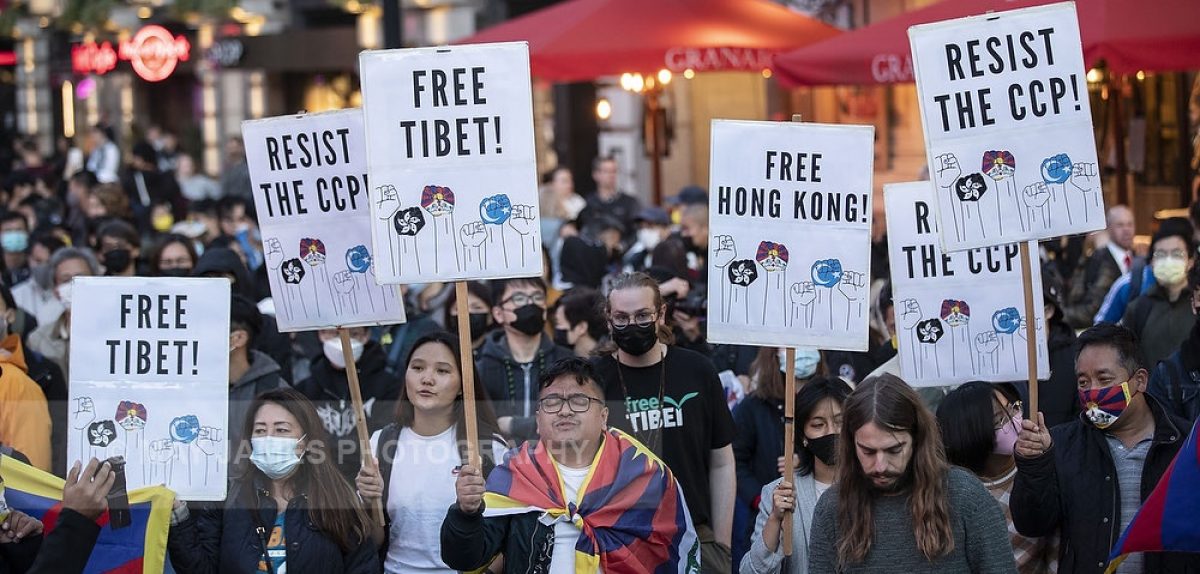
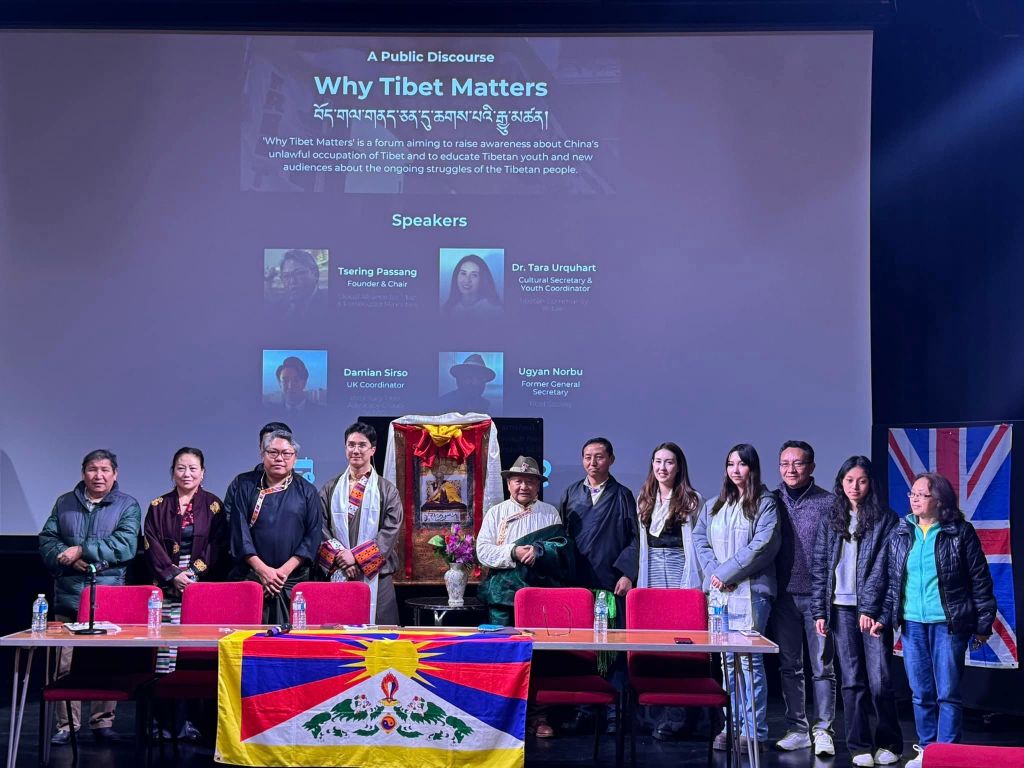
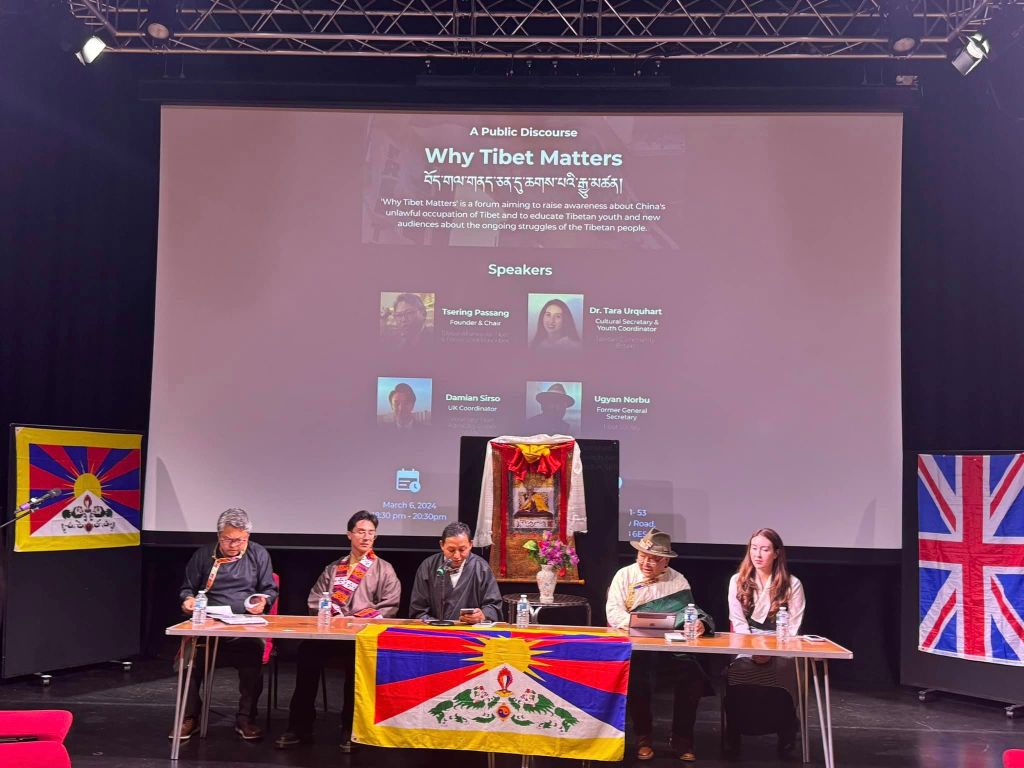





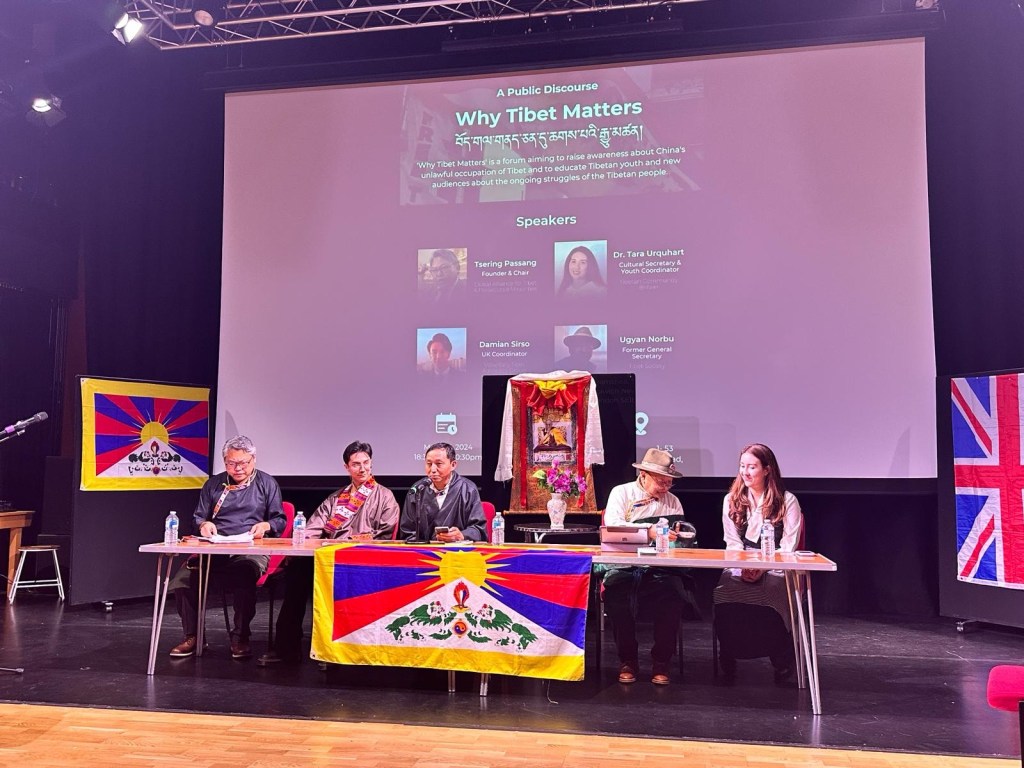
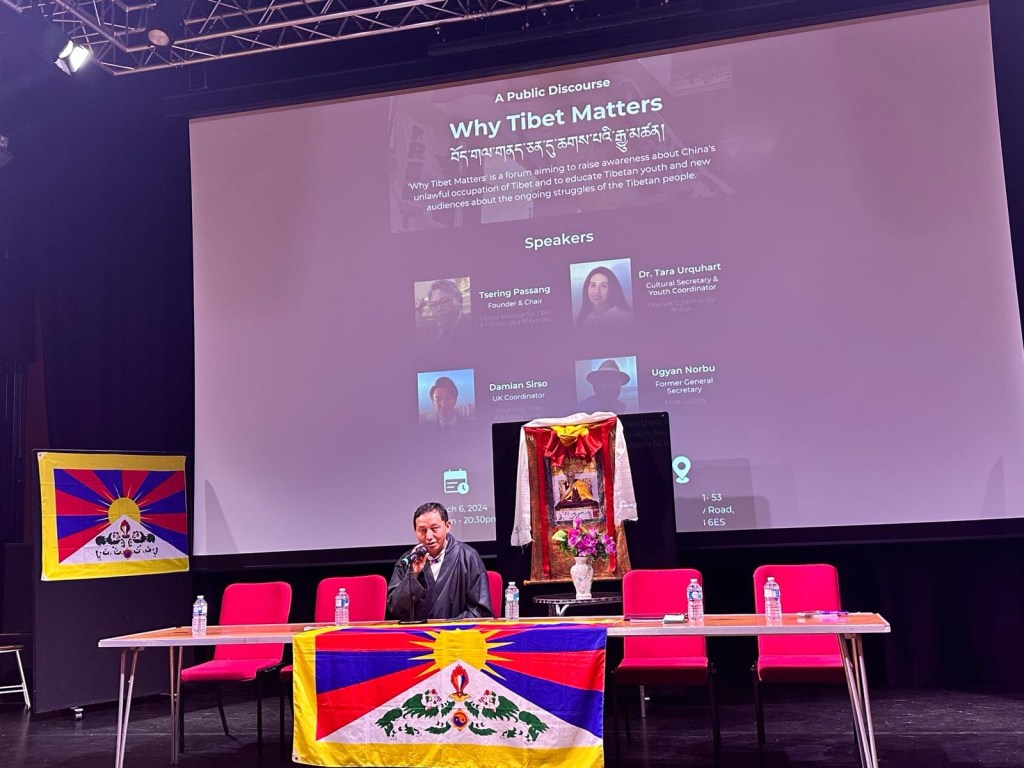


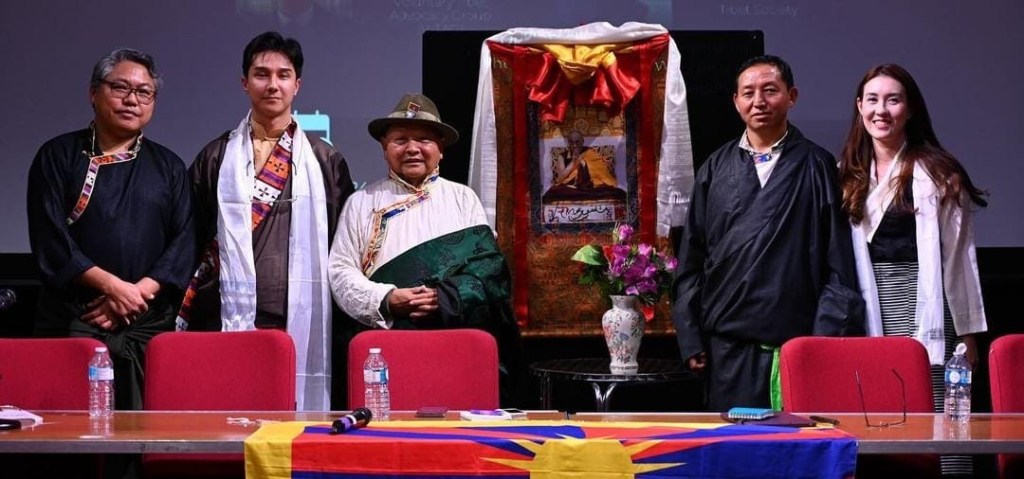
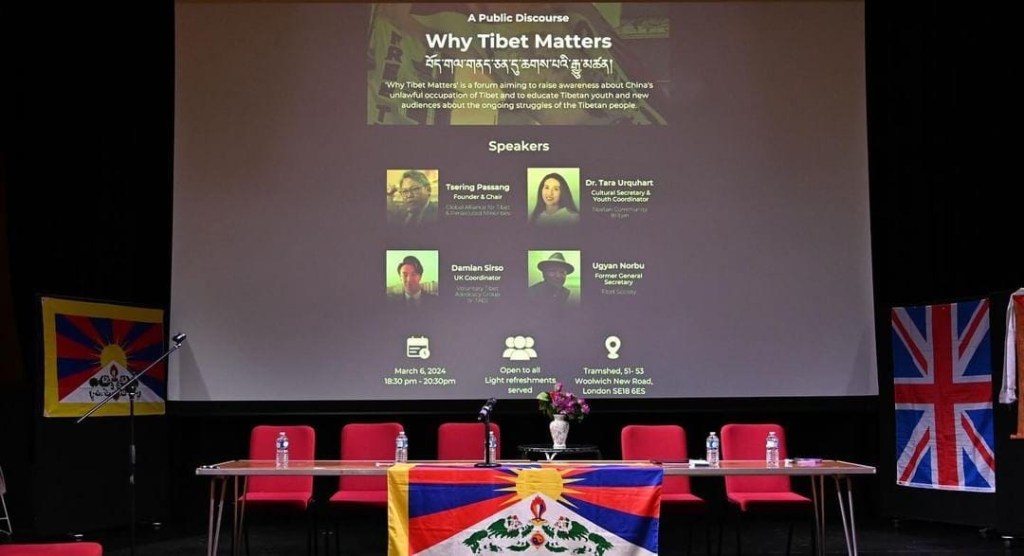
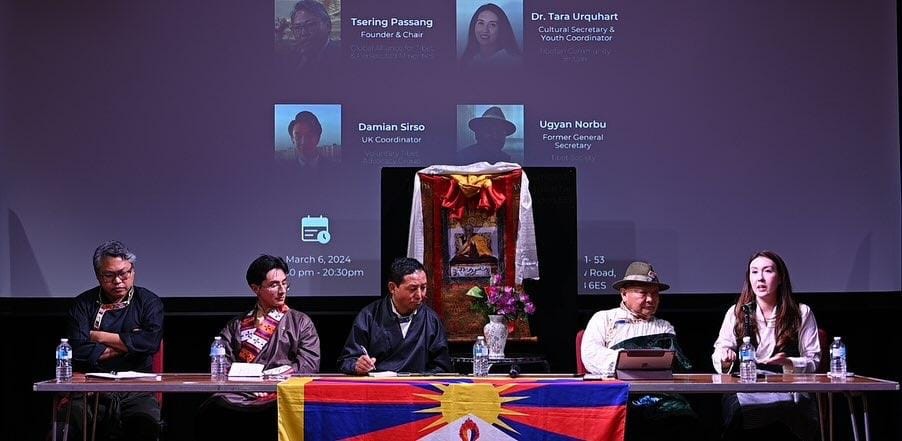
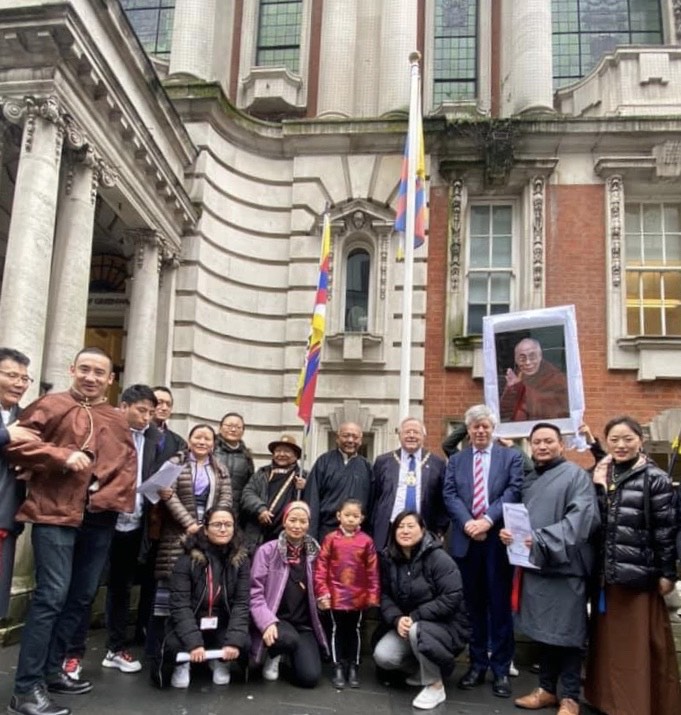
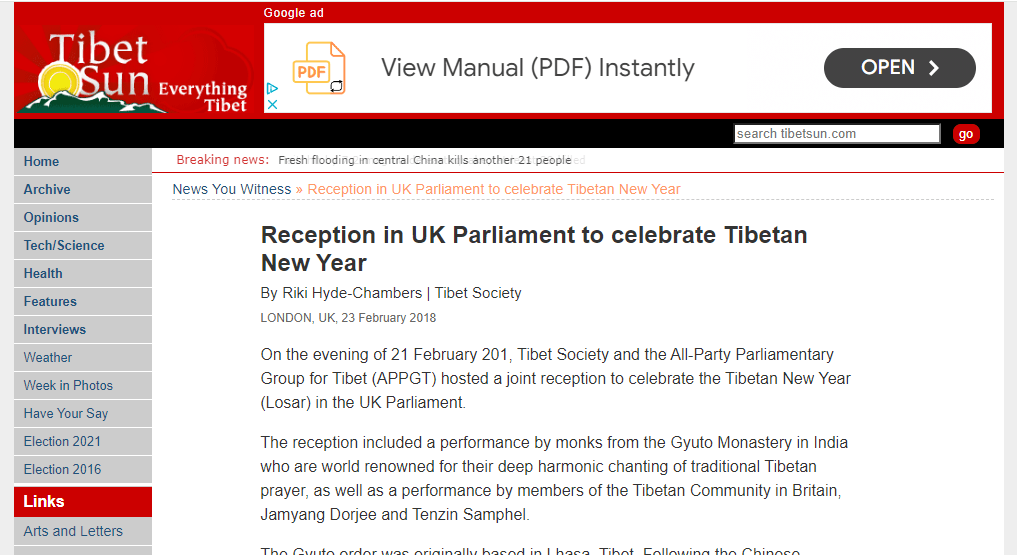



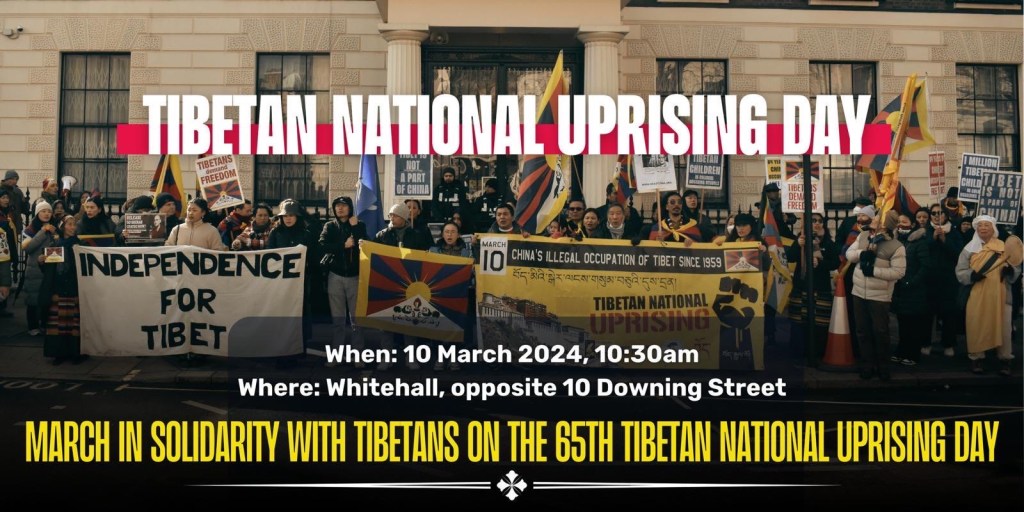
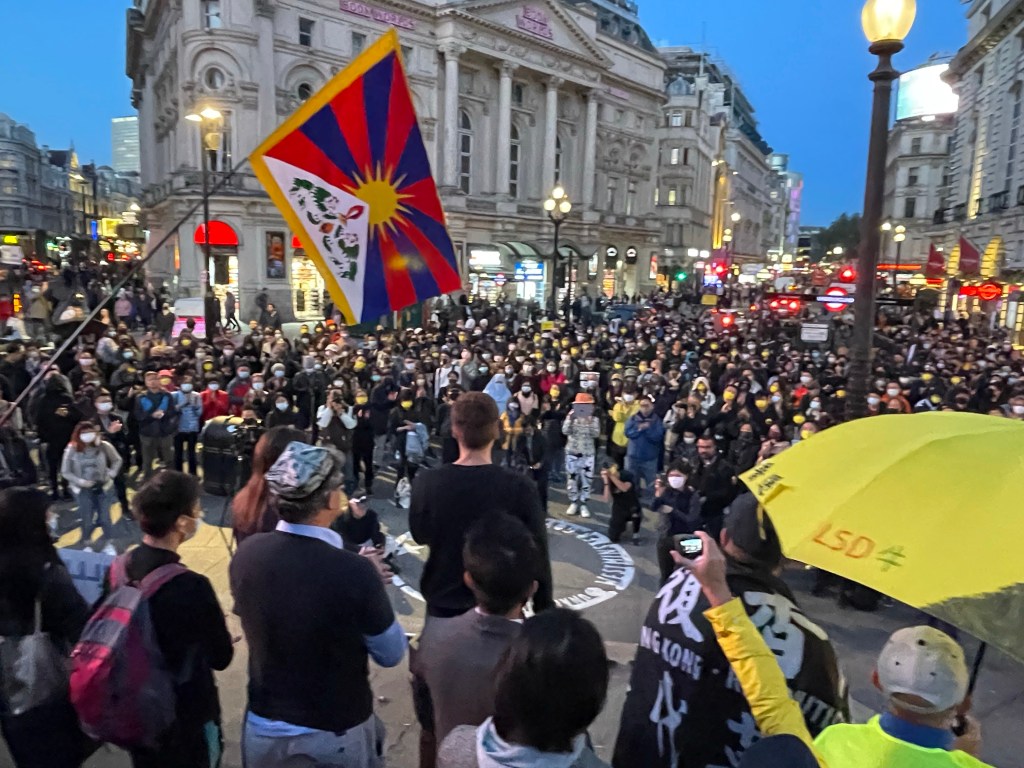

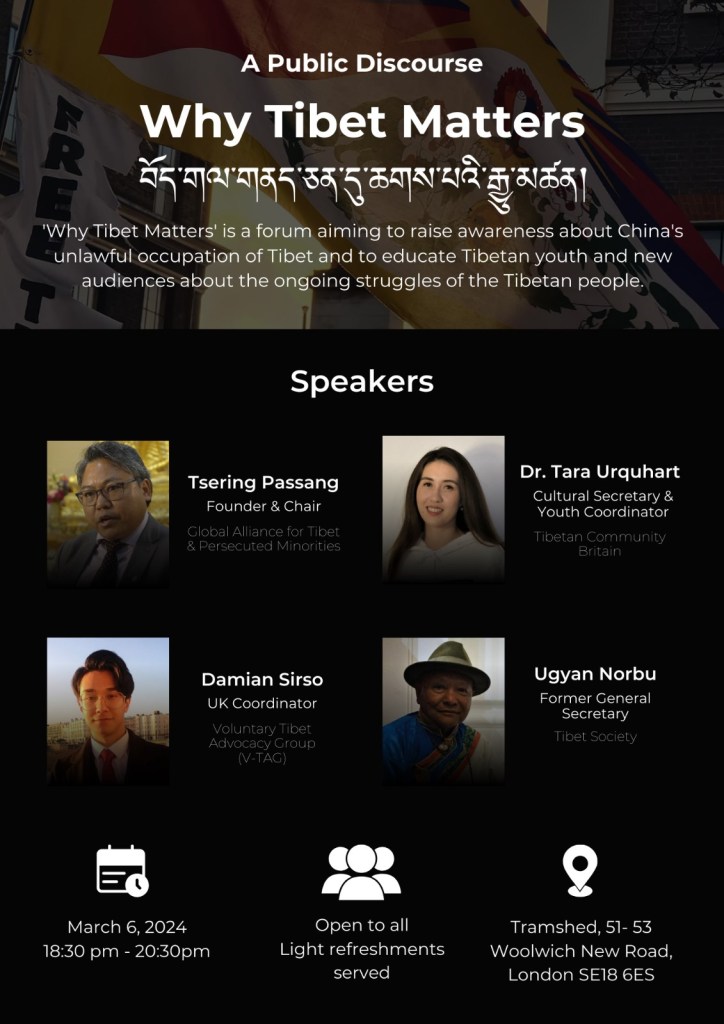




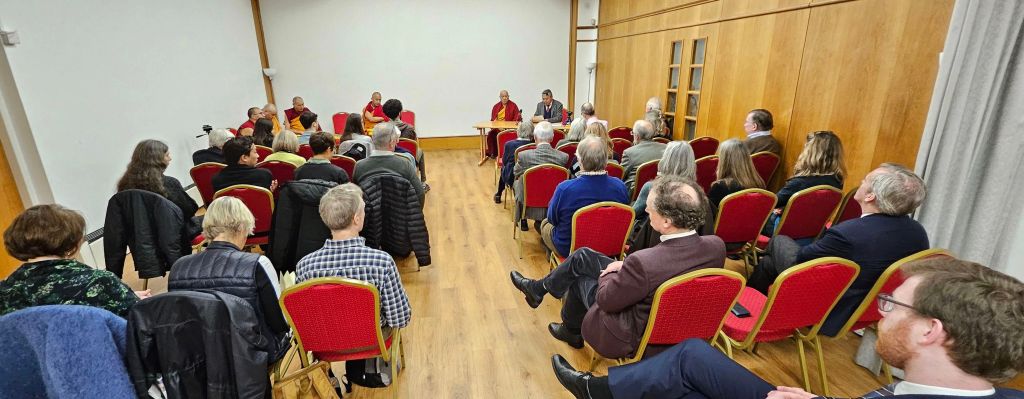
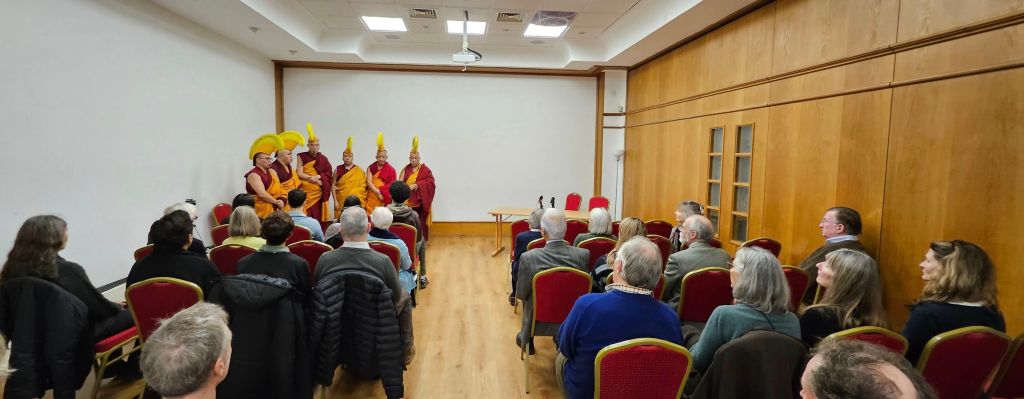
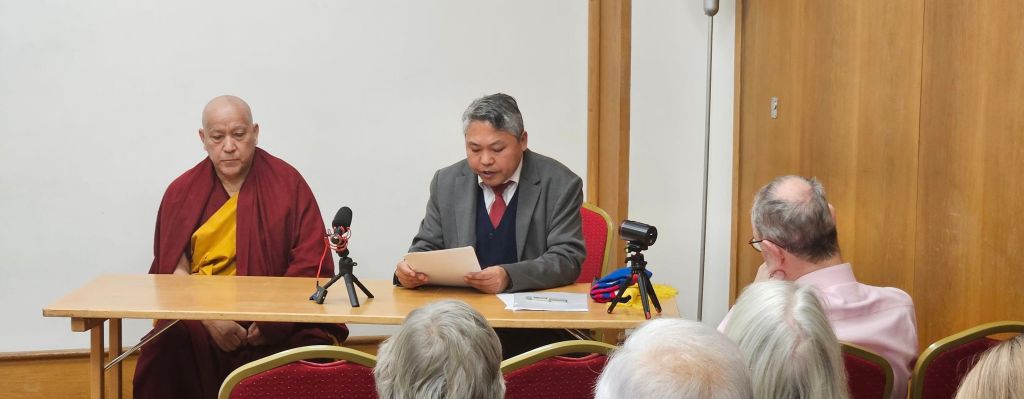

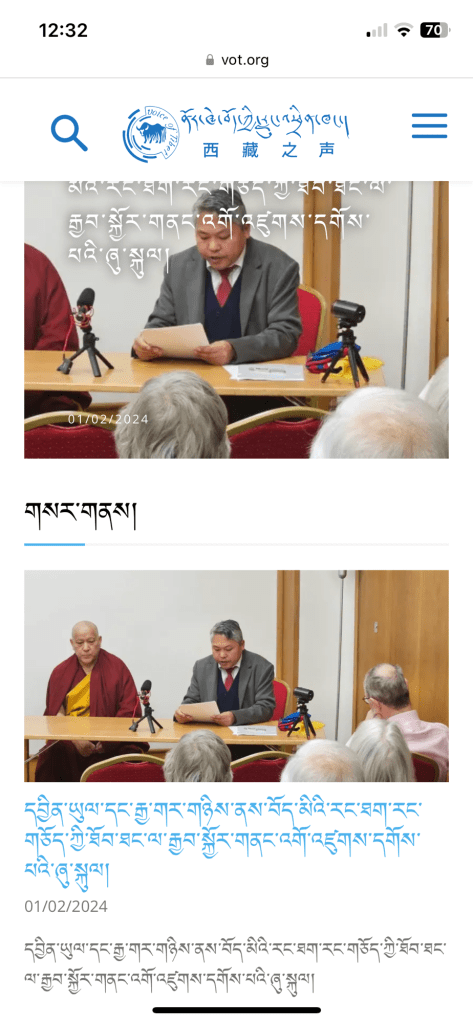






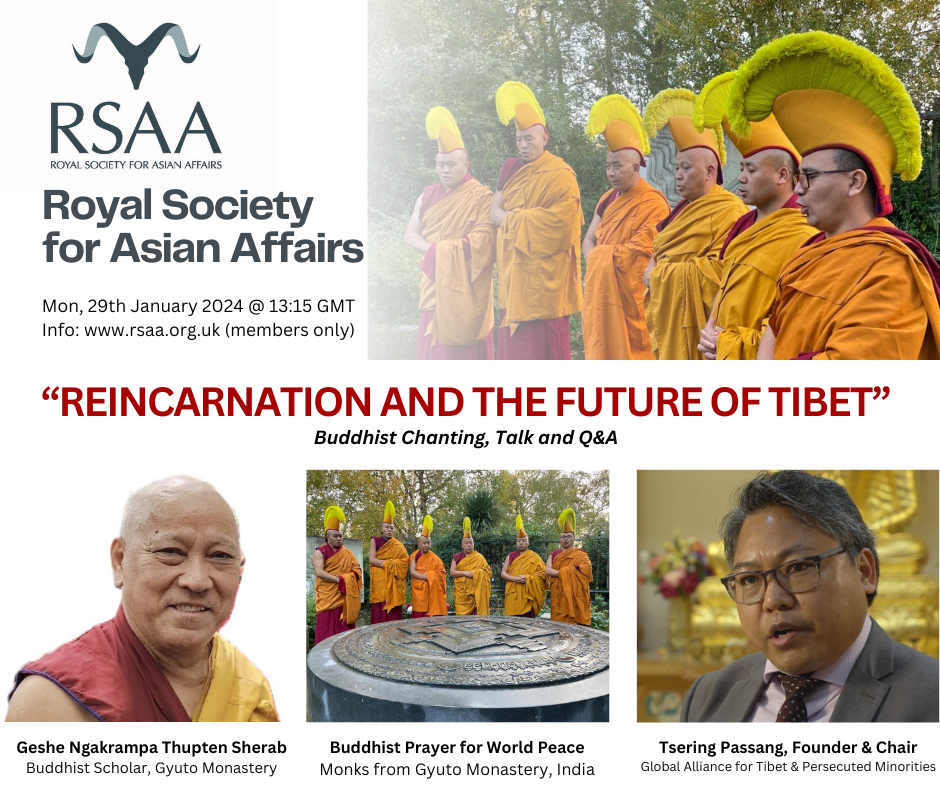

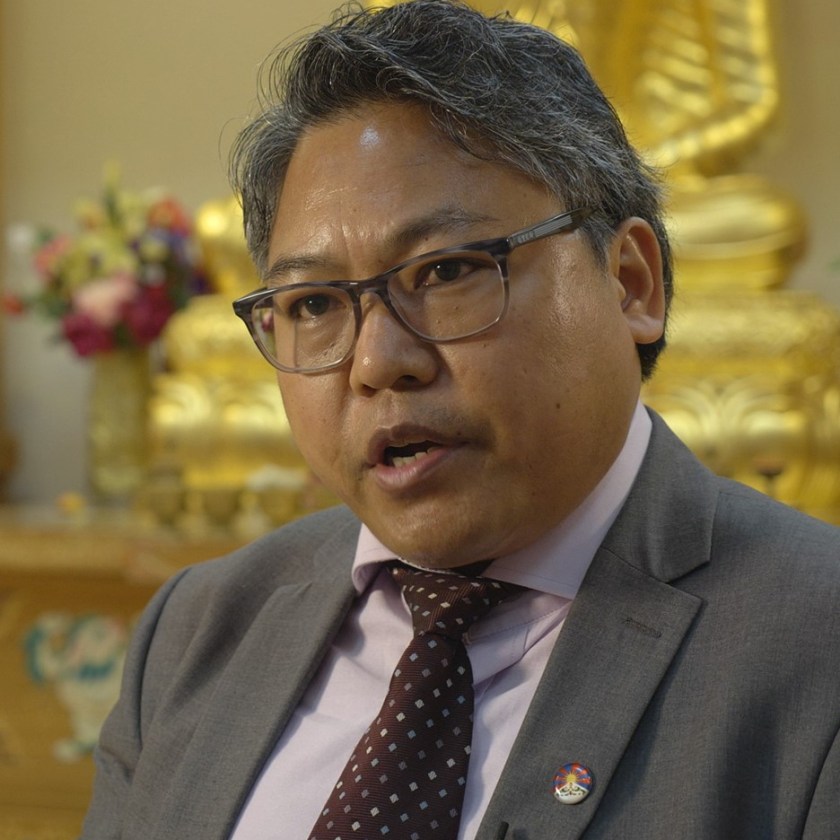

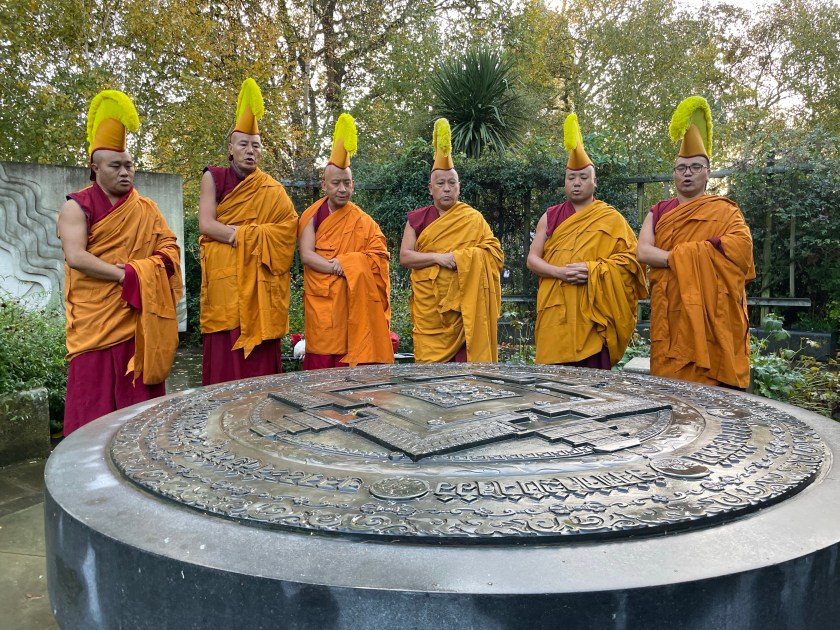
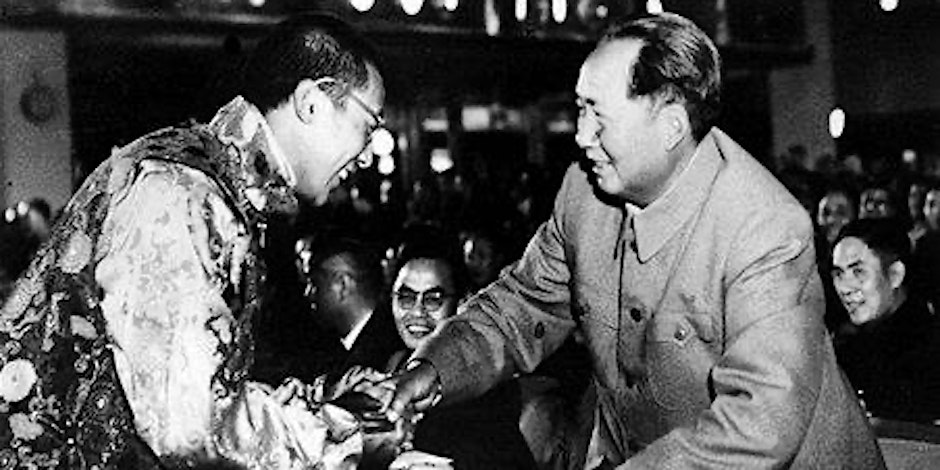


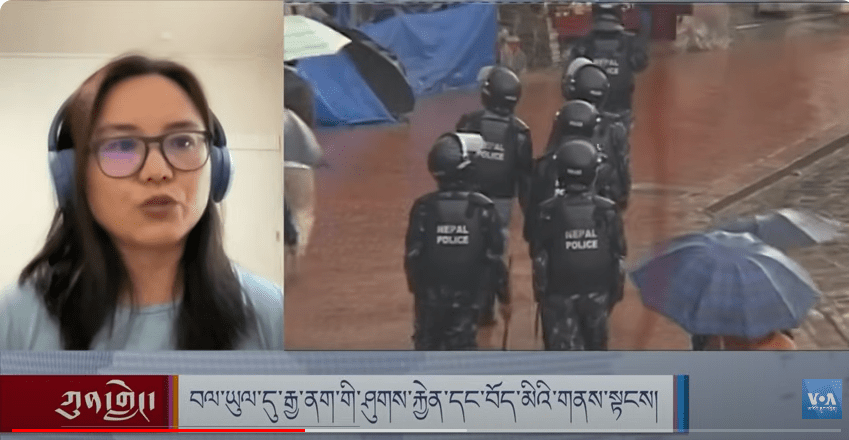


 Global Alliance for Tibet & Persecuted Minorities (GATPM)
You must be logged in to post a comment.