The growing influence of China on Western cultural institutions is a matter of profound concern, especially for those who cherish historical integrity and the preservation of cultural identities. In 2024, several prominent European museums, such as the Musée du quai Branly and Musée Guimet in Paris, adopted terms like “Xizang” or “Himalayan World” in place of Tibet, aligning their language with Beijing’s political agenda. This capitulation undermines Tibet’s rightful identity and sets a dangerous precedent for cultural institutions worldwide.
Recognising this troubling trend, I sought to raise awareness among a British audience, cautioning that it is only a matter of time before similar pressures extend to the UK. On 23rd September 2024, I submitted the letter below to the editor of a British newspaper. It followed my earlier article, The Influence of Beijing on Western Cultural Institutions: The Case of Tibet’s Renaming and Communist China’s Global Narrative Push, which the same publication had declined to print. My aim was to alert readers in the UK to the imminent threat of China’s narrative manipulation infiltrating the country’s cultural spaces. Unfortunately, the letter was not published either, leading me to share my concerns directly on my blog.
Coincidentally, just two days later, on 25th September, the British Museum opened its Silk Roads Exhibition, a showcase running until 23rd February 2025. Although I had no prior knowledge of this exhibition, its timing underscored the urgency of my warnings. When I visited the exhibition in November, I observed the usage of terms like “Tibet” alongside “Xizang Autonomous Region,” reflecting Beijing’s narratives. Such language choices have far-reaching geopolitical implications and misrepresent the region’s historical and cultural context.
The Global Alliance for Tibet & Persecuted Minorities, along with the Tibetan Community in Britain, has since made formal representations to the British Museum authorities. We hope that the UK’s premier cultural institutions will recognise the seriousness of this issue and respond to the concerns raised by Tibetan groups.
Below is the letter I submitted, encapsulating the urgency of protecting historical truth and resisting political coercion in our cultural institutions.
Letter to The Editor: Condemning China’s Influence on Cultural Institutions
(Submitted by Tsering Passang to a British paper on 23rd September 2024)
Recent actions by European museums, such as the Musée du quai Branly and Musée Guimet in Paris, are deeply concerning. Their decision to use “Xizang” instead of Tibet aligns with Beijing’s political agenda and signals China’s growing influence over Western cultural institutions. This capitulation to Chinese pressure undermines Tibet’s rightful identity and poses a serious threat to global historical integrity.
The term “Xizang,” aggressively promoted by China, reinforces Beijing’s false sovereignty claims over Tibet. Its adoption by respected museums is part of China’s broader campaign to control the narrative surrounding Tibet’s history, culture, and political status. Recently launched Xizang International Communication Centre further amplifies China’s propaganda efforts, aimed at reshaping global perceptions to suit its agenda.
By using “Xizang,” these institutions are complicit in erasing Tibet’s unique cultural and historical legacy, effectively endorsing China’s occupation. This raises urgent questions about how far Europe’s cultural institutions are willing to bend to political pressure. Such a dangerous precedent could easily spread to UK museums, further distorting historical truth. Notably, Great Britain and Tibet shared diplomatic ties long before the rise of Communist China, with London establishing trade missions in Tibet in 1904 and welcoming Tibetan students for education in the UK in 1913.
I strongly urge UK cultural institutions and stakeholders to resist China’s influence, protect historical accuracy, and uphold the values of independence and integrity. Allowing Beijing’s narrative to dominate would betray the cultural and historical truths these institutions are entrusted to preserve. Meanwhile, Tibetans in occupied Tibet continue to face repression, including denial of basic human rights such as freedom of religion and speech.
Tsering Passang Founder and Chair, Global Alliance for Tibet & Persecuted Minorities
The recent devastating earthquake in Tibet has seen the losses of over a hundred lives and left countless others injured or displaced.
Communities lie in ruin, and the scale of human suffering is immense. Our thoughts must be with the victims, their families, and the rescue workers who are saving lives in challenging conditions. This tragedy underscores the fragility of Tibet’s environment and the need for global solidarity in addressing both immediate and long-term challenges in the region.
As the Chancellor lands in Beijing, now is a good time to ask about the government’s policy on Tibet – constituting a moral obligation but also a strategic necessity.
This urgency has been underlined in both Houses of Parliament, when lawmakers from across the political spectrum called on the government to take robust action to counter China’s authoritarian aggression and uphold democratic principles. Tibet was rightly highlighted as a critical area where Britain’s moral leadership and strategic foresight must converge.
Tibet, often referred to as the ‘Roof of the World’, holds unparalleled geopolitical, environmental, and cultural significance. For centuries, it served as a critical buffer between the nuclear powers of China and India. Its annexation by China in 1950 destabilised the region, triggering direct territorial disputes with India and military confrontations, such as the 2020 Galwan Valley clash.
Beijing’s aggressive militarisation of Tibet, alongside extensive infrastructure projects such as highways, railways, and air bases, has enabled rapid troop deployment, tipping the strategic balance along its borders with India. These developments threaten regional stability and have broader implications across the globe.
Britain’s Indo-Pacific strategy must prioritise a free, open and rules-based order. Supporting Tibet’s autonomy aligns with this vision, strengthening ties with democratic allies such as India, while countering China’s expansionist ambitions. Restoring Tibet as a buffer state would reduce tensions and serve the cause of global peace and stability.
Often referred to as the ‘Third Pole’, Tibet’s environmental health is critical to the survival of Asia’s major rivers, including the Yangtze, Mekong, and Brahmaputra. Yet China’s relentless dam-building, mining, and deforestation have accelerated glacial melt and disrupted water flows, threatening billions across Asia.
Britain as a global climate leader must address Tibet’s ecological degradation and factor this into its climate agenda. International scrutiny of China’s unsustainable practices on the plateau would reinforce Britain’s commitment to environmental stewardship and long-term water and food security in one of the world’s most vulnerable regions.
Beijing’s policies in Tibet amount to what many experts classify as cultural genocide. Tibetan language, religion and identity are systematically targeted through forced assimilation policies. Reports indicate that over one million Tibetan children have been separated from their families and placed in colonial-style boarding schools designed to erase their cultural heritage. Religious freedoms remain severely curtailed, with monasteries under constant surveillance and the arbitrary arrest of monks and nuns commonplace.
The UK has a unique opportunity to lead by example, addressing Tibet’s crisis is not merely symbolic; it represents a commitment to democratic values, environmental sustainability, and regional stability – all core to Britain’s global interests.
As Members of the Houses of Lords and Commons, we believe Britain’s leadership on Tibet would not only strengthen our alliances with democratic partners, including the US and India, but also send a powerful message: that the UK stands resolutely for freedom, justice, and the preservation of our shared planet.
05/07/2024. London, United Kingdom. Rachel Reeves, Chancellor of the Exchequer poses for a photograph following her appointment to Cabinet by Prime Minister Sir Keir Starmer in 10 Downing Street. Picture by Lauren Hurley / No 10 Downing Street
On 7th January 2025, the Global Alliance for Tibet & Persecuted Minorities (GATPM) wrote to Chancellor Rachel Reeves ahead of her first official visit to China. In a letter signed by Tsering Passang, Chair of GATPM, the organisation called on the British Chancellor to adopt a principled and firm stance on the People’s Republic of China’s ongoing human rights abuses, religious persecutions, and violations of international law.
Passang emphasised that the UK must prioritise its core values of human dignity, national security, and global responsibility in its dealings with Beijing, avoiding compromises for short-term trade or investment incentives.
The Call for Accountability
The Chancellor’s visit, primarily focused on trade, investment, and global challenges like climate change, offers a critical opportunity to address China’s egregious human rights record and its systemic use of forced labour. Passang urged Reeves to centre these issues in her discussions, reflecting the UK’s commitment to ethical governance and human rights.
This letter follows the most recent parliamentary debate, the 19th December 2024 China Debate in the House of Lords, which coincided with the 40th anniversary of the Sino-British Joint Declaration on Hong Kong. Led by Lord Alton, the lawmakers argued that the UK must not trade its principles for economic gain, a sentiment echoed by GATPM in its demands for action.
GATPM’s Recommendations
The letter outlined specific requests to the Chancellor:
Targeted Sanctions
GATPM called for Magnitsky-style sanctions against Chinese officials and entities responsible for human rights abuses, including those targeting Tibetans, Uyghurs, Hongkongers, and pro-democracy activists.
Release of Political Prisoners
The organisation urged Reeves to advocate for the release of high-profile political prisoners such as:
Gedhun Choekyi Nyima, the 11th Panchen Lama, missing since 1995.
Ilham Tohti, a Uyghur scholar and human rights advocate.
Joshua Wong, a prominent Hong Kong democracy leader.
Ethical Trade and Security Policies
GATPM stressed the importance of aligning trade policies with ethical principles, incorporating robust human rights conditions, and reducing dependence on Beijing by strengthening partnerships with democracies.
Rejection of China’s “Super-Embassy” Proposal
The letter highlighted the democratic decision of Tower Hamlets Council to reject China’s proposed “super-embassy” at Royal Mint Court and urged the Labour Government to respect this decision as a stand against authoritarianism.
In closing, GATPM included its policy proposal, Strategic and Security Implications for the UK in the Indo-Pacific Region – A Policy Proposal on Tibet, previously submitted to Foreign Secretary Rt Hon David Lammy MP in December 2024. This document provides a roadmap for addressing China’s growing influence while safeguarding human rights and international law.
Upholding Values Amidst Challenges
The letter underscores GATPM’s belief that prioritising human rights and ethical governance is essential not only for moral reasons but also for ensuring long-term global stability.
As Chancellor Reeves prepares for her maiden visit to China, GATPM’s plea serves as a poignant reminder of the UK’s responsibility to lead by example, championing justice and the protection of persecuted communities in the face of China’s authoritarian regime.
Tibetans and Tibet groups worldwide have released a joint press statement (see below) in response to the devastating 7.1 magnitude earthquake that struck Tibet, claiming at least 126 lives and injuring over 188. The Global Alliance for Tibet & Persecuted Minorities (GATPM) mourns this tragic loss of life and pays tribute to the rescuers, including individual Tibetans across the Tibetan plateau, who have shown unwavering support and solidarity with the victims.
In the Tibetan diaspora, urgent prayer meetings were held in local communities, including in London, accompanied by heartfelt messages from religious and political leaders. GATPM commends the continued use of the rightful name “Tibet” by international media outlets, in defiance of the Chinese Government’s propaganda campaign promoting the term “Xizang.”
At this difficult time, Tibetans need the world’s support and solidarity. Despite this natural calamity, Tibetans remain resilient and steadfast in their resistance against Communist China’s illegal occupation of Tibet — a regime responsible for the deaths of over a million Tibetans, including children, women, and Buddhist monks and nuns.
Tibet Quake Victims Need Help, Not Harm
Tibetans and Tibet organisations around the world are deeply saddened by the devastating earthquake [1] that struck Chinese-occupied Tibet on 7 January 2025 [2].
At this critical moment, the safety and welfare of those affected by the earthquake must be given full priority. To this end, we call on world governments to provide support and oversight to all of China’s disaster relief efforts in order to ensure impacted Tibetan communities receive the required aid and assistance. They must also ensure the Chinese government does not use its earthquake response as a pretext to further its colonial policies in Tibet as it did following the 2010 earthquake in Jyekundo སྐྱེ་དགུ་མདོ། in Yushul ཡུས་ཤུལ། in the eastern Tibetan province of Kham ཁམས། [3]. They should also impress upon Beijing that it must not punish Tibetans who share information or attempt to contact family and friends about the impact of the earthquake or its response.
We further call on the international community – especially governments and media organisations – to use Tibetan place names in any statements or reporting, both as a matter of historical accuracy and respect for the cultural identity of the Tibetan people. This includes, for example, using Shigatse instead of the Chinese name Xigaze, and Tibet instead of the Chinese name Xizang. The Chinese government is engaged in a campaign to literally erase the word Tibet from the map in an effort to reduce recognition of Tibet as an entity separate from China [4].
The earthquake has exacerbated the existing vulnerabilities of the Tibetan people, who have suffered for more than seven decades under China’s violent occupation of their nation. Tibet advocacy groups worldwide will continue to do everything in our power to fight for the fundamental rights and dignity of the Tibetan people and for the restoration of freedom in Tibet.
Notes To Editor:
The epicentre was recorded in Tibet’s Tsogo མཚོ་སྒོ། township (Chinese: 措果 Cuoguo) in Dingri དིང་རི། county (Chinese: 定日 Ding ri) in Shigatse གཞིས་ཀ་རྩེ། prefecture (Chinese: 日喀则 Rikaze). Chinese state media says at least 126 people have died, more than 188 have been injured, and about 1,000 houses were damaged in the quake https://www.theguardian.com/world/2025/jan/07/tibet-earthquake-holy-city-of-shigatse-nepal-magnitude-quake
For further context, Shigatse is also home to Tashi Lhunpo Monastery, the seat of the Panchen Lama, Gedhun Choekyi Nyima, who was kidnapped by China in 1995 at the age of 6 years old. The Chinese government has since groomed and promoted a fake Panchen Lama in an effort to co-opt Tibetan Buddhism. The city is considered a holy city and holds immense religious significance to the Tibetan people.
Jyekundo སྐྱེ་དགུ་མདོ། is in Yushul ཡུས་ཤུལ། in the eastern Tibetan Province of Kham ཁམས། (Chinese: 玉树 Yushu Tibetan Autonomous Prefecture, 青海 Qinghai Province) See: China: Yushu Is a Tibetan Town Rebuilt in Beijing’s Image, Time, 14 April, 2015 https://time.com/3820739/yushu-jyekundo-earthquake-china-tibet/
His Holiness the Dalai Lama has commented on the earthquake, stating:“I am deeply saddened to learn of the devastating earthquake that struck Dingri in Tibet and the surrounding regions this morning. It has caused the tragic loss of many lives, numerous injuries, and extensive destruction to homes and property. I offer my prayers for those who have lost their lives and extend my wishes for a swift recovery to all who have been injured.” https://www.dalailama.com/news/his-holiness-the-dalai-lama-expresses-deep-sadness-over-the-earthquake-in-tibet
Nepal stands at a pivotal moment in its history, navigating the delicate balance between its geopolitical interests and its profound historical and cultural ties with Tibet. From centuries-old bonds forged through spiritual and cultural exchanges to contemporary challenges shaped by regional power dynamics, Nepal’s relationship with Tibet reflects a unique legacy of mutual respect and shared heritage.
As the birthplace of Lord Buddha and a land of deep spiritual significance, Nepal holds a special place in the hearts of millions of Tibetans, including His Holiness the Dalai Lama, a Nobel Peace Laureate and globally respected moral leader. However, China’s pressure to limit Nepal’s engagement with Tibetan refugees and deny visits from revered Tibetan figures raises critical questions about Nepal’s commitment to its constitutional principles of equality, freedom, and sovereignty.
This article explores Nepal’s role in safeguarding Tibetan heritage, the invaluable contributions of Tibetan refugees to Nepalese society, and the broader implications of its foreign policy decisions. By addressing these issues, Nepal has the opportunity to reaffirm its position as a beacon of peace, democracy, and cultural harmony in the Himalayan region.
Nepal’s Constitutional Commitments and Beliefs
The Federal Democratic Republic of Nepal’s constitution, born from the nation’s arduous journey toward democracy, enshrines principles of equality, freedom, and sovereignty. These values resonate deeply with Nepalese people, who have overcome decades of autocracy and political upheaval. It is vital that Nepal’s actions on the global stage reflect these democratic ideals, especially in matters concerning vulnerable groups such as Tibetan refugees.
If the proposed visit to Nepal by the China-backed Panchen Lama, Gyancain Norbu – a figure regarded by Tibetans in exile as a political instrument rather than a spiritual leader – proceeds, it underscores Kathmandu’s disregard for maintaining religious neutrality. While this decision may be justified as pragmatic given Nepal’s geopolitical realities, it also calls for deeper reflection on Nepal’s responsibilities towards its indigenous Buddhist community, Tibetan refugees, and the historical bonds that have long united the Tibetan and Nepali peoples.
Historical Bonds Between Tibet and Nepal
Nepal’s accession to the United Nations in 1955 was facilitated, in part, by its foreign treaty with Tibet, established long before China’s occupation of Tibet in 1950. This treaty underscored mutual recognition and cooperation, symbolising a profound connection between these Himalayan neighbours. The ties between Tibet and Nepal extend beyond political agreements, permeating cultural, spiritual, and economic domains.
Lumbini, the birthplace of Lord Buddha, is a site of immense spiritual significance for both Tibetans and Nepalese. Tibetan Buddhism has played a crucial role in preserving and promoting Nepal’s Buddhist heritage, fostering a shared cultural identity that transcends political boundaries. It is imperative that contemporary geopolitical considerations do not overshadow this historical and spiritual legacy.
Furthermore, Nepal must resist Beijing’s pressure to use the term “Xizang” in place of “Tibet.” Such language, dictated by China, erases the authentic historical relationship between the two nations and reflects Beijing’s political agenda rather than Nepal’s independent diplomatic stance. Honouring the term “Tibet” reaffirms Nepal’s acknowledgment of the cultural and historical bonds that transcend political impositions.
Nepal’s Geopolitical Balancing Act
Nepal’s geographic and strategic position places it at the heart of power dynamics between India and China. While Nepal’s growing ties with the Chinese Communist Party (CCP) might seem advantageous, they must be tempered with the understanding that Nepal’s sovereignty and democratic values are paramount. Historical ties with Tibet remind Nepal that its foreign policy should balance immediate gains with enduring relationships and ethical obligations.
The proposed visit of the Beijing-appointed Panchen Lama, presented as a religious engagement, is laden with political implications, underscoring China’s efforts to dominate Tibetan Buddhism. By permitting such a visit, Nepal risks being perceived as complicit in the Chinese Communist Party’s agenda to assert authority over Tibetan spirituality and culture. While the decision may seem pragmatic, it also highlights the pressing need to safeguard Tibetan heritage and identity.
Additionally, the stature of His Holiness the Dalai Lama must not be overlooked. As a champion of peace, interfaith dialogue, and non-violence, the Dalai Lama commands profound global respect. Nepal must resist China’s pressure to bar the Dalai Lama from visiting historical religious sites, ensuring that its policies reflect spiritual and cultural harmony rather than political expediency.
Contributions of Tibetan Refugees to Nepalese Society
Tibetan refugees in Nepal have enriched the nation’s social and economic fabric. Tibetan-run businesses, particularly in carpet weaving and artisanal crafts, have created jobs and positioned Nepal as a global leader in high-quality handmade carpets. Tibetan Buddhist institutions, meanwhile, have bolstered Nepal’s spiritual landscape, attracting pilgrims and tourists and fostering a synergy between economic and cultural growth.
In education, Tibetan schools have demonstrated resilience and excellence, benefiting both Tibetan and Nepalese students. Tibetan refugee communities exemplify self-reliance and community spirit, contributing significantly to Nepal’s development.
The Role of Civil Society and Academia
Nepal’s civil society, academia, human rights advocates, and journalists have championed democracy and freedom. These groups must now extend their solidarity to Tibetan refugees, advocating for policies that protect their rights and dignity. In a region where democratic values are under siege, Nepal has the opportunity to stand as a beacon of hope by fostering inclusivity and safeguarding minority rights.
Nepal’s own struggle for freedom and democracy should inspire solidarity with Tibetans, whose aspirations for dignity and autonomy mirror those of the Nepalese people. Supporting Tibetan refugees is not only an act of compassion but also a reaffirmation of Nepal’s democratic principles.
Moving Forward: A Call for Balanced Diplomacy
Nepal must navigate its relationships with powerful neighbours like China and India with historical continuity and moral clarity. While strategic partnerships are necessary, they must not overshadow Nepal’s enduring bonds with Tibet. The 7th-century union of Tibetan King Songtsen Gampo and Nepalese Princess Bhrikuti exemplifies the deep ties between the two peoples, symbolising harmony and collaboration.
Nepal’s policymakers should adopt a balanced approach that respects its historical ties with Tibet, protects the well-being of Tibetan refugees, and upholds Nepal’s sovereignty and neutrality. Civil society and non-state actors must also champion the rights of Tibetan refugees, recognising their contributions to Nepal’s diversity and prosperity.
Conclusion
Nepal stands at a crossroads. Its decisions will shape its international standing and legacy as a defender of human rights and democracy. By honouring its historical ties with Tibet and supporting Tibetan refugees, Nepal can reaffirm its commitment to the principles enshrined in its constitution.
Author Tsering Passang at the Kora La pass, Mustang, Near Nepal-Tibet border
As a Tibetan born in Nepal, I remain hopeful that the land which provided my family refuge will continue to uphold its legacy of compassion and justice. Together, Nepalese and Tibetan communities can build a future rooted in mutual respect, shared heritage, and a collective pursuit of peace and dignity.
Tsering Passang is the founder and chair of the UK-based Global Alliance for Tibet & Persecuted Minorities (GATPM).
The Global Alliance for Tibet & Persecuted Minorities (GATPM) strongly condemns the recent sanctions imposed by the People’s Republic of China (PRC) on human rights organisations and activists, including the Canada Tibet Committee (CTC)and the Uyghur Rights Advocacy Project (URAP). These unjust sanctions are yet another tactic by the Chinese Communist Party (CCP) to intimidate and silence defenders of truth, justice, and human rights.
Since its rise to power in 1949, the CCP under Mao Tsetung and his successors have relentlessly pursued policies of oppression, cultural erasure, and genocide. In Tibet, millions have suffered under decades of brutal occupation, with over a million lives lost to state violence, cultural destruction, and forced assimilation. The Tibetan language, spiritual traditions, and national identity have been systematically attacked, while historical narratives are being rewritten to eradicate Tibet’s independent history. Similarly, in East Turkestan (Xinjiang Uyghur Autonomous Region), the Uyghur people face unspeakable atrocities, including mass detentions, forced labour, and what the world increasingly recognises as an ongoing genocide.
The PRC’s recent sanctions on CTC and URAP expose the regime’s intolerance of legitimate international advocacy. The Canada Tibet Committee, a voice for peaceful and democratic engagement in line with His Holiness the Dalai Lama’s Middle Way Approach, and URAP, a leading force in safeguarding Uyghur refugees and combating forced labour, represent the moral conscience of humanity. Their work threatens no nation, but rather calls for accountability, dignity, and respect for human rights.
China’s sanctioning of these organisations is also a veiled threat to democratic societies. The PRC’s actions seek to sow fear among activists and organisations worldwide while simultaneously pressuring cultural and academic institutions to adopt narratives like “Xizang” in place of “Tibet,” aiming to erase Tibetan identity altogether. Such tactics are part of a long-term strategy to undermine global solidarity with Tibetans, Uyghurs, and other persecuted minorities under CCP rule.
We call on the Canadian government, and democratic nations worldwide, to stand resolutely against these acts of transnational repression. Governments must protect human rights defenders within their jurisdictions and ensure they can continue their vital work without fear of retaliation.
Moreover, GATPM urges the global community to remain vigilant and resist the PRC’s efforts to coerce Western institutions into complicity with its agenda of cultural annihilation. The names Tibet and East Turkestan are not mere geographical designations but symbols of resilience, history, and identity.
This latest attempt to stifle truth and rewrite history only strengthens our resolve. GATPM stands in unwavering solidarity with our partners and allies – the Canada Tibet Committee, the Uyghur Rights Advocacy Project, and countless others – committed to justice and freedom.
To the CCP: Your sanctions do not intimidate us. They galvanise us. The voices of Tibetans, Uyghurs, and all persecuted communities will not be silenced. Truth, justice, and humanity will prevail.
Your unwavering support has enabled us to achieve significant milestones in 2024, advancing our mission to advocate for justice and freedom for Tibetans and other persecuted communities worldwide. This year’s highlights include:
Collaborating with the American Bar Association (ABA), which in August passed a historic resolution on Tibet, recognising the need to address human rights abuses and promote justice for the Tibetan people as per the UN resolutions. This milestone was achieved through our sustained advocacy and strategic efforts over the past two years.
Opposing the construction of China’s “super-embassy” in London, a development that threatens local democracy and signals Beijing’s growing interference.
Advocating for Tibetan refugees in Nepal, underscoring their urgent need for protection and international support.
Engaging with policymakers in the UK to push for a comprehensive audit of China’s human rights abuses, while amplifying the voices of persecuted communities, including Tibetans, Uyghurs, Mongolians, and Hongkongers.
Continuing our efforts to combat the Uyghur genocide, support Taiwan’s democracy, and uphold freedom and justice for all persecuted minorities.
These accomplishments are a testament to the collective strength of our supporters and partners. Your commitment has been pivotal in ensuring these critical issues remain on the global agenda.
As we look forward to 2025, your continued support will be vital to sustaining our efforts and achieving greater impact. Together, we can bring about meaningful change for those who are denied justice and freedom.
Thank you for standing with us in this journey. May this festive season fill your homes with peace, love, hope, and joy.
Warm regards,
Tsering Passang Founder & Chair Global Alliance for Tibet & Persecuted Minorities (GATPM)
The final debate of 2024 in the House of Lords, led by Lord Alton of Liverpool (Crossbench), Chair of the Joint Committee on Human Rights and Vice-Chair of the All-Party Parliamentary Group (APPG) on Hong Kong, cast a critical spotlight on the UK Government’s policy on China. The discussion focused on urgent human rights abuses and escalating security threats posed by Beijing.
This pivotal debate coincided with the 40th anniversary of the Sino-British Joint Declaration, a landmark treaty guaranteeing Hong Kong’s freedoms, and came ahead of a high-level UK delegation to China in January 2025, led by Chancellor Rachel Reeves, as well as the Labour Government’s forthcoming UK-China Relations Audit.
Key Concerns Raised
The debate underscored a range of pressing issues:
Human Rights Abuses
The systematic dismantling of Hong Kong’s democratic freedoms.
Cultural erasure and repression in Tibet.
The ongoing genocide against Uyghurs in Xinjiang.
Security Threats
Military aggression towards Taiwan.
Expansive activities in the South China Sea.
Cyber and economic subversion targeting the UK.
Peers from across the political spectrum urged the Government to adopt decisive measures to protect British interests and values. Recommendations included safeguarding critical infrastructure, addressing forced labour in global supply chains, and reducing economic dependency on China.
Government Response
Responding on behalf of the Government, Baroness Chapman of Darlington, Parliamentary Under-Secretary of State at the Foreign, Commonwealth and Development Office, reaffirmed the UK’s commitment to balancing pragmatic cooperation with China on global issues, such as climate change, with a firm stance on security and human rights. She emphasised that recalibrating UK-China relations requires a strategic, principled, and clear-eyed approach.
The Moral Imperative
Among the powerful contributions, Lord Callanan (Conservative) delivered a sobering reminder of the moral stakes involved:
“The Chinese Communist Party’s decades-long campaign to erase Tibetan culture, religion, and identity is a stain on the conscience of the international community. Let us not forget that Tibet was once an independent nation, yet it has been absorbed into China, and its people face slow but deliberate eradication.
I had the honour of meeting His Holiness the Dalai Lama in Dharamsala. While I do not share his religion, his unwavering advocacy for non-violence in the face of immense suffering is deeply inspiring. The world must not remain silent as Tibetans endure cultural genocide.”
Other notable contributors included:
Baroness D’Souza (Crossbench), Director of human rights organisation Article 19.
Baroness Smith of Newnham (Liberal Democrat), former lecturer in international relations at the University of Cambridge.
A Call to Action
Tsering Passang, Chair of the Global Alliance for Tibet & Persecuted Minorities (GATPM), praised the debate as a critical step in addressing the UK-China relationship:
“This timely debate in the House of Lords signals the UK’s unwavering commitment to upholding democratic values and human rights in the face of China’s oppressive policies. As the Government prepares for its high-level engagement with China, it is essential that principles of freedom and justice remain central to UK-China relations.
The voices raised by members in the House of Lords reflect the growing global demand for accountability and solidarity with oppressed communities, including Tibetans, Uyghurs, and Hongkongers.”
A Defining Moment
As the UK prepares for its engagement with China, this House of Lords debate serves as a clarion call for action rooted in democratic principles and international solidarity. It is an opportunity for the UK to reaffirm its commitment to justice, human rights, and security in an increasingly interconnected and fraught global landscape.
(Debated in the House of Lords on 19th December 2024)
Full Opening Speech by Lord Alton of Liverpool:
“My Lords, in opening this last debate of the year, which will focus on human rights and security issues arising from China’s actions in Hong Kong, Taiwan, Xinjiang, Tibet and the South China Sea, I begin by thanking everyone who will speak in the debate, along with the House of Lords Library for its excellent briefing note and the Inter-Parliamentary Alliance on China for its critical role and for its support and assistance. I declare interests as an officer of the all-party groups on Hong Kong, the Uighurs, and Freedom of Religion or Belief, and as a patron of Hong Kong Watch. I also note that today has symbolic significance, because on this day 40 years ago, the Sino-British treaty was signed by Margaret Thatcher and Zhao Ziyang.
China’s human rights violations and the growing security challenges posed by Beijing’s international posture are well documented and will raise profound questions during this debate about our principles, security and strategic resilience. In this week of all weeks, we have seen more evidence of the threats to our domestic security and institutions. Commenting on the activities of the 40,000 agents of the United Front Work Department, our Intelligence and Security Committee says that the UFWD has penetrated “every sector of the United Kingdom economy”.
MI5’s head, Ken McCallum, says infiltration is on an “epic scale”. It is extraordinary, then, in those circumstances for the Prime Minister to be pressing for closer ties with the Chinese Communist Party regime and to say that we should no longer describe it as a threat.
This may not be Maclean and Burgess, Philby and Blunt, but subversion of our state and its institutions involves manipulation and entrapment, influencing and cyberattacks, and intimidation, threats and transnational repression. Not long ago, the Foreign Secretary wanted this regime prosecuted for genocide.
In setting the scene for the debate today, let me begin in Hong Kong. In 2019, it was a privilege to be one of the international team which monitored the last fair and free election in a city that was once a bastion of freedom in Asia. Since 2020 and the enactment of the draconian national security law, it has seen every vestige of democracy dismantled.
The consequences are stark: over 1,200 political prisoners languish in jails, including prominent figures such as the British citizen, Jimmy Lai, with exiled legislators such as Nathan Law facing bounties placed on their heads simply for advocating democracy. Recent Human Rights Watch analysis has highlighted increasing transnational repression aimed at British national (overseas)—BNO—passport holders and their families and even at non-Hong Kong residents, threatening critics abroad with extradition. Recalling the attacks on protesters outside the Manchester consulate, which the Foreign Affairs Select Committee described as a “brazen violation of diplomatic norms”, we can see where this has taken us.
In a letter to the Security Minister, I recently requested a dedicated email address to be set up so that victims of CCP overseas intimidation could guarantee getting through to someone adequately trained in this very specialised crime. When the Minister comes to reply, can she say when a response might be forthcoming? Can she also say a word to those UK Hong Kongers still denied access to mandatory provident funds—an estimated £3 billion? What progress have the Government made in securing the release of this money, and what does she have to say about the role of HSBC and Standard Chartered? Did Minister West raise this matter when she recently visited Hong Kong, and, if so, what response did she receive?
Perhaps I may take the opportunity to say a word or two more about Jimmy Lai, although I know that the noble and learned Lord, Lord Garnier, and others will do so too. Mr Lai is currently on the stand, being asked spurious questions about his involvement with British nationals, including people he never met or even heard of. The United Nations Working Group on Arbitrary Detention found multiple violations of his freedom. For a British national who has never held a Chinese passport to be held in solitary confinement, with no consular access, to be denied access to the sacraments and to be dragged out to court to respond to an entirely fabricated narrative is simply outrageous. It certainly makes a mockery of the Sino-British joint declaration.
Does the Minister support the request by the British nationals cited during the proceedings on the case to be heard in the Hong Kong court? Will she place on record her view of the absurdity of this show trial, as well as the spurious charade of dragging foreign legislators into it? Will she also roundly condemn the recent jailing of 45 Hong Kong pro-democracy leaders, including Joshua Wong and Benny Tai, who were sentenced to years in jail for so-called subversion? It is shocking.
I turn to the atrocities in Xinjiang and Tibet. In Tibet, the CCP continues its campaign of cultural erasure. There are systematic efforts to suppress the Tibetan language, dismantle monasteries and impose sinicisation policies. The Dalai Lama remains exiled and religious freedoms are virtually non-existent. Freedom House has ranked Tibet among the least free regions in the world, highlighting the CCP’s use of surveillance, mass arrests and propaganda to suppress Tibetan identity. Tibet’s plight and world silence are mirrored by the persecution of China’s religious believers, such as the young woman Zhang Zhan, a journalist jailed in Wuhan for seeking the truth about the origins of Covid.
Let us note the atrocities against Falun Gong practitioners and the industrial-scale repression of Uighur Muslims in Xinjiang. Over 1 million of the latter have been detained in camps, subjected to forced labour, indoctrination and even sterilisation. The United Nations Human Rights Office has described potential crimes against humanity, while the House of Commons, with 11 other global Parliaments and the United States Government, called it by its proper name—genocide. By virtue of the CCP’s intentional aim to prevent the births of Uighurs through forced sterilisation, it certainly meets the criteria set out in the 1948 genocide convention.
Canada has just sanctioned Chen Quanguo and Tuniyaz Erkin, two key officials responsible for Xinjiang atrocities. The UK failed to do so in 2021. Will we do so now?
What about Uighur forced labour embedded in global supply chains? The House will have seen reports on this in the Financial Times and on BBC’s “Panorama”. I have been raising this during the proceedings on the energy Bill and will have more say about it in due course. I name again Canadian Solar, a huge beneficiary, and ask: how precisely do the Government intend to root out slavery in the renewables industry? Will the Minister take this opportunity to reiterate the Business Secretary’s clear statement that he absolutely expects there to be “no slavery in any part of the supply chain”?
How will that commitment be honoured? What will we do to prioritise supply chain resilience by diversifying imports and supporting domestic industries?
In the light of breaches of the Modern Slavery Act 2015 and the Proceeds of Crime Act, I am glad that the Joint Committee on Human Rights will make this the subject of an in-depth inquiry in the new year. To help that inquiry, will the Minister ask for an audit of dependency on authoritarian regimes across UK critical infrastructure? Can she update the House on whether Project Defend, which was supposed to build UK resilience, has been entirely dropped? With a trade deficit of over £23.7 billion with China, and British workers losing their jobs in the car industry—undercut by slave labour—this immoral trade is also a threat to our economy and security, undercutting resilience and deepening dependency, points often made by the noble Lords, Lord Blencathra and Lord Purvis, from whom we will hear later.
That leads me to Taiwan and the South China Sea. In May, with my noble friend Lady D’Souza and the noble Lord, Lord Rogan, I attended the inauguration of President Lai in the vibrant democracy of Taiwan, home to 23 million free people. Taiwan’s Ministry of Defense reported over 1,700 military incursions into its airspace in 2023 alone, a 40% increase from the previous year. Meanwhile, as noted in Jane’s Defence Weekly, Beijing continues to hold large-scale military drills around the island.
A conflict over Taiwan would be catastrophic, with consequences extending far beyond the region. A recent Bloomberg report estimated that a war over Taiwan could shave $10 trillion from the global economy. That is five times worse even than the impact that the horrific war in Ukraine has had. As Taiwan produces over 60% of the world’s semiconductors and 90% of advanced chips, the disruption to supply chains would be unparalleled. Of course, without these chips, nothing works. Our critical infrastructure depends on them and the devices in our pockets cannot run without them. Have the Government assessed the UK’s economic exposure to various scenarios in the Taiwan Strait, and will that be part of the China audit?
Our headaches in the South China Sea do not end there. With China’s militarisation of artificial islands in defiance of the 2016 ruling by the Permanent Court of Arbitration, undermining international maritime law, we must recognise these changed circumstances, deepen military and economic ties with Taiwan, expand freedom of navigation operations and further bolster alliances with like-minded partners in the Indo-Pacific, including Japan, Australia and ASEAN nations. AUKUS is of course a promising step in this direction, but we must commit further resources and political will. We should support Taiwan’s accession to the CPTPP.
We must also be far more aware of China’s military heft. Note the support that China has given to Russia’s invasion of Ukraine. It has provided Moscow with dual-use technology, expanded trade in sanctioned goods and offered diplomatic cover in multilateral forums. President Zelensky’s own adviser says that China provides over 60% of the components used to prosecute Putin’s illegal war—and that is without the supply of weaponised drones, in violation of sanctions.
A deadly quartet now led by China poses a direct challenge to the rules-based international order. As the European Council on Foreign Relations notes, the Sino-Russian alignment extends beyond Ukraine; it is aiming to reshape global norms in its favour. Russia’s war is China’s war. The CCP knows that depleted war chests make it harder to deter escalation over Taiwan. Meanwhile, China is engaged in what the former Foreign Secretary called the “biggest military build-up in … history”.
I have sent the noble Baroness the Minister, the noble Lord, Lord Coaker, and Sir Julian Lewis MP a disturbing report given to me alleging an illicit bio-weapons programme, along with a separate report on imagination technologies and China reform, which has deep connections to China’s military-industrial complex and national security establishment. I hope the noble Baroness will promise a full written reply in due course. What is clear enough is that this is a hostile state. It is ludicrous and worse to try to justify deepening business links, pouring public and private money into China’s coffers, while it is making possible an illegal war in Europe.
There is also of course an enemy within. Chinese companies dominate critical infrastructure sectors, from energy to technology—I know we will hear from the noble Lord, Lord Fox, on this—including the millions of China-made surveillance cameras right across Britain. RUSI speculates that over 80% of foreign direct investment into the UK from China comes from Chinese state-owned enterprises: heavily subsidised companies operating under the direction of a one-party state.
Universities, too, are entangled in partnerships with Chinese institutions linked to the People’s Liberation Army. Note the examples in the 2023 Civitas report, including work on artificial intelligence and quantum computing. Perhaps the Minister can tell us what we are doing to assist universities to become less reliant on CCP money—and what we did to challenge UCL, an illustrious university, when Professor Michelle Shipworth was removed from teaching a course on China, with the university saying that it conflicted with its “commercial interests”. Professor Shipworth had highlighted data from the Global Slavery Index which suggested that China had the second-highest prevalence of modern slavery in the world.
Such examples, and this debate, underline what the International Relations and Defence Committee of this House said was the need for a coherent strategy, filling what was referred to as “a strategic void”. How will the China audit attempt to fill that void, and how will it connect to the strategic defence review by the noble Lord, Lord Robertson?
To conclude, a coherent strategy would face the multifaceted challenges posed by China, strengthening our alliances, protecting national security, reducing economic dependencies and exposing authoritarian collaboration. We ought not to be persuaded by those who seek to talk down Britain by making out that we have no international clout. Capitulating now will cause greater pain later. By aligning our policies with our principles, we can safeguard our security, support those who suffer under oppression and lead by example in defending democracy on the global stage. I beg to move.”
The British Museum is facing mounting pressure to amend its Silk Roads exhibition amidst accusations of misrepresenting Tibetan heritage and legitimising the Chinese government’s narrative on Tibet. Tibetan community leaders and human rights advocates are demanding the removal of the term “Xizang Autonomous Region” from all exhibition materials, asserting that it undermines Tibet’s historical and cultural identity.
The controversy stems from the Museum’s use of the phrase “Tibet or Xizang Autonomous Region” in labels and catalogue materials describing Tibetan artefacts. This terminology ignores the ongoing struggle for Tibetan autonomy and reinforces China’s political agenda.
“The British Museum’s adoption of ‘Xizang Autonomous Region’ is not only inaccurate but deeply offensive to Tibetans,” said Tsering Passang, Founder and Chairman of the Global Alliance for Tibet & Persecuted Minorities (GATPM). “It mirrors the Chinese Communist Party’s efforts to erase Tibet from the global map, rewrite its history, and suppress the Tibetan people’s peaceful culture.”
Museum Accused of Complicity in Cultural Erasure
The Silk Roads exhibition, which opened in September 2024, explores cultural exchanges across Asia and Europe between 500 and 1000 CE. However, the Museum’s labelling of Tibetan artefacts has sparked outrage within the Tibetan community. In a letter to the Museum’s Director, Dr. Nicholas Cullinan OBE, the Global Alliance for Tibet & Persecuted Minorities and the Tibetan Community in Britain argue that this terminology legitimises the Chinese government’s claim over Tibet and diminishes its historical sovereignty and cultural distinctiveness.
“This is not simply a matter of semantics,” said Phuntsok Norbu, Chairman of the Tibetan Community in Britain. “It’s about the Museum’s responsibility to present history accurately and ethically. By using ‘Xizang Autonomous Region,’ the Museum is complicit in the erasure of Tibetan identity.”
Demands for Immediate Action
After falling short of addressing the concerns and recommendations through discussion as requested in their first letter, the Tibetan groups are now demanding that the British Museum take immediate action to rectify the situation, including:
Remove the contested labelling: Eliminate all references to “Xizang Autonomous Region” and use “Tibet” exclusively in all exhibition materials.
Issue a formal apology: Publicly apologise to the Tibetan community for the misrepresentation of their heritage and the distress caused.
Engage in meaningful dialogue: Consult with Tibetan scholars and community representatives to ensure the accurate and respectful representation of Tibetan culture and history in future exhibitions.
A Global Pattern of Misrepresentation
The controversy surrounding the Silk Roads exhibition highlights a broader pattern of misrepresentation of Tibetan heritage in international institutions. Similar concerns have been raised about museums in France that have used terms like “Xizang” or “Himalayan World” in their exhibits, further diluting Tibetan identity.
“The British Museum has a moral obligation to stand up for truth and justice,” said Passang. “It must not allow itself to be used as a tool for Chinese propaganda. We urge the Museum to take immediate action to correct this injustice and ensure that Tibetan history and culture are presented with the respect and dignity they deserve.”
Museum’s Response Deemed Inadequate
The British Museum responded to the initial complaint by defending its use of “Tibet or Xizang Autonomous Region,” claiming it reflects the contemporary region. However, Tibetan advocates have rejected this explanation, arguing that it ignores the political implications of adopting terminology aligned with the Chinese Communist Party.
“This is not just about labels; it’s about the Museum’s role in shaping global understanding of a culture that is actively being suppressed,” said Norbu.
Call for Ethical Leadership
The Tibetan groups are calling on the British Museum to demonstrate leadership in presenting history and heritage with honesty and respect. “The Museum’s reputation as a guardian of world heritage depends on its willingness to confront uncomfortable truths and uphold ethical standards,” Passang emphasised.
We acknowledge receipt of Ms. Jane Portal’s response, dated 13th December 2024 and received via email on the morning of 17th December, addressing our concerns about the misrepresentation of Tibetan heritage in the Silk Roads exhibition. While we appreciate her effort in responding, her reply falls short of adequately addressing the substantive issues outlined in our original letter to you and the British Museum Board.
Ms. Portal asserts that the terminology “Tibet or Xizang Autonomous Region” refers to the contemporary region. However, this explanation disregards the broader political context. The Chinese government’s use of “Xizang” is widely recognised as a deliberate effort to erase Tibet from the global map and diminish its historical and cultural identity.
The United Kingdom Government has neither adopted nor endorsed this terminology, making its inclusion by the British Museum deeply troubling.
The Museum’s use of this nomenclature, particularly in the Silk Roads exhibition catalogue, inadvertently validates the Chinese government’s narrative. This undermines Tibet’s historical and cultural distinctiveness, which the British Museum, as a trusted guardian of world heritage, has a moral responsibility to protect.
While Ms. Portal highlights references to the “Tibetan Empire” and “Tibet” in the exhibition’s main narrative, these acknowledgments do not mitigate the harm caused by the problematic labels. Equating “Tibet” with “Xizang Autonomous Region” creates a false equivalence that obscures Tibet’s unique history and identity, further eroding trust with the Tibetan community.
The British Museum’s professed commitment to engaging with the Tibetan diaspora and scholars rings hollow when its actions contradict these assurances. Genuine engagement requires listening to and acting upon legitimate concerns, rather than deflecting them with vague statements of intent.
In light of the ongoing concerns, we reiterate and expand upon our original demands:
Immediate Removal: The term “Tibet or Xizang Autonomous Region” must be removed from all labels and exhibition materials. “Tibet” should be used exclusively to reflect the region and its historical context.
Formal Apology: The British Museum should issue a public apology to the Tibetan community for misrepresenting their heritage and for the distress caused.
Consultation and Collaboration: The Museum must initiate a meaningful consultation process with representatives of the Tibetan community and scholars to ensure accurate and respectful representation of Tibetan history and culture in future exhibitions.
The integrity of the British Museum, as a leading global institution, depends on its commitment to ethical representation. We urge you to take prompt and decisive action to address these concerns.
We look forward to receiving your response outlining the steps you will take to rectify this matter.
Sincerely,
Tsering Passang
Chairman, Global Alliance for Tibet & Persecuted Minorities
Cc: Phuntsok Norbu, Chairman, Tibetan Community in Britain
British Museum Letter – 25th November 2024
25th November 2024
The British Museum Authority
Dr. Nicholas Cullinan OBE,
Director, The British Museum Great Russell Street London, WC1B 3DG
Subject: Urgent Concerns Regarding Misrepresentation of Tibetan Heritage in the Silk Roads Exhibition
Dear Dr. Nicholas Cullinan,
We write to you as the Chairs of the Global Alliance for Tibet & Persecuted Minorities (GATPM) and the Tibetan Community in Britain to raise critical concerns regarding the representation of Tibetan heritage in the Silk Roads exhibition at the British Museum.
While the exhibition offers a valuable contribution to understanding cultural interconnectedness across Asia, we are deeply troubled by the use of the term “Xizang Autonomous Region” in reference to Tibet within the artefact labelling and related materials. This nomenclature, rooted in the Chinese government’s political agenda, misrepresents the historical and cultural reality of Tibet as a distinct and independent nation with its unique identity, language, and spiritual traditions.
Tibet’s distinctiveness is not merely a relic of the past – it is an enduring identity under severe threat. Today, Tibetans face the systematic erasure of their culture and autonomy, including:
Forcible assimilation of Tibetan children into boarding schools that separate them from their language and traditions.
Destruction of sacred sites and restrictions on religious practices.
Suppression of Tibetan language and literature, undermining their linguistic heritage.
As a globally respected cultural institution, the British Museum bears a profound responsibility to present history and heritage with integrity. By using the terminology – “Xizang Autonomous Region,” the Museum inadvertently legitimises the Chinese state narrative, which seeks to deny Tibet’s unique status and cultural richness.
This concern is not isolated to the British Museum. Other prominent institutions, such as the Musée du quai Branly and Musée Guimet in Paris, have similarly adopted terms like “Xizang” or “Himalayan World,” further diluting Tibetan identity and empowering Beijing’s political agenda.
The UK’s historical engagement with Tibet underscores the nation’s unique status. From early 20th-century trade missions to the Simla Convention of 1914 and the education of Tibetan students directly from Tibet in Britain, these interactions reflected recognition of Tibet’s sovereignty and cultural distinctiveness.
We strongly urge the British Museum to:
Reconsider the labelling of Tibetan artefacts in the exhibition and associated materials, ensuring the use of the term “Tibet” rather than politically motivated labels such as “Xizang Autonomous Region.”
Include historical and contextual information about Tibet’s current situation, highlighting ongoing human rights abuses and the suppression of Tibetan culture under Chinese rule.
Taking these steps would uphold the Museum’s commitment to impartiality and academic rigour while setting a global standard for the ethical representation of marginalised peoples and cultures. The Silk Roads exhibition is an opportunity to honour Tibet’s heritage and draw attention to the urgent need for its preservation. Persistent use of “Xizang Autonomous Region” instead of “Tibet” would distort historical accounts, endorse China’s colonial rule over Tibet, and marginalise Tibetan voices further.
We welcome the opportunity to discuss these concerns and recommendations with you at your earliest convenience.
Thank you for your attention to this important matter.
Sincerely,
Tsering Passang, Chairman, Global Alliance for Tibet & Persecuted Minorities
Phuntsok Norbu, Chairman, Tibetan Community in Britain
Honouring His Legacy on Human Rights Day with the Tibetan Peace Garden’s 25th Anniversary
As the world observes Human Rights Day, we celebrate the extraordinary life and legacy of His Holiness the 14th Dalai Lama, Tenzin Gyatso. For over six decades, the Dalai Lama has been a guiding light for peace, compassion, and justice. His leadership has defined the Tibetan freedom movement and transformed the Tibetan political system into a model of democratic governance.
This year also marks the 35th anniversary of His Holiness receiving the Nobel Peace Prize in 1989, recognising his steadfast commitment to non-violence and his “Middle Way” approach, which seeks genuine autonomy for Tibet within the framework of the People’s Republic of China. His unyielding belief in dialogue and mutual respect as paths to peace stands as a testament to his vision and resolve.
The Dalai Lama’s commitment to democracy is among his most profound contributions. Under his leadership, the Tibetan government-in-exile (now the Central Tibetan Administration) evolved into a democratic institution. In 2011, His Holiness made the historic decision to relinquish his political authority, transferring leadership to an elected Sikyong, or Tibetan Prime Minister. This bold move ensured that the Tibetan struggle for freedom would be sustained by democratic principles and the collective will of the Tibetan people.
His Holiness the Dalai Lama with former Kalon Tripa Prof. Samdhong Rinpoche and young Harvard legal scholar Dr. Lobsang Sangay during handover of political leadership in 2011 in Dharamsala, India
As he approaches his 90th birthday in 2025, His Holiness continues to inspire millions worldwide through his teachings on compassion, interdependence, and justice. His dedication to interfaith dialogue, environmental stewardship, and the preservation of Tibetan culture has earned him numerous accolades, including the US Congressional Gold Medal and the Templeton Prize. Yet, his humility and four enduring commitments – to promote human values, foster interfaith harmony, preserve Tibetan culture, and revive ancient Nalanda wisdom – remain at the heart of his work.
A Milestone Celebration at the Tibetan Peace Garden
Today, the 25th anniversary of the Tibetan Peace Garden is also marked with an interfaith service led by faith leaders, the Mayor of Southwark and the London-based Dalai Lama’s Representative, organised by the Lelung Dharma Trust. This garden, blessed by His Holiness during its inauguration in 1999, embodies his vision of unity and peace.
At the heart of the Tibetan Peace Garden stands a stone pillar engraved with the Dalai Lama’s timeless message:
“We human beings are passing through a crucial period in our development. Conflicts and mistrust have plagued the past century, which has brought immeasurable human suffering and environmental destruction. It is in the interests of all of us on this planet that we make a joint effort to turn the next century into an era of peace and harmony.
May this peace garden become a monument to the courage of the Tibetan people and their commitment to peace.
May it remain as a symbol to remind us that human survival depends on living in harmony and always choosing the path of non-violence in resolving our differences.”
This profound message resonates deeply today, reminding us of the urgent need for collective action to foster peace and harmony.
A Call to Action
On behalf of the Global Alliance for Tibet & Persecuted Minorities (GATPM), Tsering Passang expressed gratitude for the Dalai Lama’s extraordinary contributions:
“His Holiness the Dalai Lama’s life and work inspire us to build a better future – one grounded in compassion, dialogue, and justice. As we celebrate this special anniversary of the Tibetan Peace Garden, let us recommit to his vision of a world where peace prevails and human dignity is upheld for all.”
As we prepare to celebrate the Dalai Lama’s 90th birthday in 2025, his teachings continue to guide humanity. Let us honour his legacy by choosing the path of peace and harmony for generations to come.
Dear Friends and Supporters of Freedom, Human Rights, and Justice,
We need your urgent support to oppose a troubling development regarding the planning application for Royal Mint Court in London. The Chinese regime proposes to establish its largest embassy hub in Europe on this site – a “super-embassy” for Communist China.
This application, which was rejected by Tower Hamlets Council, representing the voice of the local community, has now been “called in” by the Planning Ministers for review. This reversal of local democracy follows direct intervention from China’s President Xi Jinping, who reportedly raised the issue with UK Prime Minister Sir Keir Starmer during a phone call in August 2024.
A Threat to Local Democracy and Fundamental Freedoms
China’s authoritarian attempt to pressure the UK’s highest elected leaders undermines the democratic decisions of locally elected representatives. This sets a dangerous precedent: importing China’s disregard for fundamental rights and governance into our democratic system.
In China, any order from the central government is executed without question. Now, this same authoritarian model threatens to erode local democracy here in the United Kingdom. Allowing this would send a chilling message – that even here, the will of the people can be silenced by foreign pressure.
We cannot allow this overreach to take root. The public inquiry scheduled to begin on 11th February 2025 offers us a crucial opportunity to demonstrate the strength of our opposition.
What You Need to Know
What is a “called-in” application?
A “called-in” planning application bypasses decisions made by the local council and transfers the matter to national authorities for review. In this case, the Planning Inspector and the Secretary of State for the Ministry of Housing, Communities and Local Government (MHCLG), The Rt. Hon. Angela Rayner, who also serves as the Deputy Prime Minister, will evaluate the application. They will consider public objections, input from stakeholders, and the broader implications of the proposal before making a final decision.
Why is this important?
The initial rejection by Tower Hamlets Council reflected overwhelming local opposition and serious concerns. This review reopens the case, and without sustained pressure, there is a real risk the Council’s decision could be overturned.
What You Can Do to Help
1. Submit Objections
Write to the Planning Inspectorate to voice your opposition. Your comments will be reviewed by the Planning Inspector and the Secretary of State. Key points to include:
The impact on the local community and residents.
Environmental concerns related to the proposal.
Breaches of planning guidelines and principles.
The dangerous precedent of foreign authoritarian interference.
2. Spread the Word
Encourage friends, family, and local organisations to submit objections. A collective voice demonstrates the strength of public resistance.
3. Contact Your MP
Urge your local MP to oppose this application and speak out in defense of democracy, local governance, and community rights.
4. Attend the Public Inquiry
The inquiry opens on 11th February 2025. A strong presence from the community will send a clear message to decision-makers: We stand united against this proposal.
Include the application reference number i.e. APP/E5900/V/24/3353754, your full name, and your contact information.
Deadlines for submissions 2nd December 2024.
Why This Matters
This is not just about a planning application. It is a battle to uphold our democratic values and ensure that local decisions cannot be overturned by foreign authoritarian influence. By taking action now, we can protect our community and send a powerful message: Democracy and local governance must not be undermined.
Thank you for your support and commitment to justice and freedom. Together, we can make a difference.
Warm regards,
Tsering Passang
Founder & Chair
Global Alliance for Tibet & Persecuted Minorities (GATPM)
The Global Alliance for Tibet & Persecuted Minorities (GATPM) is calling on the UK government to block controversial plans for a massive Chinese “super-embassy” near the Tower of London. Citing serious concerns over human rights, public safety, and community welfare, GATPM joins growing opposition to the project, centred on the Royal Mint Court site, which the Chinese government purchased in 2018 for £255 million.
A latest protest against the “super-embassy” is planned for Saturday, 30th November, at 2pm, at the site, led by local residents, human rights defenders, and community leaders. Join the protest outside The Royal Mint Court Site on Saturday, 30th November @2pm.
The Chinese government bought Royal Mint Court in 2018 for £255 million but has not yet secured planning permission. Photo: Alamy
Public Backlash and Safety Concerns
The proposed embassy, set to be the largest Chinese diplomatic mission in Europe, has drawn widespread criticism from local residents, Tower Hamlets Council, and counterterrorism officials. The Metropolitan Police’s counterterrorism unit has raised alarm over the location, warning it could become a flashpoint for large-scale demonstrations against China’s human rights abuses.
Jon Savell, a senior counterterrorism official with the Metropolitan Police, highlighted concerns about the inadequate space at the site to accommodate protests.
Demonstrations could disrupt nearby tourist hotspots, including the Tower of London, and obstruct vital routes, such as emergency access to the Royal London Hospital. Savell cautioned that such disruptions could have dire, life-threatening consequences and that managing protests would further burden overstretched police resources.
Human Rights at the Forefront
The planned embassy has become a symbol of Beijing’s oppressive policies, which include the ongoing genocide of Uyghurs, suppression of Tibetan culture, and erosion of freedoms in Hong Kong. Critics argue that allowing this “super-embassy” would embolden China’s authoritarian regime at home and abroad whilst further undermining human rights and free speech.
A troubling precedent occurred in 2022, when a pro-democracy protester was assaulted on the grounds of the Chinese consulate in Manchester. This incident underlines the potential risks posed by embassies tied to regimes that disregard international norms.
“The proposed site is not just a planning issue; it symbolises China’s blatant disregard for human rights and democratic values,” said Tsering Passang, Founder and Chair of GATPM. “Approving this embassy would send the wrong message and undermine the UK’s commitment to freedom and justice.”
Local Leadership Stands Firm
Tower Hamlets Council, backed by London Mayor Sadiq Khan, has already rejected the embassy’s planning application, reflecting the concerns of local residents and elected leaders. Despite this, China has resubmitted its plans with only minor modifications, ignoring local objections and undermining democratic governance.
The original application received over 50 objections, citing potential surveillance risks, threats to public safety, and the adverse impact on the neighbourhood’s character. The Chinese government’s push to override local decisions has fuelled further outrage.
GATPM’s Call to Action
The GATPM urges Prime Minister Sir Keir Starmer and the UK government to uphold the Council’s decision and prevent the embassy’s construction. This is not merely a planning issue but a principled stand in defence of human rights, public safety, and democratic values.
“This is about more than a building – it’s about safeguarding the rights and safety of British communities while sending a clear message that the UK will not tolerate Beijing’s human rights violations,” said Passang.
The Global Alliance for Tibet & Persecuted Minorities calls for vigilance and solidarity to ensure human rights and democratic principles remain central to this critical decision.
———————————————————-
From Lord David Alton’s Website:
Minister says proposal for a CCP mega embassy on the Royal Mint Site “has now been called in for decision by Planning Ministers. A public local inquiry will be held at which residents and other interested parties will be able to make representations”
Baroness Taylor of Stevenage, the Ministry of Housing, Communities and Local Government, has provided the following answer to your written parliamentary question (HL2372):
Question by Lord Alton of Liverpool: To ask His Majesty’s Government what steps they are taking to ensure that the residents of Tower Hamlets who may be affected by the planned new Chinese Embassy have sufficient opportunity to voice their concerns to the Government about the proposed development. (HL2372)
Tabled on: 11 November 2024
Answer: Baroness Taylor of Stevenage:
This proposal has now been called in for decision by Planning Ministers. A public local inquiry will be held at which residents and other interested parties will be able to make representations, and these will be taken into account when a final decision is made.
Angela Rayner MP, Deputy Prime Minister; Secretary of State for Housing, Communities and Local Government
Jim McMahon MP, Minister of State for Local Government and English Devolution
Matthew Pennycook MP, Minister of State for Housing and Planning
Note: Prepare your letter in advance in PDF or suitable format, which you can attach in the above form. If you require any help, please contact GATPM@AllianceTibet.
The Global Alliance for Tibet & Persecuted Minorities (GATPM) is making headlines once again. Radio Free Asia (RFA) Tibetan, the premier Tibetan broadcasting station based in Washington, D.C., has reached out to GATPM for an exclusive feature.
As part of its segment on non-governmental organisations, reporter Rigzin Chodon interviews Tsering Passang, Founder and Chair of GATPM, based in London, UK. The conversation explores the organisation’s mission, its advocacy campaigns, and the strategies it employs to champion the rights of the Tibetans and persecuted minorities.
The two-part interview aired on November 15 and 22. Click the links below to listen to the broadcasts directly on Radio Free Asia (RFA) Tibetan.
Reporter: Rigzin Chodon
Editor: Dhondup Namgyal
Web Publisher: Nordon
༧༧།། གཞུང་འབྲེལ་མ་ཡིན་པའི་ཚོགས་པ་ཞེས་པའི་ལེ་ཚན་ནང་། དབྱིན་ཡུལ་གྱི་རྒྱལ་ས་ལོན་དྲོན་ནང་རྟེན་གཞི་བྱེད་པའི་གོ་ལའི་ནང་མནར་གཅོད་འོག་མྱོང་བཞིན་པའི་བོད་དང་གྲངས་ཉུང་མི་རིགས་སམ་ Global Alliance for Tibet & Persecuted Minorities ཞེས་པའི་ཚོགས་པའི་དམིགས་ཡུལ་དང་ཞུ་གཏུགས་ཀྱི་ལས་འགུལ་སྤེལ་བའི་བརྒྱུད་རིམ་སྐོར་ཚེ་རིང་པ་སངས་ལགས་སུ་རིག་འཛིན་ཆོས་སྒྲོན་ལགས་ཀྱི་བཀའ་འདྲི་ཞུས་པ་ཞིག་གཤམ་ལ་གསན་གནང་གི་རེད།
Protest: Trade Unionists Say ‘Free the Hong Kong 45!’
3pm Saturday 30 November 2024
Embassy of China, 49 Portland Place, London W1B 1JL
On 19 November, 45 defendants in the trial of the Hong Kong 47 democratic activists were sentenced to years in prison. Among them: 6 years 9 months for socialist former opposition lawmaker Leung Kwok-hung, and nurse and former trade union leader Winnie Yu; and 4 years 5 months for aviation worker and trade union leader Carol Ng. They were convicted under Beijing’s tyrannical “National Security Law” simply for organising to demand democracy.
Democracy and freedom to organise are as vital as oxygen for our movement. On 30 November, join our trade unionists’ demonstration to support our sentenced comrades and all those fighting for democratic and workers’ movements in Hong Kong:
Free Carol Ng, Winnie Yu, Leung Kwok-hung and all the HK47 – quash their convictions!
Free Lee Cheuk-yan, Chow Hang-tung and all Hongkongers repressed for pro-worker and pro-democracy activity!
Free political prisoners in mainland China including feminist Sophia Huang Xueqin, workers’ rights activist Wang Jianbing, civil rights activist Xu Zhiyong, and Uyghur intellectuals Rahile Dawut, Ilham Tohti and Perhat Tursun!
Freedom to organise independent trade unions and political opposition in Hong Kong & China!
Supported by:
香港勞權監察 Hong Kong Labour Rights Monitor
Workers Against the CCP
John McDonnell MP
Nadia Whittome MP
John Moloney, PCS Assistant General Secretary
Emma Runswick, BMA Deputy Chair (pc)
Ben Selby, FBU Assistant General Secretary
Rhian Keyse, UCU National Executive
Vicky Blake, UCU National Executive
Elaine Jones, UNISON National Executive
Ed Whitby, UNISON National Executive
Matthew Hull, Green Party NEC Trade Union Liaison Office
Today, we celebrate the long-overdue release of Karma Samdrup, a highly respected Tibetan environmentalist, philanthropist, and advocate for Tibet’s cultural and natural heritage, who endured a 15-year unjust prison sentence under the Chinese authorities.
Karma Samdrup’s unwavering dedication to environmental preservation, particularly wildlife conservation, and his steadfast efforts to safeguard Tibetan language and culture are acts of extraordinary courage. His work stands as an enduring symbol of resilience in the face of systemic repression.
I vividly recall meeting Karma Samdrup about 20 years ago in central London, near a Tesco store, during his visit with another Tibetan companion. Dressed proudly in his traditional Tibetan attire, he exuded dignity, humility, and purpose. After exchanging the greeting “Tashi Delek,” we engaged in a brief yet meaningful conversation. I shared insights about my work with the Tibet Foundation, which provided crucial support to Tibetan communities in education, healthcare, and community development inside Tibet. In response, Karma Samdrup graciously handed me his business card, its details carefully printed on both sides, and invited me to stay in touch – an act that reflected his deep commitment to fostering connections and advancing the shared development work.
Karma Samdrup
Karma Samdrup’s imprisonment is a sobering reminder of the harsh realities faced by Tibetans striving to protect their homeland, culture, and identity. His release is not only a moment of profound relief but also a rallying call for renewed global commitment to the rights of Tibetans and all persecuted communities.
At the Global Alliance for Tibet & Persecuted Minorities, we remain steadfast in our mission to seek justice for those oppressed under authoritarian regimes. While we welcome Karma Samdrup’s return to freedom – a freedom that remains relative – we pledge to continue amplifying the voices of those who remain silenced.
Karma Samdrup’s remarkable legacy as a guardian of Tibet’s natural and cultural treasures is an enduring inspiration to us all. Let his release serve as a reminder to the global community of its moral duty to stand in solidarity with the Tibetan people in their peaceful pursuit of justice, dignity, and fundamental freedoms.
We extend our heartfelt wishes to Karma Samdrup for a joyful reunion with his family and loved ones. May he find strength and healing as he begins this new chapter of his life.
Defending Freedom: Condemning Beijing’s Repression in Hong Kong and Calling for Global Action – A Statement by Global Alliance for Tibet & Persecuted Minorities
The Global Alliance for Tibet & Persecuted Minorities (GATPM) unequivocally condemns the sentencing of pro-democracy leaders, activists, legislators, social workers, journalists, and academics in Hong Kong under the draconian National Security Law imposed by Beijing’s authoritarian regime. These individuals have been punished not for any crime, but for standing up for their fundamental rights and freedoms – values enshrined in the Sino-British Joint Declaration and international law.
Since the imposition of the National Security Law in 2020, the Chinese Communist Party has weaponised it to dismantle Hong Kong’s democratic institutions, silence dissent, and intimidate civil society. This law is not a tool for security but a weapon of repression, targeting anyone who dares to challenge Beijing’s tightening grip over the once-autonomous territory.
The sentencing of these courageous individuals is emblematic of a broader pattern of human rights abuses orchestrated by the Chinese government, both within and beyond its borders. From the genocide of Uyghurs in Xinjiang Uyghur Autonomous Region (East Turkistan) to the repression of Tibetans in occupied-Tibet, Mongolians, and Falun Gong practitioners, and the bullying of Taiwan, China has consistently demonstrated a blatant disregard for human dignity, rule of law, and international norms.
Hong Kong is a stark warning to the world. The erosion of freedoms under the pretext of “national security” could become a template exported to other nations, undermining global human rights and democratic values. This cannot be tolerated.
We call on the UK Government to honour its historical and legal obligations under the Sino-British Joint Declaration by:
Imposing targeted sanctions against Hong Kong and Chinese officials responsible for human rights abuses.
Expanding safe haven policies to ensure that Hongkongers fleeing persecution have access to asylum and refuge in the UK and other democracies.
Demanding international accountability through the United Nations and other platforms for the deterioration of freedoms in Hong Kong.
Strengthening alliances with like-minded nations to counter Beijing’s authoritarian expansionism.
We urge the international community to adopt a united and robust approach to hold Beijing accountable for its violations and to protect the rights of Hong Kong’s people. The values of freedom, democracy, and justice demand nothing less.
The struggle of Hongkongers is not just their own – it is a fight for the universal principles of liberty and human dignity. The world must stand with them.
Tsering Passang,
Founder & Chair, Global Alliance for Tibet & Persecuted Minorities (GATPM) 20 November 2024
On Saturday, 16th November 2024, the UK Uyghur Community commemorated the declaration of East Turkistan’s independence in 1933 and 1944 with a meaningful event held at Uyghur School in North London. This annual gathering united community members and supporters to reflect on their rich history, celebrate cultural heritage, and inspire the younger generation with a message of resilience and hope.
The event commenced at 1:30 PM, offering a thoughtfully curated programme of educational and cultural activities, ensuring attendees – especially children – gained a deeper appreciation of their heritage.
Purpose and Significance of the Event
The celebration emphasised the importance of remembering the Republic of East Turkistan’s brief yet significant independence, symbolising a beacon of hope for Uyghurs striving for freedom under China’s ongoing occupation. This year’s theme focused on educating children about the sacrifices and achievements of their ancestors, fostering pride and a sense of responsibility to preserve their identity.
Dilnaz Kerim, Youth Leader
Dilnaz Kerim, a member of the UK Uyghur Community’s Youth Committee, eloquently expressed the essence of the occasion:
“We celebrate this day to remember our ancestors and their contributions that have shaped our identity. This is also a day of hope for us, as we remind ourselves of the great things our ancestors did and encourage ourselves to stay strong and continue our fight for our people’s freedom.”
Event Highlights
The program was meticulously designed to engage and inspire children, showcasing the legacy of Uyghur resilience and cultural pride. Key highlights included:
National Anthem: A unifying opening that honoured the spirit of East Turkistan.
Poetry Recitations: Heartfelt performances by children, including “The Struggle Will Not Die,”“Greetings to My Homeland,” and “My Mother School,” celebrating the enduring fight for freedom and cultural roots.
Cultural Dances: Traditional performances like the Kök Böre (Blue Wolf) dance by boys and the Meshrep dance by girls, highlighting Uyghur vibrancy.
Violin Performance: A poignant rendition of Bella Ciao by a young girl, symbolising the universal spirit of resistance.
History Session: An engaging storytelling segment that recounted the historical milestones of the Republic of East Turkistan.
A Day Dedicated to the Future
This year’s event was especially dedicated to children, reinforcing the importance of understanding Uyghur history and taking pride in their cultural identity. Recognising the vital role of youth in sustaining their heritage, the event aimed to equip them with the knowledge and inspiration needed to carry forward their ancestors’ legacy.
Dilnaz Kerim aptly summarised the day’s significance:
“This day is for the kids, to remind them how great our ancestors were. We learn from their courage and keep thriving so that the history of the Uyghurs does not fade away.”
The gathering was further enriched by the presence of Friends of Uyghurs, reflecting a shared solidarity and hope for a future where Uyghurs can reclaim their freedom and dignity.
Conclusion
The Remembering the Republic of East Turkistan event was a profound occasion of reflection and hope, underscoring the importance of cultural preservation, education, and unity. By engaging the younger generation, the UK Uyghur Community is ensuring that their rich heritage and aspirations are not only remembered but also serve as a source of inspiration for the future.
7th November 2024 | Global Alliance for Tibet & Persecuted Minorities (GATPM)
The Global Alliance for Tibet & Persecuted Minorities (GATPM) congratulates President Donald J. Trump on his re-election as the 47th President of the United States. We urge the new administration to reaffirm America’s commitment to global human rights, justice, and accountability, values that face unprecedented threats today. Now, more than ever, strong U.S. leadership is crucial in defending these principles worldwide.
Official portrait of President Donald J. Trump, Friday, October 6, 2017. (Official White House photo by Shealah Craighead)
During President Trump’s first term, the United States made significant progress in supporting the Tibetan people’s fight for fundamental rights and autonomy. The administration’s enactment of the Reciprocal Access to Tibet Act of 2018 and the Tibetan Policy and Support Act of 2020 marked critical steps in holding China accountable for human rights abuses and supporting Tibetans’ aspirations to preserve their culture, language, and spiritual heritage. The Reciprocal Access to Tibet Act pioneered efforts to counter China’s systematic restriction of foreign access to Tibet, thereby enhancing independent observation and reporting on human rights conditions in the region. Meanwhile, the Tibetan Policy and Support Act bolstered U.S. commitments to protect Tibetans’ religious freedom and promote a future of genuine autonomy.
As President Trump prepares for his second term, GATPM calls for immediate, decisive actions to expand upon these commitments. One urgent priority is the swift appointment of a U.S. Special Coordinator for Tibetan Issues, as mandated by Congress, to lead a coordinated response to ongoing rights abuses in Tibet and champion Tibetan rights on the international stage. Additionally, we urge the administration to advocate for Tibet in multilateral forums, encouraging global allies to join in pressing China to end its repressive policies.
Beyond Tibet, GATPM calls on the United States to adopt a principled stance against the full range of China’s rights violations, including its draconian policies in Xinjiang (East Turkistan), Southern Mongolia, and Hong Kong, along with its growing aggression toward Taiwan. As Beijing expands its territorial ambitions and tightens its authoritarian control, the international community must stand united in demanding accountability. The United States should lead in implementing policies that uphold the rule of law, protect persecuted minorities, and collaborate with allies to counter these mounting threats.
With its enduring commitment to justice and the rule of law, the United States holds a unique position in the global defence of human rights. We hope that, under President Trump’s leadership, the U.S. will continue to prioritise the freedom and security of oppressed communities, champion human rights, and support multilateral efforts that advance peace and justice.
We also extend our gratitude to President Joe Biden, his administration, and the U.S. Congress for their continued support for Tibet, including the Resolve Tibet Act (2024), and persecuted minorities facing repression in China.
Global Alliance for Tibet & Persecuted Minorities Welcomes UN Statement on Human Rights Abuses in China
The Global Alliance for Tibet & Persecuted Minorities (GATPM) applauds the joint statement delivered at the UN General Assembly by a coalition of nations, led by Australia, condemning human rights violations in Tibet and Xinjiang (East Turkestan), both currently occupied by the People’s Republic of China.
The statement, delivered on October 22nd by Ambassador James Larsen of Australia, highlights the critical need for international action to address the ongoing abuses faced by Uyghurs and other minorities in Xinjiang, as well as Tibetans in their homeland. The alliance of progressive nations including Australia, Canada, Denmark, Finland, France, Germany, Iceland, Japan, Lithuania, the Netherlands, New Zealand, Norway, Sweden, the United Kingdom and the United States, demonstrates a courageous and principled commitment to universal human rights.
The UN High Commissioner for Human Rights’ assessment detailed widespread human rights violations, including forced labour, mass detentions, torture, and the erosion of cultural and religious freedoms. These findings, coupled with credible reports from Tibet, demand urgent attention from the global community.
GATPM urges all UN member states to join this growing coalition. We call for independent investigations, the release of all arbitrarily detained individuals, and unwavering support for the fundamental human rights of the people in Tibet and Xinjiang.
This situation transcends regional boundaries and represents a critical test of our collective commitment to human dignity, freedom, and justice.
“We are encouraged by the actions of these countries, but the fight is far from over,” said Tsering Passang, Founder and Chair of GATPM. “The time for united action is now. Together, we can make a lasting difference for those suffering under oppression.”
Contact:
Tsering Passang, Founder and Chair Global Alliance for Tibet & Persecuted Minorities Email: info@gatpm.com
UNGA79 THIRD COMMITTEE: GENERAL DISCUSSION ON HUMAN RIGHTS: JOINT STATEMENT ON THE HUMAN RIGHTS SITUATION IN XINJIANG AND TIBET
Statement delivered by H.E. Mr James Larsen, Ambassador and Permanent Representative of Australia to the United Nations
22 October 2024
I have the honour of delivering this joint statement on behalf of the following countries Canada, Denmark, Finland, France, Germany, Iceland, Japan, Lithuania, Kingdom of the Netherlands, New Zealand, Norway, Sweden, United Kingdom, United States of America, and my own country, Australia.
These countries are all committed to universal human rights and have ongoing concerns about serious human rights violations in China.
Two years ago, the United Nations Office of the High Commissioner for Human Rights’ assessment on Xinjiang concluded that serious human rights violations had been committed in Xinjiang, and that the scale of the arbitrary and discriminatory detention of Uyghurs and other predominately Muslim minorities in Xinjiang “may constitute international crimes, in particular crimes against humanity”.
Subsequently, United Nations’ Treaty Bodies have taken similar views and made similar recommendations, including: The CERD in November 2022 through its concluding observations and Urgent Action Decision on Xinjiang; and The CRPD, CESCR and CEDAW in their September 2022, March 2023 and May 2023 Concluding Observations.
The Working Group on Arbitrary Detention has issued communications concerning multiple cases of arbitrary detention and enforced disappearances, and over 20 Special Procedure Mandate Holders have expressed concern about systemic human rights violations in Xinjiang.
Relying extensively on China’s own records, these comprehensive findings and recommendations by independent human rights experts from all geographic regions detail evidence of large-scale arbitrary detention, family separation, enforced disappearances and forced labour, systematic surveillance on the basis of religion and ethnicity; severe and undue restrictions on cultural, religious, and linguistic identity and expression; torture and sexual and gender-based violence, including forced abortion and sterilisation; and the destruction of religious and cultural sites.
China has had many opportunities meaningfully to address the UN’s well-founded concerns.
Instead, China labelled the Office of the High Commissioner for Human Rights’ assessment as ‘illegal and void during its Universal Periodic Review adoption in July.
According to the Office of the High Commissioner for Human Rights’ statement in August, the problematic laws and policies in Xinjiang continue to remain in place.
The statement again called on China to undertake a full review, from the human rights perspective, of the legal framework governing national security and counterterrorism.
Mr Chair, as with our concerns for the situation in Xinjiang, we are also seriously concerned about credible reports detailing human rights abuses in Tibet.
United Nations human rights treaty bodies and United Nations Special Procedures have detailed the detention of Tibetans for the peaceful expression of political views; restrictions on travel; coercive labour arrangements; separation of children from families in boarding schools; and erosion of linguistic, cultural, educational and religious rights and freedoms in Tibet.
We urge China to uphold the international human rights obligations that it has voluntarily assumed, and to fully implement all UN recommendations including from the Office of the High Commissioner for Human Rights’ assessment, Treaty Bodies and other United Nations human rights mechanisms.
This includes releasing all individuals arbitrarily detained in both Xinjiang and Tibet, and urgently clarifying the fate and whereabouts of missing family members.
Transparency and openness are key to allaying concerns, and we call on China to allow unfettered and meaningful access to Xinjiang and Tibet for independent observers, including from the UN, to evaluate the human rights situation.
No country has a perfect human rights record, but no country is above fair scrutiny of its human rights obligations.
It is incumbent on all of us not to undermine international human rights commitments that benefit us all, and for which all states are accountable.
Rabi Lamichhane, a prominent Nepalese politician, journalist, and former television personality, has become the centre of political discussions across Nepal and abroad. Supporters of Lamichhane, who briefly held positions as Deputy Prime Minister and Home Minister, have taken to the streets in protest, claiming that his removal from office may have been politically motivated.
Rabi Lamichhane Photo: Kathmandu Post
Background and Rise in Politics
Lamichhane, originally a media figure, gained nationwide fame for his investigative journalism and his championing of issues affecting marginalised communities. His direct, often confrontational approach to exposing corruption and social injustices earned him widespread public support, particularly among Nepal’s youth and disenfranchised communities. His television show, Sidha Kura Janata Sanga (Straight Talk with the People), became a platform for public accountability, turning Lamichhane into a household name.
In December 2022, Lamichhane transitioned from journalism to politics, leading his newly formed Rastriya Swatantra Party (RSP). He won a seat in the House of Representatives from Chitwan-2, and shortly afterward, he was appointed as Deputy Prime Minister and Home Minister in Pushpa Kamal Dahal‘s government. However, his political career faced a major setback in January 2023, when the Supreme Court disqualified him, citing that he was still a U.S. citizen at the time of his candidacy. The ruling forced him to relinquish his positions and temporarily derailed his political momentum.
Allegations of Political Vendetta
Supporters of the RSP shout slogans in support of Rabi Lamichhane outside the Supreme Court on Friday, 18th October 2024 evening. Photo: RSS (Source: Nepali Times)
Lamichhane’s supporters believe his removal from office was not solely a legal matter but part of a larger political conspiracy orchestrated by Nepal’s established political elite. Many point fingers at the incumbent Prime Minister KP Sharma Oli and his government, suggesting that Lamichhane’s rapid rise and increasing popularity posed a threat to the traditional political order. Oli’s government had been accused of using legal technicalities to neutralise political rivals in the past, and Lamichhane’s case, they argue, was no different.
Some analysts contend that the scrutiny around Lamichhane’s citizenship was exaggerated and politically motivated. His growing influence within a short span of time – along with his reformist agenda – allegedly rattled several established parties, including Oli’s Communist Party of Nepal (Unified Marxist Leninist), who viewed him as a potential disruptor in Nepalese politics.
Political Future
Despite the setback, Lamichhane has remained a force in Nepalese politics. After regaining his citizenship, Lamichhane contested the by-elections in April 2023 and once again secured victory from Chitwan-2. His RSP continues to enjoy significant support, especially among voters disillusioned by Nepal’s traditional political parties.
Lamichhane’s future remains promising, though uncertain. While he has successfully reclaimed his political position, his ability to navigate Nepal’s often turbulent political landscape is still being tested. Whether he can continue his reformist agenda or face further legal and political challenges remains to be seen. However, the widespread protests in his favour suggest that he still enjoys strong grassroots support, positioning him as a key figure in shaping Nepal’s political future.
Lamichhane’s critics argue that he lacks the political experience needed to implement sustainable changes, while his supporters view him as a necessary alternative to Nepal’s entrenched political establishment. The coming months will likely determine whether he can convert his popularity into lasting political power, or whether the forces aligned against him will continue to impede his rise.
UPDATE: 22nd October 2024
Could Nepal Become the Next Bangladesh Amid Growing Protests Against the Government?
Nepal is witnessing a wave of public protests, most notably in support of Rabi Lamichhane, leader of the Rashtriya Swatantra Party (RSP), which signal growing dissatisfaction with the government. Accusations against Lamichhane and his party, widely seen as politically motivated, have ignited broader frustrations over corruption and poor governance. Lamichhane’s supporters have taken to the streets, accusing the government of a political vendetta, demanding justice, and challenging the status quo. The movement, while focused on Lamichhane, echoes deeper concerns about the country’s leadership.
Protest by supporters of Rabi Lamichhane in Pokhara Valley, western Nepal on on 21st October 2024 (Video screenshot: News in Nepal)
Though these protests could escalate into a larger national movement, it is uncertain whether they will spark immediate political change. Nepal’s political history is turbulent, having cycled through 13 different governments in the past 16 years. The nation’s strategic position, wedged between India and China, only adds to its complexity. Both regional powers vie for influence, and Prime Minister KP Sharma Oli’s government has often been perceived as leaning toward Beijing. This alignment could have far-reaching consequences for Nepal’s future, especially as tensions simmer domestically.
As for Oli, despite facing mounting political pressure and allegations from Lamichhane’s camp, there is no substantial evidence to suggest that he might flee to either India or China. Speculation about his potential asylum remains largely rumour, with little indication that the ongoing protests will force him from power. Oli continues to assert his leadership, staying actively engaged in domestic governance.
The trajectory of these protests remains to be seen, but the parallels with Bangladesh’s political unrest raise questions about Nepal’s own future as public discontent grows louder.
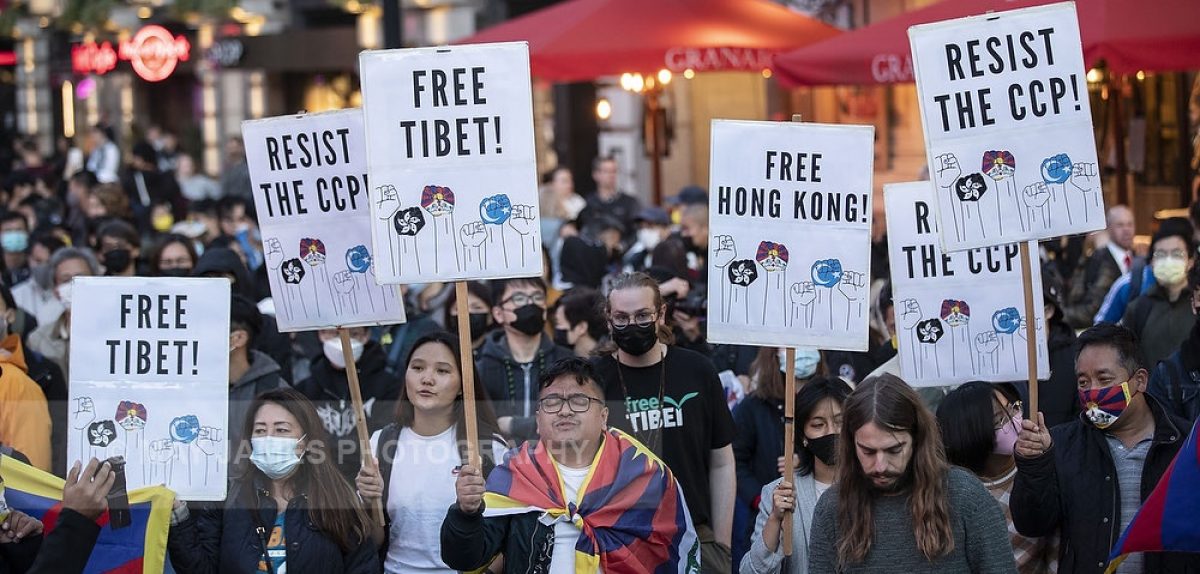


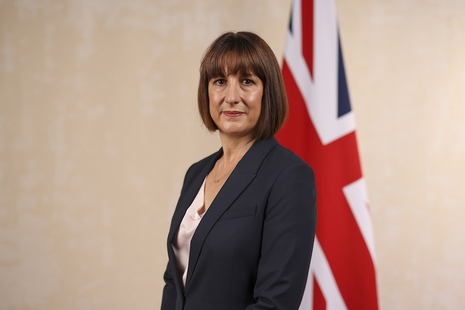
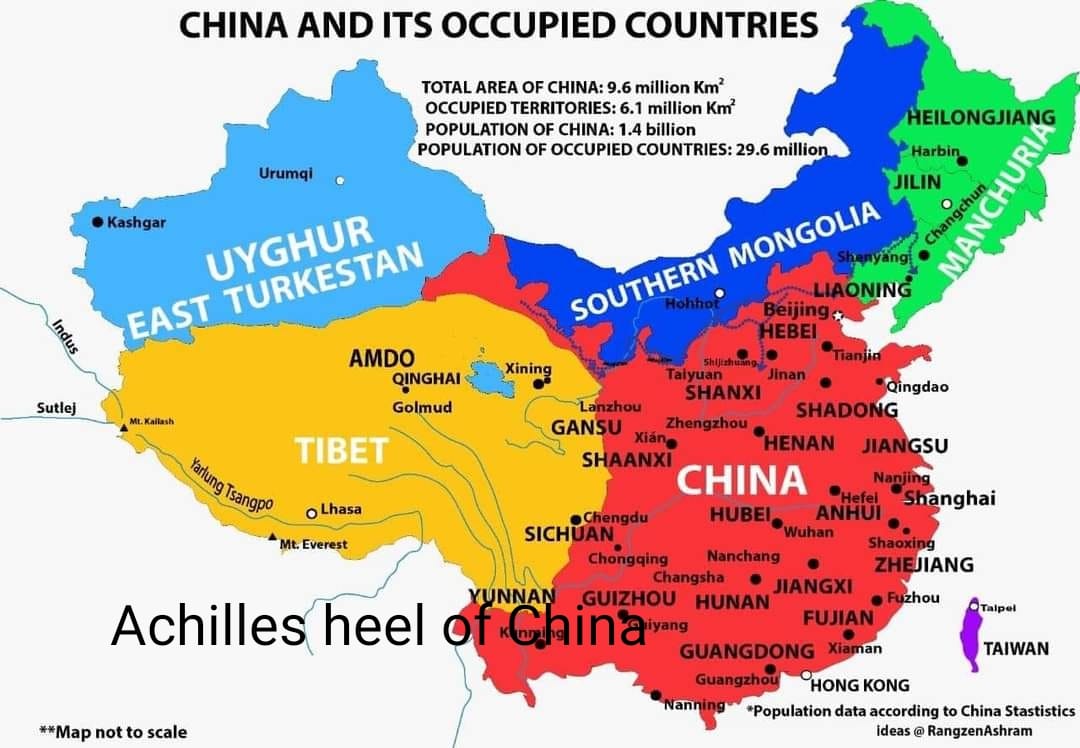
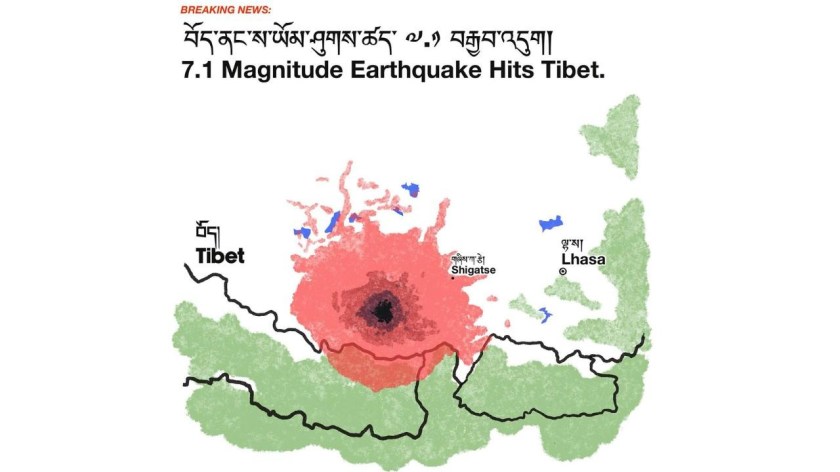
![[Op-Ed] Nepal and Tibet: A Historical Bond Tested by Modern Geopolitics](https://tsamtruk.com/wp-content/uploads/2024/12/create-a-featured-image-for-a-blog-post-titled-nepal-1.png?w=1024)
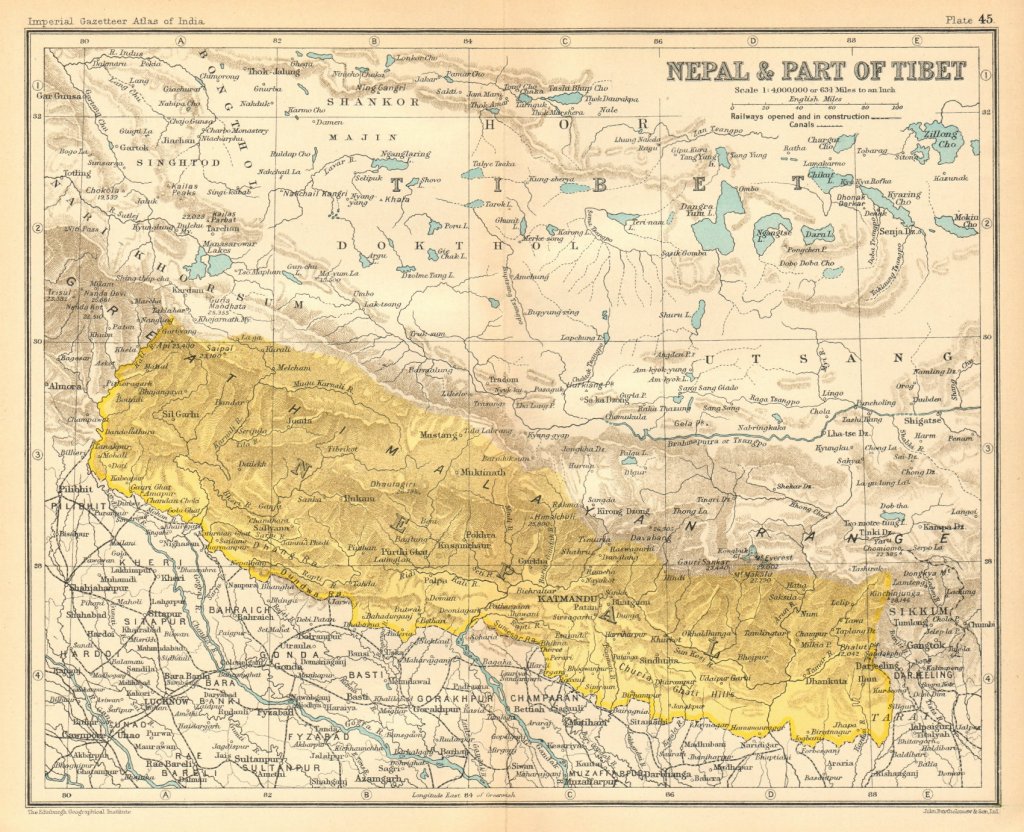

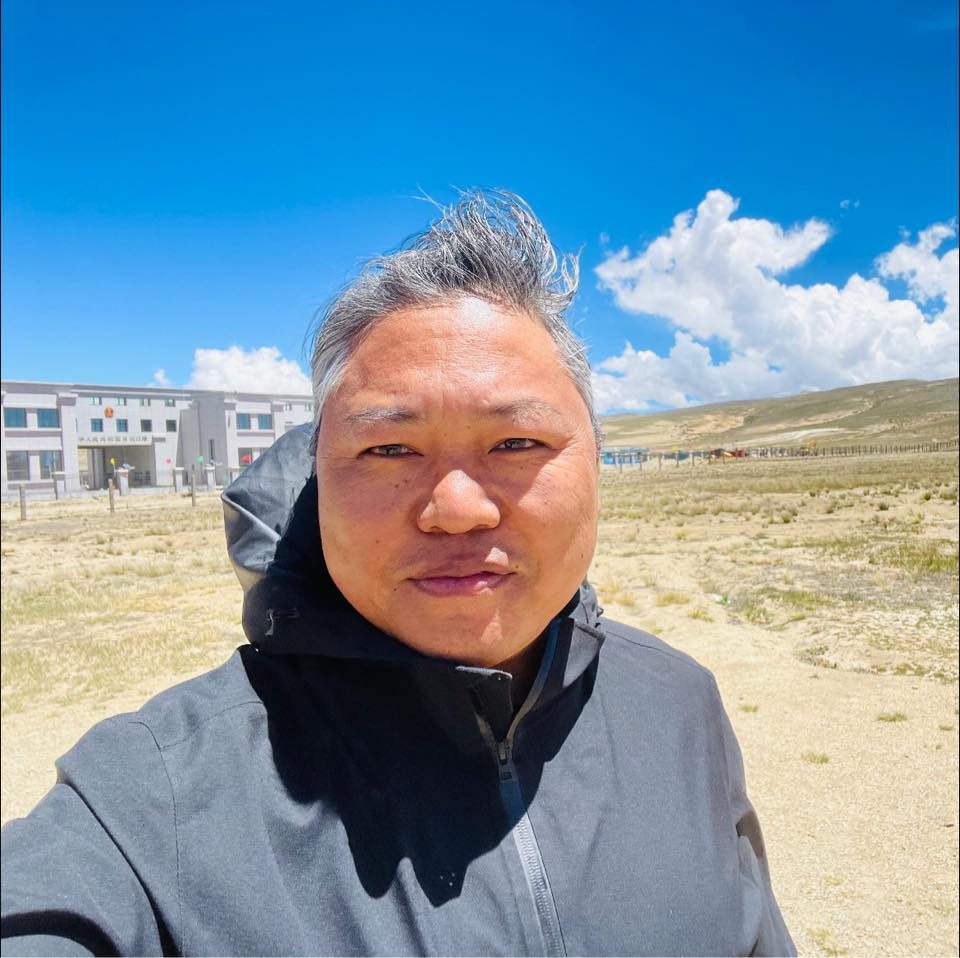

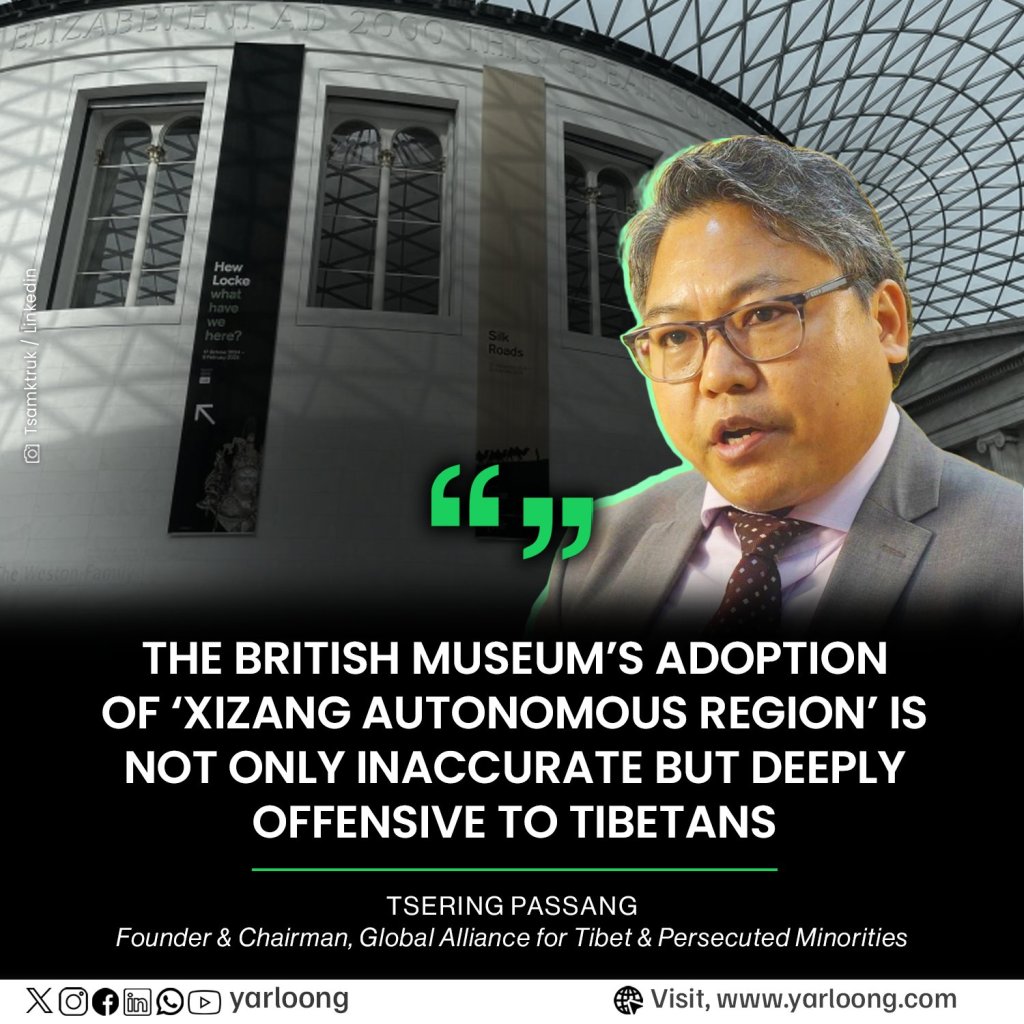


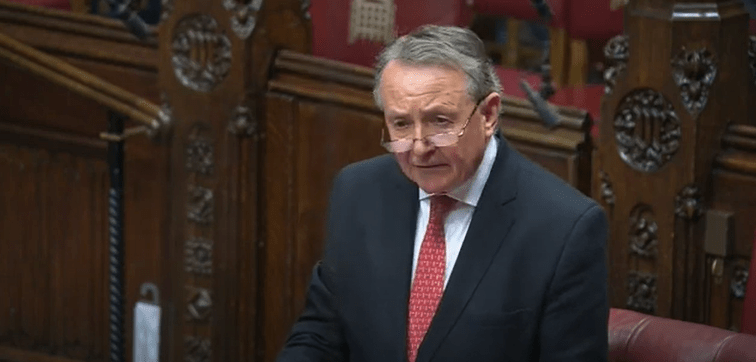


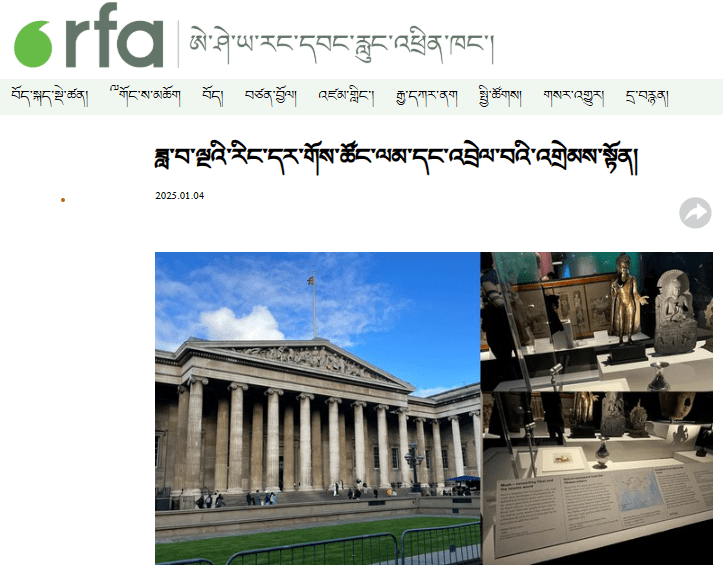
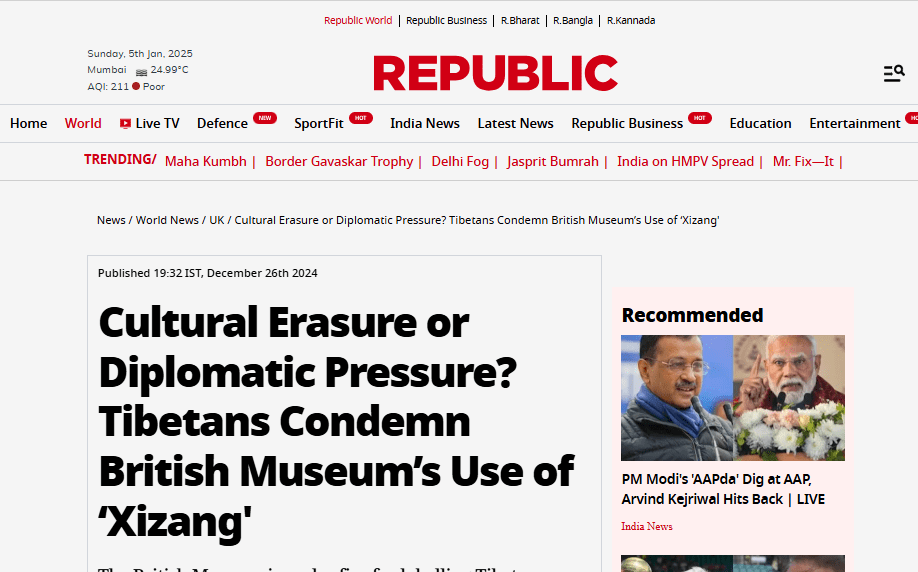


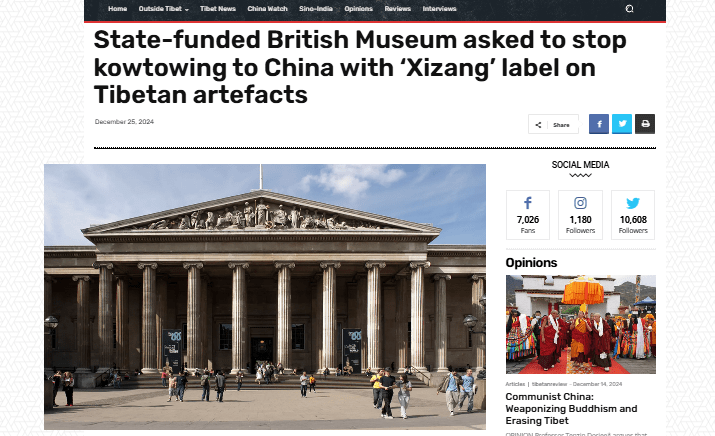
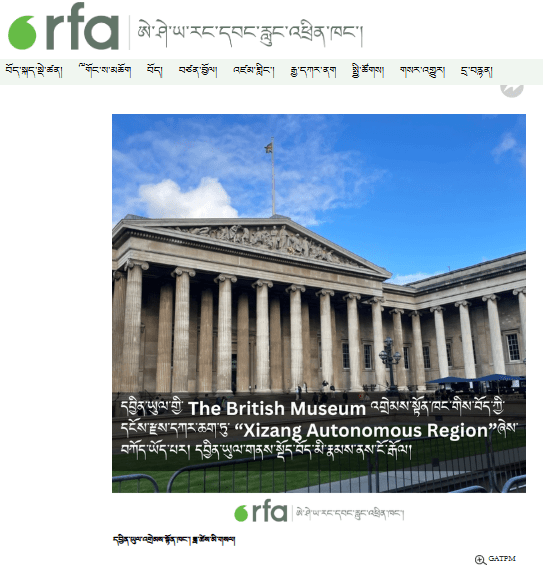
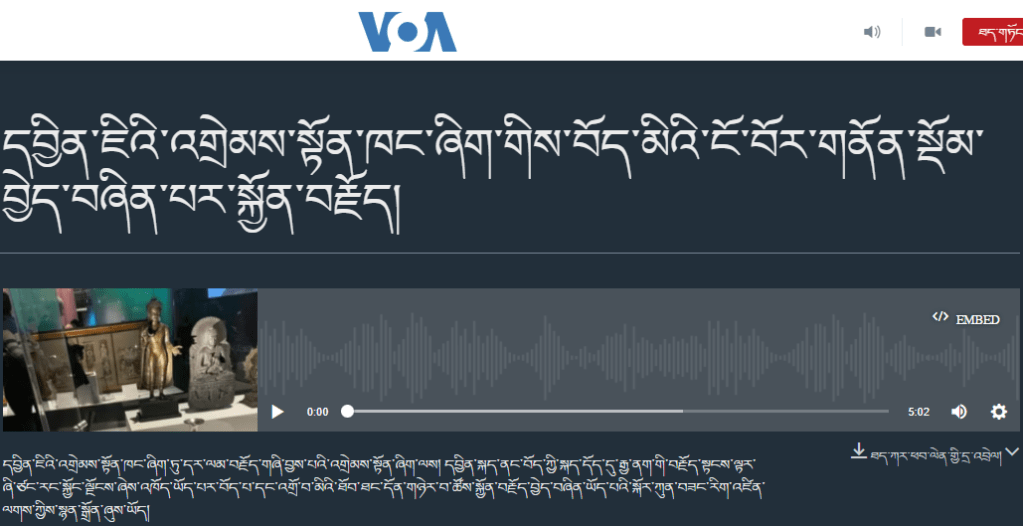
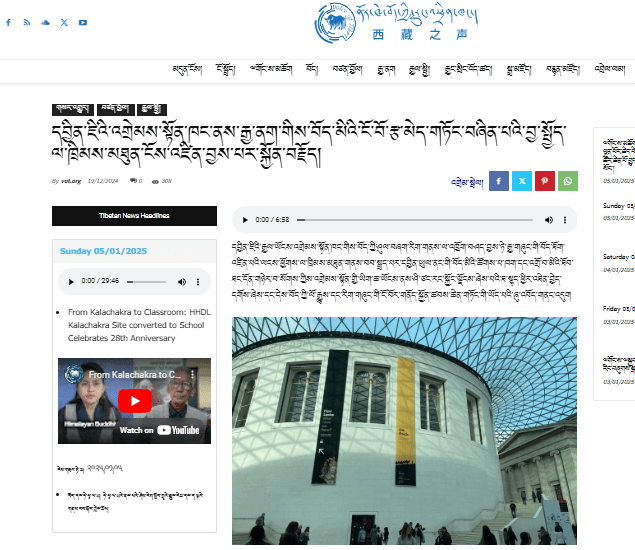


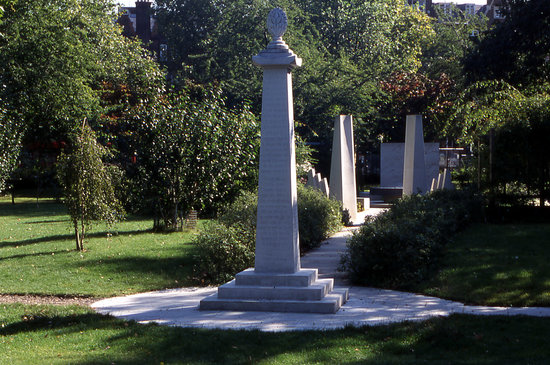
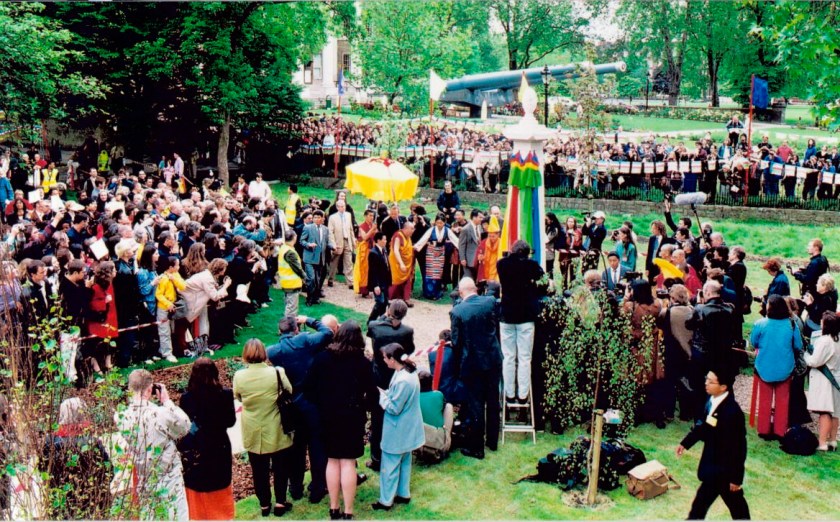


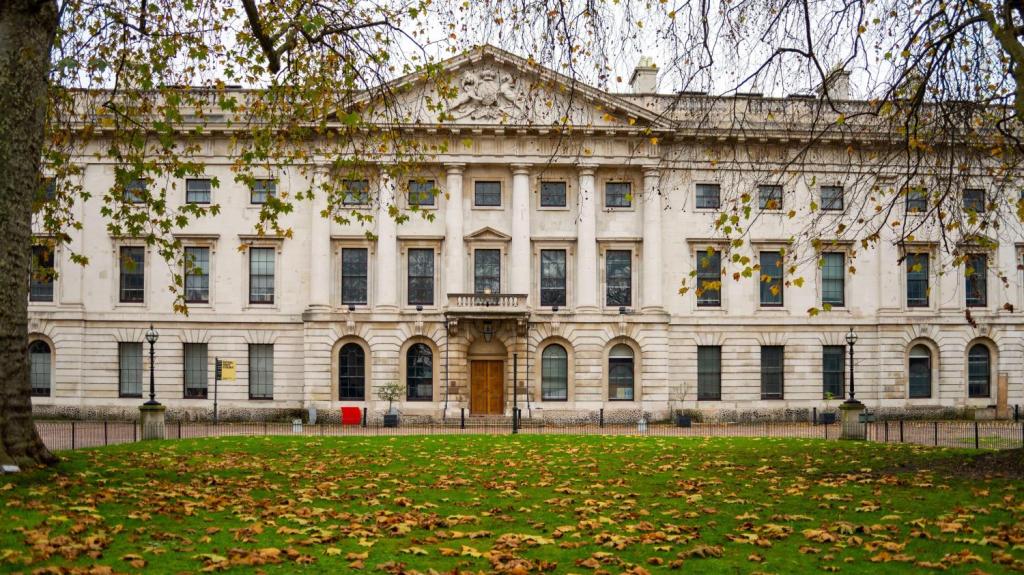
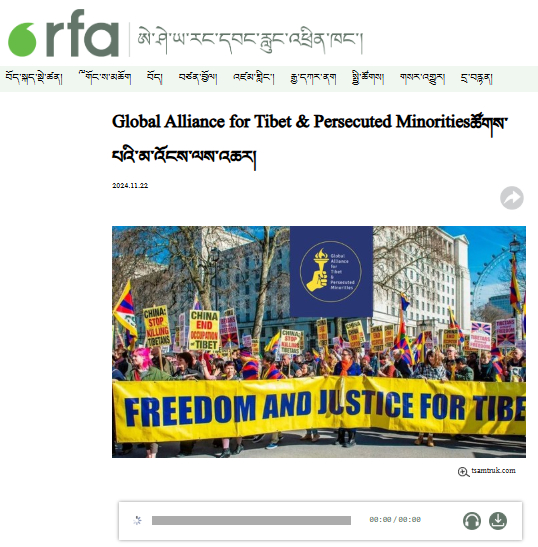
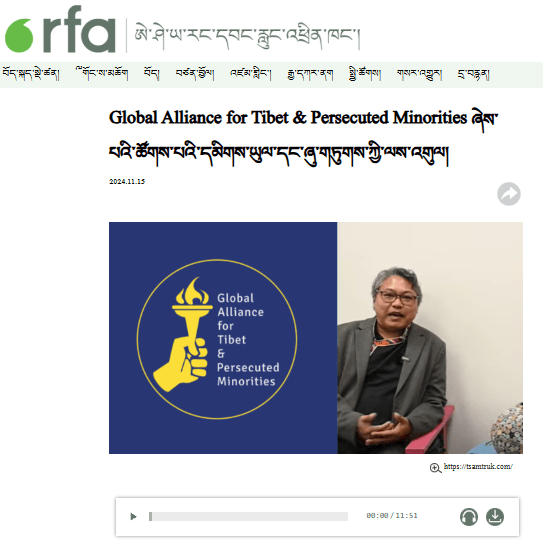


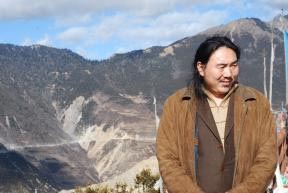
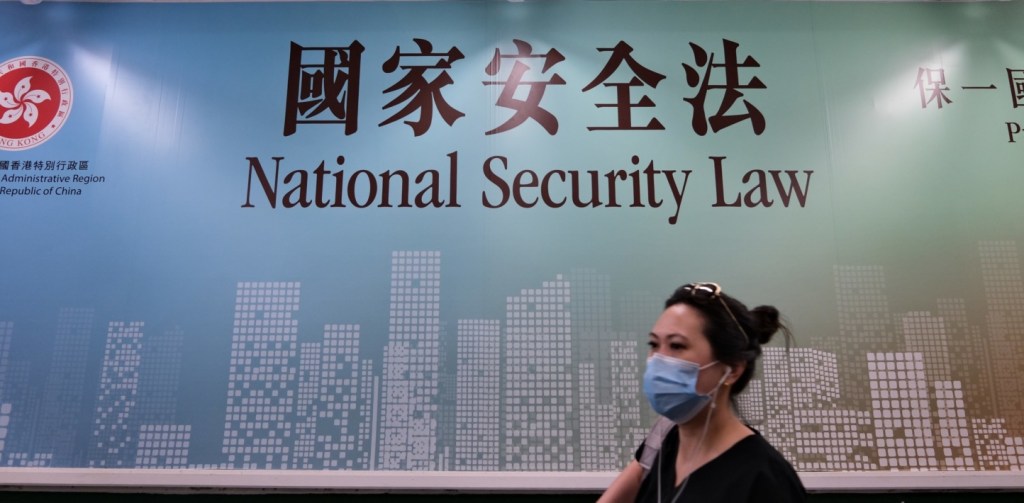
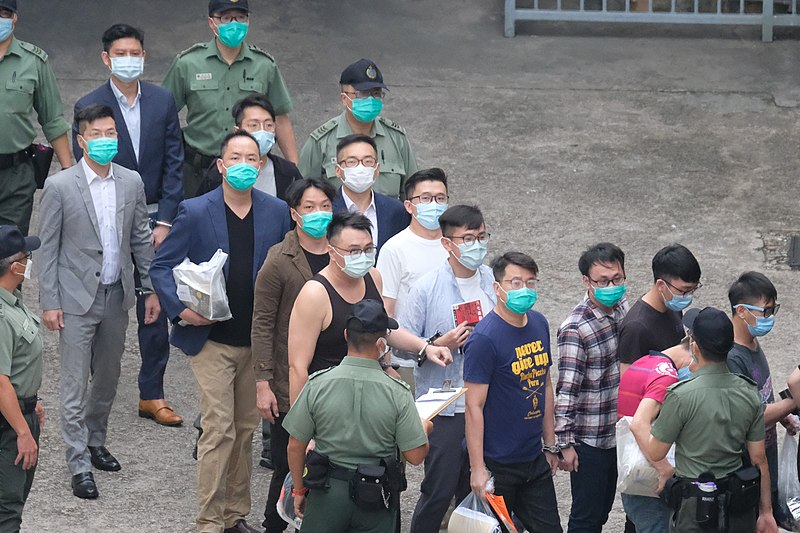








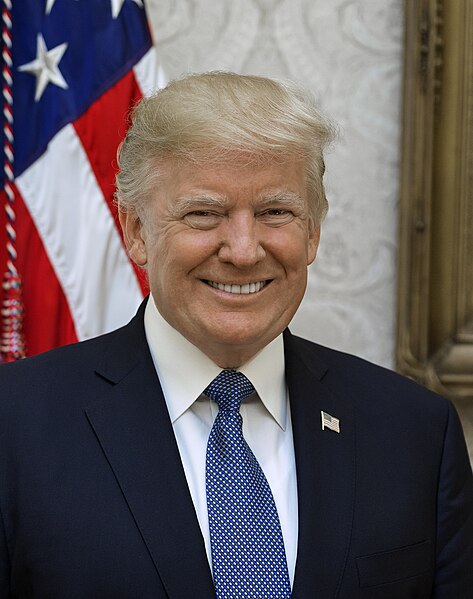


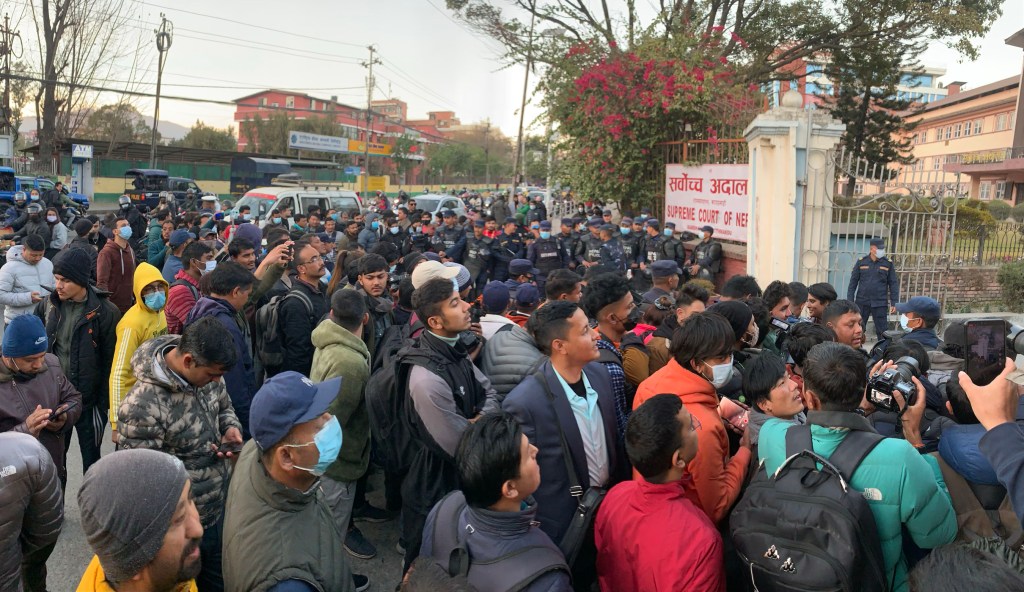

 Global Alliance for Tibet & Persecuted Minorities (GATPM)
You must be logged in to post a comment.