This landmark global gathering – bringing together over 140 parliamentarians, experts, and human rights advocates from 29 countries – marks a critical reaffirmation of the international community’s commitment to the Tibetan cause. At a time when authoritarian regimes threaten fundamental freedoms, human dignity, and cultural survival, the WPCT stands as a powerful and principled assertion of global solidarity and shared democratic values.
The Convention’s focus on coordinated legislative action, alliance-building, and countering Chinese transnational repression reflects a bold and strategic advancement in international support. GATPM especially recognises the vital contributions from fellow human rights defenders and representatives of other persecuted communities – including Uyghurs, Hongkongers, Southern Mongolians, and Taiwanese – who stood in unity with the Tibetan people. Their participation underscores the shared and borderless nature of our collective struggle against repression and cultural erasure.
A deeply significant moment of the convention was the heartfelt message from His Holiness the 14th Dalai Lama, whose lifelong commitment to peace, nonviolence, and mutual understanding continues to inspire the global conscience. His call for “a mutually acceptable solution with a peaceful, non-violent path” and his unwavering support for the Middle Way Approach – seeking genuine autonomy for Tibet within the framework of the People’s Republic of China – remains a guiding moral force. The adoption of a resolution honouring His Holiness’ enduring legacy, ahead of his 90th birthday, is both timely and profoundly meaningful.
TheTokyo Declaration reaffirms several key principles:
Support for the Middle Way Approach as the most pragmatic and peaceful solution to the Sino-Tibetan conflict;
A call for renewed international efforts to promote meaningful dialogue between the Tibetan leadership and the Chinese government;
A united stand against the Chinese Communist Party’s transnational influence operations, which undermine democratic institutions and civil liberties worldwide;
An urgent appeal to preserve Tibet’s distinct cultural, linguistic, and religious heritage, which faces systematic destruction under Beijing’s policy of enforced assimilation and surveillance.
TheTokyo Action Plan lays out clear and coordinated steps for lawmakers worldwide, including:
The formation and strengthening of Tibet Support Groups within national parliaments;
Introduction of parliamentary motions, public hearings, and advocacy initiatives to spotlight China’s human rights abuses in Tibet;
Consideration of targeted sanctions, including Magnitsky-style measures, against individuals and entities complicit in the repression of the Tibetan people.
As a British-Tibetan and founder of the Global Alliance for Tibet & Persecuted Minorities, I extend my deepest appreciation to the Japanese Parliamentarians’ Support Group for Tibet, the Tibetan Parliament-in-Exile, the UK delegation, and all other organisers and participants who delivered a convention of such strategic foresight and moral clarity.
Now more than ever, sustained international solidarity is vital. The Tibetan people – both inside occupied Tibet and across the diaspora – continue to resist with remarkable courage, dignity, and nonviolence in the face of relentless repression. Their peaceful struggle demands not just admiration but concrete political and diplomatic support.
Let us not settle for symbolic gestures. Let us transform these declarations into meaningful, coordinated action – actions that uphold justice, defend human rights, and realise the Tibetan people’s rightful aspiration to live in dignity, peace, and freedom.
We stand united – for Tibet, and for all persecuted peoples confronting tyranny.
Tsering Passang Founder and Chair Global Alliance for Tibet & Persecuted Minorities (GATPM) 5 June 2025
Today marks the 74th anniversary of the so-called Agreement of the Central People’s Government and the Local Government of Tibet on Measures for the Peaceful Liberation of Tibet – commonly known as the “17-Point Agreement”. Signed under duress on 23 May 1951 in Beijing, this document was never recognised by the Tibetan people and is now widely regarded as invalid under international law.
Despite Chinese assertions that it represented a peaceful accord between “motherland” and “minority,” the agreement remains a symbol of coercion, broken promises, and military occupation – not of voluntary unification.
A Signature at Gunpoint
The 17-Point Agreement was signed not through free negotiation, but under extreme military pressure. Tibet’s delegation in Beijing lacked authorisation from Lhasa and was denied any communication with the Tibetan government. The agreement bears seals, but not the informed consent of the sovereign Tibetan state.
Tibetan delegation signing the 17-Point Agreement. Front row right to left: Ngapoi Ngawang Jigme, Sonam Wangdu, Thuptan Tenthar, Thuptan Lekmuun, Tenzin Thondup. Back row left to right: Chen Yun, Zhu De, Li Jishen. Photo: Wikipedia.org
In 1952, Tibetan Prime Minister Lukhangwa confronted Chinese representative Zhang Jingwu, stating unequivocally that “the Tibetan people did not accept the agreement.” His Holiness the 14th Dalai Lama, then a teenager, later wrote in My Land and My People that he chose to cooperate temporarily only “to save my people and country from total destruction.”
Assurances Made – and Violated
In 1954, the Dalai Lama travelled to Peking for six months, meeting top Chinese leaders including Chairman Mao Zedong and Premier Zhou Enlai. He attempted for nearly eight years to work within the agreement’s framework. But as the People’s Liberation Army (PLA) tightened its grip and resistance was violently crushed, the CCP’s true intentions became clear.
Tibetan Leader His Holiness the 14th Dalai Lama meeting Chairman Mao Tsetung in Beijing | 1954
The promised autonomy, religious freedom, and protection of Tibet’s traditional system were swiftly undermined. What followed was the destruction of monasteries, the erosion of language rights, and the dismantling of Tibet’s independent governance.
Repudiation in Exile
In March 1959, following the brutal suppression of the Tibetan National Uprising in Lhasa, the Dalai Lama fled to India. At his first press conference in Mussoorie, he publicly repudiated the 17-Point Agreement, declaring it null and void due to its coercive origins and systematic violations by China.
The Vienna Convention on the Law of Treaties (1969), though adopted years later, codifies longstanding principles of customary international law: any agreement signed under threat or use of force is invalid. China’s invasion of eastern Tibet in 1950 and its military intimidation during the 1951 negotiations clearly contravene this norm.
Sikyong Penpa Tsering, President of the Central Tibetan Administration, (CTA), has categorically called the agreement “illegal under international law.” On the 63rd anniversary of the Tibetan National Uprising in 2022, he denounced the so-called “peaceful liberation” as a violent annexation dressed in diplomatic clothing.
The agreement’s language painted a picture of partnership and protection. In practice, every major clause was betrayed. Below are the 17 key provisions of the agreement, followed by their historical context:
The 17-Point Agreement: Core Clauses
Tibet to be unified with the “motherland”; imperialist forces to be expelled.
Tibetan Government to assist PLA entry and help consolidate national defence.
Tibetan regional autonomy guaranteed under Central Government leadership.
Tibet’s political system and the Dalai Lama’s status to remain unchanged.
The Panchen Lama’s status and authority to be similarly protected.
Statuses of the 13th Dalai Lama and 9th Panchen Lama upheld.
Freedom of religion guaranteed; monastery income protected.
Tibetan troops to be integrated into the PLA.
Tibetan language and education to be developed as per local conditions.
Economic development in agriculture, livestock, industry, and commerce.
No reforms imposed; changes to occur via local initiative and consultation.
Former pro-KMT or pro-imperialist officials allowed to remain if loyal.
PLA to conduct fair trade and avoid taking anything from locals without consent.
External affairs to be handled by the Central People’s Government.
Military and administrative committees to include local Tibetan personnel.
Costs of PLA and administration to be covered by the Central Government.
Agreement to take effect upon signing.
A Record of Systematic Violations
Despite these promises, Tibet’s political autonomy was swiftly dismantled. The Dalai Lama was rendered a figurehead, religious institutions were destroyed during the Cultural Revolution, and Tibetan language and culture were marginalised.
Rather than being respected as partners, Tibetans were treated as subjects of an imposed colonial administration. China’s claim that Tibet “willingly returned” to China under this agreement is a falsehood, not supported by historical facts or legal principles.
Conclusion: Reclaiming the Truth
The 17-Point Agreement is not a foundation for Chinese sovereignty over Tibet – it is a case study in coercion, occupation, and betrayal. It was signed under military threat, repudiated by the Tibetan leadership, and violated by China at every step.
As Tibetans mark 74 years since this unjust agreement, their call for justice, freedom, and self-determination grows stronger. Upholding these principles is not just a matter of historical redress – it is a vital test of the international community’s commitment to truth and the rule of law.
Join us for a candlelight vigil outside the Chinese Embassy in London to commemorate the 36th anniversary of the 1989 Tiananmen Square Massacre and honour the courageous individuals who stood for freedom, democracy, and human rights in China, as well as those in occupied Tibet, East Turkestan, Southern Mongolia and Hong Kong.
📅 Date: Wednesday, 4 June 2025 🕗 Time: 8:00 PM – 10:00 PM 📍 Venue: Outside the Chinese Embassy, 49 Portland Place, London W1B 1JL
On June 4th, 1989, the Chinese Communist Party ordered a brutal military crackdown on peaceful pro-democracy protesters in Beijing’s Tiananmen Square. Thousands of unarmed students, workers, and citizens – calling for democratic reforms and freedom of expression – were massacred. The true number of casualties remains unknown due to the Chinese regime’s strict censorship and ongoing repression of truth-telling.
To this day, the Chinese authorities deny justice, suppress memory, and persecute those who speak out. Every year, peaceful vigils are banned in mainland China, and activists are arrested for merely remembering the dead.
By standing together in London, we send a powerful message of remembrance and solidarity – not only for the victims of Tiananmen but also for all those suffering under the Chinese regime today.
We Stand in Solidarity With:
Chinese citizens and dissidents, including pro-democracy activists and human rights lawyers, who continue to risk their lives to stand up against tyranny
Tibetan people, whose culture, language, and religion are under systematic attack
Uyghurs in East Turkestan, facing genocide, forced labour, and internment camps
Southern Mongolians, resisting cultural erasure and assimilation
Hongkongers, whose freedoms and democratic rights have been crushed
Falun Gong practitioners, subject to torture, imprisonment, and organ harvesting
As Bonhams prepares to auction rare artworks from Sir Basil Gould’s Tibetan missions, questions resurface about Britain’s past support for an independent Tibet – and its future role amid rising Indo-Pacific tensions and China’s expanding influence.
Portrait of His Holiness the 14th Dalai Lama at his enthronement by Kanwal Krishna (Indian, 1910-1993) (Credits: The Collection and Archive of Sir Basil Gould CBE / Bonhams)
A landmark exhibition and auction at Bonhams New Bond Street this June is set to spotlight a long-overlooked chapter in British diplomatic history – its historic engagement with a sovereign Tibet. As the Tibetan community and their supporters mark the 90th birthday of His Holiness the 14th Dalai Lama and the 85th anniversary of his enthronement, rare archival artworks and collections documenting that era are going under the hammer, reigniting timely questions about Britain’s past commitments and future responsibilities regarding Tibet.
Revisiting Sovereignty Before the Storm
From 1–3 June 2025, Bonhams will exhibit The Collection and Archive of Sir Basil Gould (1883–1956), Britain’s former Political Officer for Sikkim, Bhutan, and Tibet. This unique archive – being offered for public auction for the first time on 5 June – provides striking visual and documentary evidence of Tibet’s de facto independence before the Chinese Communist occupation in 1950.
The centrepieces of the exhibition are 40 original watercolours by renowned Indian artist Kanwal Krishna, commissioned during Gould’s 1940 mission to Lhasa. These paintings document the divination, recognition, and enthronement of the 14th Dalai Lama at a time when Tibet conducted its own foreign policy, maintained diplomatic missions, and upheld a distinct national identity independent of China.
Two portrait works by Krishna – one of the Dalai Lama as a child before his recognition, and another at the moment of enthronement – carry individual estimates of up to £200,000.
Portrait of His Holiness the Dalai Lama before his enthronement by Kanwal Krishna (Indian, 1910-1993) (Credits: The Collection and Archive of Sir Basil Gould CBE / Bonhams)
Giles Peppiatt, Bonhams Group Head of Pictures, remarked:
“The Gould Collection represents a rare and profoundly important historical archive, shedding light on the cultural and political landscape of Tibet and the British presence in the Himalayas. Many of these items have never been seen on the open market, and we anticipate strong interest from collectors, institutions, and historians alike.”
Painting by Krishna Kanwal, The Dalai Lama being placed on the throne by Kalon Lama and Chikyab Khempo (Credits: The Collection and Archive of Sir Basil Gould CBE / Bonhams)
Reframing Tibet-UK Relations Through Art
In conjunction with the exhibition, Bonhams and the Office of Tibet are hosting a lecture by acclaimed Dalai Lama biographer Alexander Norman on 2 June. Titled “The Divination, Search & Installation of His Holiness the 14th Dalai Lama,” the lecture will unpack the cultural and political significance of the Gould Collection. It serves as a reminder of Britain’s direct relations with Tibet before the founding of the People’s Republic of China (PRC) in 1949 and long before Beijing’s claims over the region gained international currency.
Norman’s talk will explore the untold story of British diplomacy in the Himalayas – when the independent Tibetan Government and British officials collaborated, and the enthronement of the Dalai Lama was conducted without reference to any Chinese authority. These interactions underscore a time when Tibet, though isolated geographically, was far from politically obscure.
Sir Basil Gould CBE: Britain’s Trusted Ally in Tibet
Sir Basil Gould, the Political Officer for Sikkim, Bhutan and Tibet who was appointed to represent the British government (Credits: The Collection and Archive of Sir Basil Gould CBE / Bonhams)
Sir Basil Gould’s service in Tibet represents a high point of British engagement in the region. Long before his appointment as Political Officer for Sikkim in 1935, Gould served as Trade Agent in Gyantse (1912–1913), where he witnessed and participated in the delicate diplomacy preceding the Simla Conference (1913–1914). His early experience in Tibet gave him invaluable insight into its internal governance, and the degree of sovereignty exercised by the Tibetan authorities.
The Simla Conference itself, attended by representatives from Britain, China, and Tibet, produced the tripartite Simla Accord and the McMahon Line. Although China later repudiated the agreement, Britain continued to treat Tibet as an autonomous entity under its own government, often engaging directly in diplomatic and commercial matters.
Following the 13th Dalai Lama’s proclamation of Tibet’s independence in 1913, the British recognised Tibetan sovereignty in practice and extended various forms of assistance – including military training, arms, and technical support. Gould was instrumental in facilitating such cooperation, and remained a trusted intermediary between the Tibetan government and British India across several decades.
In 1913, at the request of the Dalai Lama, Gould escorted four Tibetan boys to England for education – the “Rugby Boys.” Among them was Ringang, who trained as an engineer and later built Tibet’s first hydroelectric power station in 1927. Gongkar was another young Tibetan who received British military training, including at the Royal Military Academy in Woolwich during World War I. These episodes reflected Tibet’s modernising ambitions and willingness to embrace international cooperation.
As Britain’s Political Officer for Sikkim, Bhutan, and Tibet from 1935, Gould helped maintain direct diplomatic relations with Lhasa. His participation in the 1940 enthronement of the current Dalai Lama, as the British government’s official envoy, underscores a period of bilateral engagement grounded in mutual respect and shared strategic interests – a stark contrast to Britain’s present-day policy of cautious neutrality, particularly after then-Foreign Secretary David Miliband’s 2008 statement which, in the context of global financial negotiations with China, downplayed Britain’s historic recognition of Tibetan autonomy.
Sir Basil Gould with Tibetan Prime Minister Lonchen Langdun in 1936 Credits
Auction Provenance and Cultural Diplomacy
The Gould archive remained in private family hands for decades. Following a recent bereavement, his descendants chose to bring the archive to public attention. Bonhams confirmed that there were no objections from any government or private party regarding the sale.
Far from being a mere commercial event, the auction is viewed by many Tibetans and their supporters as a cultural milestone – a respectful recognition of Tibet’s historical sovereignty, at a time when such truths are at risk of erasure by dominant geopolitical narratives. While some may argue that such items should eventually be returned to Tibet, others see their public display as a powerful means of preservation and awareness-raising.
Reclaiming Memory in the Shadow of Occupation
Since the PRC’s military invasion of Tibet in 1950 and the brutal crackdown on the Tibetan Uprising of 1959, over 6,000 monasteries have been destroyed and approximately 1.2 million lives lost. Tibetan language, religion, and identity have come under sustained assault. The Dalai Lama’s escape to India in 1959 led to the establishment of the Central Tibetan Administration (CTA), a democratic government-in-exile that continues to represent Tibetan interests globally.
The Bonhams exhibition offers a vivid reminder of the period before this rupture – when Tibet conducted its own foreign relations, developed infrastructure, and engaged in peaceful modernisation with trusted allies like Britain.
A Strategic Policy Opportunity for the UK
In light of Britain’s post-Brexit Indo-Pacific tilt, the exhibition raises pressing questions: Should the UK reconsider its policy of silence on Tibet? Can it acknowledge Tibet’s past independence while supporting a negotiated solution to the current crisis?
Policy Recommendations:
Revive Parliamentary Dialogue on Tibet for Tangible Outcomes: Initiate renewed debates in Parliament to explore Britain’s historical engagement and develop a future strategy aligned with UK Indo-Pacific interests.
Recognise Tibet’s Historic Sovereignty: Incorporate into official discourse that Tibet functioned as an independent state prior to 1950, as recorded in British diplomatic archives.
Support a “Buffer Zone” Approach: Examine strategic frameworks in which a demilitarised or genuinely autonomous Tibet could serve as a stabilising buffer between nuclear powers China and India – an idea endorsed by Lord Alton and Chris Law MP in their joint Op-Ed.
Extend Cultural and Political Support for the CTA: Deepen engagement with the Central Tibetan Administration in exile, recognising its democratic governance and moral authority.
Counter Disinformation: Support academic freedom and fund independent research initiatives to challenge Chinese historical revisionism and amplify factual narratives.
Conclusion: Past Lessons, Future Responsibility
For too long, Tibet has been treated as a geopolitical inconvenience rather than a moral and strategic ally. The Bonhams exhibition is a timely reminder that Tibet’s claim to self-determination – supported by three United Nations General Assembly resolutions (1959, 1961, and 1965) – is not a modern invention, but a continuation of centuries of cultural, political, and spiritual freedom.
With China preparing to mark the 100th anniversary of the PRC’s founding in 2049 with sweeping global ambitions, Britain must reclaim its historical voice on Tibet. This is not only a matter of justice for a long-forgotten ally, but also an essential step toward securing a principled and stable Indo-Pacific future.
Public Exhibition: 1–3 June 2025 Auction: 5 June 2025 Venue: Bonhams New Bond Street, London
Thirty years ago, on 17 May 1995, before he could speak his first words as a spiritual leader or sit among his people, Gedhun Choekyi Nyima was abducted by Chinese authorities. He was just six years old. Since that day, neither he nor his family has been seen.
Born on 25 April 1989 in Lhari County, Tibet, Gedhun Choekyi Nyima was a child whose destiny was to rise far beyond the remoteness of his birthplace. At the age of six, he was formally recognised by His Holiness the 14th Dalai Lama as the 11th Panchen Lama – the second-highest spiritual figure in Tibetan Buddhism.
What should have been a sacred milestone in Tibetan religious tradition instead marked the beginning of one of the longest and most egregious cases of enforced disappearance in modern history. The Panchen Lama, then only a child, became the world’s youngest political prisoner. Nearly three decades later, he remains forcibly disappeared – a haunting symbol of China’s relentless effort to dismantle the spiritual and cultural bedrock of Tibetan life.
A Deliberate Attack on Tibetan Faith
The abduction of the 11th Panchen Lama was not an isolated act. It is part of a systematic strategy by the Chinese Communist Party (CCP) to control, co-opt, and ultimately erase Tibetan Buddhism and identity. Recognising the crucial spiritual and political role the Panchen Lama plays – particularly in identifying the reincarnation of the Dalai Lama – Beijing has sought to impose its own narrative. Just months after kidnapping Gedhun Choekyi Nyima, the CCP installed its own hand-picked candidate, Gyaincain Norbu, as a puppet Panchen Lama.
Tibet’s spiritual leaders in the 1950s – The 10th Panchen Lama (left) and The 14th Dalai Lama (Right)
This brazen move violated centuries-old Tibetan religious tradition and exposed the CCP’s deep-seated fear of the power of genuine faith. Tibetan Buddhism, with its foundation in reincarnation, ethics, and truth, is fundamentally at odds with an authoritarian regime that thrives on propaganda, censorship, and coercion.
More hypocritically, the Chinese Communist Party – which is constitutionally atheist and ideologically materialist – has no belief in spiritual systems. Yet it takes the liberty of selecting and installing religious leaders for political control. This cynical manipulation lays bare the Party’s true intent: not to protect faith, but to weaponise it.
Contravening China’s Own Constitution
The CCP’s actions in the Panchen Lama case not only violate international human rights standards, but also contradict the People’s Republic of China’s own constitution. Article 36 of the PRC Constitution clearly states:
“Citizens of the People’s Republic of China enjoy freedom of religious belief… The state shall protect normal religious activities.”
There is nothing “normal” about abducting a six-year-old child recognised through legitimate Tibetan religious processes and replacing him with a state-appointed proxy. Moreover, by imposing State Religious Affairs Bureau Order No. 5 (2007), which mandates that all Tibetan reincarnations must receive government approval, the CCP blatantly violates the constitutional guarantee of religious freedom.
Such actions transform the PRC’s constitutional promises into hollow words and expose the Chinese regime’s duplicity. When an atheist state presumes authority to approve or deny reincarnated lamas, it tramples not only on religious freedom but also on the principle of non-interference in spiritual affairs.
The Historical Legacy of the Panchen Lama
Lobsang Trinley Lhündrub Chökyi Gyaltsen, The 10th Panchen Lama
The institution of the Panchen Lama dates back to the 17th century and is inextricably linked with the lineage of the Dalai Lamas. These two great spiritual figures have traditionally recognised each other’s reincarnations – a sacred mutuality that preserves the continuity of Tibetan Buddhism.
This continuity was violently disrupted when the People’s Republic of China invaded and occupied Tibet in 1950, bringing an abrupt end to centuries of Tibetan self-rule. Since then, the Chinese Communist Party has systematically sought to dismantle Tibet’s religious institutions and exert absolute political control over its spiritual life.
The 10th Panchen Lama, Lobsang Trinley Lhündrub Chökyi Gyaltsen, was a courageous figure who stood up to the CCP’s brutal policies. In 1962, he risked his life by presenting a 70,000-character petition to the Chinese leadership, detailing the horrors inflicted upon Tibet – including mass starvation, destruction of monasteries, and persecution of monks. For his truth-telling, he was imprisoned and later placed under house arrest until his suspicious death in 1989.
State-Manufactured Religion and Cultural Erasure
In its attempt to control Tibetan Buddhism, the CCP has launched a systematic assault not only on religious leaders but on the entire Tibetan cultural and spiritual ecosystem. From banning the Dalai Lama’s image and teachings to enforcing Mandarin language instruction in schools and restricting monastery enrolments, the Party is working to erase a civilisation.
Beijing’s tactics amount to nothing short of cultural genocide. The forced imposition of state policy over sacred religious practices, including the reincarnation process, is an existential threat to Tibetan identity. The state’s manipulation of faith is not only unethical – it is genocidal in scope, aimed at replacing a vibrant living tradition with hollow propaganda.
The Global Pattern of Repression
The Panchen Lama’s disappearance is emblematic of a broader pattern of religious persecution in the People’s Republic of China and its occupied territories. In East Turkestan (Xinjiang), over a million Uyghur Muslims have been detained in internment camps. Christian churches are demolished, pastors jailed, and crosses torn down. Falun Gong practitioners endure arbitrary imprisonment and torture. In Inner Mongolia, the Mongolian language is being phased out of schools. Across the board, the CCP seeks to dissolve identities that do not conform to its monocultural, authoritarian vision.
Why the World Must Act
As the Dalai Lama ages, time is of the essence. The international community must not allow Beijing to hijack the sacred traditions of Tibet and install a counterfeit Dalai Lama. Such a deception would not only betray the Tibetan people but also undermine global religious freedom.
The United States, through the Tibet Policy and Support Act (TPSA), has already declared that only Tibetan Buddhists have the right to determine their spiritual leaders. India, home to the Dalai Lama and the Tibetan Government-in-Exile (Central Tibetan Administration), bears a unique historical and moral responsibility. The European Union and other democratic nations must follow suit by linking human rights to diplomatic and economic ties with China.
Above all, the United Nations Human Rights Council must break its prolonged silence. It is unacceptable that a six-year-old boy could disappear for 30 years without a single independent investigation. The Panchen Lama is not a forgotten relic – he is a living, breathing soul, whose voice has been silenced by tyranny.
Recommendations for Immediate International Action:
Demand Independent Access: China must reveal the whereabouts of Gedhun Choekyi Nyima and allow the UN and the International Committee of the Red Cross (ICRC) to verify his wellbeing.
End State Interference in Reincarnation: Repeal Order No. 5 and respect the religious autonomy of Tibetan Buddhists.
Support Genuine Tibetan Religious Leadership: Nations must publicly declare that only reincarnations confirmed by the Tibetan Buddhist community will be recognised.
Apply Targeted Sanctions: Impose Magnitsky-style sanctions on Chinese officials responsible for the disappearance of the Panchen Lama and for broader religious persecution.
Raise the Issue at the UN: The Human Rights Council must prioritise the Panchen Lama’s case and hold China accountable for enforced disappearances and violations of religious freedom.
Faith Cannot Be Manufactured
China may excel at replicating consumer goods, technology, and industrial prowess, but it cannot fabricate spiritual legitimacy. Faith is not a state commodity – it is a sacred contract between a people and their tradition. By abducting the Panchen Lama and imposing a false successor, the CCP has not only violated the rights of a child, but assaulted the spiritual heart of an entire civilisation.
Gedhun Choekyi Nyima’s silence echoes louder with each passing year. His story is not just a cry for justice – it is a global call to conscience.
Return the Panchen Lama to the Tibetan people. Restore Tibetan religious freedom. Respect Tibetan spiritual sovereignty.
The Global Alliance for Tibet & Persecuted Minorities (GATPM) proudly joined a coalition of over 60 press freedom and human rights organisations, led by Reporters Without Borders (RSF), in calling for the immediate release of Chinese journalist Zhang Zhan.
This joint appeal, issued on 14 May to mark the fifth anniversary of Zhang Zhan’s initial arrest, underscores the global outcry against her continued arbitrary detention. Zhang Zhan’s health has critically deteriorated due to repeated hunger strikes in protest of her unjust imprisonment. GATPM stands in solidarity with all those defending press freedom and human rights in China, and urgently demands that Chinese authorities release Zhang Zhan without delay.
We, the undersigned press freedom and human rights organisations, strongly condemn the Chinese government’s ongoing arbitrary detention of journalist, human rights defender and former lawyer Zhang Zhan, on the 5th anniversary of her arrest.
Zhang is an outspoken journalist, and one of many Chinese citizens who are imprisoned for exercising their right to freedom of the press and expression. Zhang Zhan was first detained on 14 May 2020, after she travelled to the city of Wuhan to courageously report on the early stages of Covid-19 pandemic, documenting overflowing hospitals, empty shops, and families of victims and independent journalists being harassed by the authorities. She is currently persecuted for supporting pro-democracy activist Zhang Pancheng, and reporting on human rights violations in the country.
At the beginning of March 2025, NGOs sources confirmed that Zhang will soon be tried on the charge of “picking quarrels and provoking trouble”, a charge often used by Chinese authorities to suppress journalists, writers and human rights defenders. The date of her trial is still unknown, as she remains detained in the Pudong Detention Center in Shanghai, facing an additional up to 5 years in prison if convicted.
Zhang Zhan, was apprehended by the police on 28 August 2024, only three months after completion of an earlier four-year sentence under the same charge, while travelling to her hometown in the Shaanxi province in northwest China. In the weeks leading up to this incident, Zhang kept reporting on the harassment of activists in China on her social media.
Her first detention was deemed arbitrary under international human rights law by the UN’s Working Group on Arbitrary Detention in a 2021 opinion. In a November 2024 letter to the Chinese government, nine UN Special Procedures mandates raised lengthy concerns about patterns of repression against Zhang Zhan, alongside 17 other human rights defenders, requesting the government to take measures to prevent any irreparable damage to life and personal integrity, and halt the violations of her human rights. The government’s three-lines response on Zhang Zhan’s status merely asserted that “her legitimate rights and interests have been fully protected.”
China remains one of the most repressive countries for freedom of speech and press, and ranks 178th out of 180 in the 2025 Reporters without Borders (RSF)’s World Press Freedom Index, and is the world’s leading jailer of journalists and writers, according to data from Committee to Protect Journalists, RSF, and PEN America.
The charge “picking quarrels and provoking trouble” was used against over 100 individuals for peacefully exercising or defending human rights between 2019 and 2024. Chinese authorities often used this crime to justify political persecution of human rights defenders, including journalists. In March 2024, the UN High Commissioner for Human Rights, Volker Turk, also called on the Chinese government to revise the “picking quarrels and provoking trouble” provision and release all HRDs, lawyers, and others detained under that charge.
In detention, Zhang Zhan has engaged in intermittent hunger strikes to protest her arbitrary detention. In 2021 she was twice hospitalised due to severe malnutrition and a rapid deterioration of her health.
In January 2025, Zhang Zhan again re-started her hunger strike in protest of her second arrest. In response, detention centre personnel have subjected her to forced-feeding through a gastric tube – a practice that may amount to torture or other ill-treatment, in violation of the Convention against Torture ratified by China in 1988. Her lawyer has been allowed to meet with her but has been under pressure from the authorities not to disclose the case details publicly.
Despite the relentless calls of the international community to immediately release Zhang Zhan, the Chinese government continues to ignore the urgency of the matter. Yet, the restrictions against journalists or anyone who speaks out against the abuse of the government has tightened drastically, despite the right to freedom of speech and press being guaranteed by Article 19 of the Universal Declaration of Human Rights, as well as by Article 35 of the Chinese Constitution. Zhang’s prosecution is being used as a warning to others who might challenge the government’s propaganda machine.
Zhang Zhan’s arbitrary detention is a mockery of China’s international human rights obligations to ensure humane prison conditions. Furthermore, Zhang Zhan has committed no internationally recognisable offence, but has been subjected to harsh punishment for reporting on facts and exercising her right to freedom of expression.
We urge the Chinese government to:
Immediately and unconditionally release Zhang Zhan and put an end to all acts of harassment towards her;
Guarantee Zhang Zhan’s safety, psychological well-being and access to adequate and independent medical care;
Allow her unhindered access to her family members and lawyer of her choosing;
Submit its state report to the Committee against Torture (CAT), which is over five years overdue, including providing information on the conditions in secret detention and Residential Surveillance at a Designated Location, and providing concrete legislative measures and data about the implementation of previous CAT recommendations concerning these practices;
Put an end to systemic crackdown on civil society, including harassment, arbitrary detention, enforced disappearances, and arbitrary detention of journalists, writers, and human rights defenders.
We urge UN bodies and officials, including High Commissioner for Human Rights Volker Türk, and governments concerned with human rights in China to:
Increase support to journalists, writers, and human rights defenders across and from China;
Advocate for the releases of arbitrary detained journalists, writers, and human rights defenders, including using high-level meetings to publicly call for the release of specific individuals by name;
Condition international law enforcement interactions and rule of law cooperation with the Chinese government on the government’s dropping all charges and quashing all convictions against those wrongfully detained for peacefully exercising or advocating human rights, including press freedom and right to information.
Signatories:
ARTICLE 19
Alliance for Citizens Rights
Amnesty International
Association of Taiwan Journalists (ATJ)
Cambodian Journalists Alliance Association (CamboJA)
Chicago Solidarity with Hong Kong
China Aid Association (ChinaAid)
China Change
China Dissent Network
Chinese Human Rights Defenders (CHRD)
Coalition For Women In Journalism
Committee for Freedom in Hong Kong (CFHK) Foundation
Committee to Protect Journalists (CPJ)
Den norske Tibet komité
Dialogue China
European Values Center for Security Policy Taiwan Office
Fortify Rights
Forum 2000 Foundation
Freedom House
Front Line Defenders
Georgetown Center for Asian Law
Gerakan Media Merdeka (GERAMM)
Global Alliance for Tibet & Persecuted Minorities
Grupo de Apoio ao Tibete-Portugal
Hong Kong Committee in Norway
Hong Kong Watch
Human Rights Watch
Human Rights in China (HRIC)
Humanitarian China
Independent Chinese PEN Center
Index on Censorship
International Federation for Human Rights (FIDH), within the framework of the Observatory for the Protection of Human Rights Defenders
International Service for Human Rights (ISHR)
International Tibet Network
International Women’s Media Foundation
l’ACAT-France
Legal Initiatives for Vietnam (LIV)
No Business With Genocide
PEN America
PEN International
Reporters Without Borders (RSF)
Safeguard Defenders
Santa Barbara Friends of Tibet
Scottish Hongkongers
Solidarité Chine
Students for a Free Tibet
Taiwan Association of Human Rights (TAHR)
Taiwan Foreign Correspondents Club (TFCC)
The Human Rights Foundation
The Rights Practice
The Tibet Support Committee, Denmark
Tibet Action Institute
Tibet Solidarity
Tibet Support Group Ireland
Tibet Watch
Uyghur Human Rights Project (UHRP)
Vancouver Activists of Hong Kong (VAHK)
Vancouver Society in Support of Democratic Movement (VSSDM)
Victoria Hongkongers Association (VHKA)
Viet Tan
World Liberty Congress
World Organisation Against Torture (OMCT), within the framework of the Observatory for the Protection of Human Rights Defenders
As the Central Tibetan Administration (CTA) – Tibet’s government-in-exile – prepares for its 2026 general elections, a renewed wave of political energy is rising across the Tibetan diaspora. Yet this momentum is accompanied by deepening anxiety: Tibet’s voice is fading from global discourse just as international attention fractures and authoritarianism gains ground.
This article highlights two prominent figures central to this pivotal moment. One is the incumbent Sikyong, Penpa Tsering, who remains active in diplomatic efforts across India, North America, and Europe. The other is Dr. Lobsang Sangay, former Sikyong (2011–2021), who continues to engage global audiences on high-profile platforms – most recently at LibertyCon Europe in the Czech Republic. Their contrasting leadership styles are sparking critical debates about the future direction of the Tibetan freedom movement.
At LibertyCon Europe – one of the continent’s largest gatherings of pro-liberty students, youth activists, and human rights defenders – Dr. Lobsang Sangay warned that China’s authoritarianism is no longer just a regional issue but a direct threat to the liberal international order. Reflecting on his decade of leadership, he framed the repression in Tibet, East Turkestan, Southern Mongolia, and mainland China as part of a broader ideological conflict.
His message extended beyond global policymakers. It was a direct appeal to young Tibetans raised in exile – many of whom remain deeply connected to their heritage despite being born far from occupied Tibet. Speaking in Paris, home to one of Europe’s largest Tibetan communities, the former Tibetan leader urged youth to take an active role in civic and political life.
These appeals come amid a worrying decline in Tibet’s global visibility. Since President Trump’s second term, U.S. funding for Tibetan programs has notably decreased. The recent closure of Radio Free Asia’s Tibetan-language service after nearly 30 years, along with growing uncertainty surrounding Voice of America’s Tibetan coverage, underscores a broader crisis: the erosion of free, independent platforms for Tibetan voices.
Sikyong Penpa Tsering with U.S. Senator Jeff Merkley, the original sponsor of the Resolve Tibet Act at the Hart Senate Office Building in Washington, D.C. | 5th May 2025 | Photo: Tibet.net
Meanwhile, Sikyong Penpa Tsering oversees CTA’s four major portfolios – Finance, Religion and Culture, Home, and Health – while continuing to engage with international allies. He has reiterated his intention to abstain from public debates during the upcoming Sikyong election, citing the importance of unity: “As I did during the 2021 elections, I will refrain from participating in the Sikyong election campaign, including public debates, in order to prevent divisions within our community.”
“As I did during the 2021 elections, I will refrain from participating in the Sikyong election campaign, including public debates, in order to prevent divisions within our community.”
Sikyong Penpa Tsering
While the sentiment may be sincere, many argue that open debate is the lifeblood of any healthy democracy. Avoiding public scrutiny – particularly during election season – can be just as divisive as political disagreement itself.
This contrast in leadership styles is increasingly shaping the discourse within the Tibetan community. While Penpa Tsering continues his steady diplomatic outreach, including meetings with Tibetan communities in India, North America, and Europe ahead of next year’s election – some view it as a subtle election campaign, Dr. Lobsang Sangay – now a Senior Visiting Fellow at the East Asian Legal Studies Program at Harvard Law School – has adopted a more vocal and strategic stance on international advocacy. He has emphasised the qualities he believes are vital for the next Sikyong – foremost among them, the ability to elevate Tibet’s visibility on the global stage.
“The top qualification [for Sikyong] is the ability to raise the issue of Tibet internationally,” he stated during a Q&A session in Paris this April. “We must be able to access global platforms – and more importantly – be able to deliver. If Tibet disappears from global discourse, we are finished.”
“The top qualification [of Sikyong] is the ability to raise the issue of Tibet internationally. We must be able to access global platforms – and more importantly – be able to deliver. If Tibet disappears from global discourse, we are finished.”
Dr. Lobsang Sangay
Dr. Sangay also pointed to the troubling absence of Tibet during the U.S. Senate confirmation hearings for President Trump’s Secretary of State nominee – noting that even Senator Marco Rubio, a long-time ally of the Tibetan cause, failed to mention Tibet. This omission, he warned, reflects a deepening diplomatic void.
Yet the current debate over leadership cannot be divorced from an even more pressing concern: the future of the Tibetan cause in a post-Dalai Lama era.
This July, His Holiness the 14th Dalai Lama will turn 90 – a milestone that calls for both celebration and reflection. In his newly published book, Voice for the Voiceless: Over Seven Decades of Struggle with China for My Land and My People, the Nobel Peace Laureate affirms a crucial truth: while he remains the spiritual leader of the Tibetan people, political leadership now rests entirely with the democratically elected CTA. On the question of his succession, he is unequivocal – any future reincarnation will be determined by the Tibetan people, in accordance with traditional Buddhist practices – not dictated by the Chinese state.
Above all, the Dalai Lama delivers a timeless message of hope and endurance: the Tibetan spirit will outlast Communist China’s oppression. It does not rest on any one figure, but on our shared values – compassion, resilience, and truth.
In doing so, the Tibetan spiritual leader empowers – and challenges – the next generation to safeguard Tibet not merely as a political cause, but as a living civilisation rooted in nonviolence, democracy, and justice.
This is why the 2026 Tibetan general elections are far more than a routine political event. They are a referendum on Tibet’s global strategy – a moment to choose between passive continuity or bold, future-oriented advocacy.
As the CTA’s Election Commission begins forming regional sub-committees, and as Tibetans across India, Europe, Australasia, and North America prepare for this vital democratic exercise, the stakes could not be higher. The world may no longer be watching as closely – but it can still be stirred to care, if we work to reclaim its attention.
In an increasingly crowded and crisis-fatigued world, Tibetans must ask: who will carry our voice when the microphones are switched off?
The answer lies in strong institutions, visionary leadership, and a united people committed to speaking truth to power – even when it feels like no one is listening.
With or without global attention, the Tibetan struggle must endure. But with the right leadership, it may yet reclaim both the attention – and the moral clarity – it so rightly deserves.
Tsering Passang is the founder and chair of the Global Alliance for Tibet & Persecuted Minorities. A dedicated human rights advocate and blogger, he champions Tibetan freedom, justice, democracy, and the rights of persecuted communities around the world.
More than 3,000 demonstrators took to the streets of East London on Saturday, May 3rd, to protest plans for what would become China’s largest diplomatic outpost in Europe. The site in question: the historic Royal Mint Court, just steps away from the Tower of London.
Organised by a broad coalition of Hongkongers, Tibetans, Uyghurs, pro-democracy Chinese, and human rights allies, the protest was a show of growing public resistance to what many see as the expansion of Chinese authoritarianism onto British soil.
Symbol of Intimidation, Not Diplomacy
The Chinese government’s proposal to turn the Royal Mint Court into a massive embassy complex has sparked alarm among diaspora communities and rights campaigners. Critics argue the Mega-Embassy would be far more than a diplomatic centre – rather, a looming symbol of Beijing’s global surveillance reach and political coercion.
“This isn’t just bricks and mortar,” said one protest organiser. “This is about presence. This is about intimidation. It sends a message to those who fled China’s authoritarianism: we are still watching.”
Protesters planned a highly visible march from the Royal Mint, across Tower Bridge, and back, hoping to engage the wider public and draw media attention to their cause. But at 10.25a.m. on the day of the event, the Metropolitan Police abruptly imposed severe restrictions – invoking Sections 12 and 14 of the Public Order Act – and rerouted the demonstration to a backstreet behind the Royal Mint, drastically limiting its visibility.
Police Crackdown Draws Backlash
Organisers say they were blindsided by the last-minute restrictions, especially after receiving written assurance just the day before from police that no pre-event conditions would be imposed.
“Rather than addressing the situation with appropriate public safety measures, authorities instead chose to heavily restrict the right to rally,” the organising committee said in a post-event statement. “Effectively placing legal pressure on participants to exercise their freedom of expression in a free society.”
The crowd’s frustration only deepened after police arrested a volunteer first aider, citing the possession of medical scissors and deviation from the restricted protest area. Human rights observers and medics have since condemned the arrest as a breach of international humanitarian norms, which protect medical neutrality during public demonstrations.
“This act blatantly violates international humanitarian norms which protect the neutrality of medical personnel during public demonstrations,” the organisers said.
The protest’s rallying cry – “Today, Everything Is Wrong!” – captured the prevailing sense of betrayal among participants, many of whom fled China or Hong Kong in search of democratic freedoms in the UK.
Civil Liberties Under Pressure
The heavy-handed policing has fuelled speculation about political pressure, with many questioning whether the UK government is bending to China’s will to smooth diplomatic relations. Protest leaders say this sets a worrying precedent.
“This is happening in the UK – in a country that supposedly values freedom of expression. If these are the conditions for protests now, what happens when the Mega-Embassy is built?” one activist asked.
Despite the disruptions, protesters remained peaceful and resolute. Banners and placards bearing slogans such as “No Chinese Mega Embassy”, “No to National Security Risks – No to China’s New Mega Embassy”, “No More Silence, No More Fear – CCP is Not Welcome Here!”, “Bow to China, Lose Forever”, and “Say No to China’s Translational Repression” lined the streets around the Royal Mint Court, while community leaders delivered impassioned speeches through megaphones.
“This Is Just the Beginning”
The May 3rd demonstration follows earlier protests on February 8th and March 15th, which also drew significant crowds and featured speeches by UK Members of Parliament critical of the embassy plans.
Organisers have vowed that the resistance will not end here.
“If the plan for the biggest embassy in Europe is ultimately approved, the people of Hong Kong and all communities oppressed by the Chinese Communist Party would refuse to stay silent. Do not compromise! Today is only the beginning of resistance.This place will, for the foreseeable future, remain a battleground.”
As the UK government prepares to make a final decision on the China Mega-Embassy proposal, protesters and human rights advocates are making one thing clear: they will not stand by quietly while authoritarian influence takes root in the heart of London.
Unsafe protest site
———————————————————————–
[FULL STATEMENT]
May 3rd Anti-China Mega Embassy Protest Statement:
“Today, Everything Is Wrong!”
In response to the protest held on May 3rd where 3000 people gathered and marched against the proposal of the China Mega Embassy at the former Royal Mint. The organizers would like to issue a statement regarding the events that unfolded on-site.
The Metropolitan police had previously acknowledged to Members of Parliament that if the number of demonstrators exceeded 500, local traffic and safety would be significantly impacted. However, rather than addressing the situation with appropriate public safety measures, authorities instead chose to heavily restrict the right to rally – effectively placing legal pressure on participants to exercise their freedom of expression in a free society.
On May 2nd, police had confirmed via email that no pre-event conditions would be imposed on the protest, and even claimed to support the public’s right to freedom of assembly and expression as written by the International Covenant on Civil and Political Rights (ICCPR).
Ironically, at 9 a.m. on May 3rd, police invoked Sections 12 and 14 of the Public Order Act to unilaterally change the approved protest route and restrict the demonstration area under the reason that this march would potentially cause serious disruption to the life of the community.
The original route approved on May 2nd was set to march from Royal Mint via the tower bridge and back, aiming to disseminate the message to the public along the way. But instead, the route restricted by the police was to circulate around the back of the Royal Mint, with little to no interaction with the public at all. Organisers proposed alternative solutions on site – including opening parts of the already designated protest zone on the road – but were flatly rejected.
Furthermore, police unjustifiably arrested a volunteer first aider during the march, citing the possession of medical scissors and deviation from the designated route as reasons. This act blatantly violates international humanitarian norms which protect the neutrality of medical personnel during public demonstrations.
This series of barbaric acts that is happening in the UK will only lead to the belief that the police are under strong political pressure from China. Nevertheless, MET has once again reaffirmed that this site could not occupy large protests without imposing unreasonable conditions to suppress the freedom of expression.
Despite these deeply unreasonable treatment, we solemnly declare that: If the plan for the biggest embassy in Europe is ultimately approved, the people of Hong Kong and all communities oppressed by the Chinese Communist Party would refuse to stay silent. Do not compromise!
Today is only the beginning of resistance. Because this place will, for the foreseeable future, remain a battleground.
May 5th is celebrated as Doppa Day – an occasion that honours the rich cultural heritage of the Uyghur people, but also serves as a bold stand against the suppression of their identity. The story of the Doppa, a traditional Uyghur hat, is intertwined with the struggle for cultural preservation and resistance to Chinese oppression.
The Doppa Festival, an initiative launched in 2009 by young Uyghur activist and journalist Tahir Imin, has evolved into a significant movement for the Uyghur people. Imin, a former political prisoner who grew up in Urumqi, the capital of Xinjiang Uyghur Autonomous Region (also known as East Turkestan), started the festival with the aim of celebrating and preserving Uyghur cultural identity. Initially broadcast on Central China TV in 2009, the festival gained traction and by 2011, it had spread across China, even garnering support from local governments in places like Yakan and Kashgar. Yet, the rise of the Doppa’s cultural significance came with a cost.
Uyghur Doppa Maker | Source: Asia Trend
The historical backdrop is one of occupation and violence: following the rise of the People’s Republic of China (PRC) in 1949, China’s communist government violently annexed East Turkestan. Since then, the Uyghur people have endured systemic oppression, including documented human rights abuses and genocidal actions by the Chinese state.
As part of China’s cultural erasure, Uyghurs have faced increasing restrictions on religious practices, language, and symbols of identity.
In his X (formerly twitter) post on 5th May, Tahir Irmin wrote: “The Uyghur Doppa Cultural Festival (also known as Uyghur Doppa Day) continues to stand as a powerful symbol of cultural pride, national unity, and collective identity for Uyghurs around the world. We are Uyghurs, we remain Uyghurs, and we will achieve Uyghur freedom.”
The Doppa is more than just a hat. With its four corners, vibrant embroidery, and deep cultural symbolism, it is worn with pride across Uyghur communities, symbolising unity and belonging. There are over 250 variations of the Doppa, each with distinct designs that signify a person’s gender, region, and artistic heritage. Traditionally worn by the Turkic peoples of Central Asia, the Doppa is both a personal and collective emblem.
However, this powerful symbol of identity has been banned in schools and public spaces by Chinese authorities, heightening fears of cultural genocide among Uyghurs. In a broader context, the celebration of Doppa Day has facilitated international conversations about the importance of cultural preservation.
The Uyghur people – a Turkic, predominantly Muslim ethnic group – are deeply connected to the Silk Road cities like Kashgar and Urumqi, which were once major cultural and commercial hubs. Their culture is an intricate blend of East Asian, Central Asian, and Islamic influences, making the suppression of their heritage an even more profound loss.
As part of global solidarity, a few years ago, during the formal launch of the Stop Uyghur Genocide campaign, the Uyghur community presented Doppas to prominent supporters in the UK, including Benedict Rogers, who wore the hat at a London rally to show his support for the Uyghur cause.
Ahead of the Doppa day, Benedict Rogers posted in his social media platform: “This coming Monday, 5 May, it is World #Doppa Day for #Uyghurs. Unfortunately I forgot to pack my doppa when I left for the US earlier this week, but it is in my heart and in my spirit. Let’s all wear our doppas – in reality or in spirit – in solidarity with #Uyghurs.”
The Story of Tahir Imin
At the heart of the Doppa movement is Tahir Imin, a courageous figure who has fought tirelessly for Uyghur rights. Born in 1981, Imin’s early life was shaped by his deep commitment to Uyghur culture and Islam. After studying Islamic religion and Arabic, Imin became an active voice in the Uyghur community. For his efforts to preserve Uyghur identity and challenge Chinese policies, he was imprisoned twice, from 2005 to 2007.
With the rise of Chen Quanguo as Party Secretary in Xinjiang, the repression of Uyghurs intensified. Forced into exile in 2017, Imin relocated to the United States, where he continued to speak out against the Chinese regime. Tragically, his activism led to retaliation from China, including imprisoning his family members and severing his relationship with his daughter. Despite these heartbreaking challenges, Imin has remained unwavering in his commitment to the Uyghur cause, founding Uyghur Times, a media outlet dedicated to reporting on human rights abuses in East Turkistan.
Tahir Imin pictured in this photo with his family–wife Huriyat and daughter Shehribanu | Photo: Tahir Imin
The Global Movement
The significance of Doppa Day extends beyond Uyghur communities. It serves as a stark reminder of the urgent need for global attention to the ongoing Uyghur genocide. Every May 5th, as Uyghurs around the world wear their Doppas in solidarity, it is a call to the international community to take a stand against Communist China’s repression and to honour the Uyghur people’s fight for freedom, identity, and their dignity.
Through the story of the Doppa, the Uyghur people are not only preserving their heritage but boldly defying China’s cultural and political dominance. The Doppa is no longer just a piece of clothing – it’s a symbol of defiance, unity, and resistance.
Kasur Tashi Wangdi, a distinguished Tibetan diplomat and veteran official of the Central Tibetan Administration (CTA), passed away at the age of 78 in Canada on 1st May. Over a career that spanned more than five decades, Wangdi played a pivotal role in shaping the diplomatic and political trajectory of the Tibetan exile movement, serving under the guidance of His Holiness the 14th Dalai Lama and holding numerous leadership positions within the CTA.
Kasur Tashi Wangdi / Photo by David Shankbone
Born on 15 April 1947, in Sangag Choeling, Tibet, Wangdi’s early life was upended by the Chinese occupation of Tibet. In 1959, he fled into exile in India with his family, joining tens of thousands of other Tibetans who sought refuge following the failed uprising against Communist Chinese rule. He was among the first cohort of Tibetan refugee children selected to study at a newly established school in Mussoorie under the patronage of the Dalai Lama, reflecting his early promise as a student.
Wangdi’s academic journey took him from the foothills of Mussoorie to the United Kingdom. After attending Wynberg Allen School on scholarship, he pursued further education in Britain through a British Council scholarship supported by the refugee organisation Ockenden Venture in 1968. He earned a B.A. (Hons) in Politics and Sociology from Durham University in 1973, a rare achievement among Tibetans in exile at the time.
Returning to India in 1974, Wangdi began his lifelong service to the CTA. His early assignments included roles in the Departments of Home and Education. In 1976, he was appointed Acting Secretary of the Bureau of His Holiness the Dalai Lama in New Delhi, and he would go on to serve multiple terms as the Dalai Lama’s Representative to the Indian government, beginning in 1979.
In 1983, Wangdi was elevated to the Kashag (Cabinet) by the Dalai Lama, and over the following two decades, he was entrusted with leadership of several key departments of the CTA, including Information and International Relations, Security, Home, Education, Religion and Culture, and Health. He also headed the Bureau of the Dalai Lama in New Delhi and represented the CTA in diplomatic outreach efforts across the globe.
Among his most significant contributions was his appointment in 1988 as head of the Tibetan negotiating team for discussions with the Government of the People’s Republic of China, following the Dalai Lama’s proposal of the “Middle Way Approach” to resolve the Tibet issue. Wangdi was a consistent and articulate advocate of seeking genuine autonomy for Tibet within the framework of the Chinese Constitution – an approach that emphasised non-violence and dialogue.
After stepping down from the ministerial role in 2002 in accordance with term limits set by the Tibetan Charter, Wangdi continued his diplomatic service as the Dalai Lama’s Representative in New Delhi, then in New York as Representative to the Americas (2005–2008), and later in Brussels as Representative to Western Europe, the Maghreb region, and the European Union institutions from 2009. He resigned in 2011 to contest the election for Kalon Tripa (now known as Sikyong), the democratically elected head of the CTA.
Wangdi’s career was marked by a rare combination of diplomatic skill, policy experience, and loyalty to the vision of a democratic Tibetan polity in exile. He was respected not only for his administrative competence but also for his intellect, composure, and principled approach to leadership.
His memoir, My Life: Born in Free Tibet, Served in Exile, published by the Library of Tibetan Works and Archives, offers an intimate perspective on Tibet’s post-1959 history through the eyes of someone who was deeply embedded in its unfolding. It documents both the achievements and the challenges of the Tibetan struggle from exile, underscoring the personal sacrifices made by a generation committed to preserving Tibetan identity, culture, and political aspirations.
Kasur Tashi Wangdi during his book “My Life: Born in Free Tibet, Served in Exile” launch in Dharamsala on 7th June 2024 with Deputy Speaker Mrs Dolma Tsering, Sikyong Penpa Tsering, the author himself and Geshe Lhakdor la – Director of the Library of Tibetan Works and Archives (LTWA). Photo: LTWA
Tashi Wangdi is survived by his family and a worldwide Tibetan community that continues to benefit from the institutions he helped build and the diplomacy he championed. His life stands as a testament to the resilience of the Tibetan spirit and the possibilities of service rooted in integrity, vision, and unwavering commitment.
We’re hitting the streets again — and this time, we’re marching with louder voices, stronger unity, and a clear message: The Chinese Communist Party’s mega-embassy is NOT welcome in our city!
The previous protests on February 8 and March 15 sent a warning shot. Now it’s time to escalate.
📅 Saturday, 3rd May 2025 📍 Starting Point: Royal Mint Court, London (Underground: Tower Hill) 🕑 March / Rally Time: 2pm – 5pm 🎯 Target: Stop the CCP’s Mega-Embassy once and for all
The British government may make a final decision this May. This could be our last chance to show them that the people of Britain — and our international allies — reject the CCP’s expanding footprint in London.
🛑 A mega-embassy isn’t just a building — it’s a political symbol of surveillance, intimidation, and human rights abuse on UK soil. 🛑 It’s a threat to Hongkongers, Tibetans, Uyghurs, Taiwanese, Chinese dissidents, and all freedom-loving communities. 🛑 It’s a slap in the face to those who fled tyranny only to have its shadow follow them here.
Let’s not allow this project to go ahead quietly. Let’s march together, shout together, and demand accountability.
Birmingham’s bin workers proved one thing: sustained public pressure works. Now it’s our turn. We must be seen. We must be heard. We must make it impossible for the authorities to ignore us.
💥 Why You Should Join ✔ You believe in freedom, human rights, and public safety. ✔ You oppose foreign authoritarian influence in democratic countries. ✔ You want your government to prioritize people, not powerful regimes.
📢 Bring your banners, your friends, your energy — and your voice. Let’s flood the streets. Let’s remind the UK government that this is our city, and we say:
NO MEGAEMBASSY. NO CCP OUTPOST. NOT HERE. NOT EVER.
Follow and share updates using: #NoMegaEmbassy #LondonProtest #StopTheCCP
On 25th April 1989, a boy named Gedhun Choekyi Nyima was born – a birth that would later carry profound spiritual significance for millions of Tibetans. Recognised in 1995 by His Holiness the 14th Dalai Lama as the 11th Panchen Lama – the second-highest figure in Tibetan Buddhism – Gedhun Choekyi Nyima became a beacon of hope for a people striving to preserve their spiritual and cultural identity under occupation. But this hope was soon shattered. Within days of his recognition, the six-year-old child and his family were abducted by Chinese authorities. He has not been seen since.
What should have been a sacred moment in Tibetan religious tradition was turned into one of the most chilling examples of religious persecution and enforced disappearance in modern times. For thirty years, the Tibetan people and followers of Tibetan Buddhism around the world have been denied access to their rightful spiritual leader. The Panchen Lama’s fate is not just a personal tragedy; it epitomises the Chinese Communist Party’s (CCP) ongoing campaign to co-opt, control, and ultimately erase Tibetan religious identity.
The Disappearance of the 11th Panchen Lama
On 14 May 1995, the Dalai Lama recognised Gedhun Choekyi Nyima as the reincarnation of the 10th Panchen Lama, following centuries-old spiritual traditions. Merely three days later, the child, his parents, and senior Tibetan Buddhist leader Jadrel Rinpoche, Head of the Search Committee of the Panchen Lama, vanished. China later admitted to detaining them, but has refused all independent access. No credible information has ever been provided about the Tibetan religious figure’s health, location, or circumstances. He remains one of the world’s longest-held political prisoners – and was the youngest at the time of his disappearance.
To legitimise its interference, the Chinese government installed its own candidate, Gyaincain Norbu, as a state-appointed “Panchen Lama” – an act that grossly violated Tibetan religious norms and attempted to rewrite sacred tradition through political fiat.
Why the Panchen Lama Matters
The Panchen Lama is not a symbolic role – he is a central figure in Tibetan Buddhism, responsible for key religious teachings and, historically, for recognising the reincarnation of the Dalai Lama himself. The 10th Panchen Lama was a formidable advocate for Tibetan identity who, in 1962, boldly challenged the CCP’s policies by submitting a 70,000-character petition detailing famine, persecution, destruction of monasteries, and cultural genocide in Tibet. For his courage, he was imprisoned and later placed under house arrest. His death in 1989 remains widely suspected to have been unnatural.
Lobsang Trinley Lhündrub Chökyi Gyaltsen, The 10th Panchen Lama
The CCP’s move to hijack the Panchen Lama’s reincarnation is not just political theatre; it is a strategic attempt to manipulate future leadership in Tibetan Buddhism, especially in anticipation of the 15th Dalai Lama’s recognition process.
A Pattern of State-Controlled Religion
This is not an isolated case. The CCP’s effort to manufacture religious authority extends to its 2007 State Religious Affairs Bureau Order No. 5, which arrogantly decrees that all reincarnations of Tibetan lamas must be state-approved – a brazen violation of both international law and China’s own constitution, which supposedly protects religious freedom under Article 36.
From the banning of the Dalai Lama’s image in Tibet to the forced assimilation of Tibetan children in state-run schools, China’s strategy is clear: erase the spiritual and cultural fabric of Tibetan life and replace it with unquestioning loyalty to the Party.
The 10th Panchen Lama and the 14th Dalai Lama in the 1950s
The Broader Campaign of Repression
The abduction of the Panchen Lama fits into a wider campaign of systemic persecution. Uyghur Muslims in East Turkestan (Xinjiang Uyghur Autonomous Region) face internment and cultural genocide. Christians are arrested and churches razed. Falun Gong practitioners are subjected to brutal repression. Mongolian language and culture are being erased. Tibetans face forced relocations, surveillance, and cultural annihilation.
As His Holiness the 14th Dalai Lama ages, Beijing is preparing to use its manufactured “Panchen Lama” as a political tool to interfere in the next reincarnation process. This would create a false Dalai Lama – a state-sponsored spiritual puppet – while the legitimate reincarnation, chosen by Tibetans, would be revered by the Tibetan people and Buddhist communities worldwide.
Geopolitical and Moral Responsibilities
China’s actions have global implications. India, which hosts the Dalai Lama and the Tibetan Government-in-Exile, holds a vital responsibility in safeguarding Tibetan spiritual autonomy. The United States, through its Tibet Policy and Support Act (TPSA), has taken commendable steps to ensure that only Tibetans have the right to determine their spiritual leaders.
The United Nations and democratic nations must now go beyond statements of concern and hold China accountable to the Universal Declaration of Human Rights, which enshrines freedom of religion and belief.
Recommendations
Immediate Release and Independent Access: China must reveal Gedhun Choekyi Nyima’s whereabouts and condition, and allow international agencies, including the UN and Red Cross, to verify his wellbeing.
End State Interference in Religion: Repeal Order No. 5 and stop interfering in reincarnation processes and spiritual affairs of the Tibetan people.
Protect All Persecuted Groups: End repression of Tibetan Buddhists, Uyghur Muslims, Christians, Falun Gong practitioners, and Mongolians.
Impose Accountability Measures: Governments must apply Magnitsky-style sanctions against Chinese officials responsible for religious persecution and disappearances.
Support the Dalai Lama’s Reincarnation Process: India, the US, EU, and UN must uphold Tibetans’ exclusive right to choose their spiritual leaders, free from CCP control.
Demand Legal and Moral Clarity: The UN Human Rights Council must intensify pressure on China to comply with its constitutional and international commitments.
Faith Cannot Be Fabricated
China can copy and manufacture nearly anything – from consumer goods to copyrighted designs – and has done so with notable success. But attempting to fabricate a spiritual leader through political coercion is not only a gross violation of religious rights, it is an insult to human intelligence and the sacred traditions of an ancient people. Faith cannot be manufactured; it must be lived, practiced, and honoured freely.
Gedhun Choekyi Nyima remains a symbol of what is at stake – the future of Tibetan identity, faith, and freedom. The world must act. Return the Panchen Lama. Restore religious freedom in Tibet.
Liberal Democrat MP Wera Hobhouse. Pic: PA / SkyNews
The Global Alliance for Tibet & Persecuted Minorities (GATPM) unequivocally condemns the politically motivated and deeply shameful deportation of British MP Wera Hobhouse from Hong Kong last week – an alarming act executed under the tightening grip of Beijing’s authoritarian regime.
Wera Hobhouse, Liberal Democrat MP for Bath and a resolute advocate for persecuted communities, was denied entry and deported without explanation. Her personal visit – to meet her newborn grandchild and reunite with her son after more than a year apart – was callously blocked. This was not an issue of immigration policy, but a blatant act of political retribution for her outspoken defence of human rights in Tibet, Hong Kong, and East Turkestan (Xinjiang).
In a social media post, Hobhouse wrote:
“I am the first MP to be refused entry on arrival to Hong Kong since 1997. Authorities gave me no explanation for this cruel and upsetting blow. I hope the Foreign Secretary will recognise that this is an insult to all parliamentarians and seek answers from the Chinese Ambassador.”
Since entering Parliament in 2017, Hobhouse has consistently raised her voice against China’s grave human rights abuses, advocating for Tibetans, Hongkongers, Uyghurs and the people of Taiwan.
GATPM expresses its full solidarity with MP Hobhouse and applauds her unwavering moral courage. Her exclusion is not only a personal injustice – it exemplifies China’s growing use of transnational repression to intimidate, silence, and punish dissenters beyond its borders, including here in the United Kingdom.
In a letter to MP Hobhouse, Tsering Passang, Chair of the Global Alliance for Tibet & Persecuted Minorities, wrote:
“We stand with you and commend your courage and principled stand in consistently speaking out against the grave human rights violations committed by the Chinese government – whether in Tibet, East Turkestan (Xinjiang), Hong Kong, or elsewhere. It is clear that your steadfast advocacy for the oppressed and voiceless has come at a personal cost, as this unwarranted action deprived you of the simple right to visit your son and meet your newborn grandchild.”
The London-based Inter-Parliamentary Alliance on China (IPAC) also issued a strong statement:
“We unite in support of Wera Hobhouse MP, after the Hong Kong authorities denied her entry, and with it the ability to see her newborn grandson.
Detained and deported without explanation, Hobhouse’s exclusion appears linked to her criticism of Beijing’s human rights record, and possibly her membership of this network.
This incident, the first of its kind since Beijing’s crackdown in Hong Kong, coincides with UK ministers visiting China and Hong Kong to develop trade and investment links. That the Hong Kong authorities felt able to deny entry to a sitting parliamentarian while simultaneously hosting UK Ministers is an insult to Parliament. That they appear to have done so because of an objection to something a UK MP has said in the legitimate exercise of her duties is a challenge to our core values as a nation.
We urge both the UK government and Mr. Speaker to take a very strong stand in addressing this affront to democratic principles and personal freedoms.”
On 14 April, Calum Miller MP, Liberal Democrat Foreign Affairs Spokesperson, added:
“We’ve still had no answers from Beijing about why a British MP, my colleague Wera, was barred from visiting her newborn grandson in Hong Kong. China wants to take advantage of the UK’s openness while refusing entry to British MPs and placing bounties on the heads of democracy campaigners living in the UK. Ministers must confirm they’re blocking China’s threatening super-embassy at the heart of London once and for all.”
Meanwhile, British Tibetans and other diaspora communities report ongoing harassment and surveillance by operatives affiliated with the Chinese Communist Party’s United Front Work Department (UFWD), often operating under diplomatic cover from the Chinese Embassy in London. Peaceful activists have been threatened with reprisals against family members in occupied Tibet – constituting a gross violation of UK civil liberties and national sovereignty.
Repression in Hong Kong has escalated dramatically since the imposition of the draconian National Security Law in 2020. Journalists have been jailed, opposition voices silenced, and now even democratically elected foreign lawmakers are being barred. This is not about “national security” – it is about silencing dissent and avoiding scrutiny.
In a 2023 address to the Tibetan community in London, Wera Hobhouse MP stated:
“Ever since the Chinese Communist led by Chairman Mao occupied Tibet in the 1950s, the Tibetans have faced incredible hardships. Inside Tibet, it is estimated that roughly 1 million Tibetans died as a result of initial invasion and subsequent destructive policies including the cultural revolution. Tibet’s cultural and religious heritage was also devastated at the time. Even after Mao’s period ended, the Tibetans have suffered intense persecution. The ongoing human rights violations in Tibet are a stain on the whole world.
I speak to you today as an MP and a member of the All-Party Parliamentary Group (APPG) for Tibet. I want to tell you that we see your ongoing struggles. We have not forgotten the issue of Tibet’s history as an independent nation and we will not forget. We will continue to speak out in support of the human rights of the Tibetan people and for a just solution to the Tibetan political question guided most notably by the ‘Middle-Way’ approach advocated by His Holiness the Dalai Lama.”
GATPM urges the UK Government to take decisive action:
Summon the Chinese Ambassador and lodge a formal diplomatic protest;
Review UK-Hong Kong policy in light of continued violations of the Sino-British Joint Declaration;
Impose sanctions on officials responsible for human rights abuses and this egregious incident;
Protect British citizens of Tibetan, Uyghur, and Hongkonger backgrounds from foreign state intimidation;
Lead coordinated international efforts through the United Nations and other multilateral forums to hold the Chinese government accountable.
Wera Hobhouse’s exclusion is a direct affront to democratic principles and must not go unanswered. The UK must act – not only in defence of one MP’s rights but in defence of the freedoms and values we hold dear.
In Solidarity, Tsering Passang Founder and Chair Global Alliance for Tibet & Persecuted Minorities (GATPM)
Tulku Hungkar Dorje’s Arrest and Death Raise Alarming Questions of Chinese Secret Agent Involvement on Vietnamese Soil
13 April 2025, London / GATPM: The Global Alliance for Tibet & Persecuted Minorities (GATPM) has issued an urgent appeal to the Vietnamese Prime Minister, calling for an immediate investigation into the arrest and sudden death of Tulku Hungkar Dorje, a revered Tibetan religious leader and humanitarian, under suspicious circumstances involving Vietnamese police and Chinese secret agents.
Tulku Hungkar Dorje
Tulku Hungkar Dorje, known for his educational, healthcare and social work – including the founding of schools, medical clinics, and libraries to serve Tibetan communities in China’s occupied-Tibet was detained in Ho Chi Minh City on 25 March 2025. Reports allege that this arrest was carried out through a joint operation by Vietnamese authorities and Chinese operatives. Just three days later, he was transferred into Chinese custody and died on 28 March, with the cause of death still unclarified.
His body remains under Chinese influence at Vinmec Central Park International Hospital, where access has been denied to Tibetan religious representatives. Although five monks from Lungnon Monastery were briefly permitted to identify his body at a Vietnamese military hospital on 11 April, the issuance of a death certificate under restricted and opaque conditions continues to fuel suspicions.
“This deeply disturbing case raises urgent concerns about Vietnam’s potential complicity in China’s growing campaign of transnational repression,” said Tsering Passang, founder and chair of the Global Alliance for Tibet & Persecuted Minorities. “Vietnam has long been respected for its defence of sovereignty – yet this incident suggests a troubling willingness to aid foreign political persecution.”
The GATPM asserts that these actions violate Vietnam’s obligations under international human rights law, including the International Covenant on Civil and Political Rights (ICCPR), which prohibits arbitrary detention and guarantees due process.
GATPM calls on the Government of Vietnam to:
Disclose the legal basis for Tulku Hungkar Dorje’s arrest and cross-border transfer
Launch an independent and internationally monitored investigation into his detention and death
Reject foreign-led political persecution on Vietnamese territory and uphold its sovereignty
Release his body to Lungnon Monastery to allow proper religious rites and funeral procedures
Ensure protection and non-refoulement for Tibetan refugees and others at risk
“This is not just the loss of a spiritual leader – it is a dangerous precedent for borderless persecution of dissent and faith,” the GATPM spokesperson warned. “We urge the Vietnamese government to act with transparency and integrity and stand on the right side of human rights.”
—————————————————-
Global Alliance for Tibet & Persecuted Minorities’ Letter to Vietnamese Prime Minister – 13 April 2025
Prime Minister Phạm Minh Chính Socialist Republic of Vietnam Office of the Government 16 Le Hong Phong Street Ba Dinh District Hanoi, Vietnam
Subject: Urgent Appeal for Transparency and Opposition to Transnational Repression in the Case of Tibetan Religious Leader Tulku Hungkar Dorje
Dear Prime Minister,
On behalf of the Global Alliance for Tibet & Persecuted Minorities (GATPM), I write to express our deep concern regarding the arrest and tragic death of the esteemed Tibetan religious leader, Tulku Hungkar Dorje, in Vietnam. Based on information available to us, his detention on 25 March 2025, and his subsequent unexplained death in Chinese custody on 28 March, raise serious and troubling questions regarding Vietnam’s possible role in enabling transnational repression by the People’s Republic of China (PRC).
The Case of Tulku Hungkar Dorje
Tulku Hungkar Dorje was a highly respected Tibetan spiritual figure and social reformer, widely known for his extensive philanthropic work. His contributions included founding vocational schools, medical clinics, and libraries to serve marginalised Tibetan communities under Chinese occupation. These peaceful and humanitarian efforts earned him reverence both within Tibet and internationally.
Despite his non-political stance, he was increasingly targeted by Chinese authorities due to his religious leadership and his refusal to conform to Beijing’s political directives. Following interrogation by officials from Qinghai Province in August 2024, he fled to Vietnam in September 2024 to seek refuge from mounting Chinese pressure.
However, on 25 March 2025, he was reportedly apprehended from his hotel room in Saigon in a coordinated operation involving both Vietnamese police and Chinese secret agents. Merely three days later, on 28 March, he was handed over to Chinese custody and died under mysterious circumstances that same day. His body is reportedly held at Vinmec Central Park International Hospital under Chinese influence, and Tibetan religious representatives have been denied access. The issuance of a death certificate, while simultaneously restricting his monastery from retaining or documenting it, has further fuelled suspicions surrounding the circumstances of his death.
On 11 April, five monks from Lungnon Monastery were shown the body of Tulku Hungkar Dorje at a military hospital in Vietnam. They were briefly allowed to view his face and were able to identify their spiritual teacher.
Vietnam’s Responsibility and the Dangers of Complicity
Vietnam has a proud history of resisting foreign interference and safeguarding its sovereignty. Yet this case suggests a disturbing instance of collusion with the Chinese Communist Party (CCP) in its growing campaign of transnational repression. The extrajudicial detention and handover of a Tibetan religious leader on Vietnamese soil raise profound legal and ethical concerns. If Vietnam permits such violations of due process and fundamental rights, it risks eroding both its own judicial independence and international reputation.
Vietnam is a signatory to several key international human rights treaties, including the International Covenant on Civil and Political Rights (ICCPR), which prohibits arbitrary detention and guarantees the right to life and due process. Any complicity in the unlawful rendition and subsequent death of Tulku Hungkar Dorje would constitute a grave breach of these obligations.
A Call for Urgent Action
In light of these grave concerns, we respectfully urge the Government of Vietnam to:
Provide Full Transparency Regarding the Arrest and Transfer Publicly disclose the legal grounds for Tulku Hungkar Dorje’s arrest and clarify whether any formal agreement with the PRC existed in relation to his handover.
Conduct an Independent and Impartial Investigation Initiate a transparent and internationally monitored inquiry into the circumstances of his detention, transfer, and untimely death.
Uphold Vietnamese Sovereignty by Opposing Transnational Repression Ensure that Vietnamese law enforcement and intelligence agencies do not assist foreign powers in acts of political persecution or human rights violations.
Release His Remains for Proper Religious Rites Facilitate the immediate handover of Tulku Hungkar Dorje’s body to Lungnon Monastery so that appropriate Tibetan Buddhist funeral rites may be conducted.
Protect Tibetan Refugees and Other At-Risk Communities Reaffirm Vietnam’s commitment to international law by guaranteeing safety and non-refoulement for Tibetan and other persecuted individuals seeking refuge in the country.
Conclusion
Vietnam’s identity as an independent and sovereign nation is deeply respected. However, any involvement – whether active or passive – in the PRC’s efforts to extend its repression beyond its borders undermines that legacy and sets a worrying precedent for foreign influence within Vietnam’s domestic affairs.
We urge your government to demonstrate its commitment to justice, human rights, and transparency by acting swiftly and decisively in this matter. We are prepared to engage in constructive dialogue and to share further evidence and documentation to support efforts to uncover the truth in this deeply distressing case.
We await your considered response and hope for a clear commitment to uphold the rule of law and the protection of fundamental freedoms within Vietnam’s jurisdiction.
Yours sincerely,
Tsering Passang Founder & Chair Global Alliance for Tibet & Persecuted Minorities
Photo: Undated photo of Tulku Hungkar Dorje / Credit: Tibet.net
China and Vietnam Must Answer for Their Roles in the Death of a Revered Tibetan Religious Leader
The Global Alliance for Tibet & Persecuted Minorities (GATPM) strongly condemns the suspicious death of Tulku Hungkar Dorje, a prominent Tibetan religious leader, while in the custody of Chinese authorities in Vietnam. His sudden demise on 28 March 2025 raises grave concerns about the growing pattern of transnational repression, the blatant violation of human rights, and the unchecked power of the Chinese Communist Party (CCP) in targeting Tibetan leaders beyond Tibet’s borders. We call for an immediate and independent investigation into the circumstances of his detention and death, and demand accountability from both the Chinese and Vietnamese governments.
Background: The Persecution of Tulku Hungkar Dorje
Tulku Hungkar Dorje, born in 1969 in Tibet’s Amdo province, was a highly respected spiritual leader and social reformer dedicated to the preservation of Tibetan identity through education, healthcare, and cultural initiatives. His work in founding the Hungkar Dorje Vocational Technical High School, Hungkar Compassion Medical Clinic, and the Excellent Discourse Key Library directly benefited thousands of Tibetans, particularly marginalised groups.
Despite his contributions to Tibetan society, he was subjected to repeated harassment by Chinese authorities. In August 2024, he was interrogated by Qinghai provincial officials for allegedly composing long-life prayers for His Holiness the Dalai Lama and failing to implement Chinese government policies in his educational work. His refusal to fully comply with China’s directives – including resisting pressure to host the Chinese-appointed Panchen Lama, Gyaltsen Norbu – led to increasing persecution. Fearing for his safety, he went into hiding in Vietnam in late September 2024.
Arrest, Detention, and Mysterious Death
On 25 March 2025, Tulku Hungkar Dorje was arrested from his hotel room in Saigon, Vietnam, in a joint operation between Vietnamese police and Chinese secret agents. He was transferred to a local public security office on 28 March, where he mysteriously died that same day. The refusal of authorities to release details surrounding his death strongly suggests foul play.
Chinese officials later presented a death certificate to Lungnon Monastery in Tibet on 1 April 2025 but forbade those present from keeping or photographing the document. Five monks from the monastery were sent to Vietnam on 5 April to retrieve his body, yet they were reportedly excluded from a critical meeting at the Chinese Embassy in Vietnam. As of today, it remains unclear whether they were allowed to see the body, let alone return it for proper Buddhist rites. The body is reportedly being held at Vinmec Central Park International Hospital in Ho Chi Minh City, raising further suspicions about the handling of the case.
A Clear Case of Transnational Repression
The abduction and death of Tulku Hungkar Dorje exemplify China’s growing pattern of extraterritorial repression, where Beijing’s influence extends beyond Tibet’s borders to silence Tibetan leaders abroad. This case also calls into question Vietnam’s complicity in aiding Chinese authorities in the unlawful capture of a persecuted Tibetan religious figure on foreign soil.
The GATPM strongly condemns Vietnam’s participation in this transnational human rights violation and calls for transparency in its cooperation with the CCP. The Vietnamese government must answer for its role in the illegal arrest and subsequent death of Tulku Hungkar Dorje.
A Pattern of Targeting Tibetan Religious Leaders
The persecution and suspicious death of Tulku Hungkar Dorje are not isolated incidents but part of China’s systematic crackdown on influential Tibetan religious and cultural figures. Similar cases of arbitrary detention, enforced disappearances, and unexplained deaths of Tibetan monks and scholars have been well-documented:
Tenzin Delek Rinpoche (2015) – A revered Tibetan monk who died under mysterious circumstances while serving a life sentence in a Chinese prison.
Khenpo Kartse – Arbitrarily detained and sentenced despite his humanitarian work.
Gedhun Choekyi Nyima – The 11th Panchen Lama recognised by the Dalai Lama in 1995, forcibly disappeared by Chinese authorities at age six and missing for nearly three decades.
These cases highlight the Chinese government’s relentless strategy to eliminate Tibetan voices advocating for cultural and religious freedom.
Calls for Action
The Global Alliance for Tibet & Persecuted Minorities demands the following:
An Independent International Investigation – The United Nations and human rights bodies must launch a transparent inquiry into the arrest, detention, and death of Tulku Hungkar Dorje.
Immediate Release of His Body – The Vietnamese and Chinese governments must allow his body to be returned to Lungnon Monastery for proper Buddhist rites.
Vietnam’s Accountability – The Vietnamese government must explain its role in facilitating this unlawful arrest and clarify whether it acted under direct Chinese orders.
Sanctions on Chinese and Vietnamese Officials – Governments around the world must impose sanctions on individuals responsible for the detention and death of Tulku Hungkar Dorje.
Global Condemnation of Transnational Repression – The international community must pressure China to end its persecution of Tibetan religious and cultural figures, both inside Tibet and abroad.
Conclusion
The suspicious death of Tulku Hungkar Dorje is a stark reminder of the grave dangers faced by Tibetan leaders at the hands of Chinese authorities. It underscores the growing threat of transnational repression, where China’s influence extends beyond its borders to silence Tibetans worldwide. The international community cannot remain silent. We call upon governments, human rights organisations, and global leaders to demand answers, hold China and Vietnam accountable, and ensure that Tibetan religious figures are not targeted for upholding their identity and beliefs.
We stand in solidarity with the Tibetan people and vow to pursue justice for Tulku Hungkar Dorje.
Global Alliance for Tibet & Persecuted Minorities 9th April 2025
The Global Alliance for Tibet & Persecuted Minorities (GATPM) urgently calls on friends and supporters worldwide to stand in solidarity with the Tibetan refugee community in northern India. A catastrophic snowstorm has severely impacted the nomadic Tibetan families in Ladakh’s Jangthang region, causing immense loss and hardship.
These resilient communities, who have preserved their traditional way of life for generations, now face an unprecedented crisis. The storm has claimed the lives of over 4,140 livestock, devastating more than 240 families who depend entirely on these animals for their livelihood. Sheep, goats, and yaks provide not only sustenance but also economic stability through wool and dairy products. With this massive loss, their very survival is at risk.
Sikyong Penpa Tsering, President of the Central Tibetan Administration (CTA) makes the urgent appeal in Tibetan language for assistance.
Why This Matters
Living in one of the harshest environments, these Tibetan families now struggle to meet their daily needs. The loss of livestock means:
No source of income from wool and dairy products.
Severe food shortages as their primary means of sustenance is wiped out.
Threats to their traditional way of life, deeply intertwined with nomadic herding.
Increased vulnerability to extreme weather conditions with limited resources for recovery.
How You Can Help
GATPM urges all our friends and allies to respond immediately to the Central Tibetan Administration’s (CTA) appeal. Here’s how you can make a difference:
Donate Now: The Central Tibetan Relief Committee (CTRC) has launched an emergency crowdfunding campaign to provide essential aid to affected families. Your generous contribution can help provide food, shelter, and long-term support for rebuilding livelihoods.
Contact the CTA Directly: If you are in India, please reach out to your nearest Tibetan Settlement Office for donation and relief coordination. If you are outside India, kindly get in touch with the nearest Office of Tibet – London, UK.
Spread the Word: Share this urgent appeal with your networks, social media platforms, and local communities. Raising awareness is just as crucial as direct financial support.
Act Now – Show Your Solidarity
This is not just about financial assistance – it is about showing our collective compassion and standing with a community that has already faced immense hardships. The Tibetan people have long fought for their dignity and survival, and in this moment of crisis, they need your support more than ever.
Let us come together to help these Tibetan families rebuild their lives. Your support today can make a world of difference.
Tsering Passang Founder & Chair Global Alliance for Tibet & Persecuted Minorities (GATPM)
P.S. The Global Alliance for Tibet & Persecuted Minorities (GATPM) are not raising funds for the affected Tibetan families. We are simply helping to promote the urgent appeal made by the Central Tibetan Administration on 4th April 2025.
In a powerful display of solidarity, 46 Indian Members of Parliament (MPs) have signed a Joint Declaration reaffirming their unwavering support for the religious and cultural rights of the Tibetan people. The declaration underscores Tibetans’ fundamental right to determine the reincarnation of His Holiness the Dalai Lama without external interference. This landmark initiative follows an intensive advocacy effort led by the Tibet Advocacy Alliance-India, according to a press release issued by the alliance earlier today.
The declaration asserts: “We come together to send a resounding message to China: we stand with the Tibetan people in support of their right to religious and cultural freedoms.”
The Tibet Advocacy Alliance-India, a coalition of leading Tibetan NGOs, worked closely with MPs throughout an advocacy week in New Delhi, stressing the urgent need to safeguard Tibetan religious traditions and cultural heritage. The initiative highlights the deep respect and admiration for His Holiness the Dalai Lama across India’s political and public spheres.
Several MPs publicly voiced their strong support for Tibet’s religious autonomy:
Raju Bista, MP (West Bengal): “His Holiness the Dalai Lama’s contributions to religious harmony and global peace extend beyond the Buddhist community. The authority to determine the next Dalai Lama rests solely with His Holiness and those he designates. My fellow MPs and I stand firmly with Tibetans in their pursuit of religious and cultural freedoms.”
Dr. Sasmit Patra, MP (Odisha): “The reincarnation system in Tibetan Buddhism is rooted in the continuity of the Dalai Lama’s noble legacy. The sole authority on succession matters lies with His Holiness and the Tibetan people—no external forces should interfere.”
Sujeet Kumar, MP (Odisha): “China’s attempt to control the Dalai Lama’s reincarnation is deeply ironic—an atheist regime dictating religious traditions. This is a direct assault on Tibetan culture and identity.”
Dr. Lobsang Yangtso, Tibet Advocacy Alliance-India: “The strong support from Indian MPs sends a clear message of solidarity to the Tibetan people. Their commitment to His Holiness the Dalai Lama’s spiritual leadership strengthens our ongoing efforts.”
This declaration represents a crucial step in countering China’s attempts to manipulate Tibetan religious and cultural institutions. The Tibet Advocacy Alliance-India remains committed to ensuring that Tibetan religious rights are upheld at the highest levels of governance. Member groups within the alliance include the Tibetan Youth Congress, Tibetan Women’s Association, National Democratic Party of Tibet, Students for a Free Tibet-India, and the International Tibet Network.
India has long served as a sanctuary for Tibet’s exiled community. The Central Tibetan Administration (CTA), Tibet’s government-in-exile, is headquartered in Dharamsala, Himachal Pradesh. His Holiness the 14th Dalai Lama first set foot on Indian soil exactly 66 years ago, on 31 March 1959, after fleeing Tibet. Around 80,000 Tibetans followed their spiritual leader into exile, with many remaining in India to this day. The Tibetan diaspora has since expanded, with over 150,000 Tibetans now settled in approximately 20 countries across five continents.
India has played a pivotal role in supporting the aspirations of the Tibetan people under the leadership of the Dalai Lama. The Joint Declaration by Indian MPs is yet another reaffirmation of this enduring commitment to Tibet’s cultural and religious heritage.
Voice for the Voiceless is the latest book by His Holiness the 14th Dalai Lama of Tibet, who turns 90 in July this year. Tsamtruk.com is delighted to publish this book review, submitted by a Tibet supporter. Thank you!
Voice for the Voiceless: Over Seven Decades of Struggle with China for My Land and My People
A Political Manifesto for Tibet’s Struggle
Part One: The Dalai Lama’s Succession – A Matter for Tibetans, Not China
“Voice for the Voiceless: Over Seven Decades of Struggle with China for My Land and My People” is clearly the Dalai Lama’s most political book to date. At 90 years old, he writes with the weight of history on his shoulders, fully aware that this may be his last major statement on Tibet’s struggle. The book reads like a final political testament, an urgent call to action for Tibetans and the world alike.
He poses two key questions:
“Were the Chinese ever serious about substantive negotiations on Tibet? What lessons should we learn from our history of dealing with the People’s Republic of China thus far for the future of our struggle for freedom?”
The Dalai Lama makes it abundantly clear that his successor will be born in exile, beyond Beijing’s reach:
“Since the purpose of a reincarnation is to carry on the work of the predecessor, the new Dalai Lama will be born in the free world so that the traditional mission of the Dalai Lama—that is, to be the voice for universal compassion, the spiritual leader of Tibetan Buddhism, and the symbol of Tibet embodying the aspirations of the Tibetan people—will continue.”
This is an explicit rejection of China’s attempts to control his reincarnation, a strategy it has already used to install a puppet Panchen Lama. China has long recognised that control over Tibetan Buddhism means control over Tibet itself. In 2015, Zhu Weiqun, then Chairman of China’s Committee for Ethnic and Religious Affairs, admitted: “Whoever has the name of the Dalai Lama will control political power in Tibet.”
The Chinese Communist Party (CCP) is an atheist regime with no legitimate claim over Tibetan spiritual affairs. Yet, as the Dalai Lama warns, China is determined to exploit reincarnation for political ends. Tibetans must remain vigilant.
The cover of the Dalai Lama’s new book ‘Voice for the Voiceless’ (left), and the Tibetan Buddhist spiritual leader holding a copy of his book (right), in undated photos. (Image: RFA)
Part Two: A Call to Action – Supporting the Tibetan Cause
The Dalai Lama does not present Voice for the Voiceless as a mere historical record but as a demand for renewed global support. The struggle for Tibet is not over, and the Dalai Lama is explicit about the need to preserve Tibetan identity:
“One clear lesson we know from history is this: If you keep people permanently unhappy, you cannot have a stable society.”
Tibetans face cultural annihilation under Beijing’s rule. The CCP has systematically dismantled Tibetan institutions, forced children into Mandarin-language boarding schools, and flooded Tibet with Han Chinese settlers. The Dalai Lama warns of “coercive policies of assimilation” that threaten the very existence of Tibetan culture.
Unfortunately in the West, Tibet has faded from the political agenda. Tibetan Buddhism is now firmly established with many centres representing many of the traditional lineages inside Tibet. However the depiction of Buddhism in pop culture has changed, reflects this increasingly cynical shift, in The White Lotus, Patrick Schwarzenegger’s character sneers:
“Buddhism is for cowards. They’re afraid… Don’t get attached, don’t have desires, don’t even try.” This reflects a growing trend of dismissing Buddhism as passive, apolitical, and irrelevant—a convenient narrative for those who would prefer to ignore Tibet’s plight. The Dalai Lama’s book is a direct challenge to this apparent indifference. People who practice Buddhism could be a powerful voice to support Tibet.
Governments must take a firm stand. While the United States has passed legislation affirming Tibetans’ right to choose their own spiritual leaders, the Trump administration is proposing cuts to foreign aid that directly undermine Tibetans in exile.
Disappointingly, the UK’s response has long been tepidly prioritising trade with China over human rights. A December 2023 parliamentary debate saw Foreign Office Minister Anne-Marie Trevelyan state that the Dalai Lama’s succession is a matter for “the relevant religious authorities.” But without explicit international political opposition, Beijing will continue its efforts to erase Tibetan sovereignty without obstacles.
The Dalai Lama has spent decades advocating a peaceful resolution, yet he clearly understands that after he is gone, the patience of Tibetans has worn thin with the lack of progress.
Part Three: A History of Betrayal – China’s Broken Promises and the Brutal Reality of Occupation
The heart of the book is its historical account of Tibet’s betrayal at the hands of China. He recounts the 1950 invasion, when the People’s Liberation Army crossed the Drichu River and occupied Chamdo. He recalls the crushing disappointment of the 1951 Seventeen-Point Agreement, signed under duress:
“You can imagine my shock.”
Despite early attempts at negotiation—including a 1954 meeting with Mao Zedong—the Dalai Lama soon realised China had no intention of honouring its promises:
“The promises and assurances received in Beijing turned out to be empty.”
The suffering of the Tibetan people worsened in the following decades. The Dalai Lama describes writing directly to Mao three times as Tibetans endured mass repression:
“During the many disasters and unspeakable acts against Tibetans that were to follow, I wrote three times to Chairman Mao, the third time ensuring that my letter was personally delivered. There was never an answer.”
His exile in 1959 marked the beginning of Tibet’s global fight for recognition. Yet, even now, negotiations with Beijing remain futile. His envoy’s talks with Chinese officials between 2002 and 2010 ended with Beijing shutting down all dialogue:
“Our clarification document was presented at the ninth round of discussions in January 2010. It turned out to be the end of the conversation. Formal dialogue has not resumed since.”
The Dalai Lama also reflects on his hopes for Xi Jinping, recalling his father’s opposition to the Tiananmen crackdown and his own mothers reported Buddhist beliefs.
“So I had hopes that President Xi would have more personal empathy for the Tibetan people. In fact, when it was announced that Xi Jinping would visit Delhi in 2014, I even communicated my wish to meet him in person. Unfortunately, nothing came of this gesture.”
China’s stance on Tibet has only hardened, with mass surveillance, arbitrary detentions, and the destruction of Tibetan cultural sites continuing at an alarming rate.
Xi Jinping is clearly prepared to wait out this Dalai Lama before attempting to anoint a Chinese CCP-approved successor, who will not be recognised by Tibetans or western followers.
Conclusion: The Time for Silence is Over
Voice for the Voiceless is not just a history book; it is a warning.
In 1951, the city of Lhasa had a population of just over 30,000, while the entire Tibetan army consisted of approximately 8,500 soldiers, compared to the invading People’s Liberation Army with more than 80,000 battle-hardened soldiers. The demographic changes in Tibet show a huge influx of Han Chinese settlers into Tibet. More recently, there are reports that since 2021, up to a million children are being removed from their families to be placed in Mandarin-only boarding schools, and in Kham (eastern Tibet), mass deforestation by China is reported to have destroyed more than 50% of forests. Before the Chinese invasion, there were over 2,500 monasteries in Tibet, but afterward, the Chinese government kept only 70 or so in existence, a reduction of more than 97%. The number of monks and nuns in Tibet also saw a drastic reduction, from about 110,000 to approximately 7,000.
The Dalai Lama is acutely aware that China is playing the long game. Tibetans are being systematically erased from their homeland, and without international pressure, Beijing could achieve its goal.
The Dalai Lama’s gentle approach has kept Tibet’s plight on the world stage, but Tibetans need more than words. The Middle Way Approach—seeking autonomy rather than full independence—was always a compromise, but even this has been rejected by China.
Tibetans continue to resist, whether through direct activism or quiet defiance. Yet, without international support, they face an impossible battle.
The Dalai Lama’s message to the world is clear:
“Finally, regardless of whatever happens, we must never lose faith in humanity.”
But faith alone is not enough. The world must act to save Tibet.
London | 26 March 2025 | GATPM – The Global Alliance for Tibet & Persecuted Minorities (GATPM) has issued an urgent appeal to US Secretary of State Marco Rubio, calling for the reinstatement of US funding for the Central Tibetan Administration (CTA) and the preservation of critical federal grants to Voice of America (VOA) and Radio Free Asia (RFA), including their Tibetan-language services.
In a letter addressed to Secretary Rubio, GATPM Founder and Chair Tsering Passang expressed deep concern over the recent announcement to discontinue these vital funding streams. He warned that such cuts would severely weaken Tibetan resistance to Beijing’s oppression and embolden the Chinese Communist Party’s (CCP) efforts to erase Tibet’s cultural and linguistic identity.
“As the son of a veteran of the Tibetan resistance movement in Mustang, I make this urgent appeal with deep conviction,” wrote Passang. “While my father spent a decade in the rugged Himalayan mountains fighting for Tibet’s freedom, my battlefield is different. From London, I work to counter China’s disinformation campaigns and advocate against the Chinese Communist Party’s (CCP) brutal oppression.”
The letter (see below) highlights the CCP’s ongoing atrocities in Tibet, including mass surveillance, suppression of religious freedoms, and the forced assimilation of nearly a million Tibetan children into state-run boarding schools. It underscores that US-funded Tibetan-language services of RFA and VOA remain a critical lifeline for Tibetans living under Beijing’s repressive regime, providing access to uncensored news, democratic discourse, and cultural preservation efforts.
A Crucial Bridge Between Tibetans Inside and Outside Tibet
Passang emphasised that RFA and VOA’s Tibetan-language services serve as a crucial bridge between Tibetans inside Tibet and those in exile. In a region where independent journalism is systematically suppressed, these broadcasts provide one of the only means for Tibetans inside Tibet to connect with the outside world. They expose the CCP’s human rights violations, environmental destruction, and military expansionism while offering exiled Tibetans an avenue to maintain ties with their homeland. Tibetan-speaking populations across the Himalayan belt and beyond also benefit from these vital services.
“Eliminating funding for these essential services would weaken US efforts to counter Beijing’s growing influence, particularly in the Indo-Pacific,” Passang warned. “Preserving RFA and VOA’s Tibetan services is not just a strategic necessity – it is a moral imperative.”
The appeal also emphasises Tibet’s historical ties with the United States, referencing the Mustang resistance fighters who once aligned with US strategic interests in the 1960s and 1970s. Passang argues that withdrawing such crucial support now would betray America’s long-standing commitment to human rights and democracy, further strengthening China’s authoritarian grip.
He urged Secretary Rubio and the Trump administration to uphold the principles enshrined in the Reciprocal Access to Tibet Act (2018) and the Tibetan Policy and Support Act (2020) – legislative measures signed into law during President Trump’s first term that reaffirmed America’s commitment to Tibet.
“At this critical juncture, the world looks to the United States to uphold fundamental freedoms and resist authoritarian oppression,” said Passang. “The Tibetan people have always been genuine admirers and time-tested allies of America. Our younger generations must be empowered to carry forward their parents’ legacy of resisting CCP oppression and defending freedom, justice, and global peace.”
The Global Alliance for Tibet & Persecuted Minorities urges the US government to reverse its decision and continue standing firmly with the Tibetan people in their struggle for freedom.
For media inquiries, please contact: Tsering Passang | info@gatpm.com Global Alliance for Tibet & Persecuted Minorities http://www.Tsamtruk.com/gatpm
GATPM Chair Tsering Passang’s Letter to Secretary of State Marco Rubio:
25th March 2025
The Honourable Marco Rubio Secretary of State US Department of State 2201 C Street NW Washington, D.C. 20510
USA
Urgent Appeal: Safeguard Support for Tibet and Critical US-Funded Media Services
Your Excellency Secretary of State Marco Rubio,
May I first extend my sincere congratulations on your appointment as Secretary of State in President Trump’s administration. Tibetans worldwide deeply appreciate your unwavering support for our just cause and your steadfast commitment to human rights and democracy. I was encouraged by your recent letter to our Sikyong reaffirming that US policy on Tibet remains unchanged and your continued backing of Tibet and its people.
However, I write with profound concern regarding the recent decision to discontinue financial aid to the Central Tibetan Administration (CTA) and withdraw US federal grants to Voice of America (VOA) and Radio Free Asia (RFA), including their Tibetan-language services.
As the son of a veteran of the Tibetan resistance movement in Mustang – a movement that directly aligned with US strategic interests in the 1960s and 1970s – I make this urgent appeal with deep conviction. While my father spent a decade in the rugged Himalayan mountains fighting for Tibet’s freedom, my battlefield is different. From London, I work to counter China’s disinformation campaigns and advocate against the Chinese Communist Party’s (CCP) brutal oppression and its atrocities.
Since the illegal occupation of Tibet in 1950, Beijing’s systematic policies have led to the deaths of an estimated 1.2 million Tibetans and the near-eradication of our cultural and religious identity. Today, China continues its assault on Tibetan heritage through mass surveillance, suppression of religious freedoms, and the forced assimilation of nearly a million Tibetan children into state-run boarding schools designed to erase their identity. The International Commission of Jurists (ICJ) in their 1959 and 1960 reports recorded Communist China’s crimes against the Tibetan people and our culture, which amounts to genocide as per the Genocide Convention of 1948.
The abrupt defunding of Tibetan services on RFA and VOA would be a devastating setback for freedom and justice. These platforms serve as a crucial bridge between Tibetans inside Tibet and those in exile, providing a rare source of uncensored news, democratic discourse, and cultural preservation. Inside Tibet, where independent journalism is systematically suppressed, these broadcasts are lifelines for millions. They expose the CCP’s human rights violations, environmental destruction, and military expansionism while offering Tibetans hope and connection to the outside world. Tibetan-speaking populations across the Himalayan belt and beyond also benefit from these vital RFA and VOA Tibetan services.
Eliminating funding for these essential services would weaken US efforts to counter Beijing’s growing influence, particularly in the Indo-Pacific. Preserving RFA and VOA’s Tibetan services is not just a strategic necessity – it is a moral imperative. These broadcasts are vital in preserving the Tibetan language and culture, which Beijing seeks to erase.
For decades, VOA and RFA have provided a voice to Tibetans who risk everything to stay informed. Weakening these services would embolden Beijing’s propaganda machine and further silence a marginalised people fighting for their survival.
My father and his fellow freedom fighters made significant sacrifices for regional stability, aligning with America’s core values of democracy and human rights. However, US-China relations shifted under President Nixon, prioritising economic engagement over the democratic ideals America has long championed. Today, China openly challenges international norms, making it more crucial than ever for the US to stand with the Tibetan people and their allies. Supporting the Tibetan diaspora remains essential in countering CCP expansionism and upholding American strategic interests.
Having been born and raised in refugee camps in Nepal, I have firsthand experience of the profound impact of these critical services on Tibetan communities. For many refugees, VOA and RFA broadcasts remain their sole independent source of information. The Mustang resistance, in which my father and his comrades courageously participated, was not only a fight for Tibet’s freedom but also a contribution to regional stability — a goal that remains aligned with America’s global mission.
I acknowledge and deeply appreciate your long-standing commitment to Tibet and your leadership in countering CCP influence. During his first term, President Trump made significant strides by signing the Reciprocal Access to Tibet Act (2018) and the Tibetan Policy and Support Act (2020), reinforcing America’s commitment to Tibet. These measures sent a clear message to Beijing that the United States stands firmly with the Tibetan people. We now hope that President Trump’s administration will uphold and strengthen this support.
At this critical juncture, the world looks to the United States to uphold fundamental freedoms and resist authoritarian oppression. Your Excellency, as a seasoned statesman and champion of democracy, I urge you to use your influence to reinstate and enhance funding for the Central Tibetan Administration and maintain vital federal grants for RFA and VOA’s Tibetan services. The Tibetan people have always been genuine admirers and time-tested allies of America. Our younger generations must be empowered to carry forward their parents’ legacy of resisting CCP oppression and defending freedom, justice, and global peace.
Withdrawing such crucial support would only serve Beijing’s interests, strengthening an oppressive regime that seeks to undermine the rules-based international order.
I respectfully urge you to champion this cause and reinforce America’s unwavering commitment to democracy, human rights, and press freedom.
Thank you for your time and consideration of this urgent appeal.
Yours sincerely,
(Signed)
Tsering Passang Founder & Chair Global Alliance for Tibet & Persecuted Minorities
An Urgent Appeal by Tsering Passang, Founder & Chair of the Global Alliance for Tibet & Persecuted Minorities:
I write with deep concern regarding alarming reports of potential funding cuts that could severely impact vital US-funded broadcasters such as Radio Free Asia (RFA) and Voice of America (VOA). These media outlets have long been critical sources of uncensored news for communities oppressed by authoritarian regimes, including Tibetans inside Chinese-occupied Tibet.
RFA’s Tibetan language service has played an indispensable role in delivering truthful reporting from within Tibet — a region where Beijing’s repressive control has stifled independent journalism. RFA’s ability to connect with Tibetans in real-time, despite China’s extensive censorship, has been vital in exposing human rights abuses, religious persecution, and environmental destruction in Tibet.
At a time when the Chinese Communist Party (CCP) is aggressively escalating its disinformation campaigns worldwide, shutting down or weakening RFA would be a strategic misstep with far-reaching consequences. The United States has repeatedly reaffirmed its commitment to countering Beijing’s malign influence, particularly in the Indo-Pacific region. Ensuring the continuity of RFA’s operations is directly aligned with this objective.
Moreover, the continuation of RFA and VOA’s Tibetan language services is not only a geopolitical necessity — it is also a moral imperative. These broadcasts provide a rare and vital platform for Tibetan language preservation, helping sustain a culture that the CCP has relentlessly sought to erase through colonial-style boarding schools and other assimilation tactics.
I strongly urge US authorities, particularly Congress and the Trump administration, to reconsider any funding cuts that threaten the essential work of RFA and VOA. Weakening these platforms would embolden Communist China’s propaganda machine, silence marginalised voices, and undermine the United States’ strategic interests in promoting democracy and free speech worldwide.
Now more than ever, the world must stand firm in defence of press freedom and amplify the voices of those striving to expose the truth. The continuation of RFA’s Tibetan language service is crucial to this cause.
We at the Global Alliance for Tibet & Persecuted Minorities urge President Trump and the US Congress to uphold America’s proud tradition of supporting freedom of speech and protecting oppressed communities — and to ensure RFA’s Tibetan language service continues its invaluable work at this critical time.
Tsering Passang Founder & Chair Global Alliance for Tibet & Persecuted Minorities
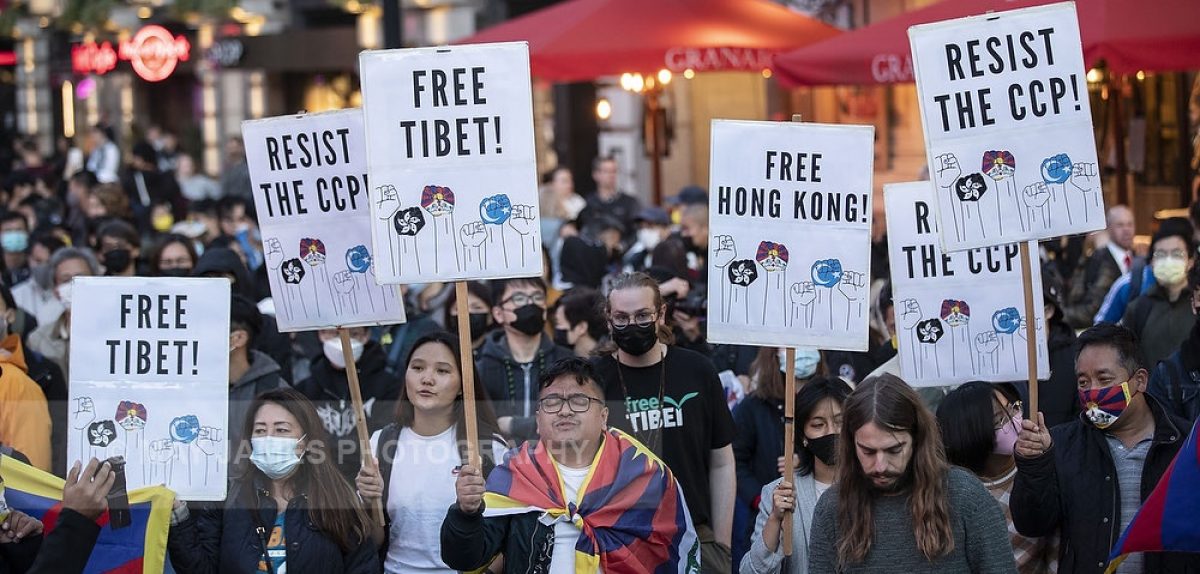
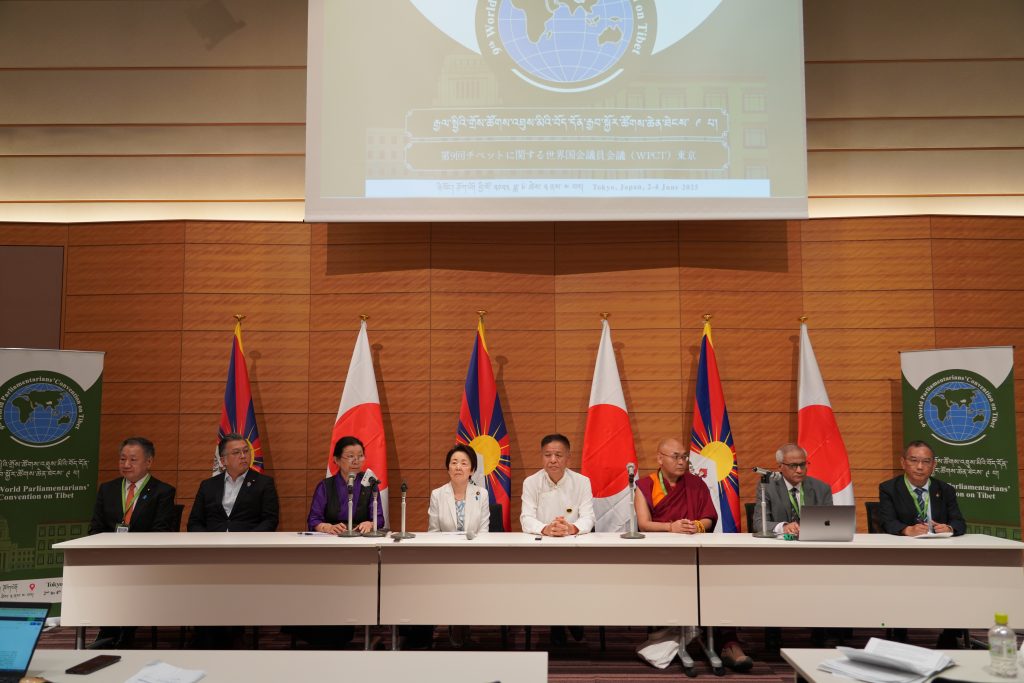

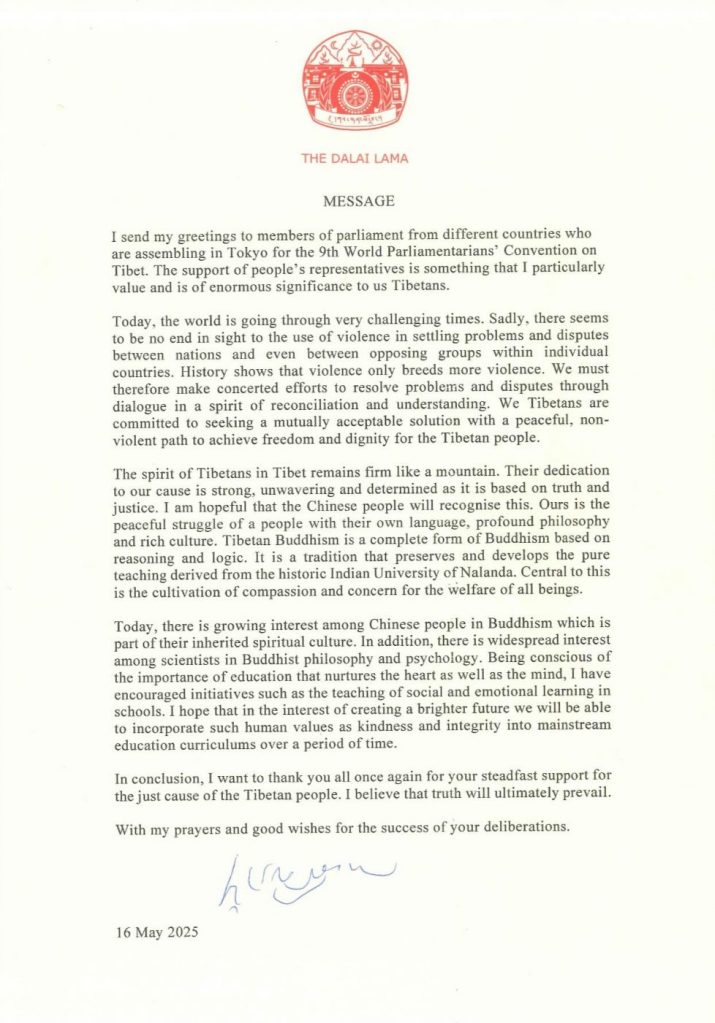
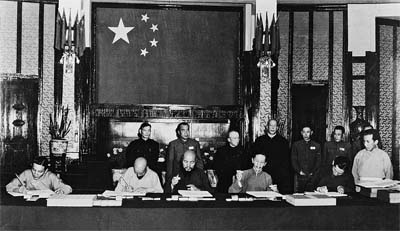


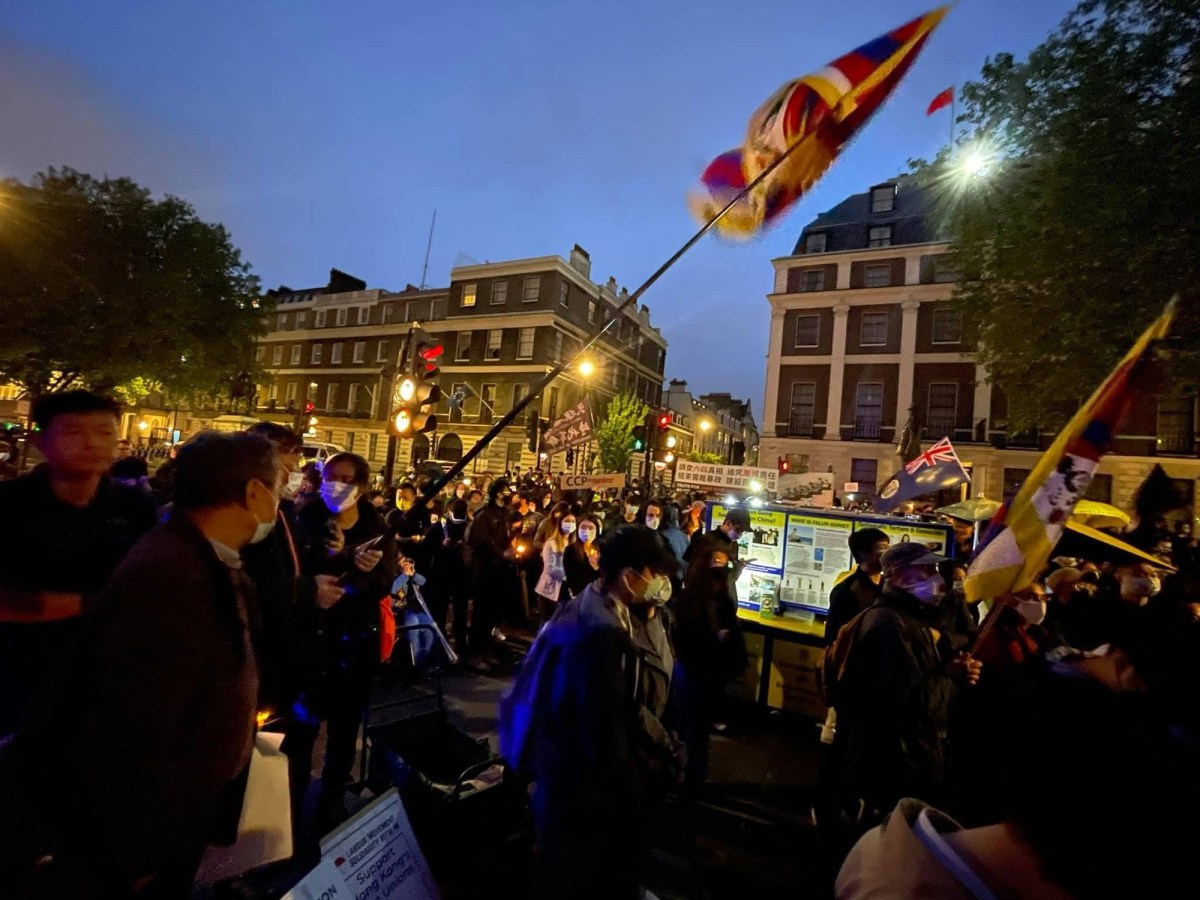


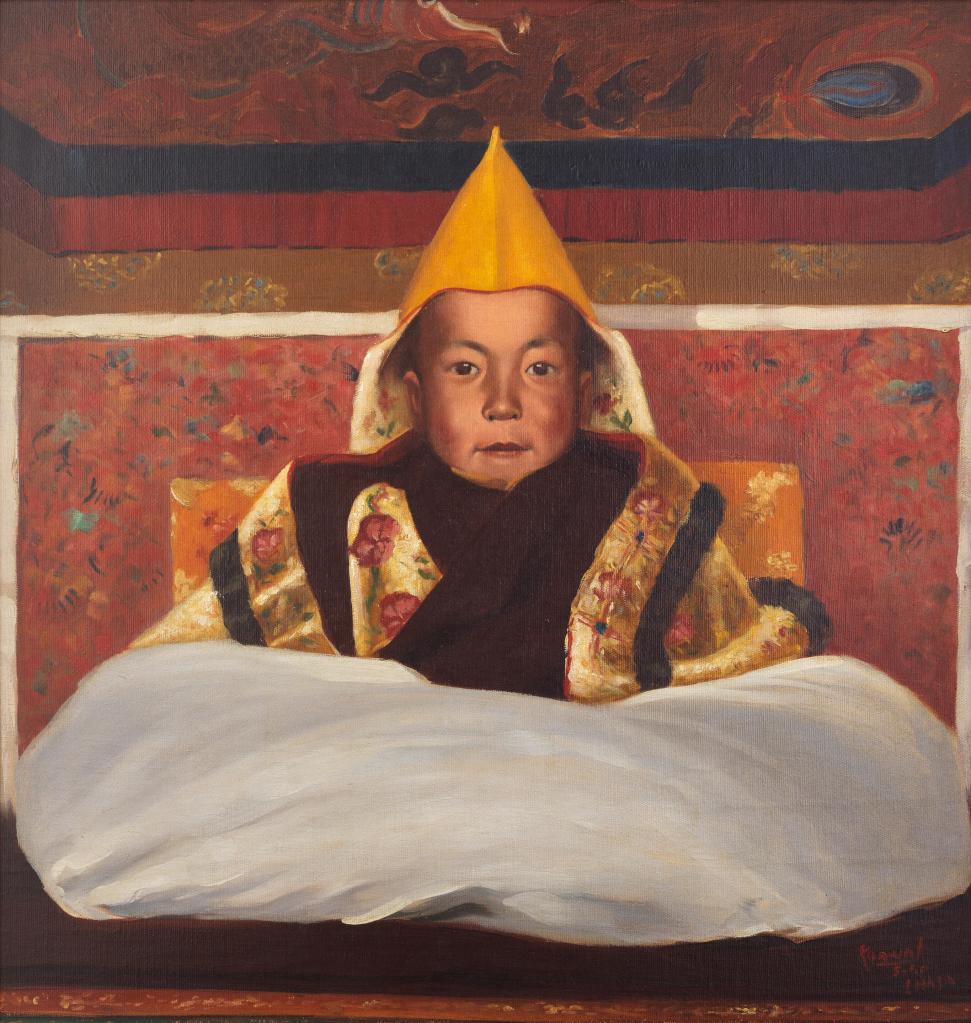
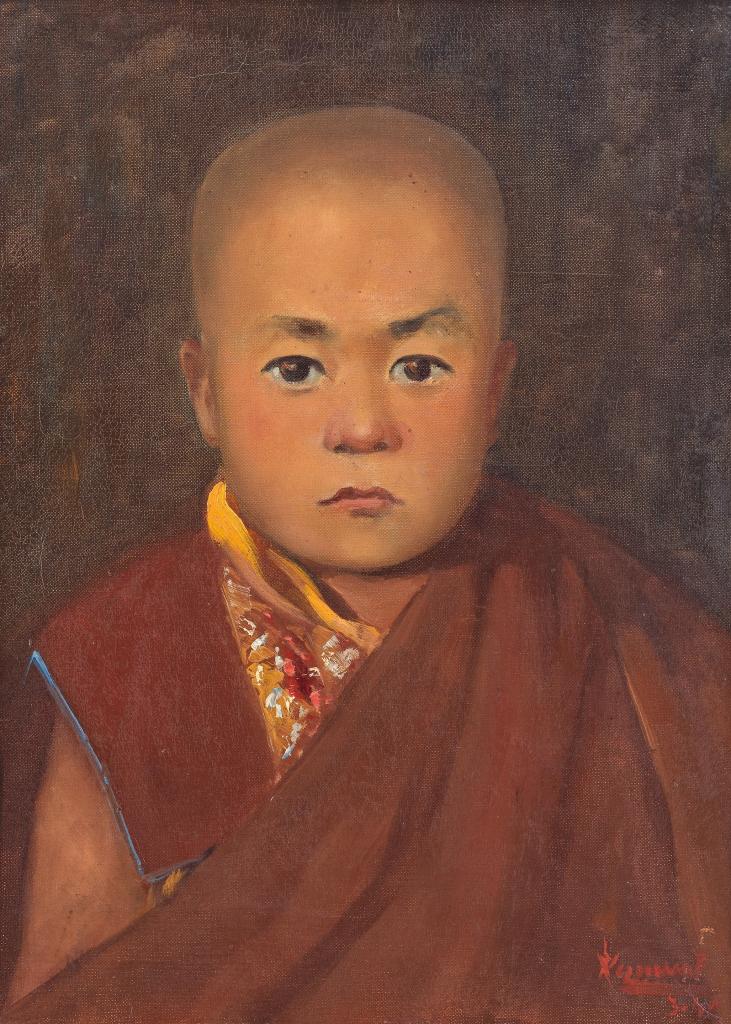


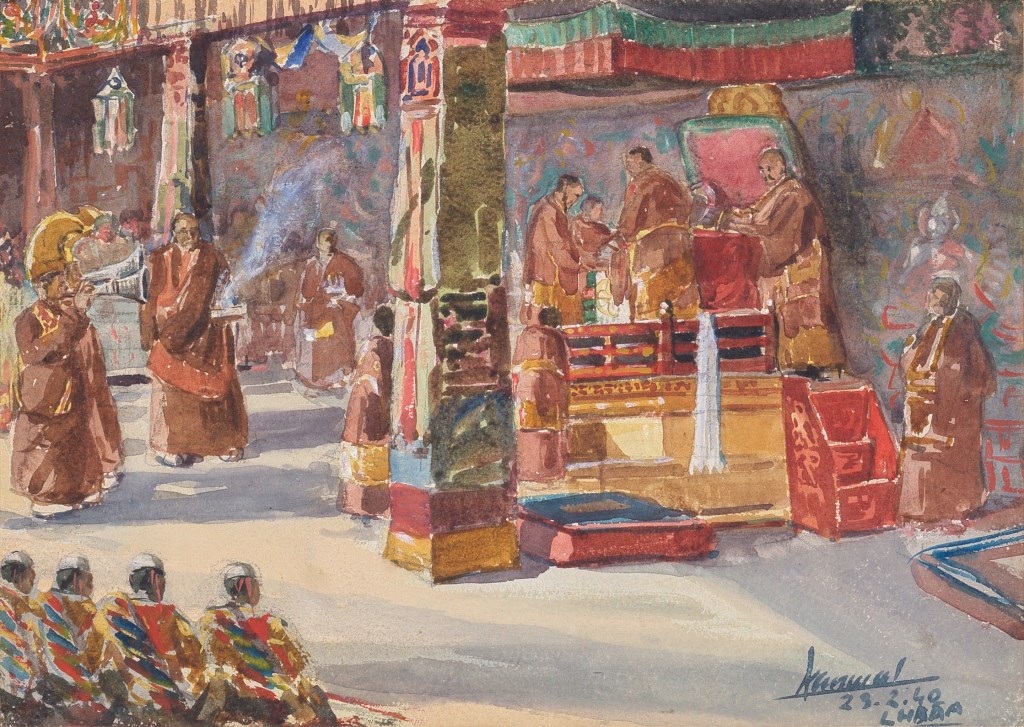
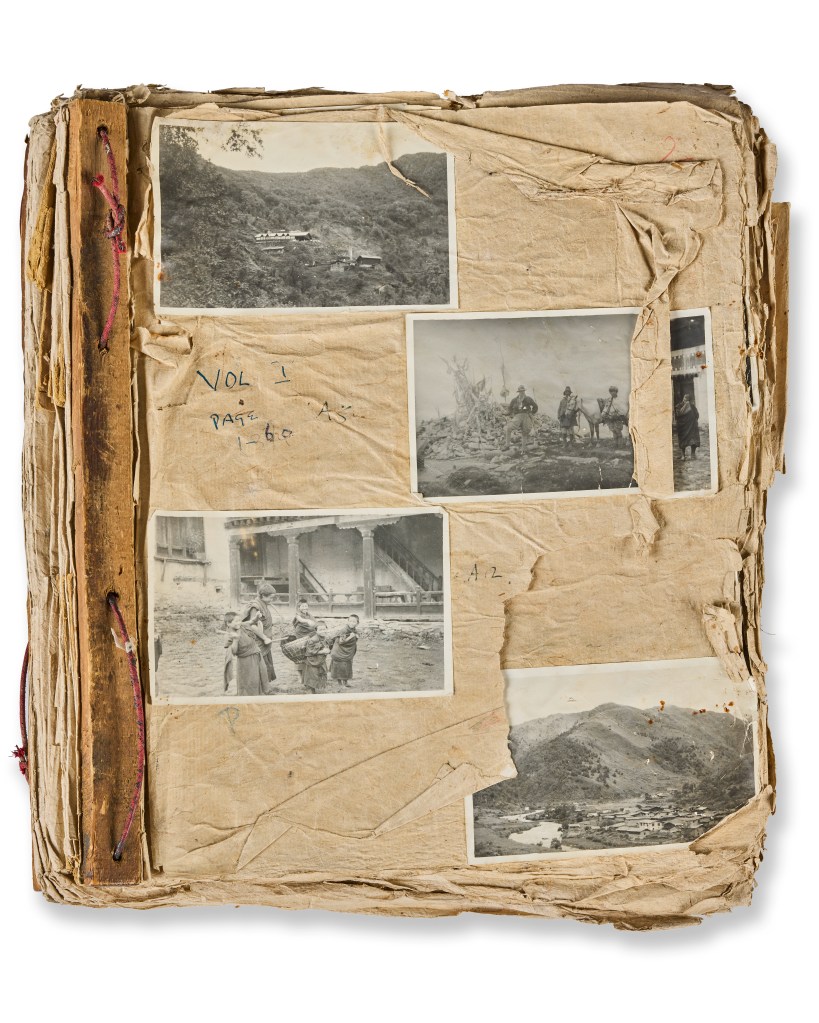

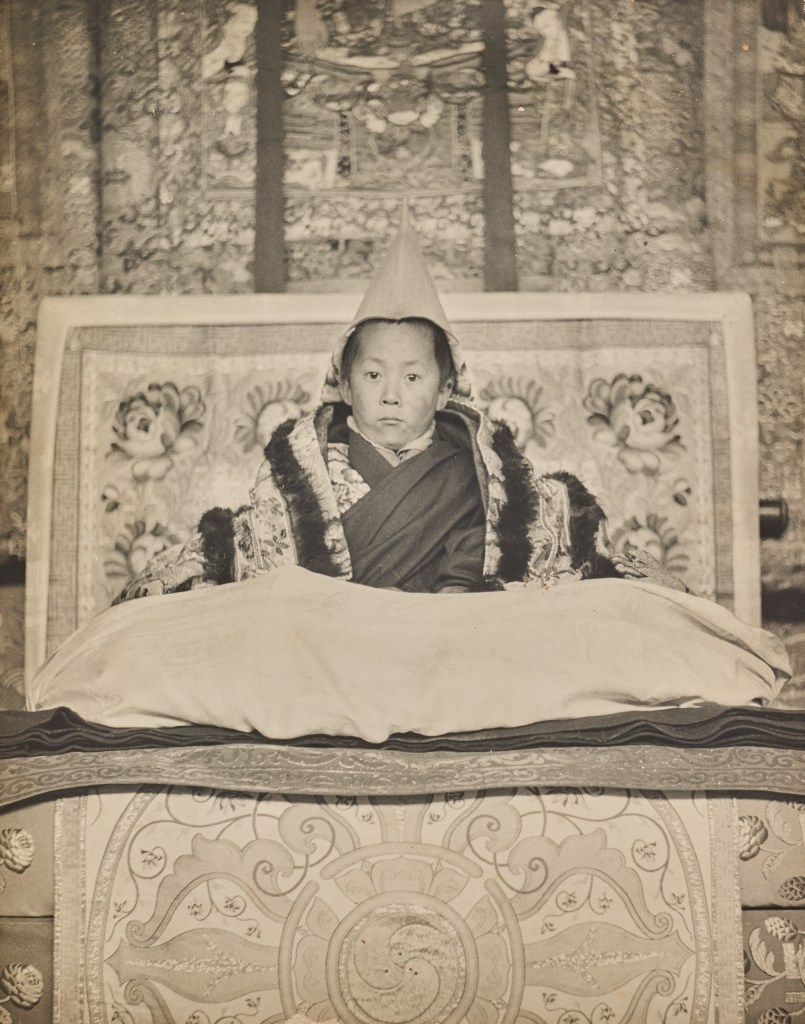
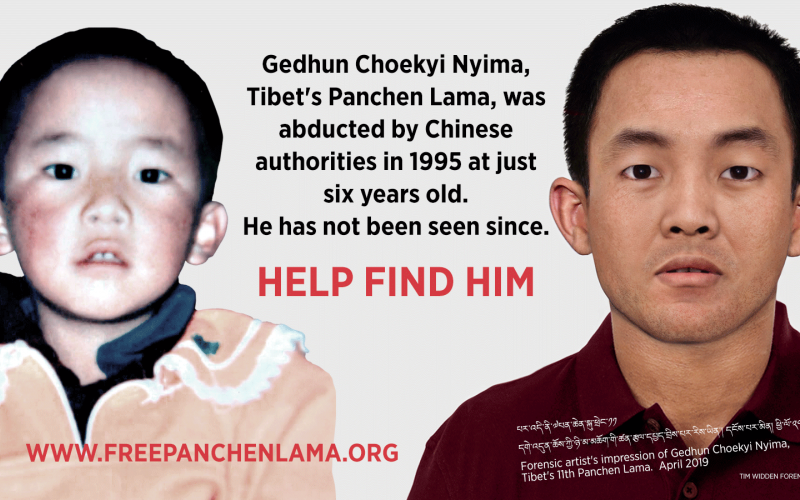


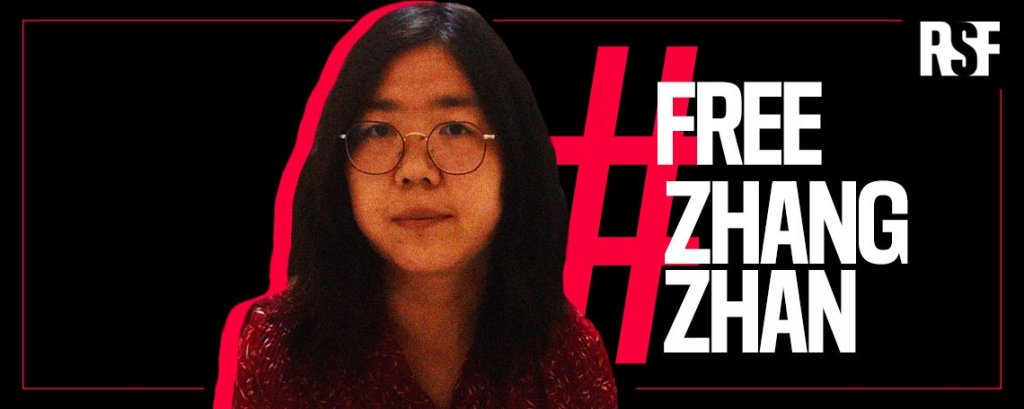
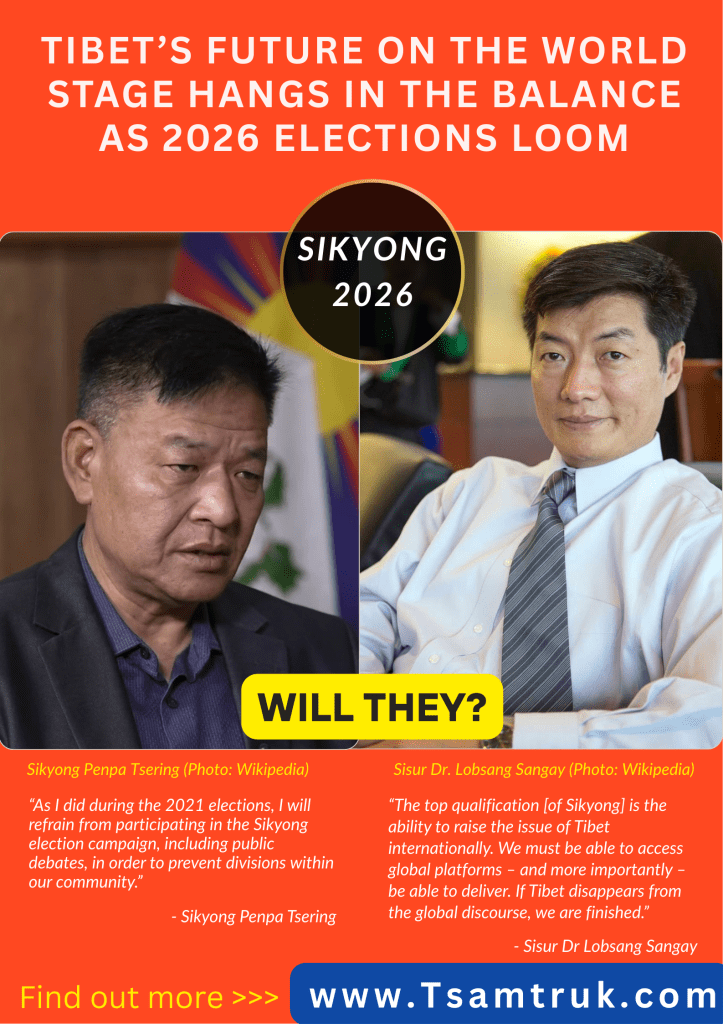
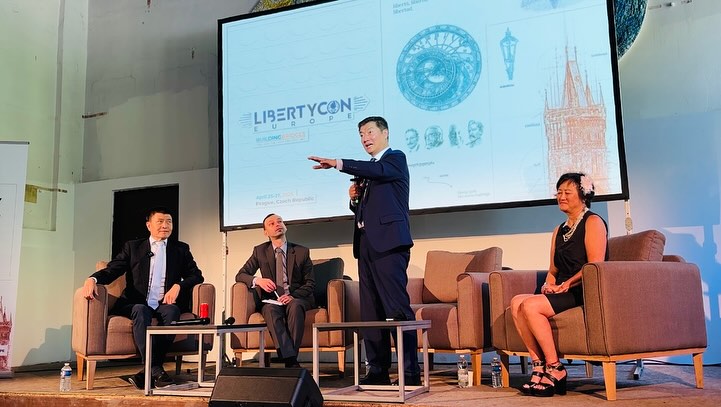

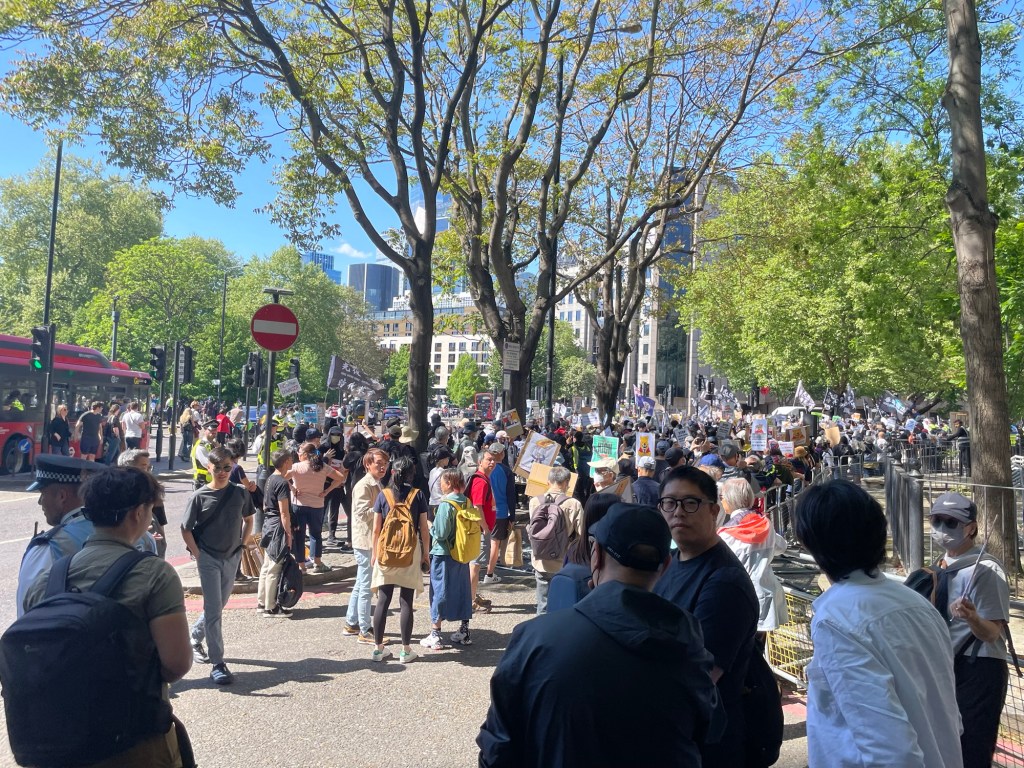
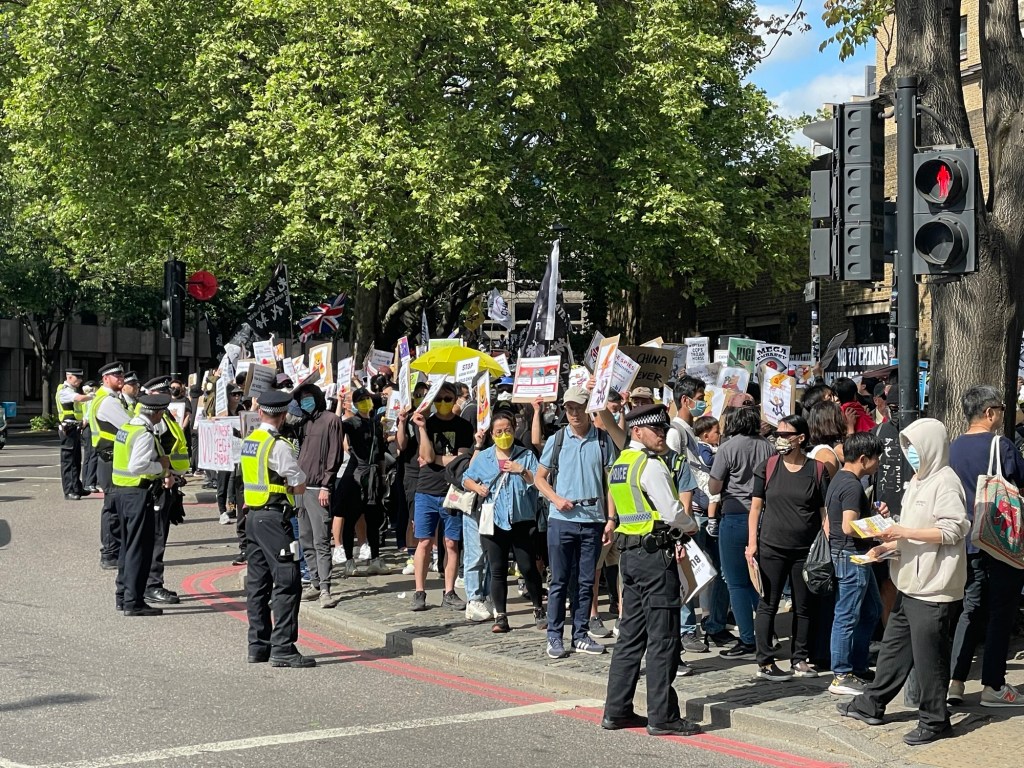

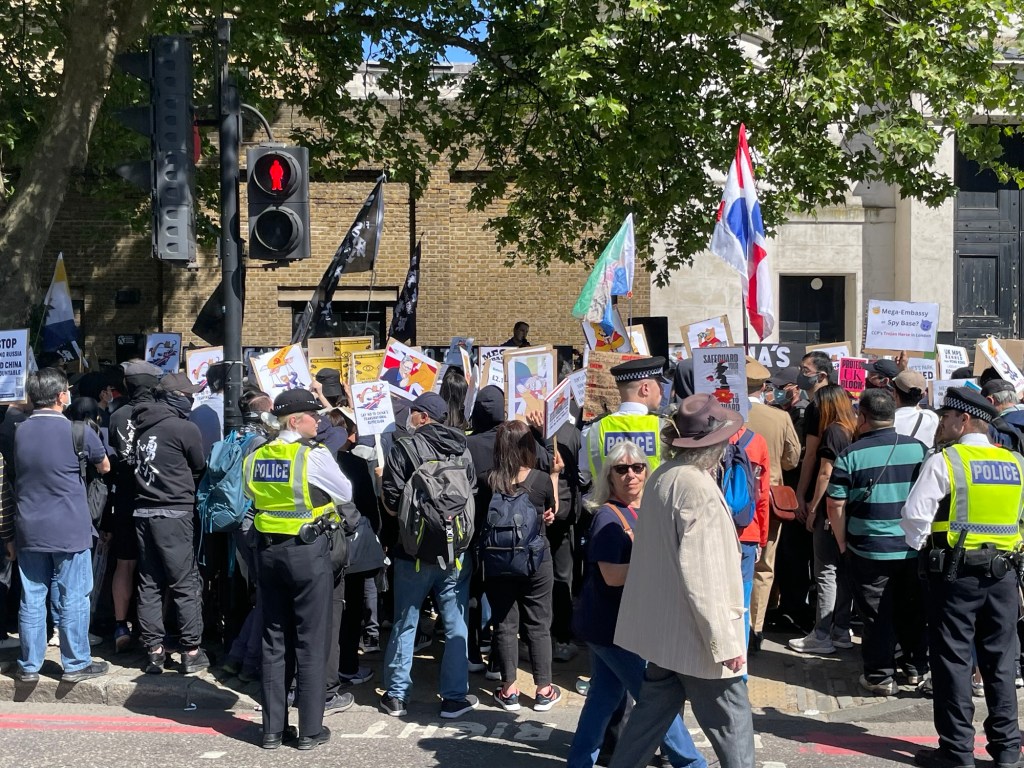
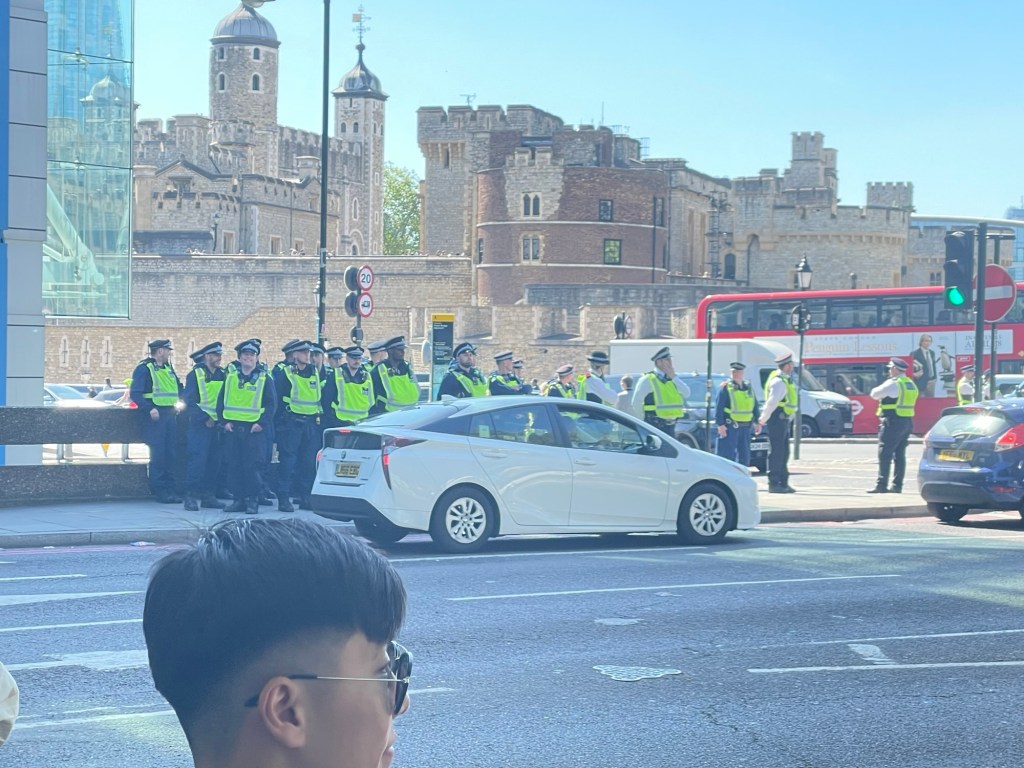
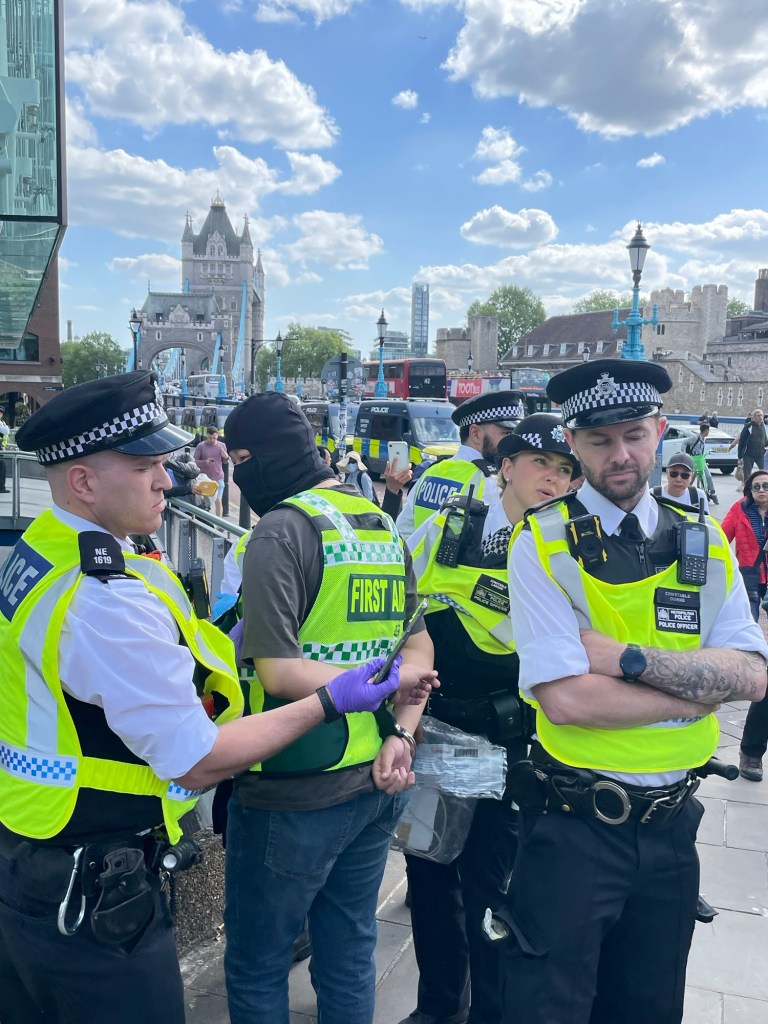
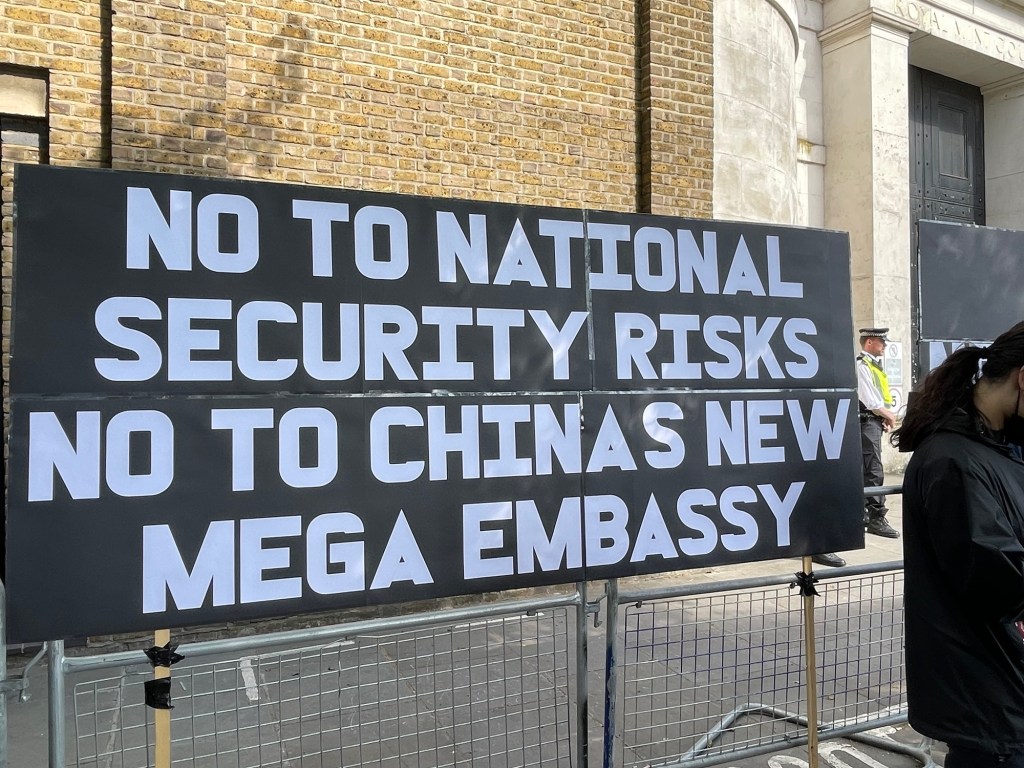
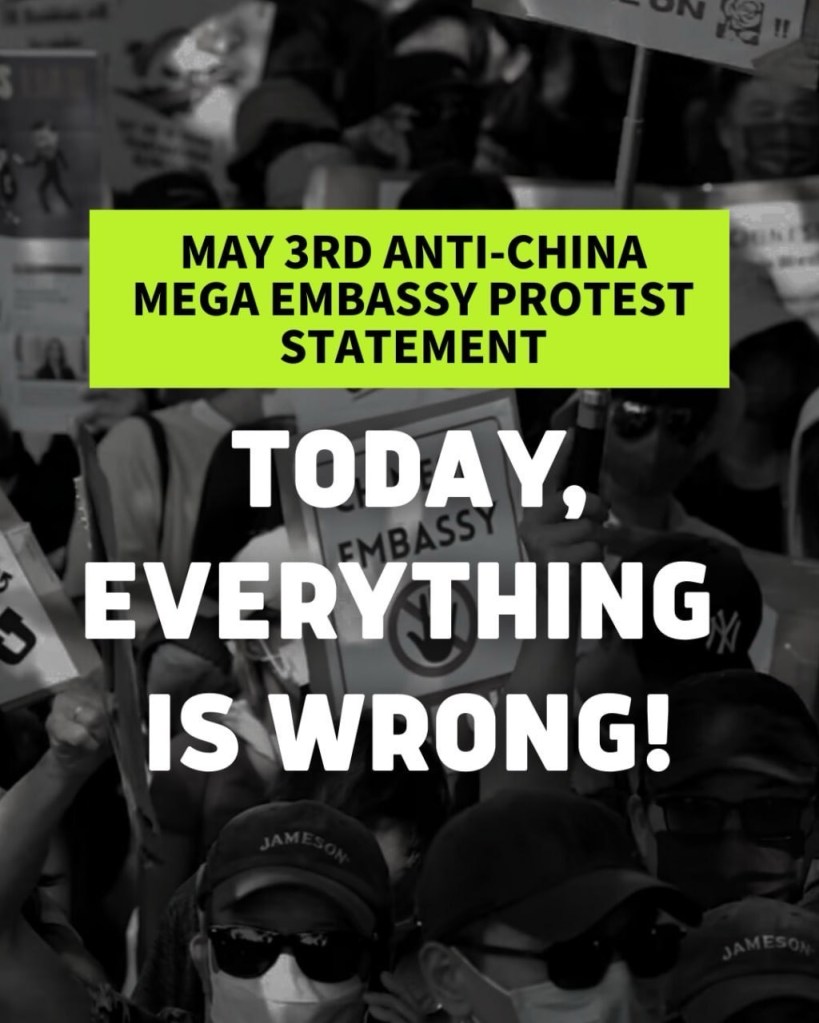

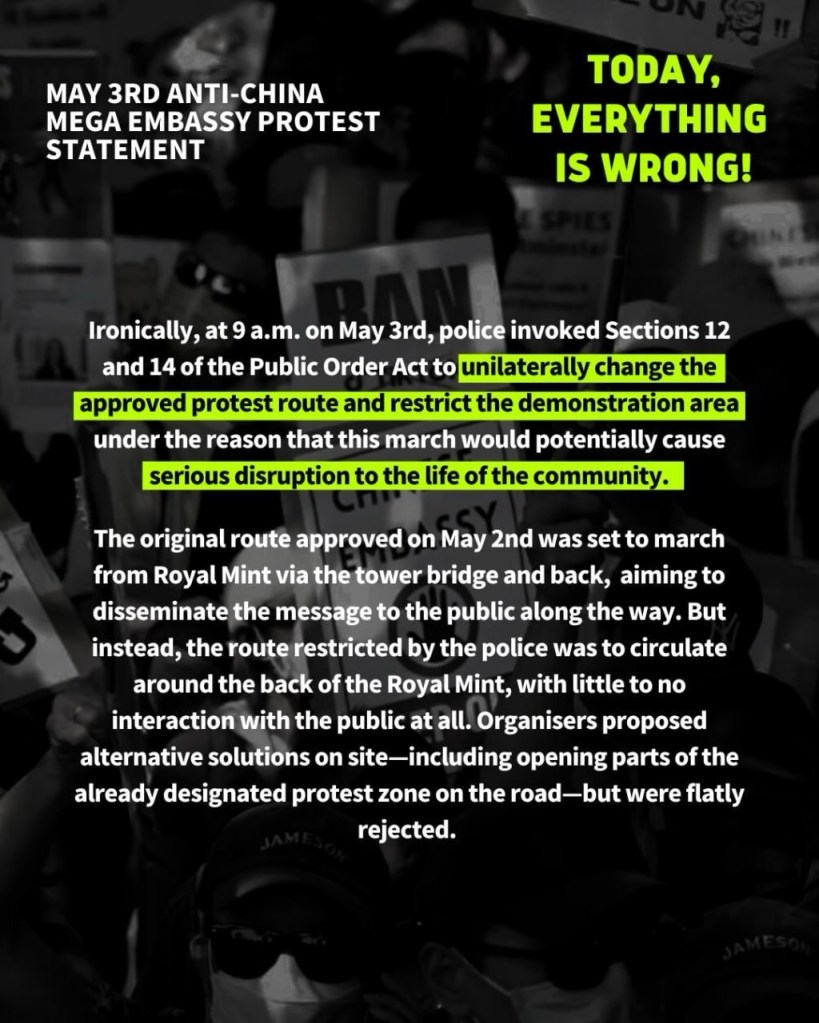
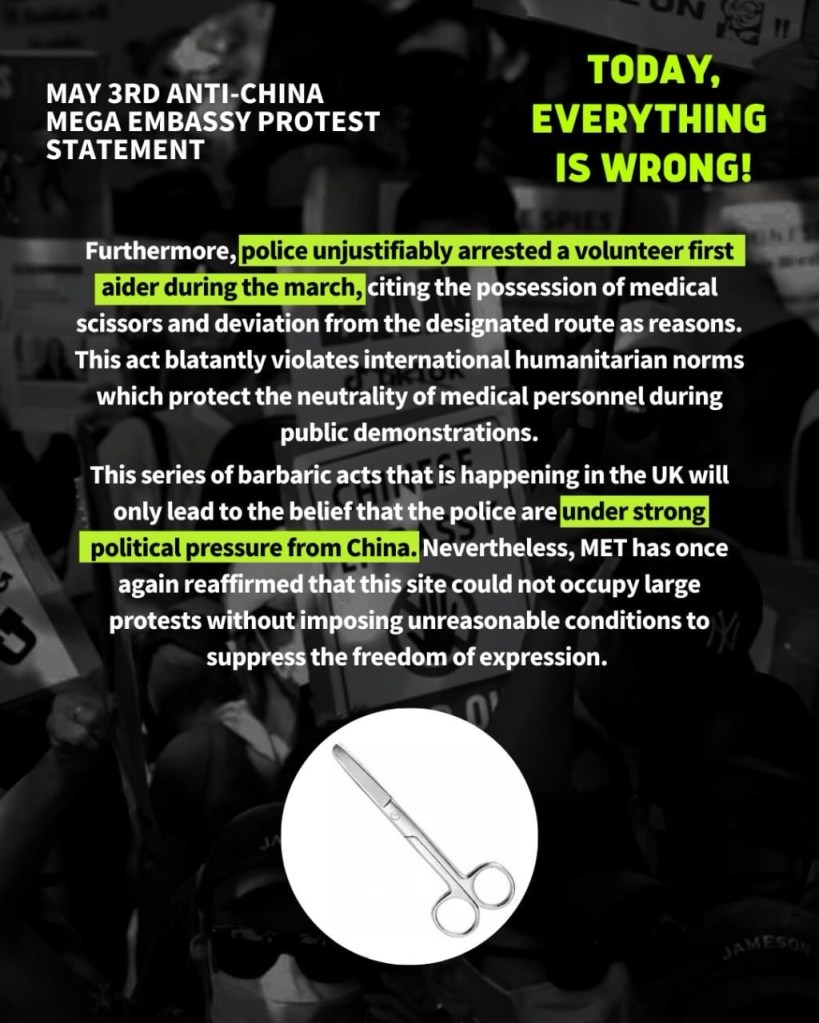
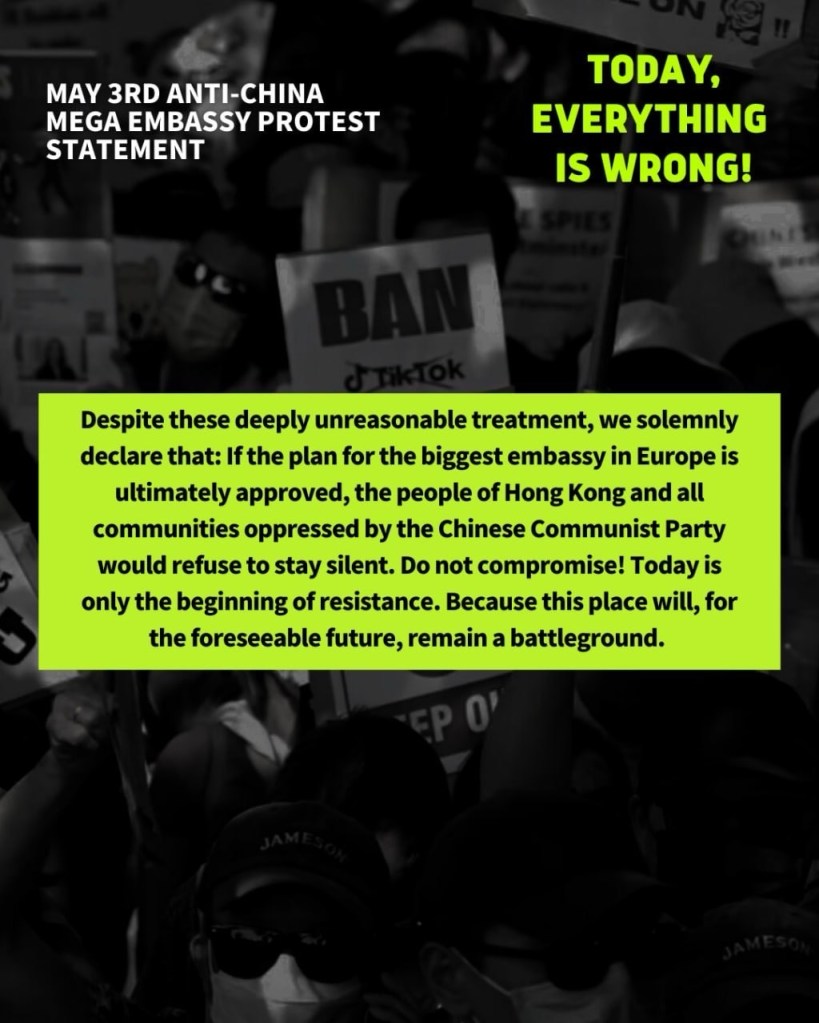


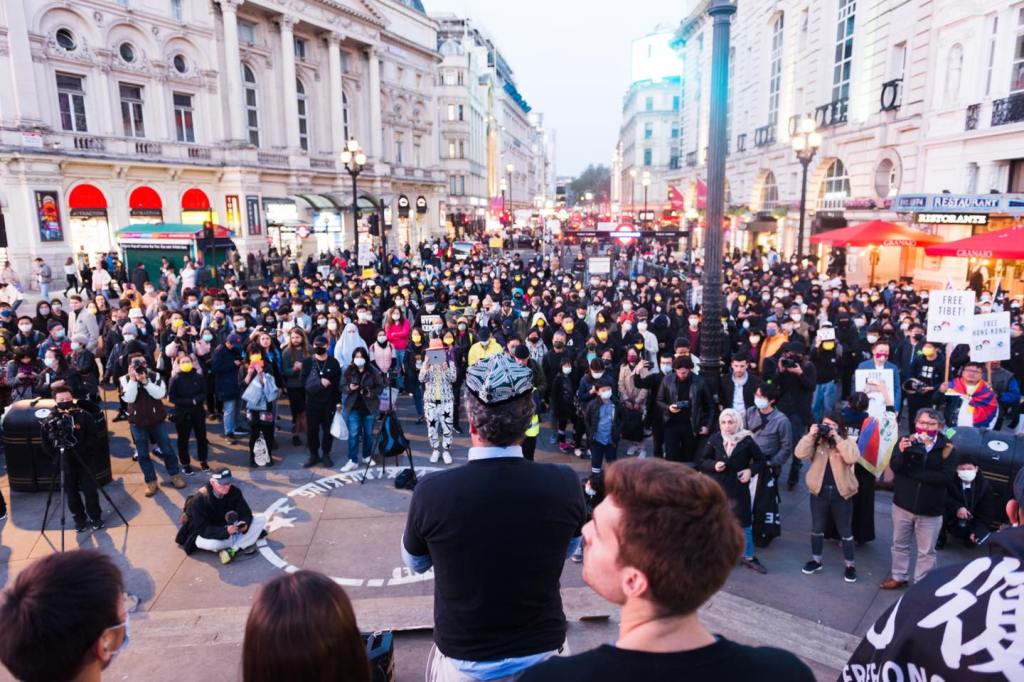


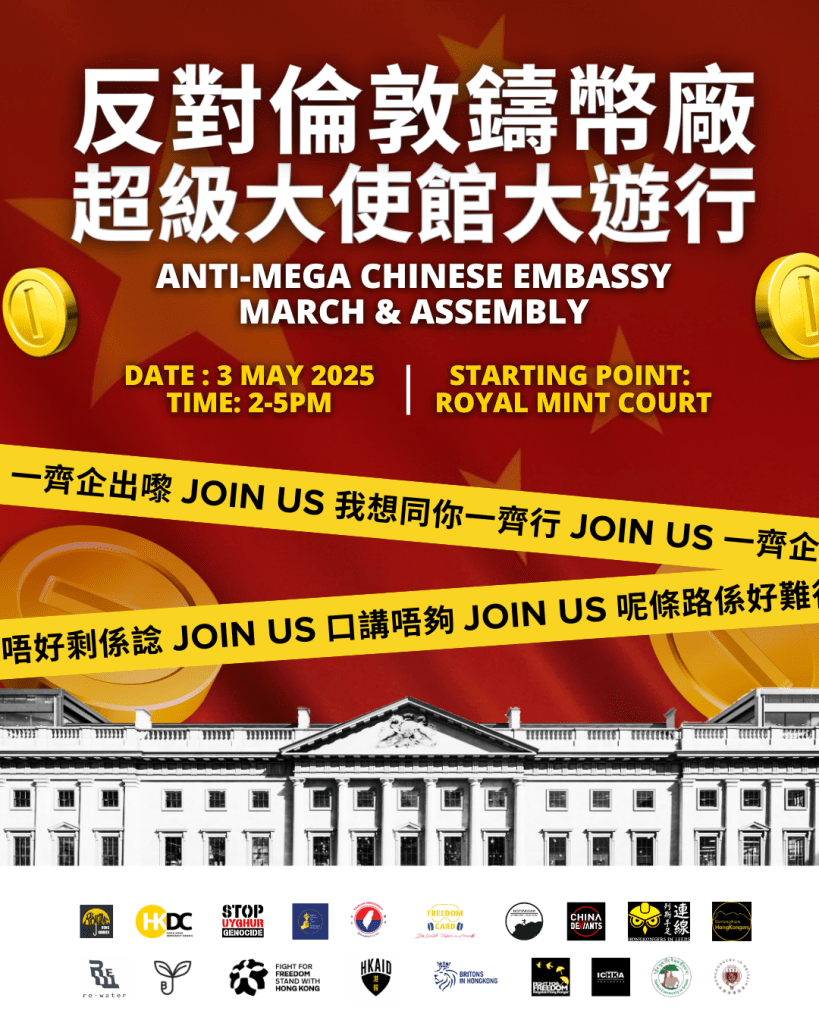
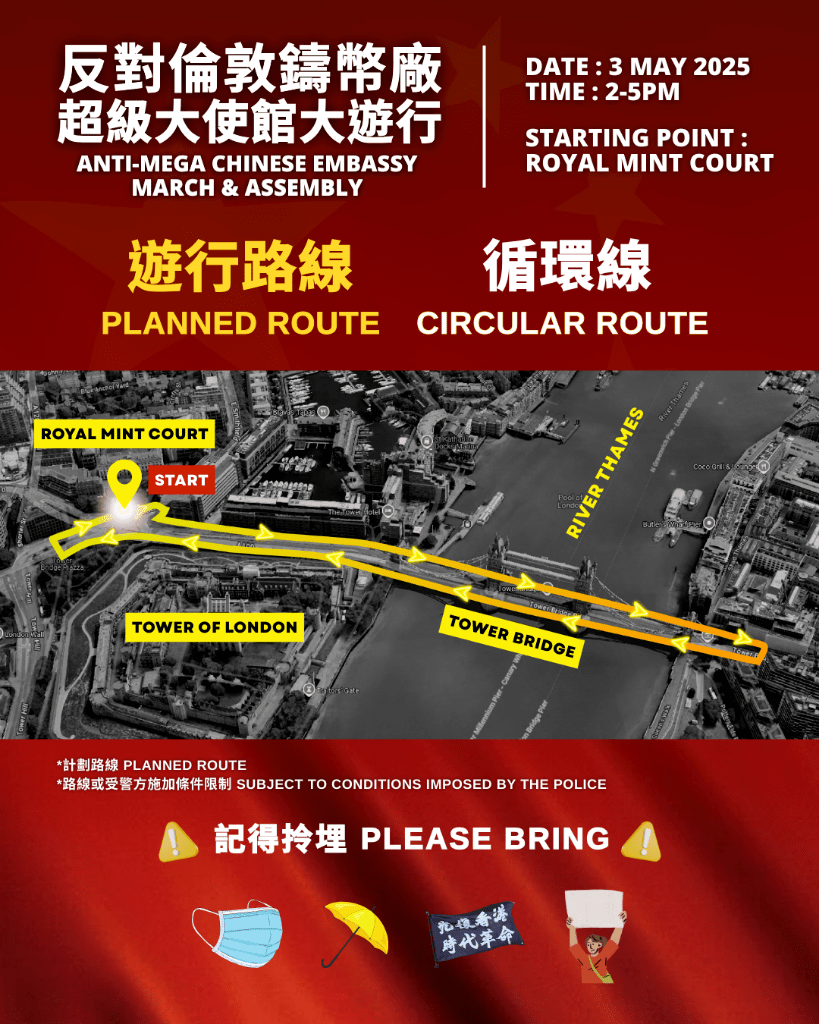

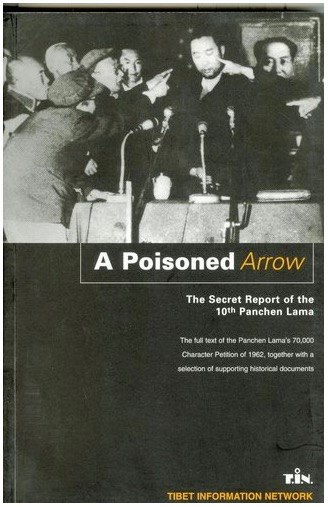



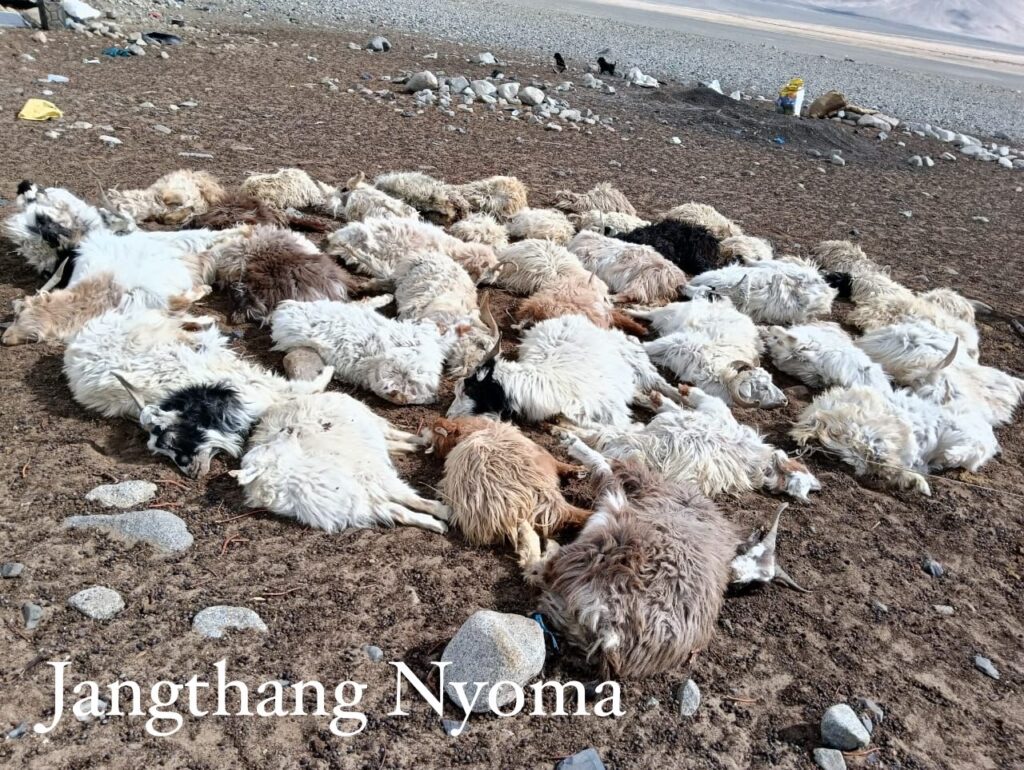

![[Book Review] Voice for the Voiceless: Over Seven Decades of Struggle with China for My Land and My People](https://tsamtruk.com/wp-content/uploads/2023/01/dalailama.jpeg?w=1200)

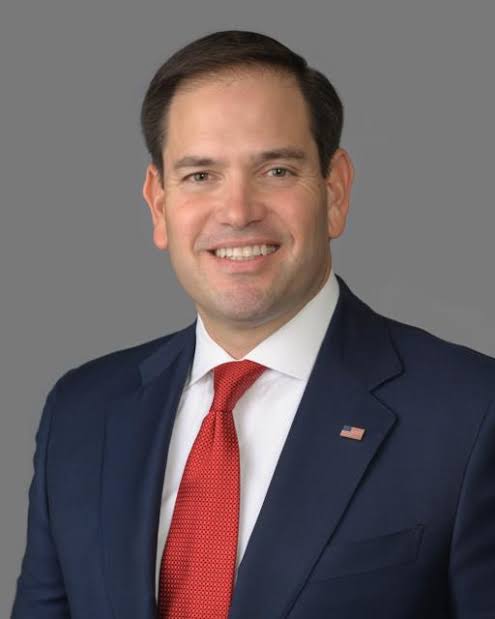


 Global Alliance for Tibet & Persecuted Minorities (GATPM)

You must be logged in to post a comment.