The interview, conducted in Dharamsala before Sikyong Penpa Tsering embarked on foreign visits to south and north America, was broadcast to coincide with his arrival in the US last week. In Washington DC, the Tibetan leader met with senior figures from both political parties. He is due to meet with the US government officials.
Sikyong Penpa Tsering candidly talks about his administration’s relations with the Biden and the Tsai Ing-wen administrations in Washington DC and Taipei respectively. He also speaks about the Central Tibetan Administration’s relations with India. In addition, the Tibetan leader shares his view on the growing political situation around the world.
Sikyong Penpa Tsering says that Taiwan’s policy on Tibet supports the Tibetan people’s right to “self-determination”. This has warmed up the relationship between Dharamsala and Taipei. Since he took the Office of Sikyong over two years ago, there were several exchanges of ministerial visits between the two sides, the Tibetan leader adds.
Whilst reiterating Tibet’s historical independence status, Sikyong Penpa Tsering expresses his commitment to the Dalai Lama’s proposed “Middle-Way” policy towards finding a lasting political resolution to the China-Tibet conflict. However, the Tibetan elected leader refutes China’s attempt to apply “One-China” principle to Tibet. He also criticises China’s cultural genocide in Tibet. He says that there is currently no “official” communication between Dharamsala and Beijing.
China’s occupation of Tibet
After the Communist Party of China (CCP) came to power and with the establishment of the People’s Republic of China (PRC), Mao Tsetung declared the so-called “peaceful liberation” of Tibet from foreign imperialists, on 1st October 1949. Soon, the People’s Liberation Army (PLA) troops marched into Tibet from the eastern frontiers. For Tibetans, this was the beginning of modern China’s invasion of Tibet in the post Second World War.
On the night of 17th March 1959, the Dalai Lama decided to leave Lhasa immediately. According to his autobiography, the Dalai Lama, disguised as an ordinary soldier, rode out of his palace on horseback “unchallenged [and moved] towards the dark road beyond”.
After nearly two weeks of a treacherous journey, with protection provided by the volunteer Tibetan resistance forces, the Dalai Lama reached safety in India, on 31st March 1959. He then set up the ‘Tibet’s Government-in-exile’ – officially known as the Central Tibetan Administration. A staunch believer in democracy, the Dalai Lama has introduced this western democratic system into Tibetan society, little by little since 1960.
In 2011, the Dalai Lama decided to fully relinquish his previously inherited political leadership, which had been sustained for nearly 400 years, by passing the historic seal to the directly elected Sikyong Dr. Lobsang Sangay, a legal scholar from Harvard University, who served two terms until May 2021.
Xi Jinping’s #CCPRegime supports terror groups including #Hamas. Beijing continues to arm and train militant groups worldwide and make friends with them. Beijing’s reluctance to condemn the brutal #terror attacks by #Hamas against the Israeli people is an evidence of #CCPChina’s real support to terror groups.
For Tibetans, #CCPRegime is a terror group, the big bully neighbour, who deployed its military forces and occupied #Tibet soon after the #PRC was established on 1st October 1949.
It is also a fact that the peaceful Tibetans had never provoked the China nation that deserved military occupation by #CCPChina. Over a million Tibetans were killed by #CCPChina’s PLA troops in the name of “peaceful liberation” of Tibet from foreign imperialists.
Moreso, #CCPChina forced Tibetan children to kill their parents. #CCPChina troops raped Tibetan mothers in front of their children, raped daughters in front of their parents. They even forced Tibetan monks and nuns out of their Buddhist learning centres.
Over 6000 Tibetan learning centres were destroyed by #CCPChina. China exploited Tibet’s rich natural resources, which were never exploited before.
Today, children from the age of 4 to 18 are forcefully admitted in Chinese-style colonial boarding schools with key intent to annihilate the Tibetan identity, language and culture.
The recent re-election of #CCPChina to the #UN #HumanRightsCouncil is a reflection of real deterioration of human rights in today’s world. Those nations, who supported #CCPChina’s re-election to the #UN #HumanRightsCouncil should be ashamed of their alignment with the China’s poor human rights records and its big bully attitude.
A negotiated resolution to the Tibet-China conflict provides the best hope for long-term regional stability, the State Department says in a new report to Congress that calls on China to create the conditions for a sustainable agreement.
In its annual Report to Congress on Tibet Negotiations, the State Department says: “The U.S. government believes that a negotiated resolution that leads to meaningful autonomy for Tibetans and ensures they are able to freely practice their religion, culture, and language provides the best hope for long-term stability in the region.”
The report arrives as Penpa Tsering, the Tibetan Sikyong (President), is set to visit Washington, DC next week, where he will meet with State Department officials, members of Congress, journalists and others.
The report, which is a requirement of the Tibetan Policy Act of 2002, notes that China has not taken part in negotiations with Tibetan leaders since 2010.
International Campaign for Tibet President Tencho Gyatso said: “This report is mandated by Congress for the administration to address the need for resolution of the Tibet-China conflict.
“ICT calls on Congress and the State Department to embrace the bipartisan Promoting a Resolution to the Tibet-China Conflict Act, which will pressure the Chinese government to get back to the negotiating table.”
Creating the conditions
The Chinese government has occupied Tibet for over 60 years, turning it into the least-free country on Earth alongside South Sudan and Syria, according to watchdog group Freedom House.
The State Department report says the US “remains concerned by the lack of meaningful autonomy for Tibetans within the [People’s Republic of China], ongoing abuses of the human rights of Tibetans in the PRC, and efforts by PRC authorities to eliminate the distinct religious, linguistic, and cultural identity of Tibetans.
“The United States believes the PRC government must address these concerns to create conditions for a sustainable settlement, which is essential to the long-term stability of the region,” the report adds.
China met for 10 rounds of dialogue with the Dalai Lama’s envoys beginning in 2002. However, no dialogue has taken place in 13 years.
The report says the US is also concerned about Chinese government interference in the selection, education and veneration of Tibetan Buddhist leaders. Beijing has long said it plans to appoint a successor to the 88-year-old Dalai Lama, which the US vowed to oppose in the Tibetan Policy and Support Act of 2020.
The report also urges China to give diplomats, journalists, tourists and others unrestricted access to Tibet. The report says Secretary of State Antony Blinken determined this year that China’s restrictions on access to Tibetan areas meet the standard under the Reciprocal Access to Tibet Act of 2018 “for mandatory visa ineligibilities for officials substantially involved in such restrictions.”
US efforts
The report highlights efforts by US officials over the reporting year, May 1, 2022 to April 30, 2023, to encourage a renewal of the dialogue process and establish the conditions for a sustainable settlement.
According to the report, these efforts included:
Under Secretary of State Uzra Zeya, who serves as Special Coordinator for Tibetan Issues, calling on China to return to dialogue at an event hosted by the US Mission in Geneva on the human rights implications of the Dalai Lama’s succession.
President Joe Biden raising concerns about China’s policies in Tibet during a meeting with Chinese President Xi Jinping in November 2022.
US officials calling out China’s mass DNA collection in Tibet, forced separation of over 1 million Tibetan children from their families and other outrageous human rights abuses.
The US designating Chinese officials Wu Yingjie and Zhang Hongbo with the first sanctions for serious human rights abuses in Tibet under the Global Magnitsky program.
The Tibet Policy Act mandates that “The President and the Secretary should encourage the Government of the People’s Republic of China to enter into a dialogue with the Dalai Lama or his representatives leading to a negotiated agreement on Tibet.” Further, it says reports on negotiations should detail steps taken by the President and the Secretary.
Need to redouble efforts
However, ICT underscores that the report fails to provide details regarding meetings by President Biden and Secretary Blinken with Chinese leaders on how Tibet was raised.
During the reporting year, Biden had one meeting (November 2022) with Xi and a phone call with him (July 2022). During the same period, Blinken had three meetings (July 2022, September 2022 and February 2023) with his Chinese counterpart Wang Yi and two phone calls with him (November 2022 and February 2023). Other White House and State Department officials, including the US Ambassador to China, had at least six meetings with Chinese officials during the period.
The State Department report does not detail any elevation of greater American efforts to support the dialogue, despite the extended period of time since the last negotiations between envoys of the Dalai Lama and the Chinese leadership. In light of the 13 years that have passed since the ninth round of dialogue, the United States must redouble its efforts to bring the PRC back to the table and effectively help in bringing about a negotiated settlement on Tibet.
Sikyong visit
The report also notes that US leaders met several times with the Dalai Lama and with Penpa Tsering, the President (Sikyong) of the exile-based Central Tibetan Administration.
Joint Statement Opposing China’s Candidacy to the Human Rights Council
October 10, 2023
We, the undersigned human rights organizations, write to firmly oppose the candidacy of the People’s Republic of China for re-election to the UN Human Rights Council, and urge Member States at the General Assembly not to vote for China and to leave an empty seat. China is demonstrably unfit to hold a seat on the UN’s top body responsible for the promotion and protection of all human rights around the globe.
On October 10, the UN General Assembly will elect 15 new Council members that will serve for a period of three years starting in January 2024, including four seats in the group of Asia-Pacific States. China is competing on a “closed slate” for these seats along with Kuwait, Indonesia, and Japan, meaning they are running effectively unopposed.
UN Member States voting for Human Rights Council candidates are urged, under General Assembly Resolution 60/251, to “take into account the contribution of candidates to the promotion and protection of human rights.”
Furthermore, candidates commit themselves to “uphold the highest standards in the promotion and protection of human rights,” and to fully cooperate with the Council and its mechanisms. China has utterly failed to meet these expectations for candidates, and has actively sought to undermine the promotion and protection of universal human rights around the world.
The Chinese government has used its power and influence to attempt to silence the voice of civil society at the UN. The UN Secretary-General has recognized China as engaging in “patterns of intimidation and reprisals” against human rights defenders and remains one of the top perpetrators of reprisals globally.
Despite indicating its willingness to “cooperate” with UN mechanisms and special procedures mandate-holders, China has allowed access to only one UN expert since 2018. Multiple, repeated requests for country visits by at least 15 human rights experts stretching back two decades have gone ignored. China has consistently dismissed all concerns about human rights violations raised at the Human Rights Council or by UN Special Procedures and Treaty Bodies, and attacked Special Procedures mandate-holders in public statements.
The High Commissioner for Human Rights was granted limited access in May 2022, where she said was “accompanied by government officials” and not able to speak with Uyghurs detained or their families. China concurrently sought to halt the publication of an OHCHR report on serious human rights violations in the Uyghur region, and said that it would not cooperate with OHCHR following its release.
Over 40 UN experts have also called for “decisive measures to protect fundamental freedoms” in China and called on the Human Rights Council “to act with a sense of urgency” to address human rights violations. Experts have also urged the Human Rights Council to establish a special session or create “an impartial and independent United Nations mechanism” to monitor, analyze, and report annually on the human rights situation in China.
The Chinese government has also cracked down on human rights defenders and rights lawyers with increasing severity. Most independent civil society groups have been disbanded and their members jailed, tortured, or forced to continue their work underground or forced into exile. Even so, they face harassment, surveillance, and detention for attempting to continue to defend the rights of those left behind or repressed by the Chinese system. UN experts and treaty bodies have repeatedly raised grave concerns about the repression of human rights defenders. The Working Group on Arbitrary Detention noted that it has made more than 100 arbitrary detention findings in China and that such systematic violation of international law may itself constitute crimes against humanity.
In East Turkistan, the Chinese government has subjected Uyghurs and other Turkic groups to widespread, systematic persecution on the basis of their ethnic identity. In August 2022, the UN High Commissioner for Human Rights released an assessment documenting widespread human rights abuses in the Uyghur region, and found that these abuses may amount to crimes against humanity. The Committee on the Elimination of Racial Discrimination, in an Opinion from November 2022, reminded China of its “responsibility to cooperate to bring to an end … serious violations of the peremptory norm of the prohibition of racial discrimination,” and referred the issue to the Special Advisor of the Secretary-General on the Responsibility to Protect. Numerous UN experts and Treaty Bodies have similarly raised serious concerns about arbitrary detention, forced labour, cultural and language rights, and sexual and gender-based violence.
Over the past 12 months, multiple UN human rights bodies have raised alarm at the escalation of human rights abuses in Tibet, including the residential school system that has seen at least one million Tibetan children separated from their families and communities; an extensive labour transfer programme and a massive involuntary relocation policy; the imprisonment of Tibetan environmental defenders; the systematic suppression of religious freedom; and the sidelining of Tibetan language education. Tibetans continue to be subject to omnipresent surveillance, enforced disappearances, torture and death in custody and UN experts have warned of a “worrying pattern of arbitrary and incommunicado detentions [against Tibetans].” In early 2023, the UN Committee on Economic, Social, and Cultural Rights and UN Committee on the Elimination of Discrimination against Women called on China to immediately abolish the coercive residential school system in Tibet.
In Hong Kong, the promulgation of the National Security Law (NSL) by the Central Government in 2020 dismantled the civil society and people’s fundamental rights and freedom, targeting academics, media outlets, and civil society organisations and affecting millions of Hong Kongers in the city. UN experts have expressed concerns about arrests and detentions under the NSL, including those involving Chow Hang-Tung and Jimmy Lai. The UN Human Rights Committee has urged the government to repeal the NSL. Yet, the Chinese and Hong Kong governments have shown no sign of ceasing its crackdown on Hong Kong people with the recent issuance of bounties on eight exiled activists in the U.S., the U.K., and Australia and harassing their families in Hong Kong.
No country has a perfect rights record, and membership in the Human Rights Council can play a constructive role in improving human rights conditions in every country. The Chinese government, however, has consistently demonstrated a clear unwillingness to engage in good faith with the UN human rights system, and has taken steps to actively undermine internationally recognized human rights norms.
Of all 2020 Human Rights Council election candidates, China received the fewest number of votes, and lost a significant number of votes since its previous bid. Any increase in support would send the wrong message from the international community.
We therefore urge UN Member States at the General Assembly not to vote for China and to leave an empty seat.
Signed:
Alberta Uyghur Association
Association France-Tibet
Australia Tibet Council
Australian Uyghur Association
Australian Uyghur Tangritagh Women’s Association
Austria Uyghur Association
Bay Area Friends of Tibet
Belgium Uyghur Association
Bonham Tree Aid
Britons in Hong Kong
Campaign For Uyghurs
Center for Uyghur Studies
Chicago Solidarity with Hong Kong
China Against the Death Penalty
China Aid Association
Chinese Human Rights Defenders (CHRD)
Committee for Freedom in Hong Kong Foundation
Czech Support Tibet
Democracy for Hong Kong (D4HK)
Dutch Uyghur Human Rights Foundation
East Turkistan Association of Canada
East Turkistan Foundation
East Turkistan Science and Enlightenment Foundation
European East Turkistan Association
Filipino American Human Rights Alliance
Freiheit für Hongkong e.V.
German Cultural and Education Union
Global Alliance for Tibet & Persecuted Minorities
Global Centre for the Responsibility to Protect (GCR2P)
Grupo de Apoio ao Tibete-Portugal
Hong Kong Committee in Norway
Hong Kong Democracy Council
Hong Kong Forum, Los Angeles
Hong Kong Watch
Hong Kongers in San Francisco Bay Area
Hongkongers in Britain
Human Rights Action Group
Humanitarian China
Ilham Tohti Initiative
Institute For China’s Democratic Transition
International Campaign for Tibet
International Society for Human Rights, Munich chapter
International Tibet Network
International Uyghur Pen
Isa Yusuf Alptekin Foundation
Italia Tibet Associazione
Japan Uyghur Association
Justice 4 Uyghurs
Lady Liberty HK
NGO DEI
National Democratic Party of Tibet
New Yorkers Supporting Hong Kong
Norwegian Uyghur Committee
René Cassin, the Jewish Voice for Human Rights
Santa Barbara Friends of Tibet
Stop Uyghur Genocide Australia
Stop Uyghur Genocide UK
Swedish Tibet Committee
Swedish Uyghur Union
The Norwegian Tibet Committee
The Norwegian Uyghur Committee
Tibet Initiative Deutschland
Tibet Justice Center
Tibet Solidarity
Tibetan National Congress
Torontonian HongKongers Action Group
UK Uyghur Community
US Tibet Committee
Uyghur Academy
Uyghur Academy Foundation
Uyghur American Association
Uyghur American Association
Uyghur Association Switzerland
Uyghur Association of Victoria
Uyghur Center for Human Rights and Democracy
Uyghur Human Rights Project
Uyghur Project Foundation
Uyghur Projects Foundation
Uyghur Refugee Relief Fund
Uyghur Research Institute
Uyghur Rights Advocacy Project
Uyghur Youth Union in Kazakhstan
Victims of Communism Memorial Foundation
Washingtonians Supporting Hong Kong
We The Hongkongers
Western Australian Association for Pan-Asian Democracy
Crowded hospital halls, frantic doctors and nurses in protective suits, patients lying in the corridors, body bags piled up in a funeral van outside a hospital… In early February 2020, 57-year-old businessman Fang Bin drove around Wuhan and documented what he saw in five hospitals. The short videos he posted on social media gave a rare glimpse into what was happening in the epicentre of the pandemic under lockdown.
Mr Fang was detained by police briefly on 1 February 2020. In the next few days, he became more outspoken. Videos were widely shared on social media in which he commented that ‘tyranny lies at the root of this virus’. Then, on 9 February 2020, he vanished after calling ‘all citizens to resist’ tyranny and the government to ‘return the power to the people’ on YouTube, a platform banned in China.
The disappearances of Fang Bin, Zhang Zhan and at least two other citizen journalists drew the attention of world media. Although Mr Fang and his wife are known to the authorities as veteran Falun Gong activists, people who are familiar with him hesitated in mentioning his faith background when calling for his release. They may have been conscious of the social stigma attached to this belief group in China, or feared that he might be jailed not for his online speech but for his faith, or even that he might face mistreatment for it in police custody.
After all, that is what happened to his wife Feng Yunqing.
Ms Feng, who had a career in the internet industry starting in the 1990s, made videos about the government’s persecution of Falun Gong, Christian house churches and human rights activists with materials downloaded from the internet. Some of her videos were widely shared in groups on WeChat, China’s popular social media platform.
In May 2017, she was detained by police. However, she was not accused of disseminating information censored by the state: ‘picking quarrels and provoking trouble’ would be the typical charge. Instead, she was convicted of ‘using a cult to undermine law enforcement’, an offense applied widely to Falun Gong followers under Article 300 of China’s Criminal Law. She was jailed for seven years and six months, and remains in Wuhan Women’s Prison today.
Little was known about Fang Bin’s situation until he was released from prison on 30 April 2023. He had been imprisoned for three years for ‘picking quarrels and provoking trouble’. Friends believe that it was thanks to the continuous international attention to his case that Fang Bin was not given a harsher sentence by the authorities, either under Article 300 or for ‘inciting subversion’, a more serious crime, and was able to return home in one piece at all.
Sadly, there isn’t a home for him anymore.
A family separated for decades
At this point Fang and Feng are no strangers to the persecution of the Chinese Communist Party. In July 1999, they were enjoying a comfortable life with their young son in a village called ‘Happiness’ in Beijing, each having a well-paid job. Then came the crackdown on Falun Gong.
Fang Bin with his wife and son in an undated photo. Source: Twitter /Fang Bin
When the Chinese Communist Party began its full-scale crackdown on Falun Gong, life was shattered for this family; all happiness was destroyed.
In August 1999, when their boy was only three, Ms Feng was detained for her faith for the first time. She was released after 15 days, but since then the family has suffered forced evictions, harassment, long periods of separation, and the couple has been subjected to repeated detention and incarceration ever since.
Mr Fang was twice sentenced to re-education through labour (in 2000 and 2004), totalling five years.
Before her detention in 2017, Ms Feng had been sentenced to re-education through labour three times (in 2001, 2003 and 2007), totalling eight years. What landed them in all this trouble? Meeting with other Falun Gong practitioners; possessing or sharing Falun Gong materials; writing articles for overseas media…
Their son was deprived of a normal childhood. With either or both parents locked up most of the time while growing up, he had to be looked after by relatives in Beijing.
A friend recalls: ‘When his mother was taken away in 2003, Liangliang, who was only seven, watched the horrific scene. The young boy blocked the door to prevent the police officers from entering. He was shouting and begging the men not to take away his mother. At such a young age, he had already witnessed the cruel reality of his father and mother being taken away from him so many times, causing great trauma to that little heart.’
Today, father, mother and son still live in three places, with little prospect of family reunion: Fang Bin remains under strict surveillance since his release from prison; his jailed wife has been denied family visits by the authorities.
Fang Bin with his wife and son in an undated photo. Source: Twitter /Fang Bin
‘This was our happy family life in Beijing. Now we have been forced to separate from each other. It’s even difficult for the three of us to meet up.’
Fang Bin, 27 August 2023
The double vulnerability of being a Falun Gong human rights defender
The sad story of Fang Bin and his family is one of suffering and struggles against the backdrop of decades-long state oppression of a religious group. They are not the only activists who have been punishedparticularly severely for peacefully defending basic human rights as well as practising Falun Gong. Artist Xu Na and her ten friends have been imprisoned after releasing photos that show scenes in Beijing under Zero-COVID policy since July 2020.
Many Falun Gong detainees have been denied access to legal counsel; on the other hand, some human rights lawyers have had their licenses revoked for representing Falun Gong clients, for instance, Liang Xiaojun and Ren Quanniu. There have also been far too many reports of jailed Falun Gong practitioners dying due to torture.
Some practitioners and Falun Gong sympathisers have observed improvement in their situation in the Chinese society, compared to two decades ago, as the public is now remarkably less hostile towards the spiritual movement. However, the Chinese government’s persecution of this group has not stopped; criminal charges are still being brought against Falun Gong followers, purely for practising their faith, on a daily basis.
We must continue to stand with all courageous human rights defenders in China, such as Fang Bin, Feng Yunqing and Zhang Zhan. We should also honour their endeavours by speaking truth and fighting propaganda including the CCP’s official narrative surrounding the coronavirus pandemic.
The Chinese government must be held accountable for trampling on its citizens’ basic right to freedom of conscience and religion and freedom of opinion and expression.
By Tsering Passang, Founder & Chair, Global Alliance for Tibet & Persecuted Minorities
To coincide with the 74th founding anniversary of the People’s Republic of China, a coalition of UK rights groups and community organisations staged a peaceful protest in central London on Sunday, 1st October, to highlight gross violations of human rights and atrocities committed by the Chinese State.
Under Mao Tsetung’s dictatorship, the Communist Party of China (CCP) came to power and established the People’s Republic of China, on 1st October 1949, after the then ruling Kuomintang Government (The Nationalist – Republic of China – now Taiwan) was overthrown. Mao then ordered his PLA troops to invade East Turkestan and Tibet. Both these countries are still under the illegal occupation of the People’s Republic of China.
“Nothing to celebrate” was the central theme of the protest, organised by China’s persecuted communities, including Hongkongers, Southern Mongolians, Tibetans and Uyghurs. At 3pm, crowds of protesters gathered at St Martins-in-the-Fields, Trafalgar Square, where leading activists addressed the rally. Tenzin Kunga, Chairman of the Tibetan Community in Britain, who is also Advocacy Officer at Free Tibet, spoke on the purpose of organising the annual protest. Rahima Mahmut of the Stop Uyghur Genocide and Finn Lau of Hong Kong Liberty addressed the rally. Speakers highlighted how 74 years of Communist Party of China (CCP) rule have affected their nations and communities, from military invasions and occupations of their countries in 1950 to modern day human rights violations and crimes against humanity, including mass detentions, torture, religious repression, cultural eradication and violence from police and security forces.
Statement by All-Party Parliamentary Group (APPG) for Tibet
A Statement issued by the All-Party Parliamentary Group (APPG) for Tibet was read at the rally. An excerpt of the statement says: “Even after more than seven decades of international campaign and advocacy for freedom, Tibet continues to remain under a brutal Chinese occupation. Since 2009, over 155 Tibetans have made the ultimate sacrifice, giving their lives in self-immolations protests, a reflection of the pain Tibetans feel at the occupation of their country and the systematic eradication of their identity.
“Furthermore, the Chinese government operates a coercive residential school system in Tibet with the aim of cultural assimilation of Tibetan children into the majority Han culture. At the same time, it shuts Tibetan-language schools and marginalises the Tibetan language. The UN Committee on Economic, Social and Cultural Rights (CESCR) has strongly criticised the residential schools policy, calling for it to be immediately abolished.
“Despite this despair, Tibetans inside Tibet have never stopped resisting. We salute their bravery and support their struggle for freedom.
“We need the UK government to hold China accountable for its actions in Tibet, as well as for its repressive policies against Uyghurs and Hongkongers. China’s Universal Periodic Review at the UN Human Rights Council early next year is a prime opportunity to do this”, the statement from the parliamentary group for Tibet concluded.
March and Rally outside Chinese Embassy
Protesters then marched to the Chinese Embassy, where a bigger rally was held. Whilst marching through Leicester Square, China Town, Regent Street and Oxford Circus, the protesters chanted loud slogans such as “Free Tibet”, “Free East Turkestan”, “Free Hong Kong”, “Free Southern Mongolia” and “Stop Uyghur Genocide”, “Down Down – CCP” “China lies – People die”.
Outside the Chinese Embassy, Maira Aisa, Chair of UK Uyghur Community and Engherjirgalang U, Founder and Chair of the Voice of Southern Mongolia (VOSM) spoke, who called for freedom and justice in their respective countries. National anthems from the respective community groups were sung.
Sir Iain Duncan Smith MP, former Leader of the Conservative Party, who is a Co-Chair of the Inter-Parliamentary Alliance on China (IPAC) has sent his support.
Statement by Sir Iain Duncan Smith MP
Photo: Sir Iain Duncan Smith MP / Wikipedia
“It is of great regret that I am unable to join you in person today to show my support for the Uyghur, Tibetan, Hong Kong, and Southern Mongolia communities in light of the 74th founding anniversary of the People’s Republic of China.
I speak to you both as a Member of the British Parliament and as a founding Co-Chair of the Inter-Parliamentary Alliance on China (IPAC). Together our alliance spans over 250 legislators from 32 countries working to reform the approach of democracies towards China.
IPAC was formed in 2020 out of a recognition that the Chinese government, under the leadership of the Chinese Communist Party represents a systemic threat to the free world. Under President Xi, the Chinese government has carried out a Genocide against the Uyghur people of Xinjiang, trashed the Sino/British treaty on Hong Kong, dismantled Hong Kong’s democracy and made continuous threats and actions on Taiwan. Not least, it has continued the brutal persecution of the Tibetan people and other religious minorities in China.
China poses a threat not just militarily but also to the human rights and freedoms upon which our democracy is based. This threat can only be dealt with by strength and by being clear to China that their behaviour is unacceptable and will have consequences.
I, alongside other colleagues including our families, were sanctioned by the Chinese government for exposing Beijing’s growing threat and the increased restrictions on Chinese people within China and on British soil. In Parliament, I will continue to speak out against the genocide of the Uyghurs and remind our Government that the nature of the CCP’s regimehas not changed, together with its appalling behaviour towards minorities and dissents. I will continue to call on our Government for tougher action to stand by and protect human rights defenders, pro-democracy activists and ethnic minorities who are targeted by the CCP.
I pledge to stand up for the rights and freedom of all those now oppressed by this brutal Chinese Communist Government.”
UK Human Rights Ambassador Statement at the UN Human Rights Council
Photo: Rita French / FCDO
It is important to note that only last month, on 26th September, the UK Human Rights Ambassador, Rita French delivered a Statement under Item 4 General Debate. On China, the UK Ambassador said:
“China continues to disregard human rights. Constraining civil society, denying freedom of expression, and of religion or belief. Systematic violations persist in Xinjiang and Tibet, where the UN reports a million Tibetan children have been separated from their families to assimilate them into Han culture. In Hong Kong politicised prosecutions against Jimmy Lai, the ‘NSL 47’, and journalists exemplify authorities’ targeted campaign to repress criticism. We urge China to uphold its human rights obligations, and the rights of its own people enshrined in its own Constitution.”
The EU reiterates its concerns about the very serious human rights situation in China. During the ongoing 54th session of the UN Human Rights Council in Geneva, from 11 September to 13 October 2022, the European Union in its statement under Item 4 called on the government of the People’s Republic of China “to abide by its obligations under national law, including its own Constitution, and international law, to respect, protect and fulfil human rights for all, including Uyghurs, Tibetans and persons belonging to ethnic, religious and linguistic minorities across China.”
The EU Statement was made on 26th September.
“The EU reiterates its concerns about the very serious human rights situation in China. Based on numerous reports by UN Special Rapporteurs and in particular evidenced based the assessment report of human rights concerns in China’s Xinjiang Uyghur Autonomous Region by the OHCHR, the human rights situation requires the immediate attention of the Government of China, United Nations intergovernmental bodies and the human rights system.Of particular EU concern remain political re-education camps, mass arbitrary detentions, widespread surveillance, tracking and control measures, systemic and severe restrictions on the exercise of fundamental freedoms, including freedom of religion or belief, as well as the use of forced labour, torture, forced abortion and sterilisation, birth control and family separation policies, and sexual and gender-based violence, especially in Xinjiang. Obligatory boarding schooling and DNA sampling, as reported recently by civil society organisations, can further indicate of the dire human rights situation in Tibet. Uyghurs, Tibetans and persons belonging to ethnic, religious and linguistic minorities continue to be subjected to human rights violations. Human rights defenders, human rights lawyers, journalists, independent reporters, other media workers and intellectuals continue to be exposed to harassment, intimidation and surveillance and subjected to exit bans, house arrest, torture and ill-treatment, unlawful detention, sentencing and enforced disappearance including via Residential Surveillance in a Designated Location (RSDL) that could amount to torture and ill-treatment. With a view to the seriousness of the human rights situation, the EU urges China to abide by its obligations under national law, including its own Constitution, and international law, to respect, protect and fulfil human rights for all, including Uyghurs, Tibetans and persons belonging to ethnic, religious and linguistic minorities across China.This includes fully respecting the rule of law. China must also respect the principle of non-refoulement, and refrain from any extraterritorial activity (including coercion) that is not in line with international law. The EU encourages China to effectively cooperate with the OHCHR, including towards the implementation of the recommendations of the assessment report and with all international human rights mechanisms. The EU continues to closely monitor the situation and calls for the immediate and unconditional release of, among others, Pastor Cao Sanqiang, Chang Weiping, Chen Jianfang, Chen Yunfei, Cheng Yuan, Ding Jiaxi, Dong Guangping, Gao Zhisheng, Go Sherab Gyatso, Guo Quan, He Fangmei, Huang Qi, Huang Xueqin, Sakharov Prize winner Ilham Tohti, Kamile Wayit, Li Qiaochu, Li Yanhe, Li Yuhan, Peng Lifa, Qin Yongming, Qin Yongpei, Rinchen Tsultrim, Ruan Xiaohuan, Tashi Dorje, Tashpolat Tiyip, Wang Aizhong, Wang Bingzhang, Wang Jianbing, Pastor Wang Yi, Wang Zang, Xu Na, Xu Qin, Xu Yan, Xu Zhiyong, Yang Maodong, Yu Wensheng, Pastor Zhang Chunlei and Zhang Zhan, as well as EU citizen Gui Minhai whose right to consular access must be respected.
The EU remains concerned about the human rights situation in Hong Kong. The repressive use of the National Security Law and of the Sedition Law undermine fundamental freedoms. Of particular concern is the extraterritorial application of the national security legislation, including the Hong Kong authorities’ decision to issue arrest warrants for eight individuals living outside of Hong Kong. The sweeping changes in the electoral system erode democratic principles and political pluralism. The EU is following with great concern the trials of politicians and pro-democracy actors. The EU urges the Chinese central government and the Hong Kong authorities to restore full respect for the rule of law, fundamental freedoms, and democratic principles. These are key to preserve Hong Kong’s high degree of autonomy under the ‘one country, two systems’ principle, in compliance with Hong Kong’s Basic Law and China’s domestic and international obligations.”
By Tsering Passang, Global Alliance for Tibet & Persecuted Minorities
October 1st marks the 74th founding anniversary of the People’s Republic of China (PRC).
Under the brutal dictatorship of Mao Tsetung, the Communist Party of China (CCP) came to power and established the People’s Republic of China on 1st October 1949 after overthrowing the Kuomintang Government (The Nationalist – Republic of China – now Taiwan). Mao then ordered his PLA troops to invade East Turkestan and Tibet. Both these countries are still under the illegal occupation of the PRC.
“This Sunday 1 October, a coalition of Chinese, Hongkongers, Southern Mongolians, Tibetans, Uyghurs and other people affected by Chinese Communist Party (CCP) rule will unite in central London in protest against the Chinese government”, the organisers’ media release stated.
“Nothing to celebrate” is the central theme of this year’s protest by China’s persecuted communities in the UK. The coalition has planned a range of actions to highlight how 74 years of CCP rule have affected their nations and communities, from military invasions and occupations of their countries in 1950 to modern day human rights violations and crimes against humanity, including mass detentions, torture, religious repression, cultural eradication and violence from police and security forces.
Members and supporters of China’s persecuted communities will gather at the St Martin-in-the-Fields, Trafalgar Square, where activists and speakers will give speeches from 3pm to 3.30pm. This will be followed by a march from Trafalgar Square to the Chinese Embassy at Portland Place [via Leicester Square, China Town, Regent Street and Oxford Circus].
From 4.15pm to 5.30pm a large and loud protest will be held outside the Chinese Embassy where leading activists and community members will give speeches.
Mr Enghejirgalang U, Chair and Founder of Voice of Southern Mongolia, said: “China’s ongoing systematic policy of ethnic cleansing in Southern Mongolia, similar to what they have been doing in Tibet and East Turkistan, must be stopped. The Chinese authorities must adhere to its own constitution and the UN regulations, whilst respecting the self-determination and cultural rights of its oppressed peoples. China’s fascist nationalism and push for uniformity are not acceptable and we condemn the CCP regime for its ongoing violations of human rights in its occupied territories.”
Tenzin Kunga, Chair of the Tibetan Community in Britain and Advocacy Officer at Free Tibet, said: “By cutting my homeland of Tibet off from the world, the CCP has been able to move from colonial occupation and mass surveillance to full-scale cultural eradication. Every aspect of Tibet’s unique identity, including its culture, language, history and religion, is being targeted by the CCP, which clearly hopes that within a generation, the existence of Tibet will be forgotten. Our next generation is at particular risk: China’s policy of pushing a million Tibetan children into colonial boarding schools was condemned by the United Nations in February and must be halted. So long as policies like these continue, China National Day is nothing to celebrate; it is a day to confront the Chinese government and make it clear that Tibet will never be forgotten. Our struggle will continue until Tibetans can enjoy freedom and human rights.”
Rahima Mahmut, Executive Director of Stop Uyghur Genocide and UK Director of the World Uyghur Congress, said: “Amidst celebrations in China on October 1 commemorating the 74th anniversary of the formation of the PRC, it is imperative to acknowledge that these festivities cannot conceal the decades of repression and crackdowns endured by my people under the Chinese government. Since 2017, Uyghurs and other ethnic groups have faced the horrifying reality of genocide, marked by torture, rape, forced sterilizations, forced labour, and severe medical abuses – all with the intent to eradicate our ethnicity and culture. It is disheartening that the world’s silence inadvertently empowers the CCP’s regime and lends legitimacy to their celebratory events. It is long overdue for the international community to unite in unwavering solidarity against CCP’s grave crimes.”
To mark the 74th founding anniversary of the People’s Republic of China, a coalition of UK-based Tibetan, Hong Kong, Southern Mongolia and Uyghur communities are staging a public protest in central London to highlight the CCP regime’s continued brutal crackdown and curtailment of freedom of speech and human dignity in their countries. Rights groups and NGOs such as Free Tibet, World Uyghur Congress and Global Alliance for Tibet & Persecuted Minorities are supporting these communities, who are calling for their basic freedoms, human dignity and democracy.
Date: Sunday, 1st October 2023 | From 3pm – 5.30pm
3pm – We meet in Trafalgar Square (near National Portrait Gallery), where a brief ceremony will be held.
3.20pm – We begin our march from Trafalgar Square to the Chinese Embassy, 49 Portland Place, London W1B 1JL. We march via Leicester Square, China Town, Regent Street, Oxford Circus, Portland Place (Chinese Embassy).
4pm: The final Rally will be held opposite the Chinese Embassy.
Speakers will remind the CCP regime about China’s continued atrocities being committed in its occupied nations including in East Turkestan and Tibet.
Please join us, show your support and solidarity with the peoples of East Turkistan, Hong Kong, Southern Mongolia and Tibet.
One day in late November 2016, back home in Tibet, I received a distressing call from my brother telling me I needed to check on his granddaughters. “Something very strange is happening,” he said.
My young relatives, who were 4 and 5 years old at the time, had just enrolled in a boarding preschool that the Chinese government had established in my hometown, Kanlho, a seminomadic region in the northeast corner of the Tibetan plateau. Their new school was one of many — I have personally tracked about 160 in three Tibetan prefectures alone — and part of Beijing’s growing network of preschools in which Tibetan children are separated from their families and communities and assimilated into Chinese culture.
Though it had only been three months since the girls had started at the school, my brother described how they were already beginning to distance themselves from their Tibetan identity. On weekends, when they could return from school to their family, they rejected the food at home. They became less interested in our Buddhist traditions and spoke Tibetan less frequently. Most alarmingly, they were growing emotionally estranged from our family. “I might lose them if something isn’t done,” my brother worried.
Concerned, I set out to the girls’ school a few days later to pick them up for the weekend. When they walked out of the gates, they waved to me but barely spoke. When we arrived home, the girls didn’t hug their parents. They spoke only Mandarin to each other and remained silent during our family dinner. They had become strangers in their own home.
When I asked the girls about school, the older one recounted how on the first day several children, anxious from being unable to communicate with teachers who only spoke Mandarin, urinated and defecated in their pants.
As the Chinese government continues its 70-year quest to build legitimacy and control over Tibet, it is pivoting increasingly to using education as a battlefield to gain political control. By separating children from their families and familiar surroundings and funneling them into residential schools where they can become assimilated into Chinese subjects, the state is betting on a future where younger generations of Tibetans will become groomed Chinese Communist Party loyalists, model subjects easy to control and manipulate.
Today these boarding schools house roughly one million children between ages 4 and 18, approximately 80 percent of that population. At least 100,000 of those children — and I believe there are many more — are only 4 or 5 years old, like my nieces were.
After listening to the girls’ stories, I asked my brother what would happen if he just refused to send them. He teared up. Disobeying the new policy would mean having his name blacklisted from government benefits. Others who have protested the new schools have suffered terrible consequences, he said.
He also didn’t have any other choice. Though Chinese boarding schools for Tibetan children have been around since the early 1980s, until fairly recently they had mostly enrolled middle and high school students. But beginning around 2010, the government, in preparation for the new wave of residential preschools, began shutting down local village schools, including the one in our hometown. Then it made preschool a prerequisite for elementary school. Though many of the new boarding schools are far from children’s hometowns, refusing to enroll in them would mean children would grow up with little to no education and become further marginalized from an economy that many Tibetans are already excluded from.
Distressed by the changes I observed in my family, I set out over the next few years to visit more than 50 boarding preschools across northern and eastern Tibet, areas that China calls the Qinghai, Sichuan and Gansu provinces. Over the course of my three years of fieldwork and meetings with students, parents and teachers, what I discovered was worse than anything I could have imagined.
I met young Tibetan children who could no longer speak their native tongue. The schools strictly controlled parental visits. In some cases, schoolchildren saw their families only once every six months. Dormitories, playgrounds and teachers’ offices were heavily surveilled. I saw security cameras installed in classrooms, no doubt to make sure teachers — many of whom were young Chinese undergraduates with little to no background in Tibetan language and culture — only used C.C.P.-approved textbooks.
In one school I visited in the nomadic town of Zorge, a homesick child, in a very quiet tone, said: “When it gets dark in the evening and I can’t take care of myself, I miss my mom and grandparents.”
A woman in my village whose small children had been sent to a boarding school told me: “Whenever I came home exhausted after working all day on the farm, I wanted to hug my 4- and 5-year-old kids. But they were not there.” To heal the pain of their separation, she and a group of other young mothers from her village organized a 1,200-kilometer walking pilgrimage to Lhasa.
One villager told me: “We realize that the government is not ours. When officials come to our town, they don’t know our language or how to communicate with us.”
Another asked: “How can our language and culture survive if we are not able to stop what is happening?”
Beijing’s use of schools to erase Tibetan culture isn’t new. During the Cultural Revolution, the government banned the teaching of Tibetan in many schools. Then, in 1985, in addition to the boarding schools that had been set up inside Tibet, Beijing pioneered its Inland Schooling Program, which sent Tibetan students off to boarding schools in mainland China. James Leibold, an expert in Chinese ethnic policies, described the schools as “a military-style boot camp in how to be ‘Chinese’ and how to conform to acceptable ways of acting, thinking and being.” By 2005, 29,000 Tibetan students had attended these schools.
The trend has only accelerated — and reached younger and younger children. In March 2018, at an annual Parliament meeting, President Xi Jinping said that “core socialist values should set the tone of the common spiritual home of all ethnic groups” and “should be nurtured among the people, particularly children and even in kindergartens.”
Author: Dr. Gyal Lo
Beijing’s focus on separating younger Tibetans from their culture has finally caught Washington’s attention. Last month, the U.S. secretary of state, Antony Blinken, announced that the United States would impose visa restrictions on Chinese officials who are involved in “the coercion of Tibetan children into government-run boarding schools.” As other countries like Canada and Australia reckon with their own history of colonial boarding schools, I hope they follow in Secretary Blinken’s footsteps and intervene as China enthusiastically replicates these horrors in my homeland.
I can only hope that the international attention will force Beijing to rethink its policy and alter the fates of children like my young relatives. After years of fieldwork, I am deeply concerned for the fate of Tibetan culture: that it will slowly disappear as more and more children are forced to become Chinese, and the Tibetan culture that I know and cherish will not survive for future generations. Or else I worry that they will grow up as perpetual strangers in their own homes, in their own homeland.
By Tsering Passang, Founder & Chair, GATPM / 18th September 2023
China’s persecuted communities and rights groups staged a peaceful protest outside the InterContinent Hotel in Mayfair, London on Sunday 17th September, where the Chinese Embassy was hosting its 74th anniversary celebration of the founding of the People’s Republic of China (PRC). Ahead of the 1st October PRC National Day, this secretive official function of the Chinese Embassy states: ‘A gala dinner to celebrate the 74th anniversary of the founding of the People’s Republic of China, attended by Ambassador Zheng Zeguang and other embassy officials’.
Attending the protest were leading activists and leaders of China’s persecuted communities and rights groups from Global Alliance for Tibet & Persecuted Minorities, Hong Kong Aid, Hong Kong Liberty, Stop Uyghur Genocide, Tibetan Community UK and UK Uyghur Community. They chanted “No Celebrations – China’s Dictatorship”, “No Celebrations – Genocides demand Justice”, “Free Tibet”, “Free East Turkestan” and “Free Hong Kong”. Chinese officials were seen taking photos of the peaceful protesters.
The coalition of rights groups are now getting ready for their next annual protest, on 1st October, when their members and supporters will join in from London’s Trafalgar Square to the Chinese Embassy to protest against the CCP regime.
After the protest, Rahima Mahmut, Executive Director of Stop Uyghur Genocide, posted on her social media: “This evening, officials from the Chinese Embassy marked their National Celebration Day with a dinner at the Inter Continental Hotel in London. Together with our friends from Hong Kong and Tibet, we organized a small protest outside the hotel to emphasize that there can be no true celebration amid genocide and dictatorship.”
The People’s Republic of China was established soon after the Communist Party of China (CCP) defeated the Kuomintang (The Nationalist – Republic of China (ROC), now Taiwan) on 1st October 1949. China’s ruthless dictator Mao Tsetung ordered his PLA troops to invade Tibet. Since the CCP came to power through brutal force, immeasurable atrocities and destruction have been committed by the Chinese regime, including tens of millions of people killed. The Uyghur genocide in China’s occupied East Turkestan is the evidence of CCP’s atrocities committed against the Uyghur people. Over 800,000 Tibetan children are forcefully being admitted in China’s ‘colonial boarding schools’ with the main object of annihilation of the Tibetan identity, language and culture. Mongolians still cannot exercise their native language rights in Southern Mongolia, which is still under China’s occupation. Since the CCP imposed their “National Security Law”, the fundamental rights of the people of Hong Kong, including the rights to protest and free speech, have been taken away by the Chinese authorities. Consequently, several hundred thousands of Hongkongers have fled their homeland.
China’s brutal dictator Mao Tsetung ordered his PLA troops to invade Tibet in 1950. Over a million Tibetans died as a direct result of China’s occupation. Beijing took full control of the peaceful Buddhist nation after the 24-year-old Dalai Lama fled to India in March 1959, where he was given political asylum.
FILE – In this April 5, 2017, file photo, Tibetan spiritual leader the Dalai Lama greets devotees at the Buddha Park in Bomdila, Arunachal Pradesh, India. More than 150 Tibetan religious leaders say their spiritual leader, the Dalai Lama, should have the sole authority to choose his successor. A resolution adopted by the leaders at a conference on Wednesday, Nov. 27, 2019, says the Tibetan people will not recognize a candidate chosen by the Chinese government for political ends. ( AP Photo/Tenzin Choejor, File)
After establishing Tibet’s Government-in-Exile (aka the Central Tibetan Administration), the young Dalai Lama continued to promote the democratic reforms for his people which he had sought to implement in Tibet before forced to flee in 1959. Today, based in Dharamsala, northern India, the Central Tibetan Administration continues to carry out its mission of securing political freedom for Tibetans in Tibet whilst taking care of its refugee community.
During an early public gathering in February 1960, in Bodh Gaya, where the Lord Buddha achieved his enlightenment, the Dalai Lama advised the exiled Tibetans to set up an elected body. The Commission of Tibetan People’s Deputies (CTPD) took its first oath on 2nd September 1960. Since then, this historic date is observed by the Tibetan diaspora as Mang-tso Dus-chen – Tibetan Democracy Day. The final stage of this democratisation process was achieved when the Dalai Lama voluntarily relinquished his remaining political authority to the elected Tibetan leadership in 2011 after a young Tibetan legal scholar from Harvard University, Dr Lobsang Sangay, had secured a landslide victory in the general election. Dr Sangay held the highest Office of Sikyong (formerly Kalon Tripa) for two consecutive terms, until 2021. Sikyong Penpa Tsering is the incumbent President of the Central Tibetan Administration.
On 2nd September, the Tibetan diaspora marked their 63rd anniversary of democracy (Mang-tso Dus-chen).
It was on this 2nd day of September in 1960 that the fruit of His Holiness the Dalai Lama’s gift of the excellence of the democratic system of government to the Tibetan people was realized with the establishment of the Tibetan parliament which was made up of elected representatives from all the three provinces as well as the religious orders of Tibet. And so, on this universal calendar day in the Tibetan Royal Year 2150, when we mark the 63rd anniversary of that momentous occasion, the Tibetan Parliament-in-Exile, with the humility of a profound gratitude to His Holiness, wishes to extend its greetings and good wishes to all the Tibetan people, governments and parliaments that have extended support for Tibet and the Tibetan people, to the Tibet support groups, as well as to the entirety of the public in the international community that aspire peace, fairness and truth.
Photo: Speaker Khenpo Sonam Tenphel of the 17th Tibetan Parliament in Exile, Central Tibetan Administration, reading the statement on 63rd Tibetan Democracy Day. Photo / Tenzin Jigme Taydeh / DIIR
The democratic system of government is based on a political ideology that does not differentiate people on the basis of the question whether a person is strong or weak, rich or poor, male or female, or on the basis of their race or lineage, and so forth with regard to their status in society. Rather, it postulates the founding of a society in which everyone is seen as equal, viewed through the prism of the generality or commonality of everyone. Such a system is seen as being based on an ideology that reflects the primacy of the will of the people. It does not bear saying that in the records of the histories of many nations, people have had to make many great sacrifices for the purpose of finally realizing the establishment of a system of government that is based on this great ideology. However, in the case of the Tibetan democracy, we never felt the need to strive for realizing or achieving the present system of democracy, it was bestowed upon us by our pre-eminent leader, His Holiness the Great Fourteenth Dalai Lama, on the basis of the importance He attached to His great foresight and concern for the wellbeing of His people.
Immediately on assuming political and spiritual leadership of Tibet in 1950, His Holiness embarked on a quest to modernize the system of working of the Tibetan society, for which purpose He newly established in 1952 a reform office. But before this office could work out its full order of plans of action, Communist Chinese invaders launched an armed aggression on Tibet and soon overran the entire territory, thus creating a huge obstacle to the implementation of His reform agenda. However, as soon as He reached the holy land of India in exile, His Holiness, in tandem with the establishment of a Tibetan government in exile, oversaw the establishment in 1960 of the Tibetan parliament with its members elected by the Tibetan people. In 1961, He publicized a document outlining the salient features of a democratic constitution for a future free Tibet. He followed it up, in 1963, with the proclamation of a democratic constitution for a future free Tibet. This was followed, in 1991, by His Holiness taking further action to transform the Tibetan parliament into a true legislative body. Pursuant to this development, His Holiness, on the 28th of June in 1991, granted His assent to the Charter of Tibetans in exile following its adoption by the 11th Tibetan Parliament-in-Exile. His Holiness thereby transformed the Tibetan government in exile into a charter-based body which functions in accordance with a modern democratic system. Further, in the year 2001, a major step was taken in continuing the development of Tibetan democracy with a decision for the Kalon Tripa being elected directly by the Tibetan people. Later, in the year 2011, His Holiness transferred to the leadership elected directly by the Tibetan people the entirety of His political and government powers to make them effective representatives who have a mandate to serve the interests of both those living in Tibet and in exile. And so, we owe a debt of gratitude to His Holiness the Dalai Lama that the Central Tibetan Administration has today become a fully functioning government system within a democratic framework in every aspect.
Although we have been refugees over the last more than six decades, the leaders of Tibetan government in exile or the Central Tibetan Administration are being directly elected by the Tibetan people in diaspora, like the major independent and progressive democratic countries. Similarly, the local bodies under the CTA, scattered all over the world also exercise democratic electoral system in appointing their representatives – such as the members of the Local Tibetan Assemblies, a section of the Tibetan Settlement Offices, and members of the Regional Tibetan Freedom Movement. Besides, the manner of taking decisions in these bodies is subject to the democratic procedure of majority vote. These bear ample testimony to the gradual progress and development of Tibetan democracy achieved through the meticulous process of refinement in the way a goldsmith tests the purity of gold with regard to the system of Tibetan democracy, its basic framework, and in the manner of the people’s participation in it since His Holiness the Dalai Lama granted to the general Tibetan populace the noble gift of democracy. And so, when in future, the just cause of Tibet prevails and the fortunate era of sunshine dawns on Tibetan people being able to return to their homeland, the best contribution we can make in the exchange of experiences with those who had remained in Tibet would obviously be the democracy that we practice in exile.
Among the numerous features of the democratic system, one of the more important is the guaranteeing of respect for basic human rights and adhering to the rule of law. There is no person who does not consider his personal freedoms and rights to be important. In the same way, it is equally important that the freedoms and rights of other people, and likewise, their desire to be governed by rule of law, should also be respected. This, while, no doubt, being true, is also fundamental for maintaining harmony in society. In particular, what Tibetans living in exile need to bear in mind is that during their period of living as refugees in foreign countries, they should value the opportunity they enjoy of their freedom and equality by directing their efforts towards the realization of a system of Tibetan democracy which is characterized by attributes of a modern democratic system as well as ethical values rooted in Tibetan culture more than ever before. This has become vital.
When it comes to talking about the situation in Tibet today, it does not bear mentioning that not only are the Tibetan people living there deprived of their democratic freedoms, they also lack even the most fundamental of human rights recognized and proclaimed by the United Nations Organization. Pursuing a series of hard line policies during the past many decades, the Communist Chinese government has subjected the Tibetan people to all manners of hardship on successive occasions that affected every aspect of their day-to-day living conditions. And this was not all. It has even been engaged in implementing a policy to obliterate without a trace the linguistic heritage, religion, culture, traditions and customs, natural environment and so forth which are the defining characteristics of the Tibetan people and their nation. This entailed the indiscriminate arrest or forcible taking away of Tibetan people on false incriminations, their detention and imprisonment, beating and torture, and all others sorts of ill-treatment which continue to be rampant to this day. The government of China is presently engaged in a policy to forcibly assimilate more than a million Tibetan children in boarding schools which has been especially set up for this purpose. This was the reason why recently, on the 22ndof August this year, the Department of State of the United States government announced the imposition of visa sanctions on a section of Chinese leaders involved in this policy. The Tibetan Parliament-in-Exile welcomes this action from the United States government. Still, it bears emphasizing that the situation wherein the government of China continues to carry out a policy to Sinicize the Tibetan people, religion, culture, and nation and to trample on the human rights of the Tibetan people in Tibet remain an abiding cause for great anxiety.
On the 10th of August in 2023, three United Nations human rights experts – the Special Rapporteur on the situation of human rights defenders Ms. Mary Lawlor; the Special Rapporteur on freedom of assembly and association Mr. Clément Nyaletsossi Voule; and the Special Rapporteur on human rights obligations relating to the enjoyment of a safe, clean, healthy and sustainable environment Mr. David Boyd – issued a joint statement. This statement questioned the government of China for its long term imprisonment of nine Tibetan environment activists whose names it mentioned. “If China is committed to tackle the impacts of climate change, it should refrain from persecuting environmental human rights defenders and release all nine immediately,” the experts said. The Tibetan Parliament-in-Exile wishes to express its appreciation to these United Nations human rights experts. Along with it, we wish to appeal to the United Nations as well as governments across the world to pressure and appeal to the government of China to grant freedom to the people in Tibet to engage in initiative and activities on issues of respect for their religious, cultural, linguistic, and fundamental human rights.
As the current, 17th Tibetan Parliament-in-Exile nears the end of the second year of its term, its members have undertaken visit and inspection tours to the settlements and other areas where Tibetan people have settled, for which purpose settlement destinations were allocated to them at the start of the parliamentary term. Along with undertaking their visits and inspections, the members have, as and when occasions arose, spoken to the Tibetan public about the noble activities and services being undertaken by His Holiness the Dalai Lama and developments in political activities; they also inspected the state of wellbeing of the Tibetan public. By these means, the members of the Tibetan Parliament-in-Exile have acted, and continue to act, as a sort of bridge between the Tibetan public and their administration. Also by these means, a significant number of grievances and problems of the Tibetan public have been solved.
A large number of political activities of various types have been undertaken, and continues to be undertaken, by the Tibetan Parliament-in-Exile for furthering the fundamental cause of Tibet. These include, and have included, lobbying for support for the Tibetan struggle in a number of countries, with focus on members of parliament of India and other countries, leaders of governments in their respective countries, Tibet support groups and their members through meetings and making of requests for support through various programmes, and also by means of organizing a meeting of the World Parliamentarians’ Convention on Tibet. In order to ensure further improvement in the parliamentary conduct of the members of the Tibetan Parliament-in-Exile, a number of training and strategy meetings were held on successive occasions. Local Assemblies in the Tibetan settlement areas are also important institutions within the democratic framework of the Tibetan people living in exile. Hence, in order to further and improve success in their functioning, the Tibetan Parliament-in-Exile has undertaken, and continues to undertake, programmes to impart training to the members of the Local Tibetan Assemblies at their various locations from time to time. This year, a new initiative was launched, and continues to be carried out, to spread awareness of the issue of Tibet among the Indian youths in different states of the country, with the main focus being on college and university students, for which purpose visit allocations of states were made for the members of the Tibetan Parliament-in-Exile. To sum up, the Tibetan Parliament-in-Exile wishes to apprise the Tibetan public about the activities it has undertaken, and continues to undertake, to the best of its means, directed at efforts to realize the just cause of Tibet and towards overcoming the grievances and solving the problems of the general Tibetan public.
The Tibetan democracy being practiced by us in exile is the result of a vision long held by His Holiness the Dalai Lama and is based on the foundation of truth and fairness, and of ethical conduct. It is therefore established on the recognition of the values of democracy, on the foundation of which we have continued to pool whatever capabilities we possessed to cumulatively enrich it with our experiences in our pursuit of the democratic way. Nevertheless, it bears pointing out that from the start of the year 2020 following the outbreak of the Covid-19 global pandemic in the central Chinese city of Wuhan, the entire world got plunged into hardship and suffering, engulfed by its spread. This had a great deleterious effect on our Tibetan community in exile too, including the fact that the Tibetan Parliament-in-Exile was unable to hold its regular session in accordance with the laws and rules governing it. But now, following an agreement reached during the 5thsession of the 17th Tibetan Parliament-in-Exile, resolution No. 2023/17/5/5 was adopted under which a Rules and Regulation Review Committee made up of five members of the Parliament was constituted. The mandate of this committee is to review the laws, and the rules and regulations of the Central Tibetan Administration, and submit its report and recommendations to the Parliamentary Secretariat by the end of Feb 2024. As such, the committee is already fully immersed in carrying out this task. The Tibetan Parliament-in-Exile remains hopeful that by means of this approach, greater clarity will be achieved in carrying out its works in accordance with the laws and the rules and regulations governing the conduct of its business and affairs.
It is solely on account of the kindness of and the debt of gratitude we owe to His Holiness the Dalai Lama, the unsurpassable leader of the Tibetan people, that there has been a groundswell of assistance and support for Tibet and the Tibetan people from governments, parliaments, organizations and associations, as well as private individuals from countries across the world, including especially India, the United States of America, and across Europe. To all of them, the Tibetan Parliament-in-Exile takes the opportunity provided by this occasion to express its immense gratitude.
Finally, we pray that His Holiness the Great 14th Dalai Lama, the refuge of the Tibetan people for this life as well as hereafter, and our unsurpassable leader, may continue to live for ten thousand eons; that, on this basis, all His great and noble desires may be seen fulfilled with spontaneity and without obstacles; and that the noble path of Tibetan democracy may continue to develop and progress and, on that basis, the just cause of the Tibetan people may definitely prevail in all speediness.
Today, as we celebrate the historic occasion of the sixty-third anniversary of the Tibetan Democracy Day, on behalf of Tibetans both in and outside Tibet, the Kashag submits our deepest obeisance to His Holiness the Great Fourteenth Dalai Lama for democratizing the system of Tibetan polity. The Kashag would also like to extend our sincere greetings to the distinguished guests-the Swedish parliamentary delegates-Honourable MPs Margareta Elisabeth Cederfelt, Johanna Hornberger, Marie Charlotte Nicholson, Maria Viktoriam Stockhaus, Alexandra Anstrell, Ann-Sofie Lifvenhage, John E Weinerhall from the Moderate Party; Hon. MPs Richard Johannes Jomshof and Björn Söder from the Sweden Democrats Party; Hon. MP Gudrun Margareta Brunegard from the Christian Democrats Party; Hon. MP Janine Sofia Alm Ericson from the Green Party and Mr. Carl Mattias and Ms. Kristina Eva Maria Bjornerstedt of Swedish Tibet Committee. We would also like to extend a warm welcome to the delegates of the CTA’s Donor Conference from different parts of the world. On this occasion, we would also like to send our hearty greetings to all Tibetans, both in and outside Tibet, as well as to the supporters of Tibet and Tibetan people spread across the globe.
Photo: Sikyong Penpa Tsering of the 16th Kashag, Central Tibetan Administration, reading the statement on 63rd Tibetan Democracy Day. Photo / Tenzin Jigme Taydeh / DIIR
The Kashag’s last two statements issued on Tibetan Democracy Day briefly touched upon how His Holiness the Dalai Lama has instilled and conferred a culture of democracy among the Tibetan people over the years. These statements also provided a general overview of the development of the three pillars of democracy within the Tibetan administration. Today, we shall delve briefly into the phases of evolution of the constitutional history of Tibet.
When we look back into the history of our legal system, we had the Laws of Two Penalties and Five Approaches during the reign of Nyatri Tsenpo, the first king of Tibet; Ten Divine Virtues and 16 Codes of Conduct during Emperor Songtsen Gampo; and the Five Codes and Five Laws during the Tibetan imperial period. The period of disintegration of Tibet witnessed some deterioration in our legal system. The reign of Sakya adopted the best practices of then prevailing Mongolian laws, followed by The 15 Legal Codes during the reign of Phagmodrupa, The 16 Legal Codes during Depa Tsangpa and The 13 Legal Codes during the Gaden Phodrang. Thus, Tibet throughout its history had evolved its own national laws, religious laws and laws governing human conduct.
After coming into exile, His Holiness the Dalai Lama promulgated the Constitution in 1963 which initiated major reforms in the traditional administrative structure and introduced a system of check and balance amongst the three pillars of democratic governance. While upholding the core values of our traditional temporal and religious legal codes, such as compassion, justice, equality, non-violence, and environmental consciousness, the Constitution also safeguarded the fundamental rights and freedoms of the people. Moreover, this Constitution laid the essential groundwork for the adoption of the Charter of the Tibetans-in-Exile in 1991 by the democratically elected members of the 11th Assembly of Tibetan People’s Deputies.
From 1960 to 1990, before the adoption of the Charter of the Tibetans-in-Exile, the deputies served as members of both the Assembly of the Tibetan People’s Deputies (ATPD) as well as the Standing Commission of the National Assembly. Half-yearly and yearly work assembly meetings of both central and local civil servants as well as representatives from all settlements were convened by the ATPD to discuss and deliberate upon all issues concerning administration and public welfare. These meetings provided a platform for the representatives of people at the grassroots level to participate extensively in the decision-making process of the administration. Between 1972 to 1974, the rules and regulations governing the functioning of the Election Commission, the Public Service Commission and the Tibetan Freedom Movement were also formulated. A high-level National Committee comprising of Kalons, MPs and senior civil servants was formed to discuss and decide on important national matters. All these developments laid a robust foundation for ultimately realizing a democratic system of governance within the exile community.
A Special Tibetan People’s Meeting was convened in Dharmshala from 11 to 17 May 1990, which was attended by 369 people. Members of the Kashag, members of the ATPD, senior civil servants, representatives of various Tibetan Buddhist traditions, Tibetan NGOs, people’s representatives from various Tibetan settlements and representatives of the newly-arrived Tibetans from Tibet participated in this meeting. At this historic meeting, His Holiness the Dalai Lama dissolved the Kashag (Kalons appointed by His Holiness the Dalai Lama) and the 10th Assembly of Tibetan People’s Deputies. As authorized by His Holiness, this special meeting elected three Kalons to the interim Kashag. His Holiness urged the meeting to discuss and propose any necessary democratic reforms. Subsequently, 14 important resolutions were passed at the meeting, which paved the way for the establishment of the Tibetan Justice Commission and the expansion of the strength of the Tibetan Parliament to 10 MPs from each of the three traditional regions of Tibet, two each from the four sects of Tibetan Buddhism and native Tibetan Bon religion as well as three MPs nominated by His Holiness the Dalai Lama. Furthermore, a five-member Constitution Drafting Committee was constituted.
Assuming its role as the Constituent Assembly, members of the 11th Tibetan parliament and the constitution drafting committee discussed and deliberated upon the draft Charter on 30 May 1991. On 31st May, following the election of the officiating Speaker and Deputy Speaker, the Rules and Regulation of Parliamentary Procedure and Conduct of Business was adopted. After intensive discussions on the content of draft Charter from 3 to 13 June 1991, all the sitting MPs signed the Charter of the Tibetans-in-Exile on 14 June 1991. His Holiness the Dalai Lama assented the Charter on 28 June 1991.
Over the last 35 years, the Charter has undergone 35 amendments. Over 85% of them are related with the qualifications, election processes and responsibilities of the dignitaries of the three pillars of Tibetan polity: Kashag, Parliament and Supreme Justice Commission. About fifteen of these amendments were specifically related to the Kashag, including six which were made after 2011.
If we look at the legislative accomplishments, eleven legislations were passed within just two years of the adoption of the Charter. These include: Rules and Regulation of Parliamentary Procedure and Conduct of Business; Rules and Regulations of the Standing Committee of the Tibetan Parliament; Administrative Rules and Regulations of Central Tibetan Administration Rules; Rules and Regulations of the Public Service Commission; Exile Tibetan Rules and Regulations on Raising funds, Annual Budget and Financial Management; Rules and Regulations of Regional Tibetan Freedom Movement Committee; Rules and Regulations of Tibetan Voluntary Contribution and Other Contributions Act; Rules and Regulations of the Office of Auditor General; Rules and Regulations of the Tibetan Parliamentary Secretariat; Rules and Regulations for the Allotment of Staff Quarters and Retired Staff Quarters; and Rules and Regulations for the Presentation of Excellency Award to the Outstanding Staff of CTA.
Between 1995 to 2015, within a span of twenty years, fifteen rules and regulations were adopted, including six related with the privileges and benefits of the dignitaries. For instance, Tibetan Parliamentarian Housing Rules (1995); Tibetan Parliament Speaker’s Relief Trust Fund Rules (1997); exile Tibetan Electoral Rules (2000); the Central Council of Tibetan Medicine Act (2003); six different rules and regulations related to the salaries, allowances and privileges of Justice Commissioners, MPs, Sikyong, Kalons and the heads of the three autonomous bodies (2004); Settlement Housing and Land Use Regulations (2005); the act regulating the Council of Tibetan Religious Affairs (2009); Daily Allowance and Other Entitlements of the Members of Local Tibetan Assembly Rules (2010); rules on collecting general donation (2011); rules on officialization of the works of non-standing committee members of Tibetan parliament (2015). However, since 2015, no new legislation has been passed.
Among the rules and regulations mentioned above, the act regulating the council of Tibetan Religious Affairs, remains unimplemented, whereas certain others have gradually lost their effectiveness.
The rules and regulations of the Tibetan Public Service Commission saw the highest number of amendments (26 times), followed by the exile Tibetan Election Rules (20 times), and the Allocation of Staff Quarters and Retired Staff Quarter Rules (19 times). The parliament has already endorsed the bill put forth by the 16th Kashag, aiming to standardize workforce demarcation within the Tibetan administration and establish structured criteria and prerequisites for special appointments. Once again, the Kashag is preparing to introduce a new bill during the upcoming session of the Tibetan parliament. This proposed bill aims to introduce additional amendments to the rules and regulations of the Public Service Commission, with the goal of enhancing the overall structure of the Tibetan workforce and fostering uniformity in their privileges and benefits. Similarly, in alignment with the amended articles of the Charter, we are currently engaged in a thorough review of the regulations that oversee our electoral processes. The parliament has already granted approval to our proposed bill, which aims to enlarge the residential quarters for our entry-level civil servants. This bill also includes provisions to address any conflicting perspectives that might arise during the allocation of staff accommodations. To secure long-term sustainability of Tibetan settlements, the Kashag has initiated measures to enable the internal transfer of land and housing among Tibetans. Additionally, provisions have been established for individuals residing abroad; if they occupy their settlement residences for a minimum of one month within every two-year period, they will retain their house and land rights and will not be required to relinquish them to the administration.
In yet another advancement in our legal system, as per Article 67 of the Charter, which empowers the Tibetan Supreme Justice Commission (TSJC) to establish its own rules of procedure and codes of law, the Judiciary Code, Civil Procedure Code, and Evidence Code of the TSJC were formulated in 1996.
In accordance with the provisions outlined in the Charter, additional regulations governing the operations of our Election Commission, Public Service Commission, and the Office of the Auditor General were developed. Similarly, the Kashag has also established a series of administrative rules and regulations. These rules and regulations are continuously undergoing revision to adapt to the evolving needs of the times. Furthermore, as per Article 82 of the Charter, which empowers the Local Tibetan Assembly to create its own rules and regulations governing local activities, a total of 39 local assemblies have enacted their respective rules and regulations.
These rules and regulations have established a strong legal groundwork for the administration and its financial management, the entitlements of dignitaries and civil servants, as well as the rights and liberties of the populace. These regulations have not only bolstered the effectiveness of all aspects of our democratic governance but have also safeguarded the rights and freedoms of our people.
In the Guidelines for Future Tibet’s Polity and Basic Features of its Constitution promulgated in 1992, His Holiness the Dalai Lama has stated that “Personally, I have made up my mind that I will not play any role in the future government of Tibet, let alone seek the Dalai Lama’s traditional political position in the government.” Consequently, in 2011, His Holiness devolved all his political and administrative authority to the elected leadership.
Last year, on the Democracy Day, the Kashag appealed to constitute a charter review committee, and finally, the Parliament’s newly constituted Charter Review Committee has commenced its work. We, the Kashag, have also submitted our proposals. We earnestly hope that both the committee and the Parliament will give due consideration to the insights and opinions received extensively from the general population, including the civil servants of the CTA.
The Kashag upholds that the rule of law stands as a cornerstone in guaranteeing equality and justice, which are the embodiment of democratic values. For those of us who believe in the democratic principle of ultimate power residing in the hands of the people, a nation’s trajectory of progress depends upon the active participation of its citizens in shaping and implementing the CTA’s fundamental objectives and public policies. Even though we have made remarkable achievements over the years, our aspiration for freedom in Tibet remains unrealized. Hence, the Kashag would like to reiterate our appeal to stand united in the face of challenges.
On this occasion, we would like to take this opportunity to convey our deepest gratitude and appreciation to all the supporters for your unwavering support for the just cause of Tibet and its people. We look forward to your continued solidarity and friendship.
In conclusion, we pray for the long life of His Holiness the Great Fourteenth Dalai Lama and the perpetual flourishing of His Holiness’ endeavours and fulfilment of all His noble aspirations.
The Kashag
2 September 2023
(N.B. This is the English translation of the Tibetan original. If there are any discrepancies, please consider the Tibetan version as final and authoritative.)
Lobsang Yangtso had been to UN climate conferences and other water conferences before. But last week’s panel on water security in the Himalayas was different in one key way: the participants were willing to discuss Tibet.
“In the other conferences that I have participated in earlier, when we talked about water security in the Himalayas, none of these countries or the speakers dared to speak what is happening in the upstream of all the Himalayan regions” in Tibet, said Lobsang, a senior researcher at the International Tibet Network. “So I’m really glad right now that we are discussing this,” she added.
The panel, “Addressing Water Security Challenges in the Himalayan Region,” took place Aug. 24 at the World Water Week Conference in Stockholm.
The US State Department convened the panel in partnership with the International Water Management Institute.
In addition to Lobsang, the panel featured fellow Tibetan exile Tsechu Dolma, founder of the Mountain Resiliency Project, as well as Manohara Khadka, the water management institute’s Nepal country representative.
US and Indian officials also gave remarks during the discussion.
“A central theme of World Water Week was the necessity of using water for peace. In Tibet, the People’s Republic of China is miles away from this goal,” said Franz Matzner, government relations director of the International Campaign for Tibet, which cosponsored the event. “Cooperation is not abstract, it’s a choice. All around the globe countries are working together to better manage growing water scarcity and the natural disasters that climate change is already making dangerously commonplace. It is time for China to join in choosing peace over its agenda of authoritarian control.”
Himalayan water security
The Himalayan region is home to one-fifth of the world’s freshwater supply. Glacial runoff forms rivers in almost every country across South and Southeast Asia, with an estimated 1.8 billion people dependent on this water’s healthy, unimpeded flow.
The integrity of Tibet’s ecology is critical to the Tibetan people’s way of life and directly contributes to the stability and economic wellbeing of downstream countries in South and Southeast Asia.
However, large-scale water diversion projects and hydropower development are having dramatic downstream consequences, including lack of access to freshwater, economic disruption and negative impacts on downstream ecosystems.
US and India
The panel in Stockholm began with remarks from US Under Secretary of State Uzra Zeya, who delivered an introduction by video.
Zeya, who also serves as the US Special Coordinator for Tibetan Issues, warned that the Chinese government—which has illegally occupied Tibet for over 60 years—has dramatically increased large-scale water diversion projects and hydropower development across the Tibetan Plateau in recent years.
“These policies have been designed and implemented without input from the 6 million Tibetans in China, leading to the displacement of traditional Tibetan communities,” she said. “These projects have also had negative implications for the water security of downstream nations.”
Rebecca Peters, a water policy advisor to the State Department, addressed the panel next. She said the rapid development of large-scale infrastructure in Tibet has compounded the effects of climate change and growing demands for water.
“As an example,” she said, “proposed diversions of billions of cubic meters of water from the [Tibetan] Plateau further into China with little to no consultation risks further undermining water security in the region.”
Peters said the US is committed to supporting a collaborative approach in the Himalayas, noting that the Tibetan Policy and Support Act of 2020 “calls for increased collaboration, transparency and information sharing between the People’s Republic of China, Himalayan and other downstream nations, as well as the Tibetan community.”
The panel also featured remarks by Asok Kumar, the director general of the National Mission for Clean Ganga, Ministry of Jal Shakti, government of India.
Kumar’s remarks touched on the significance of the Himalayan water supply to downstream countries. He noted that the Ganga or Ganges river, which provides a basin for about 40% of India’s population, originates in the Himalayas.
“Hence we are also very much concerned about the environmental set up in the Himalayan regions,” Kumar said.
Panel
During the panel, the three panelists spoke about the challenges of environmental sustainability and climate change on the “Third Pole,” as the Himalayan region is known.
Tsechu of the Mountain Resiliency Project said the Chinese government has been using water in the region in an adversarial way.
“With water as a transboundary issue, cooperation, collaboration, that’s the only way you can ensure a sustainable future for all,” she said. “But when you’re using it as a tool of assertion of dominance and power and control, then you’re going to create a lot of adverse relationships with downstream communities.
“With the case of Tibet,” she said, “when you raise concerns or raise issues against the government policy, you end up in jail.”
Lobsang added that more panels like this one are needed.
“I feel that we need more platforms to have an open and clear discussion among ourselves,” she said, “so that we can put pressure on the Chinese government and make them accountable for what is happening in the environment, not only in the Himalayas but to other countries as well.”
The United States Commission on International Religious Freedom (USCIRF) released its annual Country Report on the religious freedom issues in Nepal.
This annual Country Report, released on 17th August, also highlighted the challenges and violation of religious freedom for Tibetan refugees in Nepal, where about 20,000 have been residing since China took full control of Tibet in 1959.
The report reads: “Finally, the Tibetan Buddhist refugee population has faced continued legal impediments to their right to freedom of religion or belief. Approximately 20,000 Tibetan refugees currently reside in Nepal, which is viewed as the closest destination to escape persecution from Chinese authorities who engage in systematic arrests, suppression, and punishment of those protesting against its influence in Tibet. After Tibetans make the treacherous journey across the Himalayas into Nepal, however, the government denies the refugee population identity cards, which prevents them from securing work and educational opportunities in the country and abroad. Further, while the government in 2022 did provide the refugees with a two-hour window to celebrate the birthday of their religious leader, the Dalai Lama, the population is generally prohibited from displaying public devotion to him. The Nepali government enforces this prohibition through ongoing surveillance of refugees, including home visits and searches. Fears of surveillance are further compounded by an extradition treaty with China, which would require both countries to hand over individuals found crossing the border within seven days of detainment. While Nepal has signed but not yet ratified the agreement, human rights groups note that the government has sent back some Tibetans found near the Nepal-China border. Tibetan refugees returned to China are at a heightened risk of persecution at the hands of the Chinese government, including violations of their right to life and their right to freedom from torture or cruel, inhuman, or degrading treatment. As such, Nepal returning Tibetan refugees to China violates the principle of non-refoulement under international humanitarian and human rights law, which provides that no individual shall be returned to a country where they are likely to face persecution.”
The U.S. Commission on International Religious Freedom (USCIRF) is an independent, bipartisan federal government entity established by the U.S. Congress to monitor, analyze, and report on religious freedom abroad. USCIRF makes foreign policy recommendations to the President, the Secretary of State, and Congress intended to deter religious persecution and promote freedom of religion and belief.
Former political prisoner attacked by masked men in his hotel
The language advocate and former political prisoner Tashi Wangchuk was attacked on Saturday 19 August by a group of unidentified, masked men.
Free Tibet’s research partner Tibet Watch has established that Tashi Wangchuk travelled to Darlak County in eastern Tibet on the evening of 19 August with the aim of raising awareness about the disappearance of the Tibetan language from schools in favour of Chinese. He filmed a video near to Darlak County Nationality Middle School, which he posted on the Chinese social media platform Douyin before travelling to a hotel where he was hoping to stay.
At around 8pm, Tashi Wangchuk’s hotel room door was forced open and he was beaten and kicked by a group of men wearing masks for around 10 minutes. He believes he was followed to his hotel from the school.
Tashi Wangchuk begged the group to stop attacking him and called to the hotel owner to contact the police. Police arrived at his hotel room at around 9pm and took him to the police station for questioning, where Tashi Wangchuk stayed until around 11:30pm. During this meeting, police forced Tashi Wangchuk to erase photos and videos he had taken earlier that day from his phone.
After being rejected from the hotel he was staying and several other hotels, he instead went to Darlak County Hospital, where he asked the doctor to check his head. The doctor responded that the CT scanner was broken. Tashi Wangchuk spent the night on a stool on the first floor of the hospital, where he composed a detailed account of the day’s events, including his beating and what he referred to as “crime by gangs and illegal acts by government officials who break the law and cover for each other.”
Tashi Wangchuk, is from Kyegudo in Yulshul (Chinese: Yushu) Prefecture eastern Tibet. He came to international prominence after speaking to the New York Times in 2015 about his efforts to file a lawsuit against local authorities after local Tibetan classes were shut down. He also expressed fear for the future of Tibet’s language and culture. Tashi Wangchuk insisted on being named and identifiable in the New York Times’ article and video documentary, which were released in November 2015.
In January 2016, Tashi Wangchuk was arrested, held in a secret location and tortured. After spending two years in pre-trial detention, he was found guilty of “inciting separatism” and sentenced to five years in prison. For the duration of his detention and imprisonment, Tibet groups launched a global campaign, demanding that Tashi Wangchuk be released.
Following his release from prison in January 2021, Tashi Wangchuk has continued to advocate for authorities in Tibet to respect the Constitution of the People’s Republic of China, which provides for the teaching of what it calls “minority” languages, including Tibetan.
In January 2022, Tashi Wangchuk approached local government offices in Jyekundo to call for the preservation of the Tibetan language. This led to him being summoned for an interrogation session at the Public Security Bureau of Yushu. He has also travelled to other schools in occupied Tibet and collected textbooks showing the emphasis on Chinese-language instruction over Tibetan.
While Tashi Wangchuk carries out his peaceful language advocacy, authorities across occupied Tibet have imposed policies to marginalise or even eliminate the Tibetan language from the public sphere. This includes closing down Tibetan language schools and the Chinese government’s residential boarding schools policy, in which almost one million Tibetan children between the ages of four and 18 have been placed in boarding schools and pre-schools. In this environment, children have limited access to their families and are placed in a teaching environment that promotes the Chinese language and Chinese Communist Party-approved history over Tibetans’ own language and history. The policy has been criticised by the United Nations Committee on Economic Social and Cultural Rights, which in March 2023 urged China to abolish the residential school system.
As the Tibetans, Buddhists and their friends worldwide celebrate Tibet’s spiritual leader His Holiness the 14th Dalai Lama’s 88th birthday this week, it is a good time to reflect on the Four Principal Commitments of this great moral leader and Champion of Peace, writes Tsering Passang, founder & chair of the Global Alliance for Tibet & Persecuted Minorities.
His Holiness the 14th Dalai Lama with His Majesty The King Charles III
Tenzin Gyatso, His Holiness the 14th Dalai Lama of Tibet, turns 88 on 6th July 2023. He was born in Taktser, Amdo, north-eastern Tibet in 1935. Recognised as the reincarnation of the previous 13th Dalai Lama at the tender age of two-and-half, the life of a Tibetan farmer’s boy changed forever.
Following the Grand Welcome Reception in Lhasa, Tibet’s capital, the young Dalai Lama’s Official Enthronement Ceremony was held in 1940. Many foreign dignitaries, including from Great Britain, attended the Grand Ceremony. This historical event affirms Tibet having enjoyed its independence status prior to China’s invasion. Some decades earlier, Tibet had signed treaties with other countries. The UK Foreign, Commonwealth and Development Office (FCDO) has well documented the ‘Simla Treaty’ of 1914, signed between the representatives of Great Britain and Tibet, in their archives.
After Mao Tsetung came to power, the communist leader declared the establishment of the People’s Republic of China (PRC) on 1st October 1949. China’s illegal invasion of Tibet soon followed through military force.
The young Dalai Lama assumed Tibet’s political leadership when he was merely 16 years old. It was around this turbulent period in Tibet’s history that the Chinese government forced representatives of the Tibetan Government to sign the so-called ‘17-Point Agreement’ in May 1951 in Peking. The Tibetan delegation had no choice but to comply with the Chinese threat to avoid further military intervention to destroy Tibet.
Despite the unfortunate and disadvantageous situation, the young Dalai Lama and his government ministers did their best to cooperate with the Chinese regime in the subsequent years until the Tibetan Leader was forced into exile in March 1959.
Soon after his arrival in India, the Dalai Lama established Tibet’s “Government-in-exile” (formally known as the Central Tibetan Administration), which is currently based in Dharamsala, Himachal Pradesh, northern India. With generous support of the Indian Government and other foreign assistance, the Dalai Lama and his administration started rehabilitation and educational programmes for tens of thousands of Tibetan refugees who followed him into exile. The major mission of the Central Tibetan Administration is to regain the political freedom of the Tibetan people, which is still yet to be achieved.
His Holiness the Dalai Lama’s long-term vision of reforming the old theocratic Tibetan society into a modern-day democratic system gained great successes after bringing major structural changes. In 2011, the Dalai Lama voluntarily and proudly relinquished all his remaining Political Authority, which he inherited, to the directly elected Tibetan leadership.
His Holiness the Dalai Lama has been enjoying his full retirement after the transfer of political authority. Tibetan people’s devotion and trust in the Dalai Lama is unquestionable, whether they are in China’s occupied Tibet or in exile. The bond between the Tibetan people and the Dalai Lama is very much intact. Everyday Tibetans, Buddhists, school and university students, scientists, politicians and others travel to Dharamsala to meet and interact with the 1989 Nobel Peace laureate.
At 88, His Holiness is very healthy, joyful, and very committed to serving the Tibetans and humanity at large. His Holiness has a tight schedule every day and his public engagements are broadcast live on TV and social media platforms, and can be watched by anyone around the world.
On this special occasion of his 88th birthday celebration, we at the Global Alliance for Tibet & Persecuted Minorities extend a very warm and happy birthday wish to His Holiness the Dalai Lama. We pray for his long and healthy life.
His Holiness Dalai Lama’s Four Principal Commitments
As we celebrate the great moral leader and the most principled human being in the world, it is a good time to reflect on the Dalai Lama’s Four Principal Commitments.
Firstly, as a human being, His Holiness is concerned with encouraging people to be happy – helping them understand that if their minds are upset mere physical comfort will not bring them peace, but if their minds are at peace even physical pain will not disturb their calm. He advocates the cultivation of warm-heartedness and human values such as compassion, forgiveness, tolerance, contentment and self-discipline. He says that as human beings we are all the same. We all want happiness and do not want suffering. Even people who have no religious belief can benefit if they incorporate these human values into their lives. His Holiness refers to such human values as secular ethics or universal values. He is committed to talking about the importance of such values and sharing them with everyone he meets.
Secondly, as a Buddhist monk, His Holiness is committed to encouraging harmony among the world’s religious traditions. Despite philosophical differences between them, all major world religions have the same potential to create good human beings. It is therefore important for all religious traditions to respect one another and recognise the value of their respective traditions. The idea that there is one truth and one religion is relevant to the individual practitioner. However, with regard to the wider community, he says, there is a need to recognise that human beings observe several religions and several aspects of the truth.
Thirdly, His Holiness is a Tibetan and as the ‘Dalai Lama’ is the focus of the Tibetan people’s hope and trust. Therefore, he is committed to preserving Tibetan language and culture, the heritage Tibetans received from the masters of India’s Nalanda University, while also speaking up for the protection of Tibet’s natural environment.
In addition, His Holiness has lately spoken of his commitment to reviving awareness of the value of ancient Indian knowledge among young Indians today. His Holiness is convinced that the rich ancient Indian understanding of the workings of the mind and emotions, as well as the techniques of mental training, such as meditation, developed by Indian traditions, are of great relevance today. Since India has a long history of logic and reasoning, he is confident that its ancient knowledge, viewed from a secular, academic perspective, can be combined with modern education. He considers that India is, in fact, specially placed to achieve this combination of ancient and modern modes of knowing in a fruitful way so that a more integrated and ethically grounded way of being in the world can be promoted within contemporary society.
Remember the Urumqi Massacre – Freedom For The Uyghurs
Human rights campaigners and Uyghur Community UK are staging a protest outside the London-based Chinese Embassy to commemorate and expose the 2009 killing and persecution of innocent Uyghurs by the Chinese authorities.
2023 marks the 14th anniversary of the Urumqi Massacre by China. On 5th July 2009, a peaceful protest – demanding justice for two Uyghur factory workers murdered by a racist mob – was violently crushed down by the riot police. This sparked widespread clashes and riots and the deaths of dozens of people, both Uyghur and Han nationals. A violent crackdown by the authorities killed, disappeared and arrested thousands of Uyghurs.
Organised by the World Uyghur Congress, UK Uyghur Community, Uyghur Solidarity Campaign UK and Stop Uyghur Genocide, the protest will bring activists as well as labour unions, human rights and community groups together in support of the Uyghur people’s freedom struggle.
This annual protest will be held on Wednesday 5th July from 6pm to 7pm. Loud chanting of “Stop Uyghur Genocide” and “Free East Turkestan” is expected to echo the walls of the Chinese Embassy. This year’s annual demonstration in front of the Chinese Embassy also coincides with the Weekly Tibet Vigil.
Urumqi is the largest city in East Turkestan (Ch: Xinjiang Uyghur Autonomous Region).
East Turkistan was invaded soon after Mao Tsetung and his comrades established the People’s Republic of China (PRC) on 1st October 1949. In 2021, the Independent Uyghur Tribunal made a ruling that the Chinese State has committed genocide against the Uyghurs and other minorities in their homelands. Subsequently, parliaments around the world have also passed resolutions to this effect and continue to call for action against China. Over a million Uyghur Muslims are locked up in “concentration camps” who are being persecuted by the Chinese State.
Nomads had filed complaints with the Chinese government to no avail
By Sangyal Kunchok for RFA Tibetan 2023.06.27
Aerial view of the first phase of Kela photovoltaic power station, the world’s largest hydro-solar complementary power station on the Yalong River, June 24, 2023 in Garze Tibetan Autonomous Prefecture, Sichuan Province of China. The Chinese government has denied compensation for residents, including Tibetan nomads, affected by the construction of the world’s largest hydro-solar plant, residents living near the plant told Radio Free Asia.Credit: Liu Zhongjun/CNS/VCG via Getty Images
The Chinese government has denied compensation for residents, including Tibetan nomads, affected by the construction of the world’s largest hydro-solar plant, residents living near the plant told Radio Free Asia.
Chinese state media reported Monday that the Kela mega hydro-photovoltaic complementary power station began full operation Sunday. The sprawling solar plant, which covers 16 million square meters, or more than 2,000 soccer fields, has a hydropower component that helps stabilize energy supply due to shifting weather conditions.
It is capable of generating 2 billion kilowatt-hours each year, and can fully charge 15,000 electric vehicles with a range of 550 kilometers (340 miles) in just one hour.
But nomadic Tibetans who once grazed their cattle in the area now covered by a sea of solar panels were forced away and offered nothing in return, a Tibetan resident living near Kela told RFA’s Tibetan Service.
“The Chinese government has begun operating the largest solar power station along with the hydropower dams in Nyakchu county in Kardze [in Chinese, Ganzi] beginning June 24,” the resident said, referring to a separate hydropower project.
“In order to build and facilitate these power plants, the Chinese government has displaced the local Tibetans in these regions in a land-grab and has not given any compensation yet.”
Tibetan nomads wait for tourists to ride their horses at Namtso Lake in Tibet Autonomous Region July 6, 2006. Namtso Lake, which means sacred or heaven lake in Tibetan, is 4,718 metres (15,479 feet) above sea level and is the second largest salt-water lake in China next to Qinghai Lake. REUTERS/Claro Cortes IV (CHINA)
The resident said that the displaced Tibetans were never informed before the project started.
“Instead, police were stationed near these power plants and locals were not permitted near them,” the person said. “Though the authorities told the local Tibetans that these power plants would be beneficial to livestock and their pastures, but now the Tibetan nomads are being displaced and pushed away to other places.”
The nomads had filed complaints with the Chinese government to no avail, another Tibetan resident said.
“In April this year, the local Tibetans pleaded with the Chinese authorities to stop these projects,” the second person said. “However it is very clear that no opposition to displacement and resettlement is possible and that local Tibetans have no choice but to comply with the government’s orders.”
A worker checks solar photovoltaic modules used for solar panels at a factory in Suqian in China’s eastern Jiangsu province on May 9, 2023. (Photo by AFP) / China OUT
The power plants pose a serious threat to Tibet’s fragile environment, Lobsang Yangtso, an environmental researcher at the San Francisco-based Tibet International Network.
“China’s policies and the expansion of infrastructure in Tibet are the cause of earthquakes, floods and various types of irreversible damage to the ecosystem,” she said.
Translated by Tenzin Dickyi. Edited by Eugene Whong and Malcolm Foster.
Tsering Passang, Human Rights Defender, is the Founder and Chair of Global Alliance for Tibet & Persecuted Minorities
Twenty-four hours ago, my good Tibetan friend called and told me about an event happening in Dover this weekend. He said that I could speak about Tibet and human rights issues at the event. He then gave me the organiser’s contact number. I sent a Whatsapp message to the organiser: “Pls send more details about your event and what is that you require… Tsering from London”.
Cherrie’s reply came within minutes. “Hello! We have a Refugee Week concert/event on Saturday 7pm in Dover. It will be very good if you could come and give a talk about Tibet, refugees and how people can help. A song or two will be very very good too.”
I am well aware of refugees coming by boat into the UK via Dover Port and the recent high profile visits by the Prime Minister and Home Secretary there as part of the border control inspection that became big news.
I responded to Cherrie: “Singing is not my talent but I have played the bamboo flute. Haven’t played for over a decade now…”[without making any promise] I introduced myself – “I’m Tsering Passang, founder and chair of Global Alliance for Tibet & Persecuted Minorities – www.Tsamtruk.com. I was born and grew up in a Tibetan refugee camp in Nepal.”
Her next reply was instant: “oh WOW you will be perfect for the event! If you could tell us your story on this, that will be so powerful. Absolutely perfect to mark Refugee Week.” She further added, “The main message is that we in the UK should welcome refugees, they are a valuable part of our UK society and we should all do what we can to help refugees thrive here in the UK. Also highlight injustices and raise awareness in the international community.”
I know the life of refugees because I was born in a refugee camp and the struggle I endured! As a child, I moved from one camp to another, for food, shelter and education. I had lined up for food supplies with other school children in front of a local distribution depot, donated through the UN Food Programme.
I came to the UK only because a charity and college gave me an opportunity to study. After my graduation, I started giving back to society and haven’t stopped ever since. I believe it is my responsibility to help each other at the time of need. My father became a refugee only after Communist China invaded Tibet and he fled to the neighbouring country, Nepal. Today, nearly a million Tibetan children, from the age of 4 to 18, are forcefully being admitted in colonial-style residential schools by the Chinese authorities with a core objective to annihilate Tibetan identity, language, culture and history.
In the next few days, I will be practising my flute and preparing my speech for the Dover event. I am expected to be on stage just after 7pm on Saturday, 24th June at St. Mary’s Church, Cannon Street, Dover, Kent CT16 1By. In addition to the UK artists, singers and musicians from Iraq and Cameroon will be featured.
Ooberfuse is a London-based band that is a critically acclaimed favourite on the Indie music scene. The band will give a free concert in Dover to celebrate Refugee Week on 24th June 2023 at 7 pm in Dover.
Ooberfuse was started by songwriter-vocalist Cherrie Anderson and multi-instrumentalist-producer Hal St John, who have now brought together a number of talented and innovative refugee musicians for this event to celebrate diverse contributions to the Artistic scene in Britain. Individual performers originate from countries such as Syria, Ukraine and Iraq, including the Kurdish exile, Newroz Oremari.
The band has played at many venues worldwide, both large – such as Wembley – and small. Their music has been described as ethereal, East-meets-West electronic pop with heartfelt vocals, often inspired by observations of injustice in today’s world.
Their latest release is ‘Show Me Love’, inspired by the teachings of Pope Francis on welcoming the stranger. Scenes in the accompanying video were filmed in Dover.
The singers have decided to return to Dover, which features so strongly in many of today’s refugee tales.
The definition of a refugee according to The 1951 United Nations Convention Relating to the Status of Refugees is:
“A person who owing to a well-founded fear of being persecuted for reasons of race, religion, nationality, membership of a particular social group or political opinion, is outside the country of his nationality and is unable or, owing to such fear, is unwilling to avail himself of the protection of that country; or who, not having a nationality and being outside the country of his former habitual residence as a result of such events, is unable or, owing to such fear, is unwilling to return to it.”
In the UK, a person becomes a refugee when government agrees that an individual who has applied for asylum meets the definition in the Refugee Convention they will ‘recognise’ that person as a refugee and issue them with refugee status documentation. Usually refugees in the UK are given five years’ leave to remain as a refugee. They must then must apply for further leave, although their status as a refugee is not limited to five years.
Refugees make a huge contribution to the UK
About 1,200 medically qualified refugees are recorded on the British Medical Association’s database. It is estimated that it costs around £25,000 to support a refugee doctor to practise in the UK. Training a new doctor is estimated to cost between £200,000 and £250,000
Children in the UK asylum system contribute very positively to schools across the country. This in turn enables more successful integration of families into local communities
From Refugee Week‘s website: Refugee Week 19-25 June 2023
Famous or not, refugees bring much more than their belongings with them to their new countries.
Here’s a list of public figures you might not know were refugees (or children of refugees).
If you know of someone who should be included in this list, get in touch.
Do also take a look at Traces Project, a timeline of artistic cultural contributions by people who have found sanctuary in the UK, produced by Counterpoints Arts and UNHCR.
Lord Maurice Saatchi and Charles Saatchi – Founders of Saatchi and Saatchi advertising agency. Their father was an Iraqi Jewish refugee.
Architecture
Eva Jircicna – Designed the Faith Zone in the Millennium Dome. Refugee from Czechoslovakia.
Daniel Marot – Architect, furniture designer and engraver who designed Hampton Court Palace. Huguenot refugee.
Peter Moro – Born in Germany and moved to London, becoming one of the UK’s most prominent post-war architects. Designed the Royal Festival Hall and the Nottingham Playhouse.
Richard Rogers – Designer of the Centre Pompidou and the Millennium Dome. His mother was a refugee from Trieste.
Art
Frank Auerbach– German-born British painter, considered one of the world’s greatest living artists.
Marc Chagall – Russian-French artist of Belarusian Jewish origin.
Jacob Epstein – British sculptor who helped pioneer modern sculpture. Son of Polish-Jewish refugees.
Peter Carl Fabergé – Russian jeweller, fled Russia via Finland, Germany to Switzerland.
Lucien Freud – Well-known British painter, German-Jewish refugee.
Mona Hatoum – Well-known British painter, Palestinian-Lebanese refugee.
Anish Kapoor – Won the 1991 Turner Prize. His parents were refugees who fled Iraq.
Camille Pissarro – Impressionist and Neo-Impressionist painter, Danish-French-Jewish refugee.
Sir John Tenniel – Cartoonist and book illustrator, descended from Huguenot refugees.
Alfred Wolmark – Painter, Polish-Jewish refugee.
Business
Sir Montague Burton – Founded Burton retail, refugee from Lithuania.
Sir John Houblon – First Governor of the Bank of England, grandson of refugees.
Manubhai Madhvani – Expelled from Uganda by Idi Amin.
Michael Marks – One of the founders of Marks and Spencer, Russian refugee.
Sieng van Trang – Founder of the educational website http://www.iLearn.to, Vietnamese refugee.
George Weidenfeld – Publisher, Jewish refugee who fled the Nazis.
Fashion and Design
Sir Alec Issigonis – Designer of the Mini car, refugee.
Tanya Sarne – Fashion designer and creator of the Ghost label, father was a Russian refugee.
Lewis de Teissier – Founder of Tessier’s jewellers, and the grandson of refugee Jaqcues de Teissier.
Alek Wek – Supermodel, fled Sudan with her family.
Manufacturing
Lakshmibhai Pathak – Founder of Patak’s, was a Kenyan refugee.
Rashmi Thakrar – Founder of Tilda Rice, Ugandan refugee.
Music and Dance
Bob Marley – Famous musician, fled Jamaica to Miami after being shot during political violence.
Gloria Estefan – Cuban-American singer, songwriter, actress, and businesswoman, father was a Cuban refugee.
Justine Frischmann – Lead singer of Elastica, father was a Hungarian refugee.
Wyclef Jean – Musician, former member of Fugees, Haitian refugee
K’Naan – Hip-hop artist, refugee from Somalia now living in Toronto, Canada.
M.I.A. – English-born singer/ hip-hop artist, part of a Tamil Sri Lankan refugee family.
Mika – Famous singer, fled from Lebanon.
Freddie Mercury – Lead singer of the band Queen, fled to England from Zanzibar in 1964.
Olivia Newton-John – Singer and actress, granddaughter of refugee Max Born.
Rita Ora – Singer, came to the UK as a refugee from Kosovo as baby.
Regina Spektor – Singer, songwriter and pianist. Originally fled Soviet Russia at the age of nine, now based in New York.
Shingai Shoniwa – Lead singer of the Noisettes. British-born daughter of Zimbabwean refugees.
Claude-Michel Schonberg – Composer whose works include Les Misérables and Miss Saigon, son of refugees.
Arnold Schoenberg – Austrian Composer, one of the most important composers in history, fled Europe due to increasing Nazi terror.
Gene Simmons – Member of Kiss, mother was a Holocaust survivor.
Sir Georg Solti – Conductor, refugee.
Robert Stolz – Austrian composer/conductor, refugee.
Oscar Straus – Austrian-Jewish composer, refugee.
Richard Tauber – Austrian-Jewish singer, composer and refugee.
Georg Ritter von Trapp – Father of the Trapp family, whose story inspired The Sound of Music after fleeing Nazi occupied Austria.
Politics
Madeleine Albright – Former U. S. Secretary of State, refugee From Prague.
Ayaan Hirsi Ali – Dutch politician, fled from Somalia.
Sitting Bull – Sioux chief, left America for Canada.
Lord Alf Dubs – Politician, refugee from Prague.
Margaret Hodge – Former British MP and Minister for Children, parents were refugees from Germany.
Michaëlle Jean – A refugee from Haiti- Governor-General of Canada from 2005 to 2010.
Henry Kissinger – American diplomat and political scientist, former US Secretary of State and National Security Advisor, fled from Germany to USA in 1938.
Vladimir Lenin – Soviet leader, refugee who fled to Switzerland.
Friedrick Lessner – Founder member of the Independent Labour Party.
Karl Marx – Political theorist, German refugee.
David Miliband – British MP, son of a Belgian Jewish refugee.
Ed Miliband – Former leader of the Labour Party, son of a Belgian Jewish refugee.
Leon Trotsky – Marxist theorist.
Psychology and Philosophy
Michael Balint – Hungarian Jew, psychoanalyst, fled from Nazis.
Sigmund Freud – Austrian Jew, founded psychoanalysis, fled from Nazis in Austria.
Anna Freud – Psychoanalyst, daughter of Sigmund, fled with him.
Ernest Gellner – Czech-Jewish philosopher, fled from the Nazis.
Stephan Korner – Czech-Jewish philosopher, fled from the Nazis.
Claude Lévi-Strauss – French-Jewish philosopher and anthropologist, French refugee.
Karl Popper – Austrian-Jewish philosopher, fled from Nazis to New Zealand.
Religion
Isaac Abravanel – Rabbi and politician, fled from Portugal to Spain.
Rabbi Leo Baeck – Reform Rabbi, holocaust survivor.
Rabbi Immanuel Jakobovits – Chief rabbi of Great Britain, fled from the Nazis to Britain.
Jesus – His family fled from the holy land because of King Herod.
Current Dalai Lama, Tenzin Gyatso – refugee, he fled Tibet when China invaded.
Rabbi Hugo Gryn – Reform rabbi and holocaust survivor.
Paul Kahle – Christian Hebraist, fled from the Nazis to Britain.
Mullah Krekar – Iraqi Kurdish mullah, lives in Norway.
Prophet Muhammad (PBUH) – Fled from Mecca to Medina in 622.
Science
Gustav Victor Rudolf Born – pharmacologist, German-Jewish refugee.
Max Born – Winner of Nobel prize for physics, German-Jewish refugee.
Carl Djerassi – The inventor of the first contraceptive pill, Austrian refugee.
John Dollond – Inventor of the achromatic lens, founder of Dollond and Aitchison, descended from Huguenot refugees.
Albert Einstein – One of the world’s most famous scientists, German-Jewish refugee.
Alexander Grothendieck – Mathematician, German-Jewish refugee.
Robert Fano – Physicist, Italian-Jewish refugee.
Ugo Fano – Physicist, Italian-Jewish refugee.
Bernard Katz – Nobel Prize-winning biophysicist, German-Jewish refugee.
Sir Hans Krebs – Nobel Prize-winning scientist, German-Jewish refugee.
Sir John Krebs – Zoologist, son of Sir Hans Krebs.
Sir Harold Kroto – Nobel-winning chemist, son of German-Jewish refugees.
Liviu Librescu – Physicist, fled from Romania to Israel.
Lord (Claus) Moser – British professor of statistics and head of the Government Statistical Service, Austrian-Jewish refugee.
Sport
Alexander Alekhine – Chess World Champion, moved from Communist Russia to France.
Ossip Bernstein – Chess grandmaster, escaped from Communist Ukraine to France.
Efim Bogoljubow – Chess grandmaster, moved from the Soviet Union to Germany.
Fedor Bohatirchuk – Chess grandmaster, moved from Ukraine to Canada.
Jelena Dokic – Tennis player, Serbian refugee.
Mebrahtom Keflezighi – Olympic marathon silver medallist, Eritrean refugee to US
Lomana LuaLua – Football player who has played for Colchester United, Newcastle United and Portsmouth, was a refugee.
Mario Stanic – Former footballer with Chelsea. He used to play for Sarajevo F.C. who were targeted during the Bosnian War.
Christopher Wreh – Former Arsenal footballer, Liberian refugee.
TV and Film
Jackie Chan – Fled to the US from Hong Kong after being threatened with death by the Triads.
Zohra Daoud – Former Afghani actress and model, now settled in Malibu, California.
Marlene Dietrich – Actress and refugee from Nazi Germany.
Omid Djalili – Comedian and actor, he and his family are Iranian refugees.
Ben Elton – Comedian, grandson of a Czechoslovakian refugee.
Baron Lew Grade – Television mogul and uncle of Michael Grade, was a Russian refugee.
Fritz Lang – Film director, and a half-Jewish refugee.
Jerry Springer – Talk show host, parents were German refugees.
Rachel Weisz – Actress, both parents are Jewish refugees.
Billy Wilder – Film director and writer, Jewish refugee.
Writing and Publishing
Reinaldo Arenas – Cuban novelist, became a refugee in the USA after years of persecution for his sexuality and political ideas. His autobiography, Before Night Falls, was on the New York Times list of the ten best books of the year 1993 and was made into a film in 2000.
Yasmin Alibhai-Brown – Journalist and author, Ugandan refugee.
Isabel Allende – Author of The House of Spirits, Chilean refugee who fled after receiving death threats following the overthrow of her father’s cousin, Salvador Allende.
Hannah Arendt – one of the most influential political philosophers of the twentieth century. Born into a German-Jewish family, she was forced to leave Germany in 1933.
Elias Canetti – Winner of the Nobel Prize in Literature in 1981, Bulgarian refugee.
Joseph Conrad – Author of Heart of Darkness, refugee.
Anne Frank – German-born diarist, as a child she fled from Nazi Germany to the Netherlands.
Karen Gershon – A writer and poet, as a child she fled from Nazi Germany to Great Britain.
Michael Hamburger – A noted British Translator and Poet, as a child he fled from Nazi Germany to London.
Lord Paul Hamlyn CBE – The founder of Octopus Publishing Group, Jewish refugee from Germany.
Victor Hugo – Author of Les Misérables and The Hunchback of Notre Dame, due to his political beliefs, he was forced to flee France several times.
Ismail Kadare – A winner of the Booker prize who fled Albania in 1990 for political reasons.
Shaparak “Shappi” Khorsandi – A British comedian and author of Iranian origin. She is the daughter of the Iranian political satirist and poet Hadi Khorsandi. Her family left Iran when she was a child following the Islamic Revolution.
Marina Lewycka– Author whose first book, A Short History of Tractors in Ukrainian, sold over a million copies worldwide.
Ruth Prawer Jhabvala – Novelist and film screenwriter, German-Jewish refugee.
Thomas Mann – Winner of the 1929 Nobel Prize in Literature, moved from Germany to Switzerland and from there to the US.
Rigoberta Menchú – An author and winner of the Nobel Peace Prize in 1992, Guatemalan refugee.
Vladimir Nabokov – Russian author and lepidopterist, escaped to Europe from the Russian Civil War and then to the US from the advance of Nazi Germany.
Ursula Owen – Editor of Index on Censorship, was a German refugee as a baby.
John O’Donnell-Rosales – Cuban author, poet and journalist, escaped from Cuba with the remnants of his family after years of persecution for their political and religious views.
Felix Salten – Author of Bambi, Hungarian-born Jewish refugee from Nazis.
Loung Ung – A survivor of the Killing Fields of Cambodia, activist and author of the books First They Killed My Father and Lucky Child.
Ossip Bernstein – Chess player, fled from Russia to France.
Alina Fernandez – Daughter of Fidel Castro, fled Cuba to Spain , now lives in the United States. Former model, now hosts a talkshow.
Otto Kahn-Freund – Lawyer, German Jew who fled Nazi Germany to the UK.
Dalai Lama – His Holiness, the 14th Dalai Lama, Tenzin Gyatso is the spiritual leader of Tibet. In 1959, following the Brutal suppression of the Tibetan national uprising in Lhasa by Chinese troops, he was forced to escape into exile and has since been living in Dharamsala, northern India.
Christoph Meili – Whistleblower, fled from Switzerland to the US because an arrest warrant was issued against him.
Merhan Karimi Nasseri – An Iranian refugee who lived in the departure lounge of Terminal One in Charles de Gaulle Airport from 1988 to 2006. Subject of the Steven Spielburg film ‘The Terminal’.
United States Secretary of State Antony Blinken is expected to visit Beijing on 18th June. This is his first visit as Secretary of State, and the first by a US Secretary of State since 2018.
Spearheaded by Human Rights Watch, a Joint Letter from 42 rights groups worldwide, urged the top US diplomat to put human rights concerns at the top of the agenda during his forthcoming visit to China.
Speaking to Radio Free Asia – Tibetan programme, Tsering Passang, founder and chair of the Global Alliance for Tibet & Persecuted Minorities, a co-signatory, said: “The Biden Administration has taken a tough stance on human rights violations worldwide and it is vital that Secretary Antony Blinken carry that message to Beijing too. I remain hopeful that Secretary Blinken will raise the human rights abuses by China with his counterparts.”
Joint Letter to US Secretary of State on His Visit to China
14th June 2023
Dear Secretary Blinken,
We write on behalf of 42 nongovernmental organizations that report on and advocate for human rights in China, Hong Kong, Tibet, and Xinjiang regarding your forthcoming trip to Beijing starting on June 18.
At a time when the Chinese government is committing widespread and grave human rights violations both inside and outside China, it is crucial for you to use the opportunity of your visit to inform your counterparts that the United States intends to work alongside other concerned governments to seek accountability for Chinese government abuses.
In recent months, Chinese authorities have targeted many communities for repression, including ordinary citizens who participated in peaceful protests against draconian “zero-Covid” policies and Hui Muslims who try to practice their religion. Authorities sentenced prominent human rights lawyers and activists Xu Zhiyong to 14 years in prison and Ding Jiaxi to 12 years. The human rights lawyer Yu Wensheng and his partner, Xu Yan, were detained en route to meeting with European Union officials in Beijing. Hong Kong police detained over 20 people for commemorating the 1989 Tiananmen Massacre after banning the annual Victoria Park candlelight vigil.
In Tibetan and Uyghur regions, the authorities harshly punish people who communicate with those abroad to further prevent the outside world from learning about these highly repressive and surveilled regions. Instances of Chinese government transnational repression continue to occur around the world.
Decades of human rights diplomacy by foreign governments have failed to deter Chinese authorities, particularly President Xi Jinping, from deepening repression. The US State Department has characterized Chinese government policies in the Uyghur region as genocide and crimes against humanity. We appreciate US efforts to prosecute cases of transnational repression perpetrated by Chinese state actors, yet the existence of these cases reflect Beijing’s determination to silence peaceful criticism globally.
In this context we believe the standard approach of merely “raising” human rights issues, mostly behind closed doors, is unlikely to bring about positive change. We therefore urge you to deliver different messages and to deliver them in different ways.
We ask you to:
Inform your Chinese counterparts of the intent of the United States to join with a diverse coalition of states to support international investigations into atrocity crimes in Xinjiang. In October 2022, the United Nations Human Rights Council fell two votes short of agreeing to a debate on the report by the Office of the High Commissioner for Human Rights stating that alleged international crimes against Uyghurs and others “may constitute … crimes against humanity.” We are confident that determined international initiatives can prevail to challenge the Chinese government’s impunity and its efforts to undermine the international human rights system.
Call on the Chinese authorities to immediately release all human rights defenders and end persecution of their families, including the economist and Sakharov Prize laureate Ilham Tohti, the human rights activists Zhang Zhan, Xu Zhiyong, Guo Feixiong, and Gao Zhisheng, the Tibetan monk and religious philosopher Go Sherab Gyatso, the Hong Kong publisher Jimmy Lai, and democracy activists Joshua Wong and Chow Hang-tung. Be clear publicly after your visit about which cases you identified so that the families and supporters of people know of your concern and effort. We believe that such public identification can bring better treatment for those in detention.
Urge the Chinese authorities to account for and release family members of US citizens or legal permanent residents who are wrongfully detained or are feared to have been forcibly disappeared in China. After the trip, meet with family members in the US to brief them on Chinese authorities’ responses.
Urge your counterparts to follow the recommendations of UN experts and bodies to immediately abolish the coercive boarding school system imposed on Tibetan children.
If circumstances allow, meet with members of the Tiananmen Mothers. If this is not possible, privately and publicly communicate the continued commitment of the US to accountability for the killings of untold numbers of peaceful protesters and bystanders in June 1989.
Inform your counterparts that the US authorities will vigorously investigate and appropriately prosecute acts of repression by Chinese officials and their proxies in the US that violate US and state law, including harassing, intimidating, and carrying out surveillance of critics of the Chinese government, and that the US government will work with allies to do the same in their countries.
Demonstrate support for press freedom by having a media briefing while still in China, and do the same after you leave so that journalists barred from China and Hong Kong are able to participate.
We realize that your discussions in Beijing will concern a range of critical US-China issues, from the Taiwan Strait to the armed conflict in Ukraine. We understand the US interest in establishing “guardrails” in this relationship and reaching basic agreement on global crises such as climate change. But as you no doubt recognize, making progress on these pressing concerns may prove elusive so long as Beijing can continue to flout international human rights norms at home and abroad with impunity.
We hope you will put—and keep—the victims of Beijing’s repression and their families at the core of your approach.
Sincerely,
Amnesty International, Carolyn Nash, Asia Advocacy Director
Article 19, Michael Caster, Interim Head of Asia Program
Campaign for Uyghurs, Rushan Abbas, Executive Director
China Aid, Bob Fu, Founder and President
Chinese Human Rights Defenders
Citizen Power Initiatives for China, Dr. Jianli Yang, Founder and President
Committee for Freedom in Hong Kong Foundation, Mark Clifford, President
DC4HK
Free Tibet, John Jones, Head of Campaigns, Policy and Research
Freedom House, Annie Boyajian, Vice President for Policy and Advocacy
Front Line Defenders, Olive Moore, Interim Director
Georgetown Center for Asian Law, Thomas E. Kellogg, Executive Director
Global Alliance for Tibet & Persecuted Minorities, Tsering Passang, Founder and Chairman
Grupo de Apoio ao Tibete – Portugal, Alexandra Correia
Hong Kong Affairs Association of Berkeley
Hong Kong Democracy Council, Anna Kwok, Executive Director
Hong Kong Forum, Los Angeles
Hong Kong Watch, Benedict Rogers, Co-founder and Chief Executive
Hong Kongers in San Diego, Jennifer Tong
Hong Kongers in San Francisco Bay Area
HongKongers United, Rex, Founder and Director
Human Rights in China, Fengsuo Zhou, Executive Director
Human Rights Watch, Sophie Richardson, China Director
Humanitarian China, Fengsuo Zhou, President
International Campaign for Tibet, Tencho Gyatso, President
International Society for Human Rights, chapter Munich, Adelheid Dönges
International Tibet Network
Judicial Reform Foundation
Lamp of Liberty
New Yorkers Supporting Hong Kong (NY4HK)
PEN America, Angeli Datt, Research and Advocacy Lead, China
Fight For Freedom. Stand With Hong Kong
Students for a Free Tibet, Pema Doma, Executive Director
Students for Hong Kong
Swiss Tibetan Friendship Association, Uwe Meya, Board Member
Tibet Action Institute, Lhadon Tethong, Director
Tibet Justice Center, Gloria Montgomery, UN Advocacy Director
Tibet Solidarity, Eleanor Byrne-Rosengren
Uyghur American Association, Elfidar Iltebir, President
Uyghur Human Rights Project, Omer Kanat, Executive Director
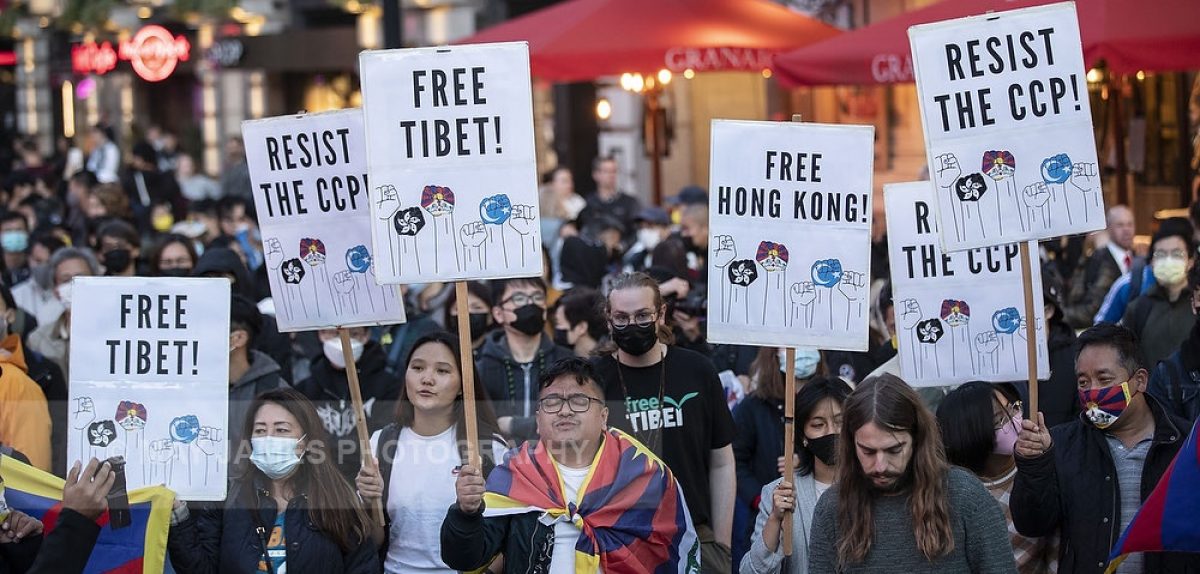
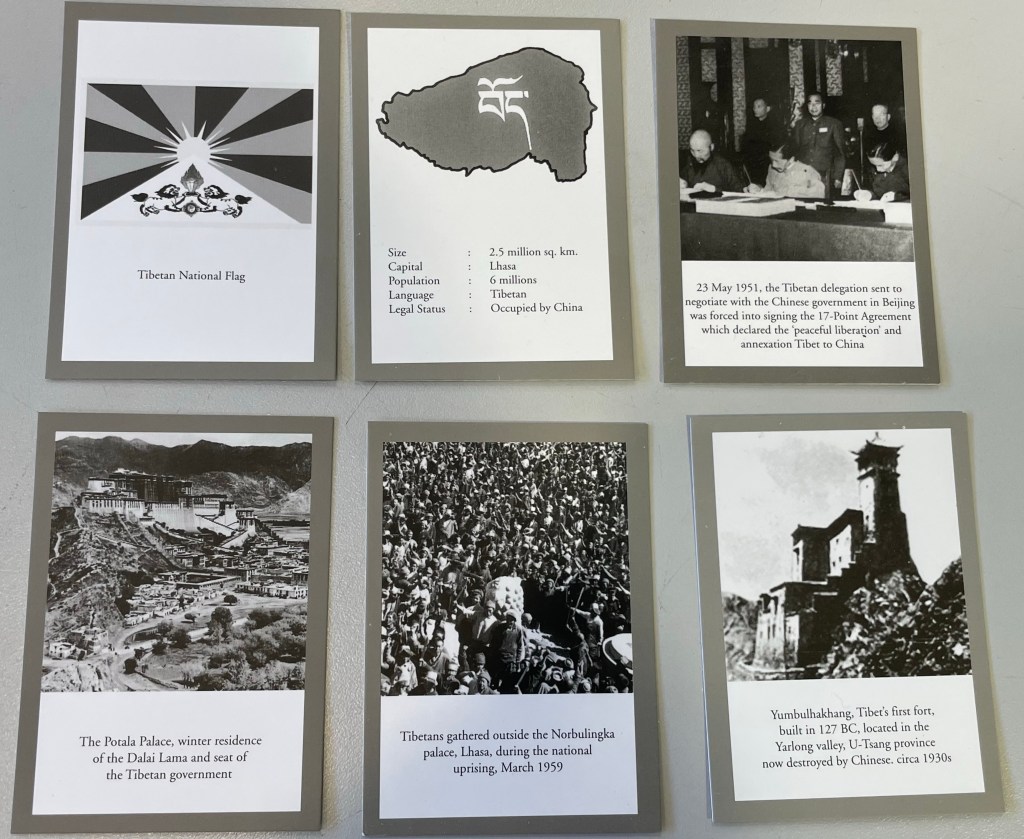
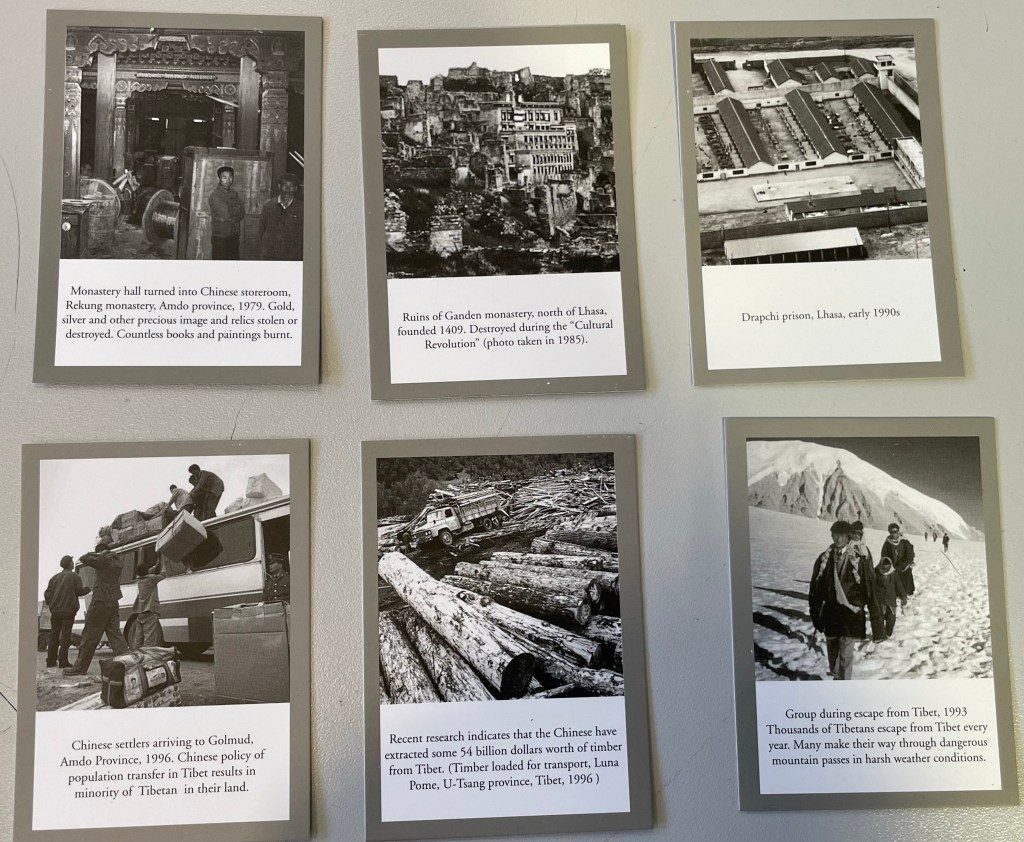



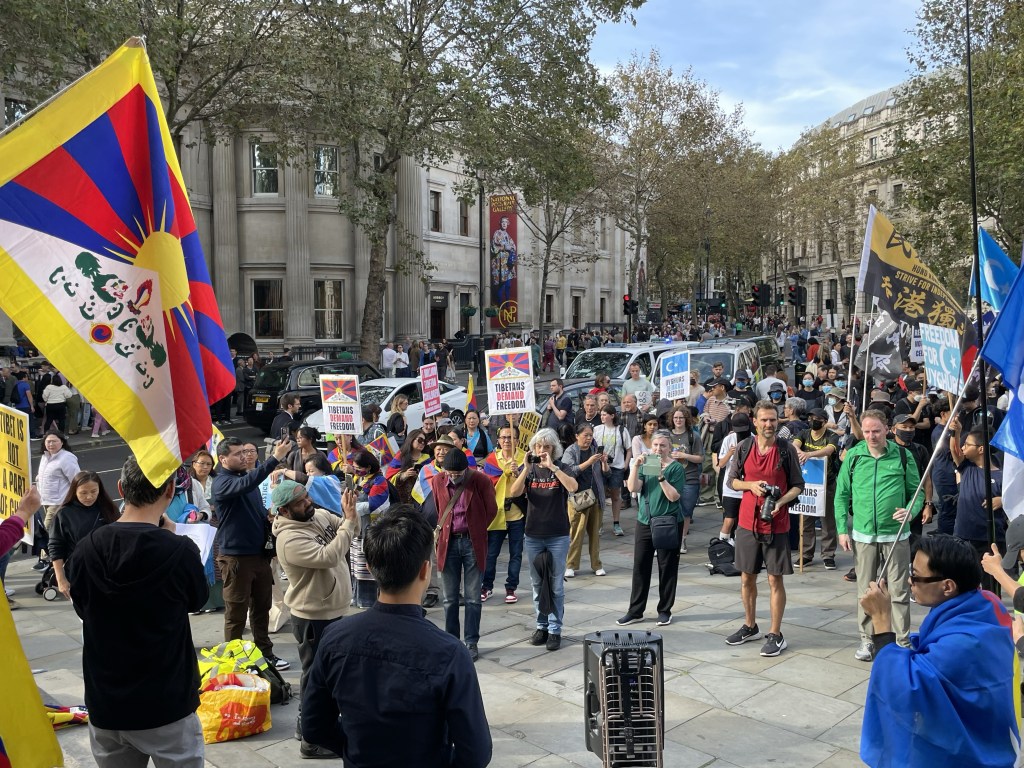
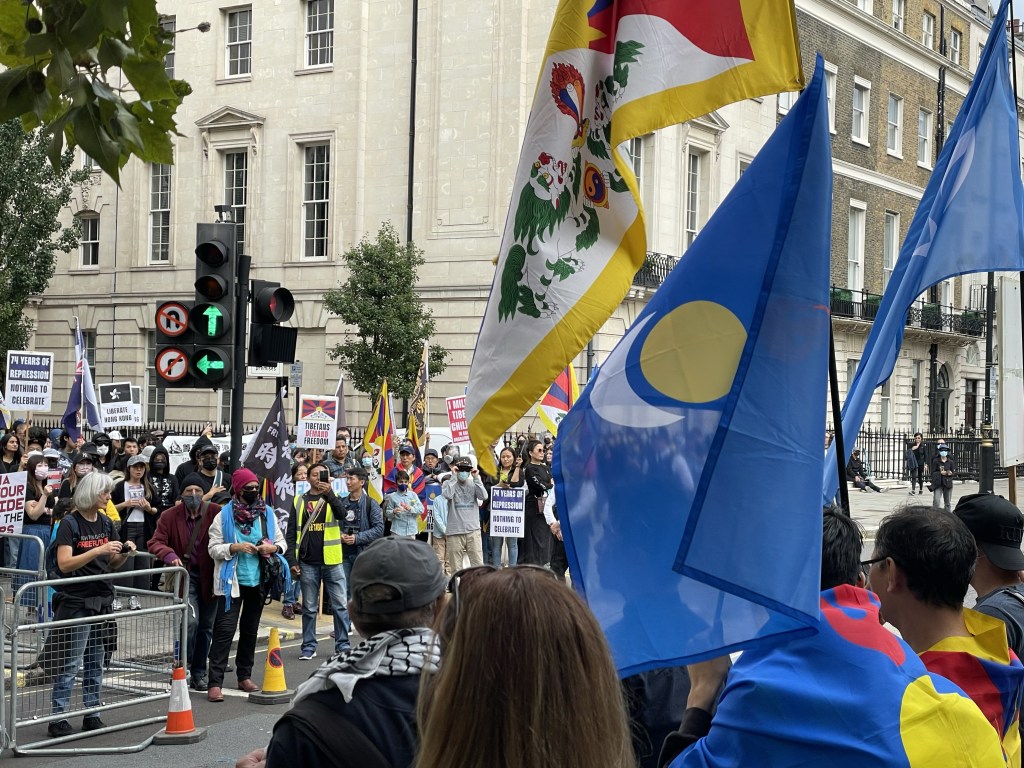
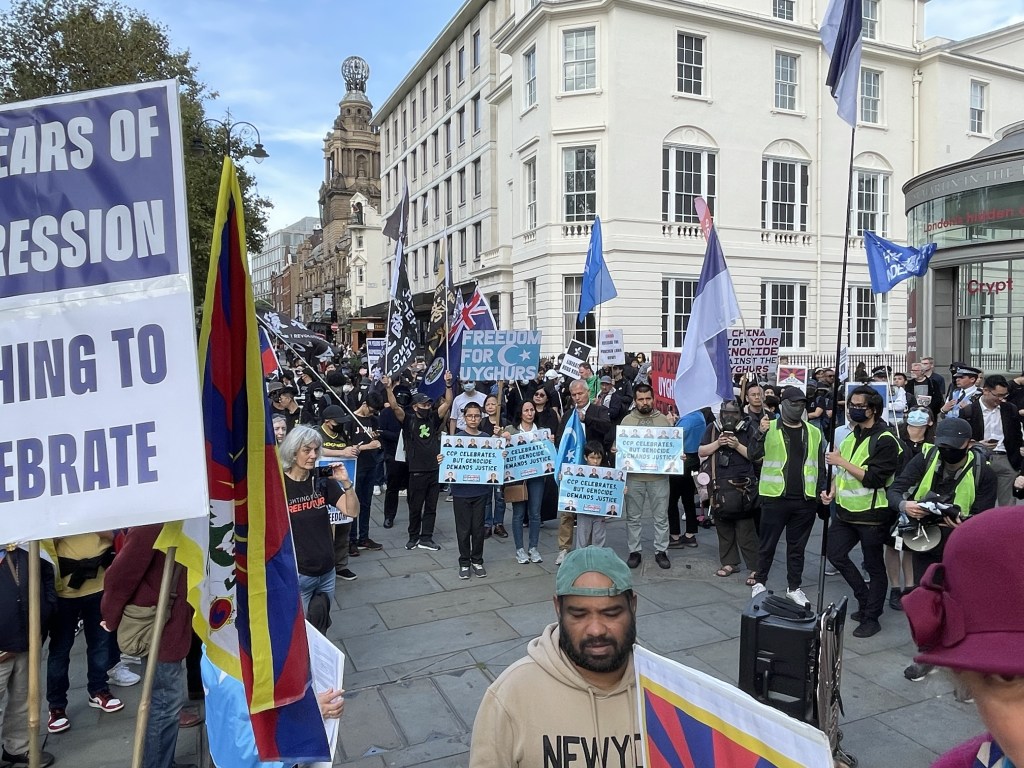

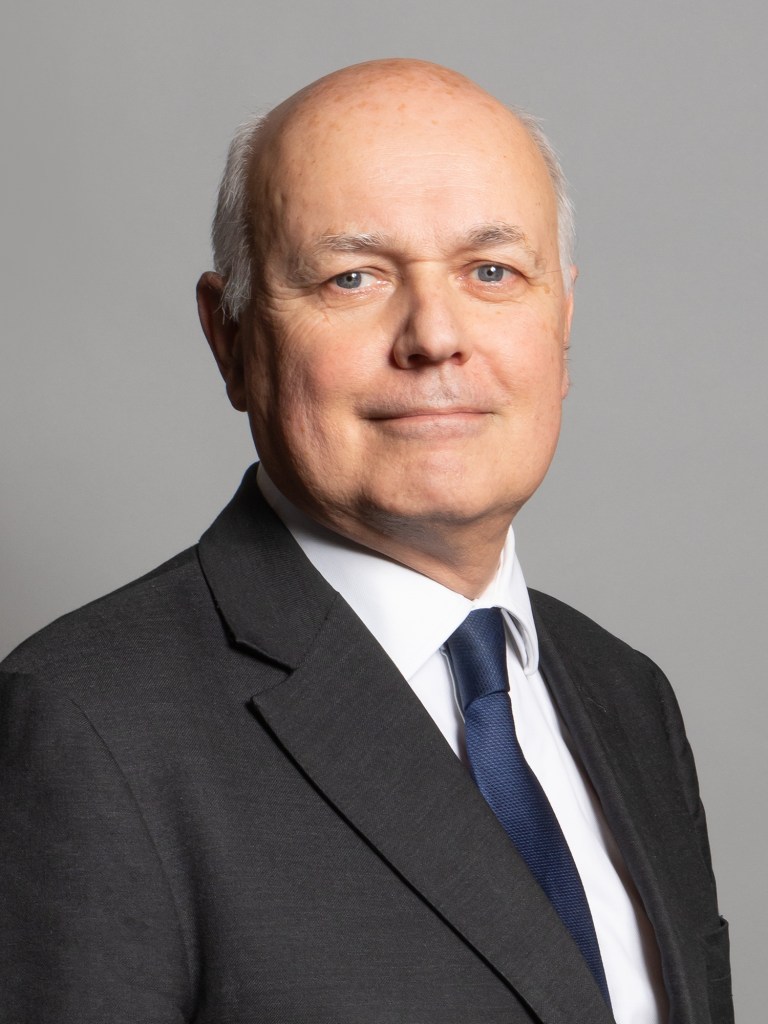



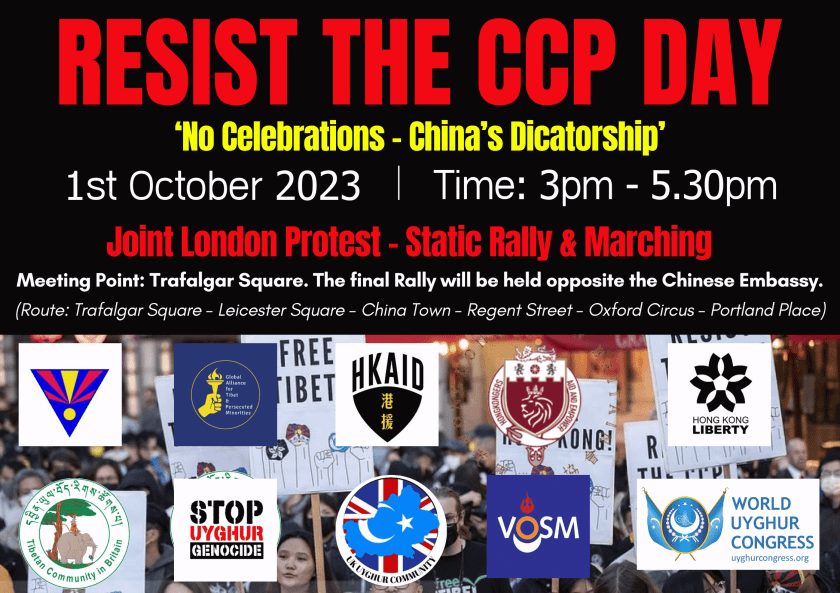
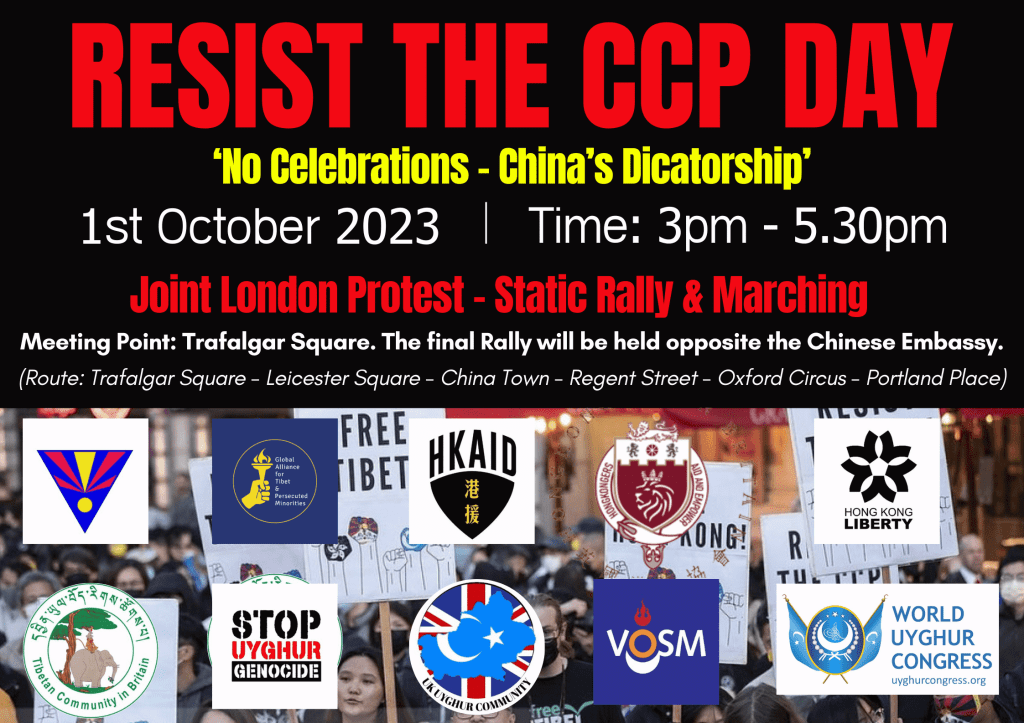



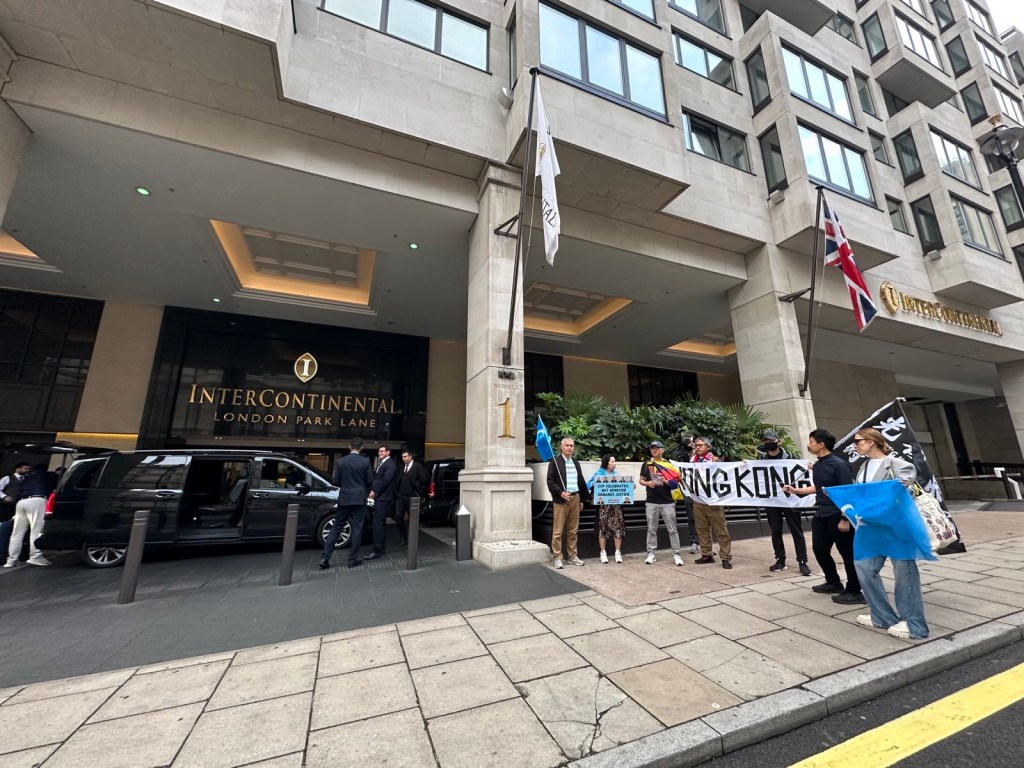


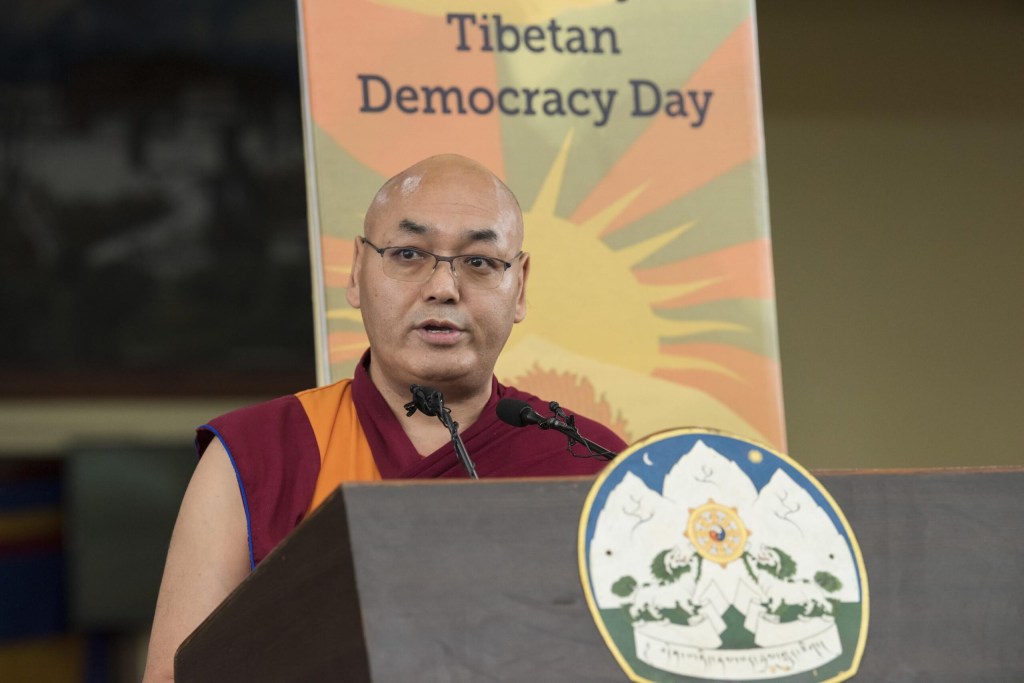
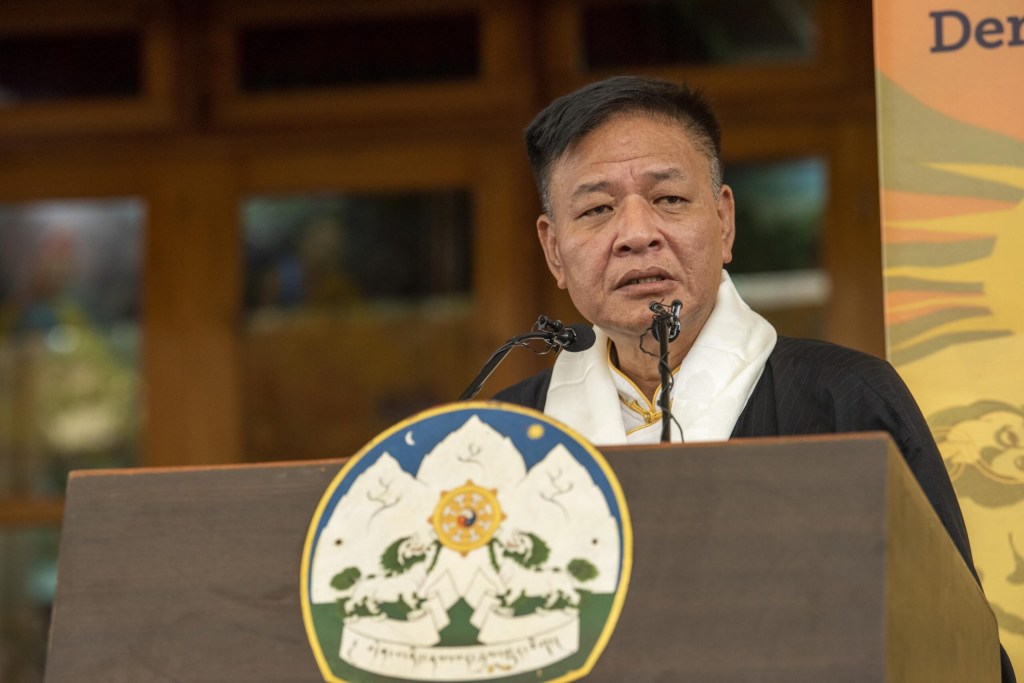

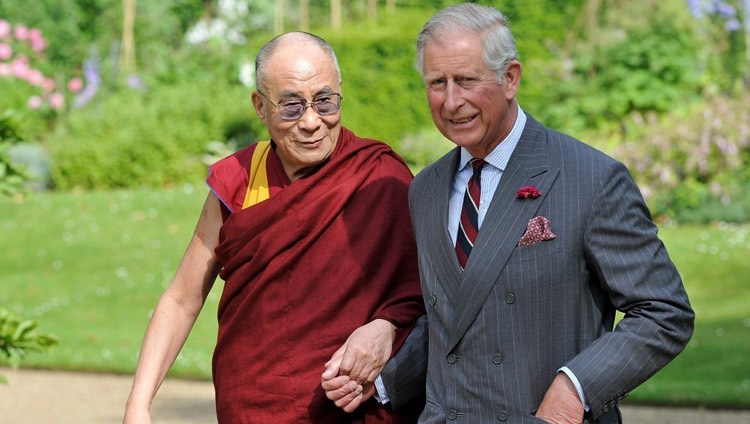
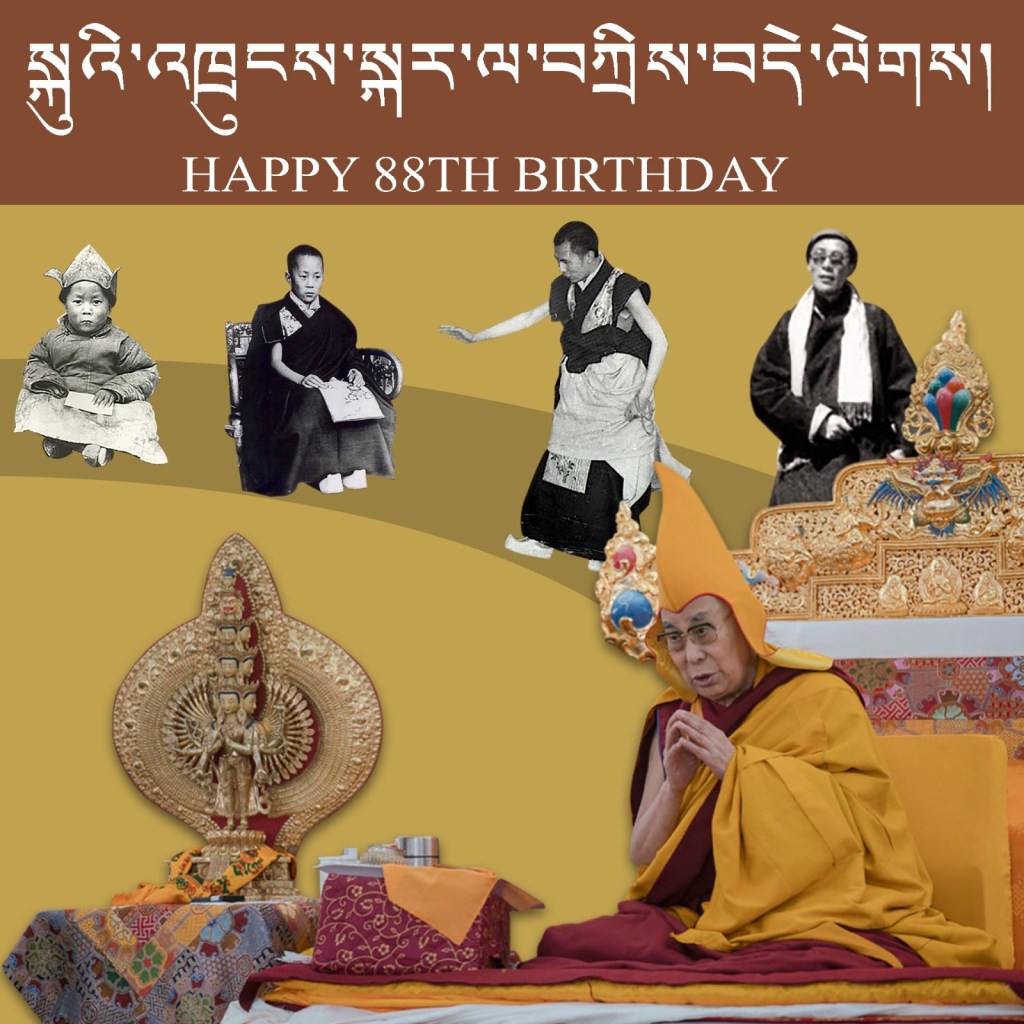


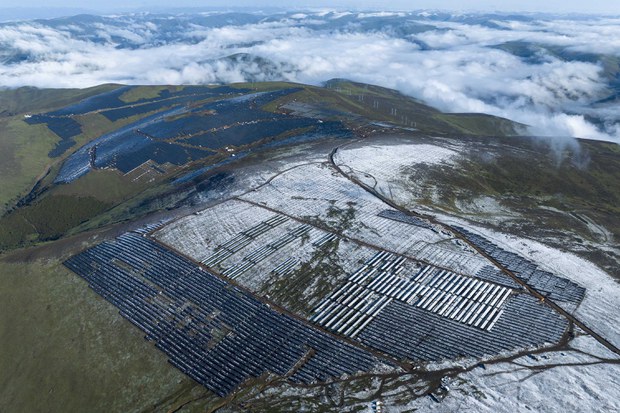

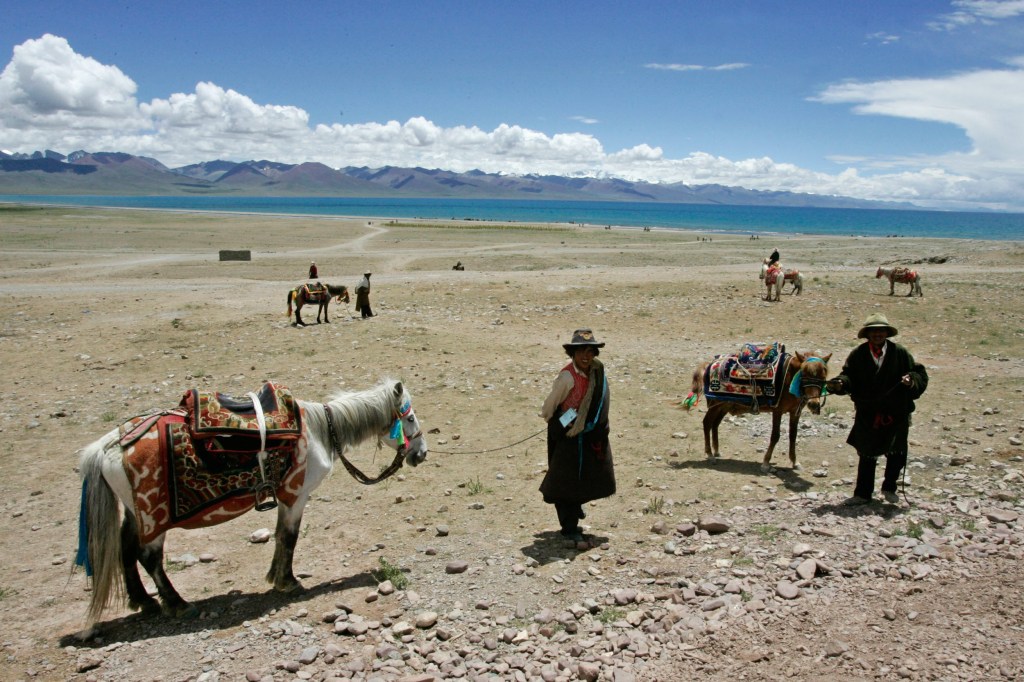




 Global Alliance for Tibet & Persecuted Minorities (GATPM)
You must be logged in to post a comment.