
Tsering Passang | London | 19 February 2026
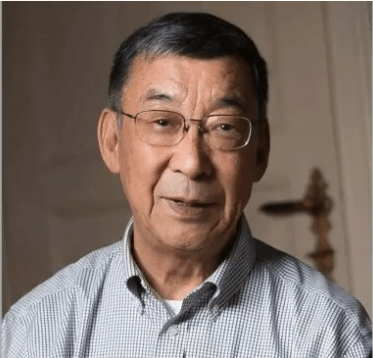
The Tibetan world stands in solemn reflection following the passing of Tendzin Choegyal, the 16th Ngari Rinpoche, who died on 17 February 2026 at his residence, Kashmir Cottage, in Dharamsala, northern India. As the youngest brother of His Holiness the 14th Dalai Lama, Ngari Rinpoche was far more than a member of the Tibetan leader’s immediate family; he was a steadfast patriot, a candid intellectual, and a lifelong servant of the Tibetan cause whose presence shaped the exile experience for more than six decades.
His passing at the age of 80 comes scarcely a year after the death of his elder brother, Gyalo Thondup, marking the close of a remarkable chapter in a family that has stood at the heart of Tibet’s modern history. He is survived by his wife, Rinchen Khandro Choegyal – a former minister of Tibet’s government-in-exile, and founder of the Tibetan Nuns Project – and their children, Tenzin Choezom and Tenzin Lodoe.
An Unconventional Rinpoche
For many of us, the name Ngari Rinpoche first echoed through the classrooms of Tibetan refugee schools across the Indian subcontinent. We grew up hearing stories of this “unconventional Rinpoche” – the Dalai Lama’s younger brother who walked among the people, served in the military, and spoke with a forthright honesty that resonated with a generation born in displacement. To us, he embodied a bridge between the sacred traditions of the old world and the resilience required to endure in the new.
Recognised as the 16th Ngari Rinpoche at the age of three – a highly respected lineage associated with western Tibet’s Ngari region – he was raised as a monk and pursued his studies at the prestigious Drepung Monastery in Tibet. However, Rinpoche was never one for rigid protocol. His life was defined by a rare synthesis of deep-rooted heritage and a modern, global outlook. Educated at St Joseph’s School in Darjeeling and later in the United States, he eventually chose a lay life, reflecting a personal preference for substance over ceremony.
A Witness to History: From Lhasa to the World
Born in 1946 (the Year of the Fire Dog) in the sacred city of Lhasa, Tendzin Choegyal’s life was inextricably intertwined with the journey of His Holiness. Even as a young boy, he bore silent witness to profound upheaval. He accompanied the Dalai Lama on the fateful 1954–1955 visit to China, observing tense diplomatic manoeuvres with Mao Zedong and Zhou Enlai. In 1956, he joined the delegation to India for the 2,500th Buddha Jayanti celebrations – a visit that offered a glimpse of the freedom that would later become their refuge.
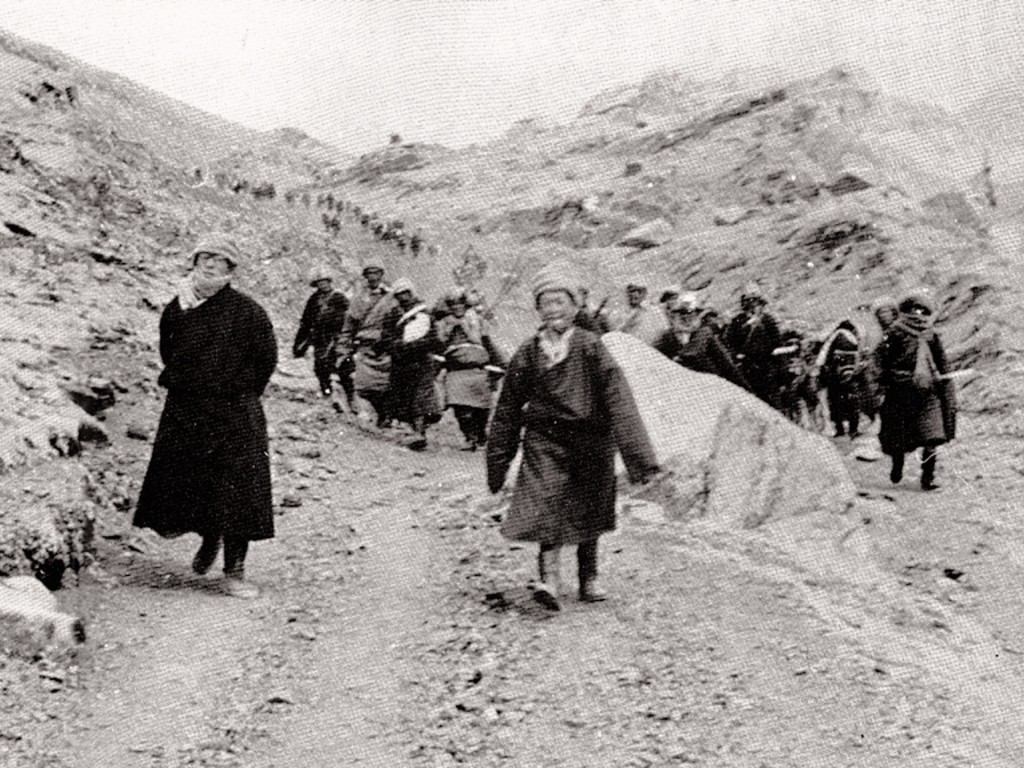
When the darkness of March 1959 descended upon Lhasa, the thirteen-year-old Rinpoche undertook the perilous escape across the Himalayas, beginning a life in exile that he would transform into one of unwavering service.
The Dalai Lama’s Closest Confidant
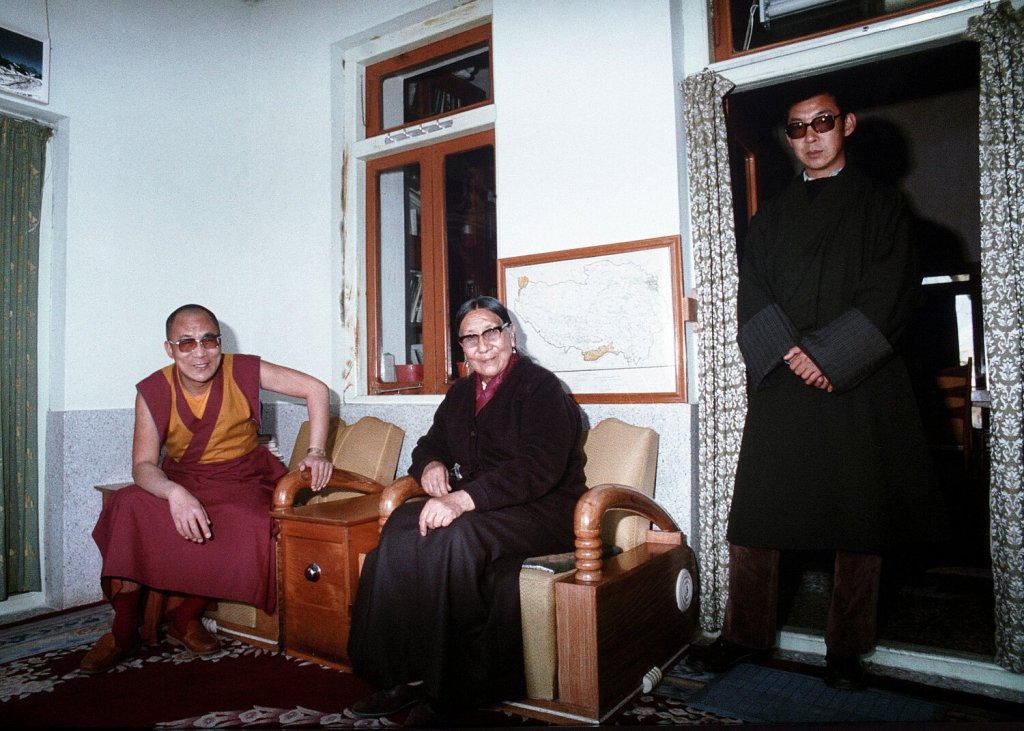
In the decades following 1959, Ngari Rinpoche remained a constant, reassuring presence at his brother’s side, travelling extensively as His Holiness carried Tibet’s message to the world. Within the inner circles of Tibet’s government-in-exile, officially known as the Central Tibetan Administration, based in Dharamsala, he was widely regarded as the Dalai Lama’s closest confidant. Their bond transcended brotherhood; it was a partnership grounded in trust and shared responsibility during the most turbulent years of the Tibetan struggle.
Rinpoche was renowned for his perceptive and candid nature. In a community that often relies on diplomatic courtesy, he was known to speak truth to power. He offered a grounded, pragmatic perspective that proved invaluable to the leadership in exile.
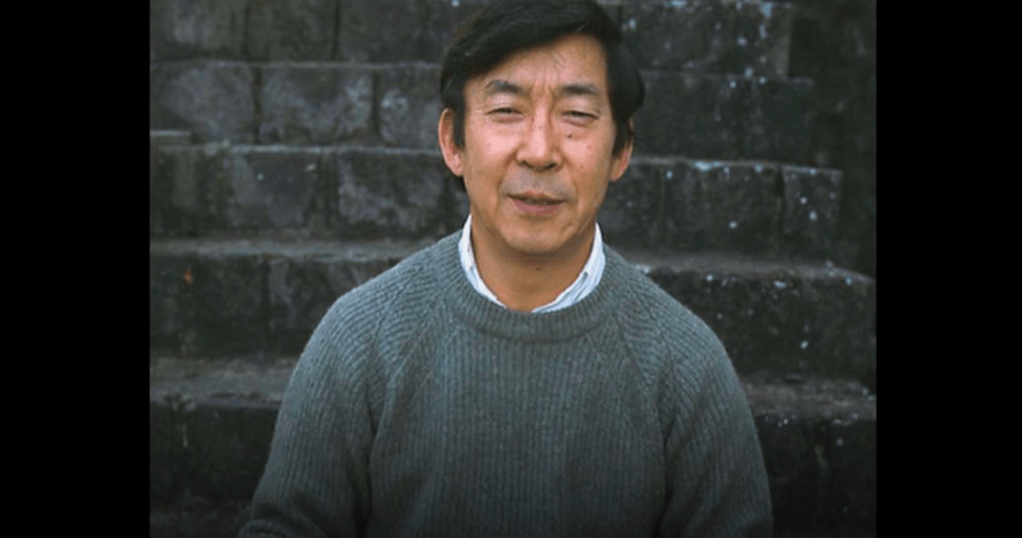
(Image Source: Phayul)
A Lifetime of High-Impact Service
Since 1971, Rinpoche served the Tibetan community in various capacities that reflected his versatility and dedication:
Education: As a teacher at the Tibetan Children’s Village (TCV), he helped shape the minds of the next generation.
Leadership: He served as President of the Tibetan Youth Congress (1974–1976), the largest NGO in exile advocating for Tibet’s independence from China, and later as a member of the 12th Tibetan Parliament-in-Exile, representing the Dhomed (Amdo) province.
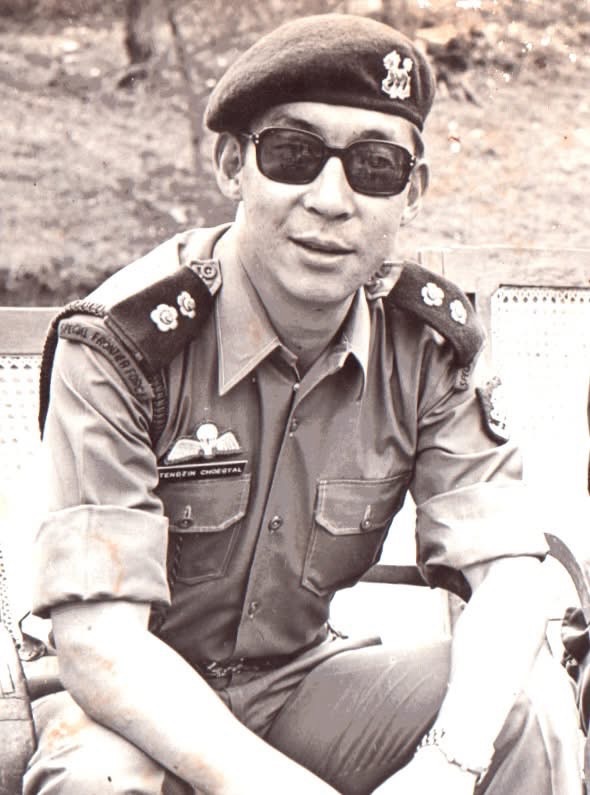
Security & Defence: Embodying the physical defence of his people, he joined the Special Frontier Force – an elite unit under the Indian security establishment – and later served in the security department of the Central Tibetan Administration (CTA).
Global Outlook and the UK Connection
His international travels frequently brought him to the West. A few in the United Kingdom will remember his visit in June 2015, when he travelled as part of the official entourage accompanying the Dalai Lama. During that visit – which included His Holiness’s appearance at the Glastonbury Festival and the Nepalese Buddhist Community Centre in Aldershot – Ngari Rinpoche was a pillar of quiet support behind the scenes.
Those who had the privilege of hosting him often recalled his warm, down-to-earth demeanour and his particular fondness for Scottish shortbread. It was these small, humanising details – his appreciation for a simple British biscuit coupled with his fierce intellectualism – that made him so beloved.
A Legacy of Hospitality and Integrity
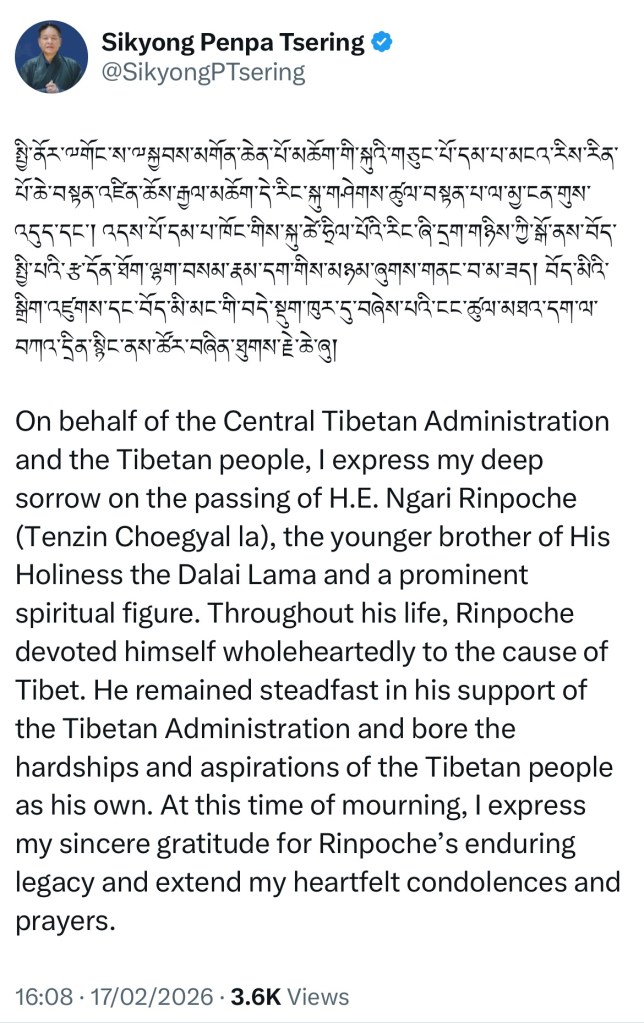
Beyond politics, his legacy is woven into the social fabric of Dharamsala. Alongside his wife, Rinchen Khandro, he made Kashmir Cottage a place of warmth and gracious hospitality. Sikyong Penpa Tsering, President of the CTA, expressed the collective grief of the Tibetan people, noting that Rinpoche’s life was wholly devoted to the preservation of Tibetan religion, culture, and political aspirations.
(Photo source: Tibet.net)

As we at the Global Alliance for Tibet & Persecuted Minorities (GATPM) extend our deepest condolences to His Holiness the Dalai Lama, his sister Jetsun Pema, and the bereaved family, we remember a revered figure who lived with quiet strength and unshakeable integrity. Ngari Rinpoche did not merely witness Tibetan history; he helped to shape it.
Condolence Statement — GATPM
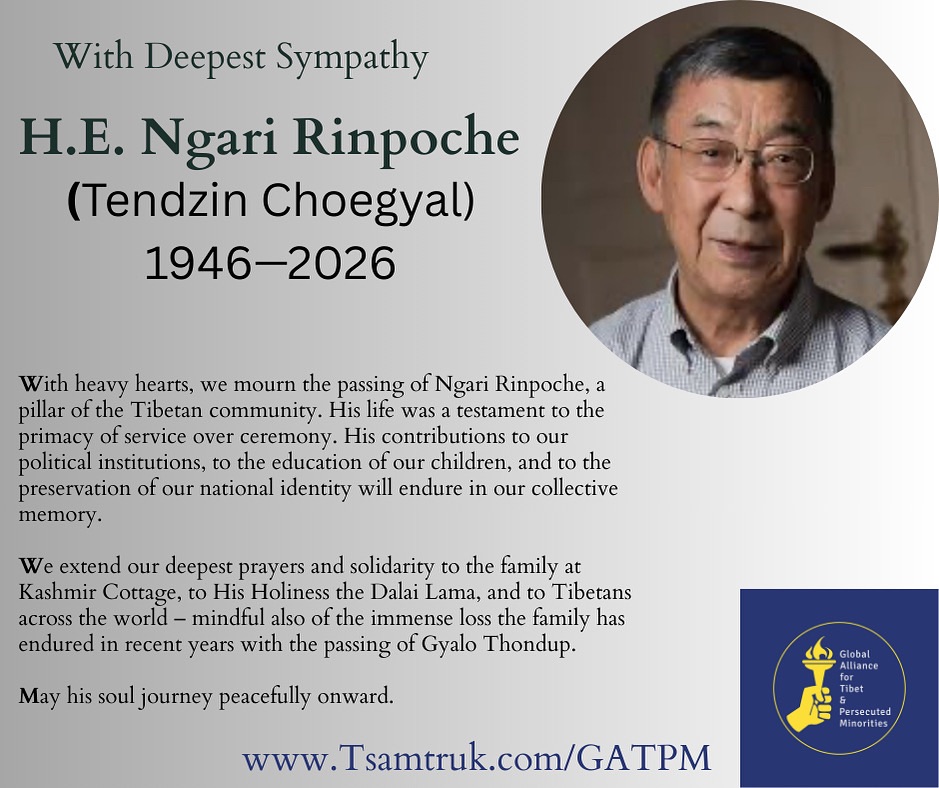
With heavy hearts, we mourn the passing of Ngari Rinpoche, a pillar of the Tibetan community. His life was a testament to the primacy of service over ceremony. His contributions to our political institutions, to the education of our children, and to the preservation of our national identity will endure in our collective memory.
We extend our deepest prayers and solidarity to the family at Kashmir Cottage, to His Holiness, and to Tibetans across the world – mindful also of the immense loss the family has endured in recent years with the passing of Gyalo Thondup.
May his soul journey peacefully onward.

 Global Alliance for Tibet & Persecuted Minorities (GATPM)