
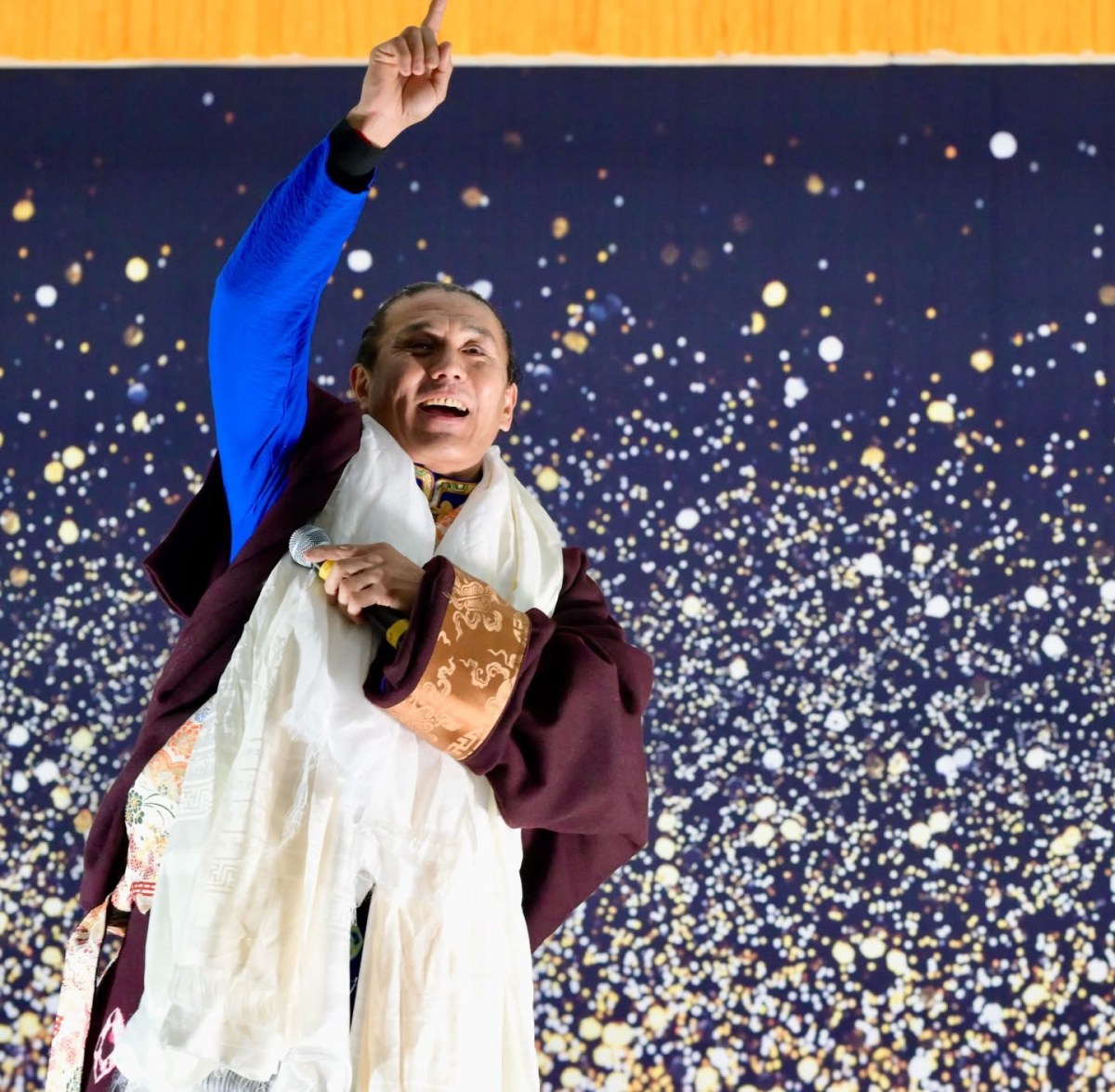
Legendary Tibetan singer Tsering Gyurmey recently brought his music to the UK, captivating audiences with songs that carry the heart and memory of Tibet across generations. From the Himalayas to London, his performance celebrated not only artistry but a century of Tibetan–British connections, uniting exiled and homeland communities through resilience, culture, and compassion.
30 December 2025 | London | Tsering Passang
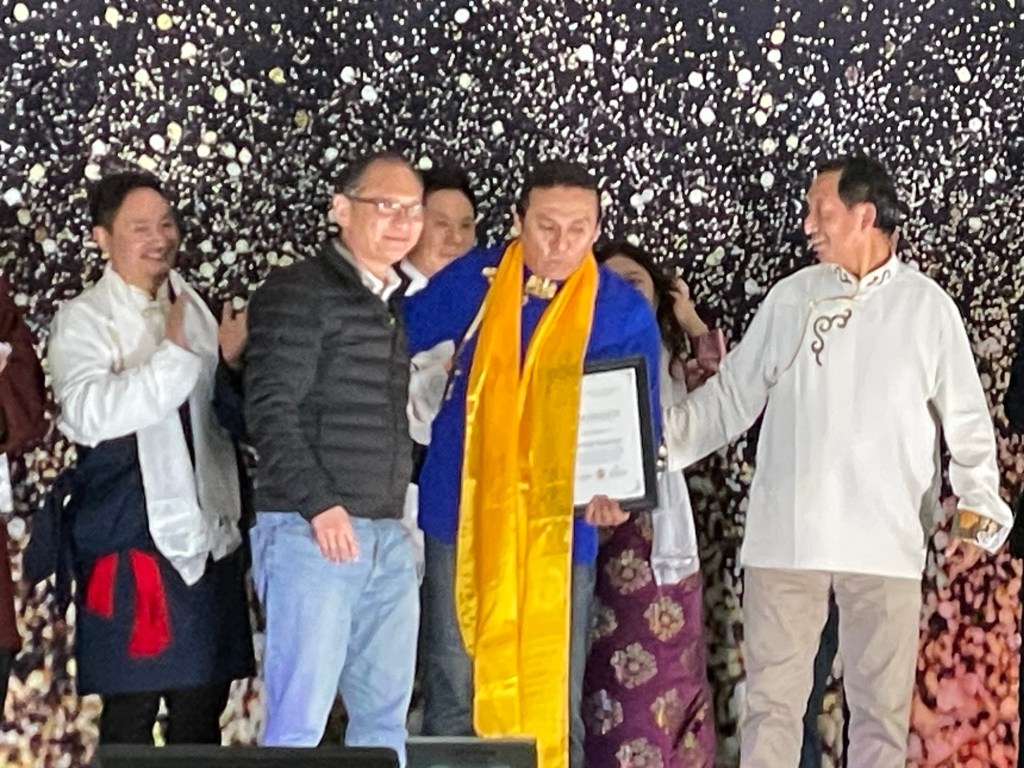
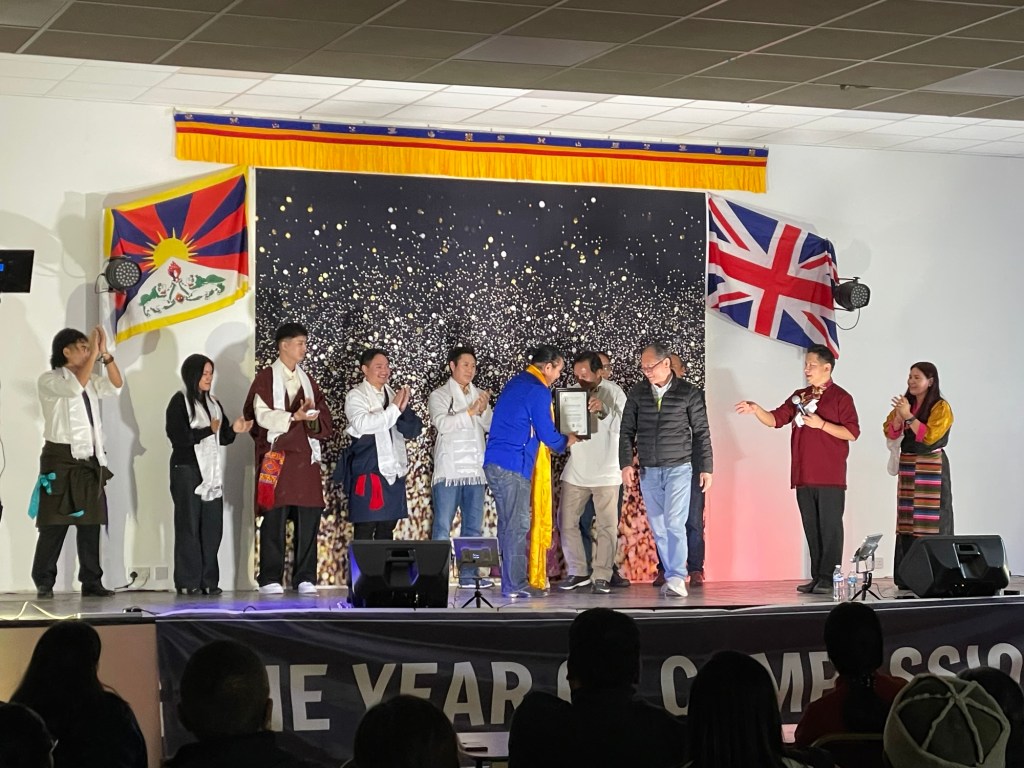
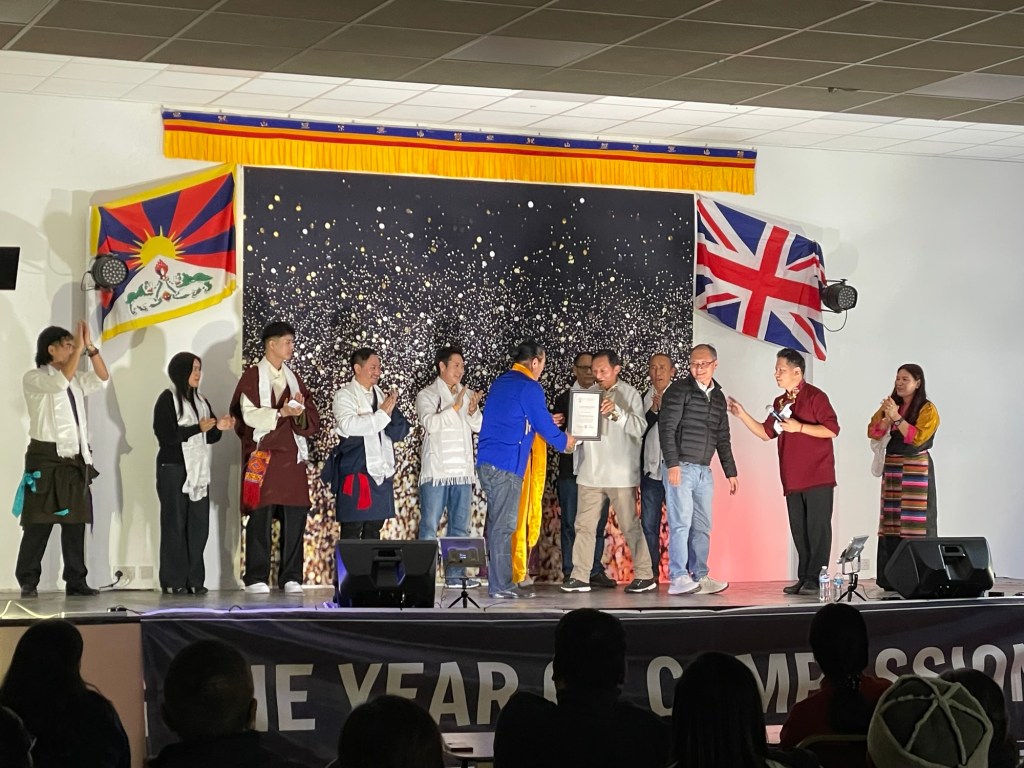
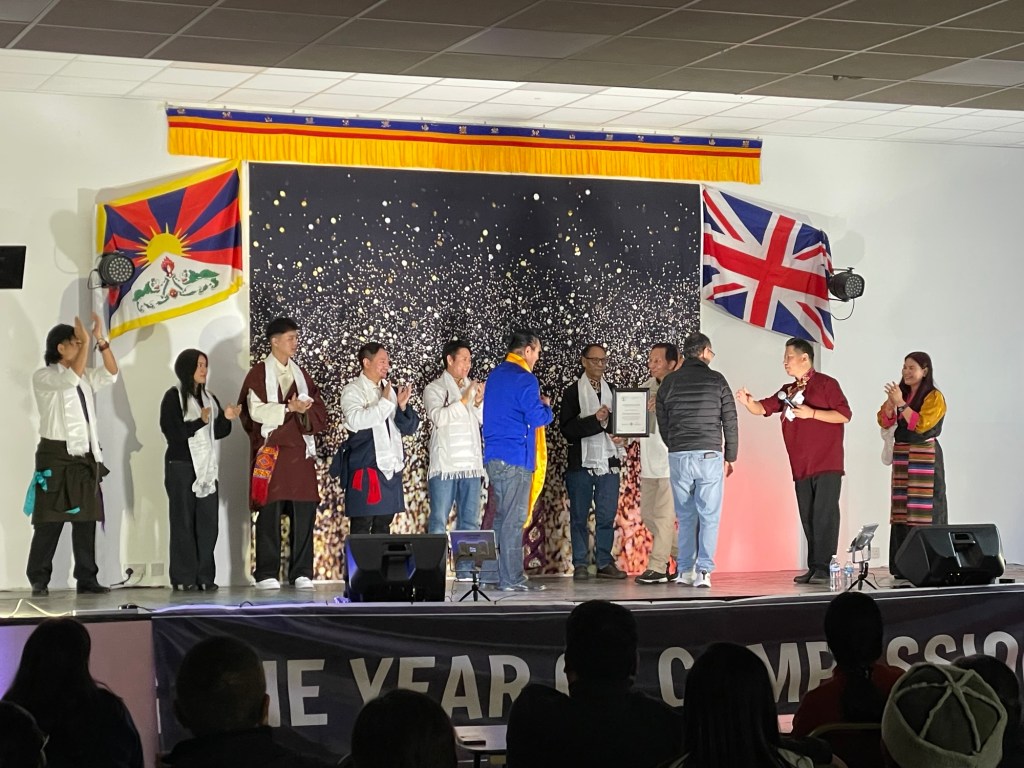
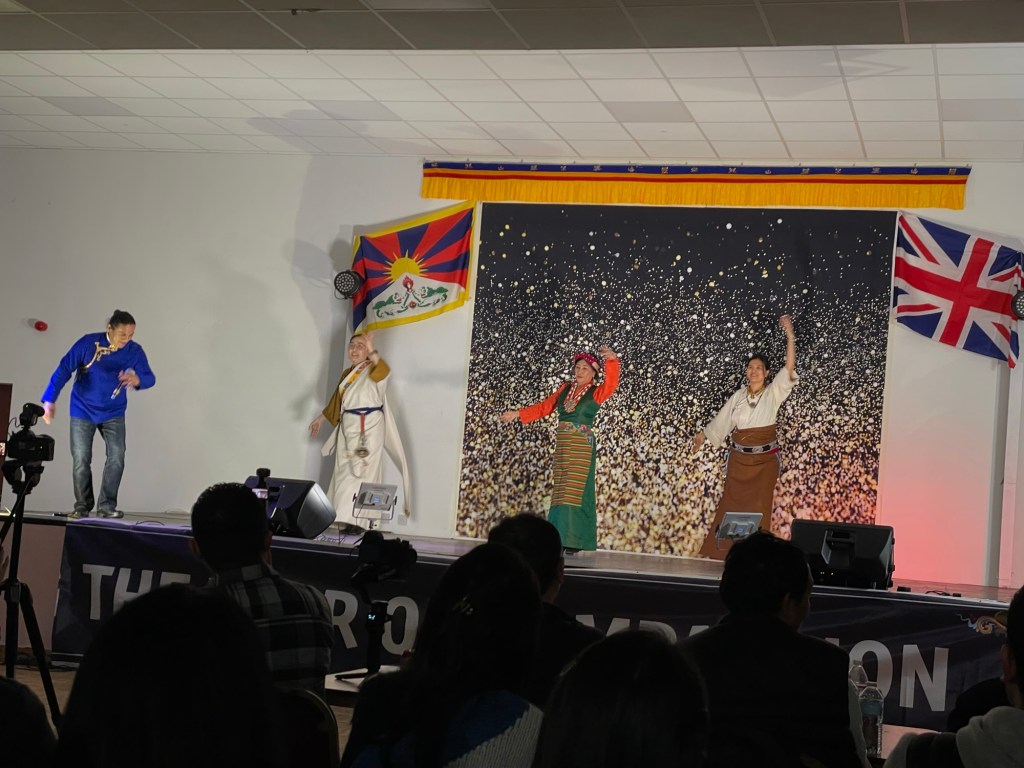
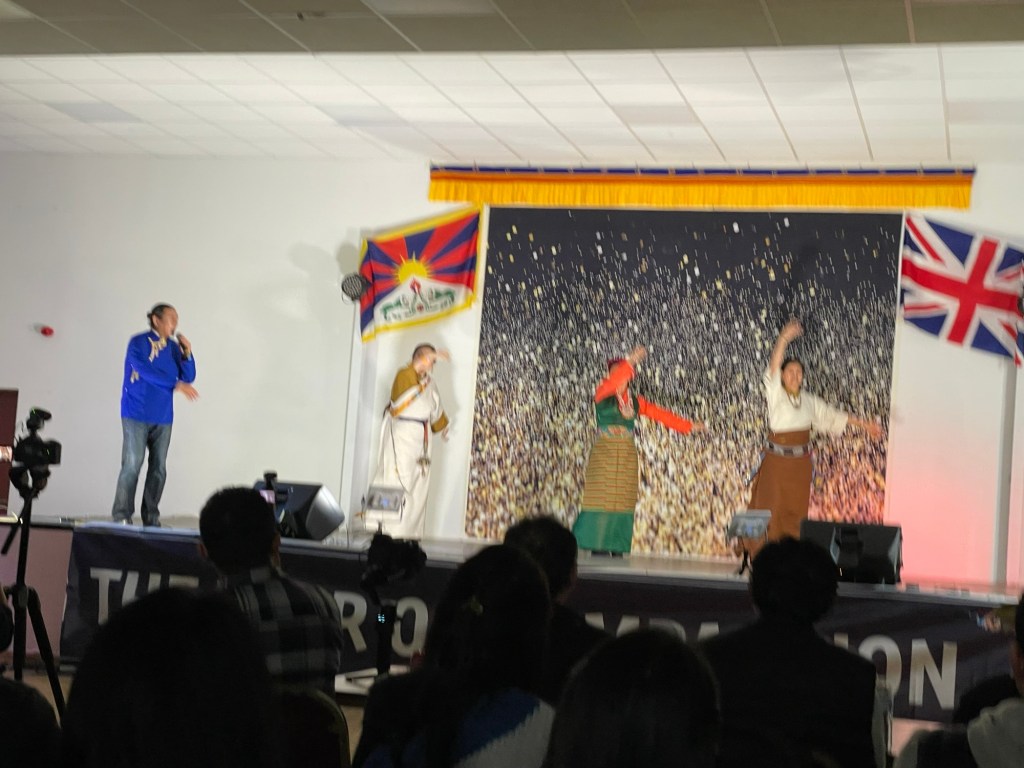
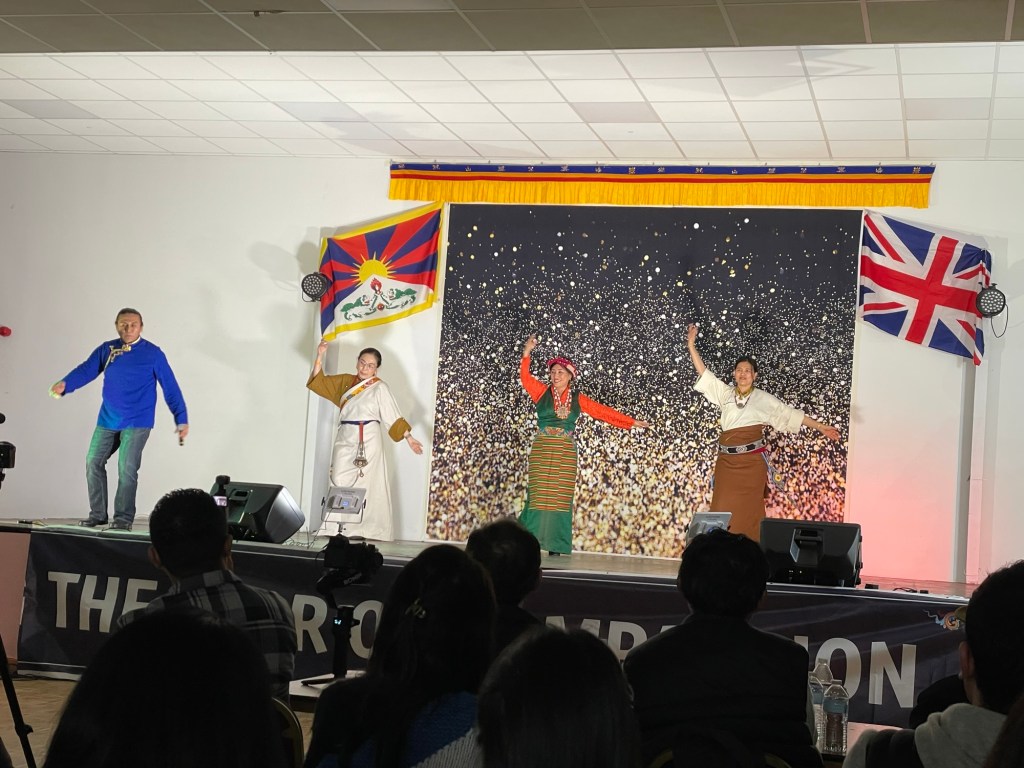
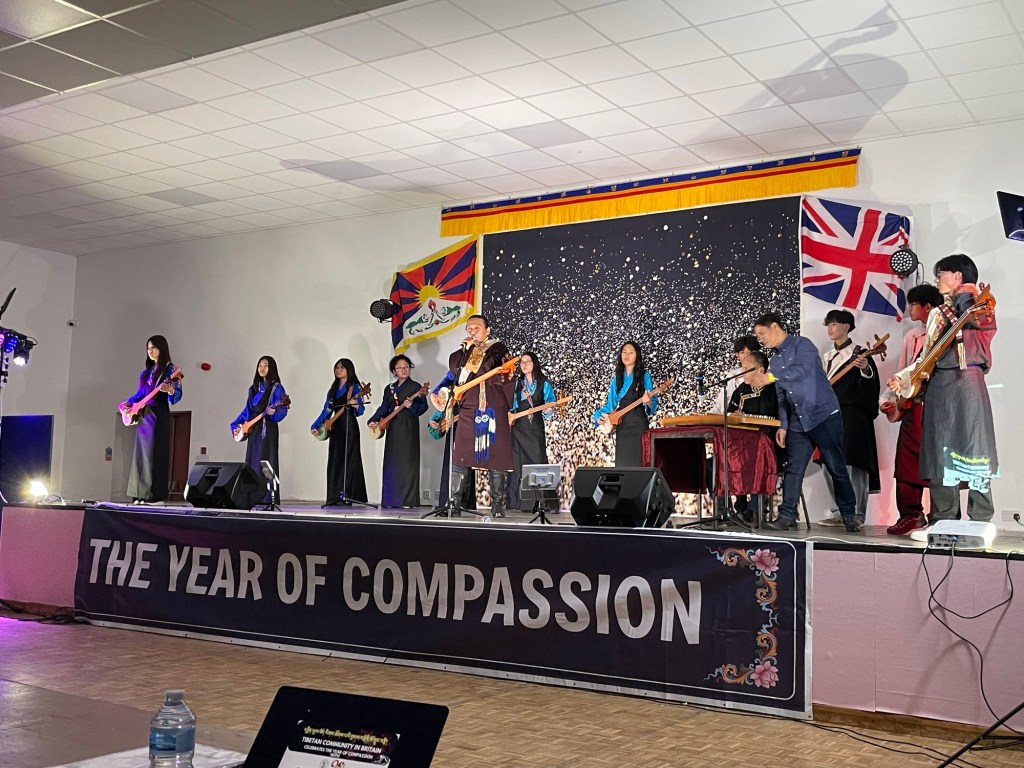
The UK Compassionate Concert 2025, held on 27 December at the Asian Community Centre near Woolwich in London, unfolded as a deeply moving evening of music, remembrance, and historical reconnection. Featuring the legendary Tibetan singer and musician Tsering Gyurmey, the event received an exceptionally warm and heartfelt reception from Tibetan audiences and friends drawn from across the United Kingdom – reflecting the artist’s enduring resonance across generations, borders, and geographies.
Well known both inside China’s occupied Tibet and throughout the Tibetan exile diaspora, as well as across the Himalayan regions of India, Nepal, and Bhutan, Tsering Gyurmey’s presence on stage carried a significance that extended far beyond performance alone. His songs – rich with devotion, longing, resilience, and compassion – were met with sustained applause, quiet reflection, and moments of shared emotion, affirming his place as one of the most respected and beloved voices in contemporary Tibetan music.
At a time when China’s continued occupation of Tibet imposes severe restrictions on political expression, free discussion, and cultural transmission, Tsering Gyurmey’s music plays a uniquely vital role. Through melody and verse, he serves as a living bridge between Tibetans inside Tibet and those in exile, sustaining a shared cultural and emotional language where open dialogue is curtailed. His art travels where politics cannot – carrying memory, identity, and hope across borders and barriers.

A Historic Setting, a Living Continuum
The choice of a venue near the riverside town of Woolwich lent the evening a remarkable historical resonance. More than a century ago, during the era of an independent Tibet, Woolwich emerged as an unlikely yet significant site of early Tibetan–British engagement. Under the farsighted vision of the 13th Dalai Lama, four young Tibetans were sent to Britain in 1913 to pursue modern education and training – an extraordinary initiative at a time when Tibet was cautiously opening itself to the outside world.
Following their initial studies at Rugby School, one of the students, Sonam Gonpa Gongkar, went on to receive military training at the Royal Military Academy, Woolwich, during the First World War. Another, Rigzin Dorje Ringang – an engineering student educated at the Universities of London and Birmingham – undertook short-term technical training at the Royal Arsenal in Woolwich, then a major centre of British armaments manufacturing and research, before returning to Tibet in 1920. These sites now fall within the Royal Borough of Greenwich. Their presence marked some of the earliest Tibetan engagements with British modern education and state institutions, laying symbolic groundwork for future cultural and intellectual exchange.
Today, the Royal Borough of Greenwich stands as the largest hub of Tibetans residing within a single borough in the UK. Against this backdrop, the performance of a celebrated Tibetan artist in nearby Plumstead felt not only timely but profoundly circular – history, culture, and community converging once again along the Thames. The borough’s Town Hall continues to raise the Tibetan flag each March, demonstrating solidarity with the Tibetan people in their pursuit of human rights, self-determination, and a peaceful resolution to the China–Tibet conflict, while offering sanctuary to Tibetans who now call the borough home.
Echoes of Rinchen Lhamo
This year also marks another milestone in Tibetan–British history: the centenary of the arrival of Rinchen Lhamo, the first Tibetan woman to settle in Britain. Arriving in 1925 from eastern Tibet, Rinchen Lhamo was married to Louis Magrath King, a British consul stationed in Dartsedo (Kangding). She played a pioneering role in introducing Tibetan culture, history, and perspectives to British audiences through a Tibetan lens. She was also the first Tibetan to write a book about her country in English, We Tibetans, published in 1926.
Lhamo’s journey, like those of Gongkar and Ringang before her, speaks to a long and often overlooked history of Tibetan presence and contribution in Britain – one that continues today through vibrant community life, cultural expression, and intergenerational continuity.
A Night of Compassion and Community
Organised by the Tibetan Community in Britain, the concert formed part of the Year of Compassion, marking the 90th birthday of His Holiness the 14th Dalai Lama, and was held in support of the Tibetan Community Hall Project. The project seeks to establish a permanent home for cultural preservation, youth engagement, education, and community cohesion for Tibetans living in the UK.
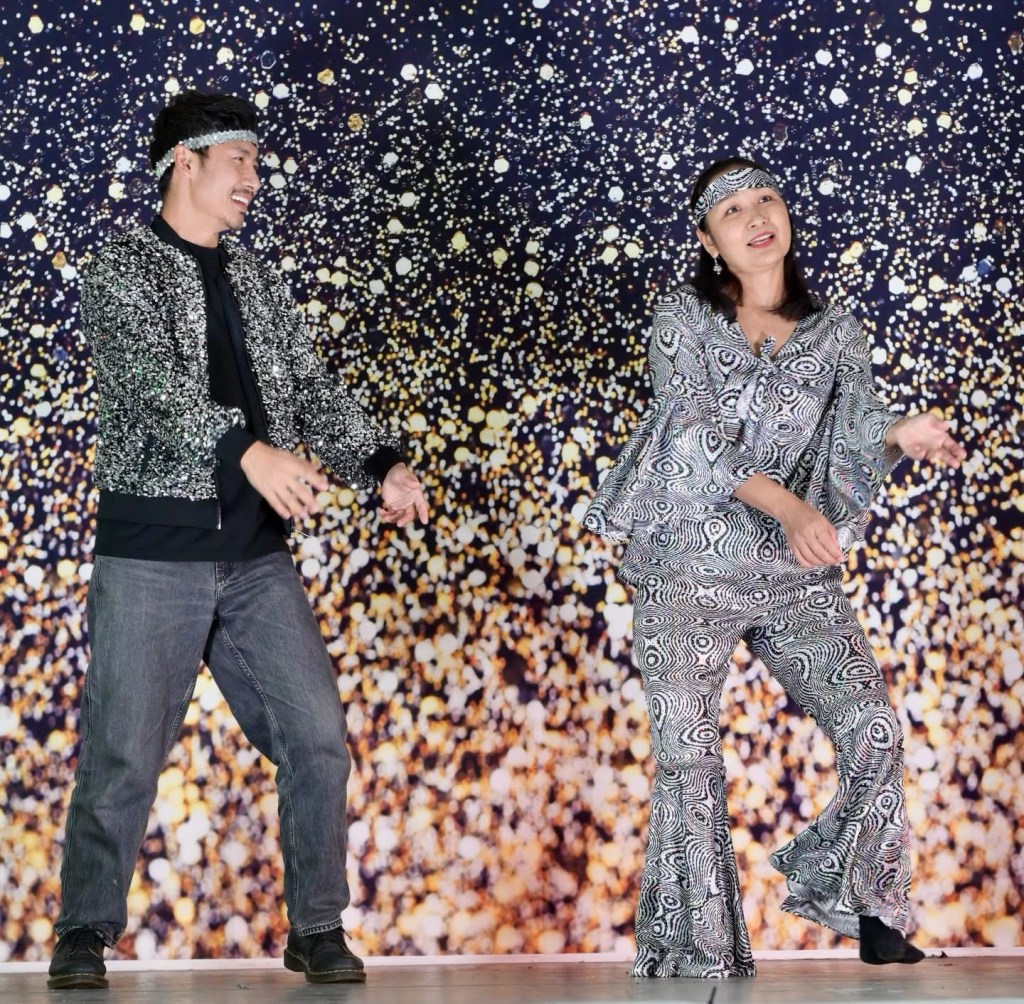
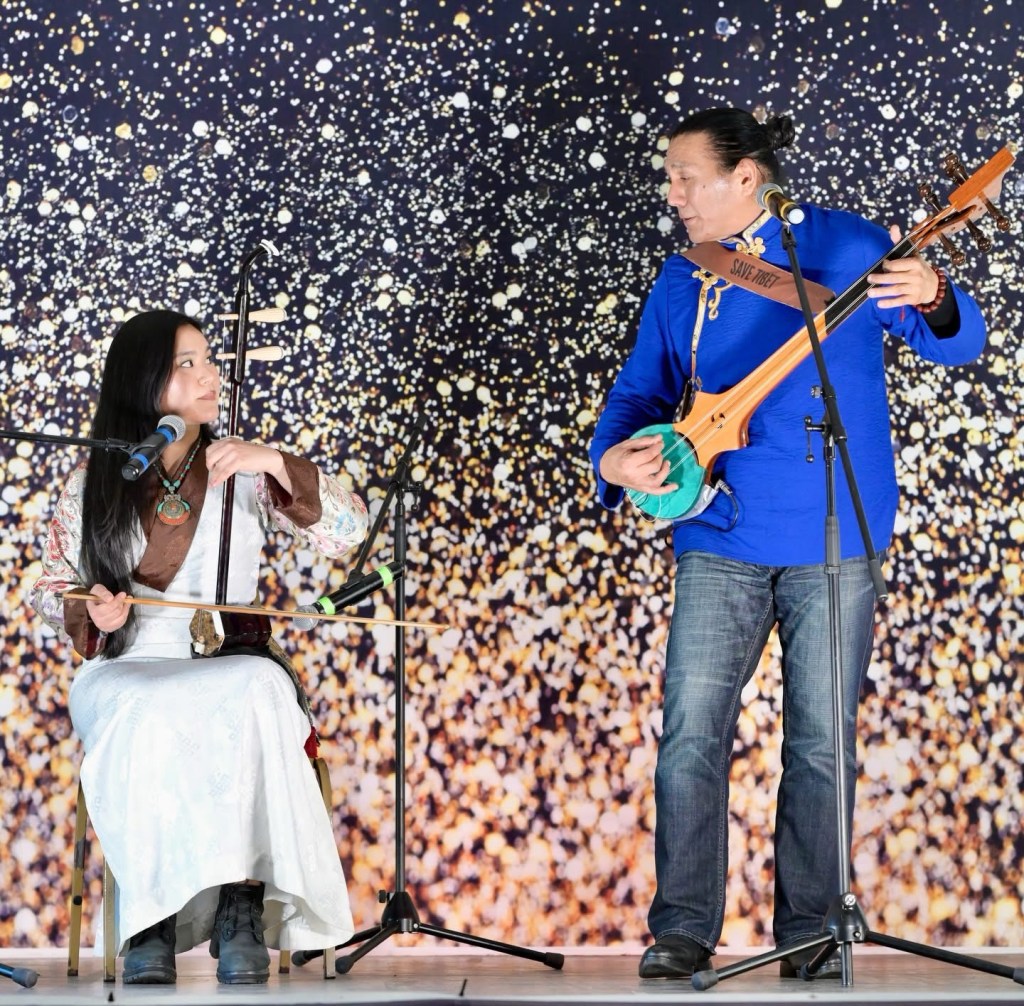
Throughout the evening, Tsering Gyurmey’s music served as both a bridge and a vessel – connecting Tibetans in Tibet with those in exile, elders with youth, and historic memory with present-day aspirations. His performance, shaped by decades of artistic dedication and spiritual grounding, stood as a living expression of compassion in action. Local Tibetan artists and dancers also joined this special concert, showcasing their collaborations with the legendary musician Tsering Gyurmey.
An Evening of Tribute and Togetherness at Kailash Momo Restaurant
The spirit of the concert continued the following evening, on 28 December, with a dinner reception held in honour of Tsering Gyurmey at the Kailash Momo Restaurant in Welling. The gathering brought together community elders, youth, artists, and well-wishers in an intimate and celebratory setting.
Over Kailash’s culinary specialities, the evening evolved into an informal yet deeply meaningful cultural exchange. Poetic tributes were offered by community members, reflecting on Tsering Gyurmey’s voice as a carrier of memory and a source of healing across generations. Venerated Lelung Tulku paid homage through verses honouring the artist’s lifelong dedication to Tibetan culture, compassion, and spiritual values – recognising music as both offering and service. Several other admirers shared their own composed tributes in his honour.
The evening was further enriched by a personal reflection shared by the author of this piece, who recalled playing the dranyen (Tibetan lute) donated by Tsering Gyurmey to the Central School for Tibetans in Darjeeling in the early 1990s after the artist had left the school. That instrument, passed into the hands of students, became a symbol of his quiet yet enduring commitment to nurturing Tibetan culture among young people growing up in exile.
Spontaneous singing followed – songs flowing not from a stage, but from the heart – as Tsering Gyurmey joined fellow Tibetans in moments of laughter, memory, and gratitude. These informal melodies captured the essence of his journey: an artist shaped by the refugee experience, grounded in humility, and inseparably connected to the people he sings for.
Tributes throughout the evening acknowledged not only his artistic excellence, but a life that mirrors the broader Tibetan story. Having grown up in a Tibetan refugee settlement in Orissa (now Odisha), India, and currently living and creating music in Kathmandu, Nepal, Tsering Gyurmey has remained steadfast in uplifting Tibetan refugees and communities across the Himalayan belt. His generous collaboration with aspiring, emerging, and established artists – both in exile and inside Tibet – has helped cultivate new voices while ensuring the continuity and relevance of Tibetan music for future generations.
Carrying the Song Forward
The warmth and reverence accorded to Tsering Gyurmey – both on stage and around the communal dinner table – was more than an appreciation of musical brilliance. It was a collective expression of gratitude to an artist whose life and work embody resilience, humility, and compassion.
As the final notes of the concert and the shared songs of the evening faded into memory, one truth stood clear: music, when rooted in history and guided by compassion, becomes a living archive of a people’s story – carried across borders, sustained through community, and passed lovingly from one generation to the next.
Tibetans in the UK now look forward with anticipation to welcoming Tsering Gyurmey back to the UK soon, to once again share in the music, memory, and spirit he so generously brings wherever he goes.




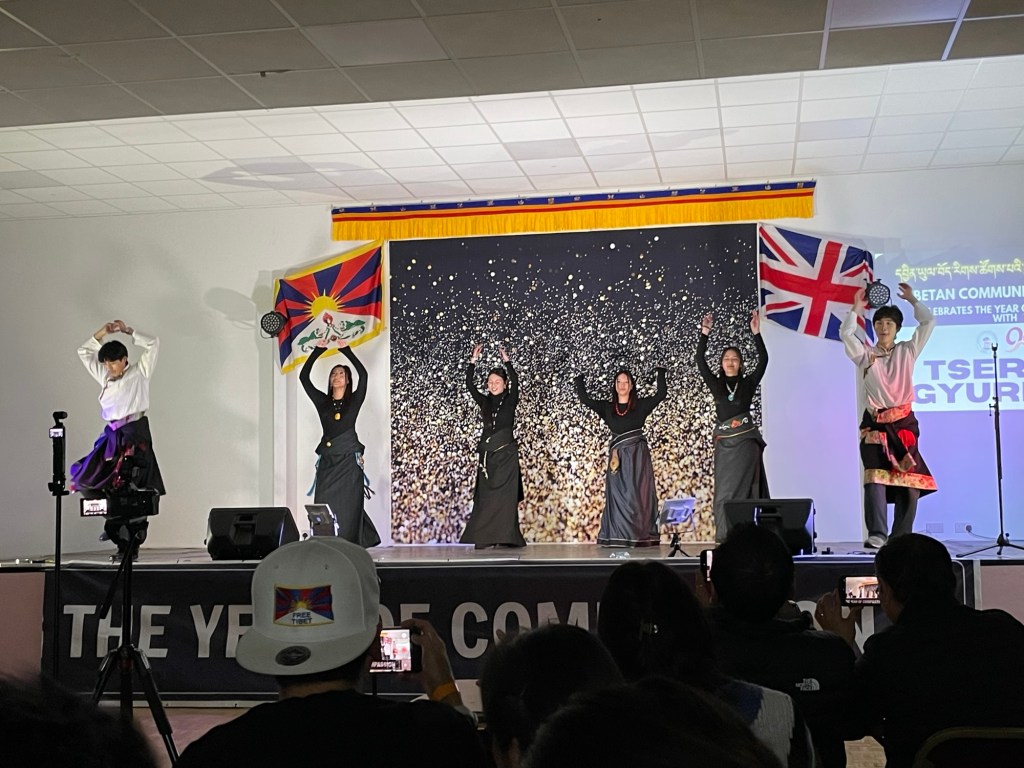
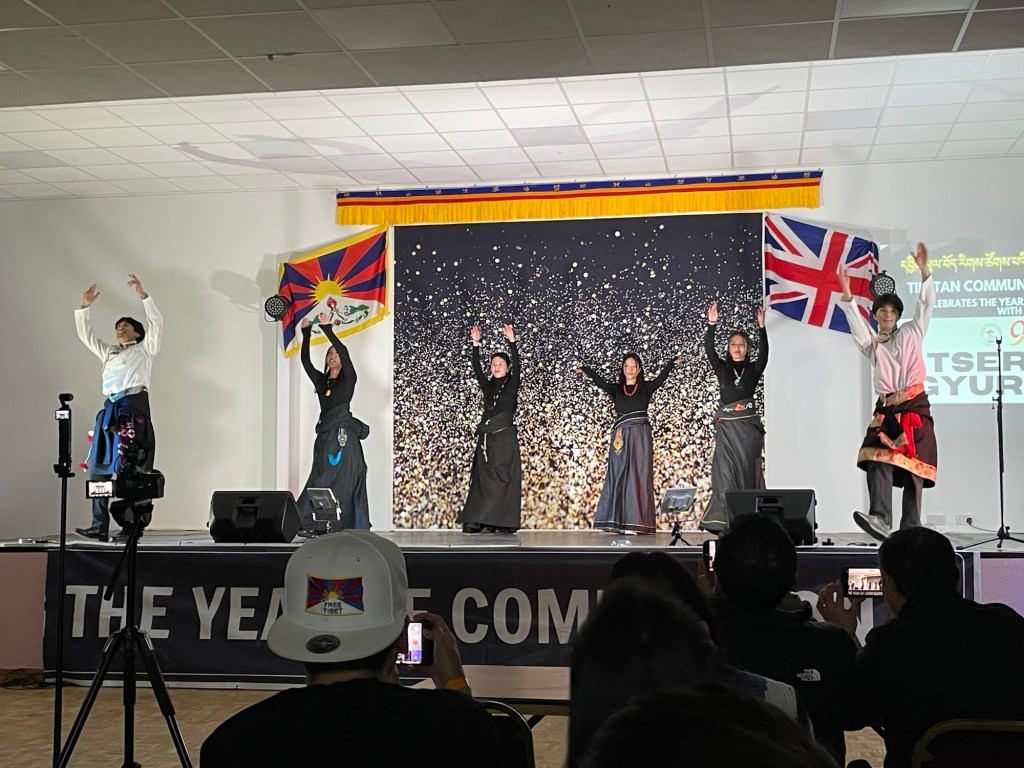
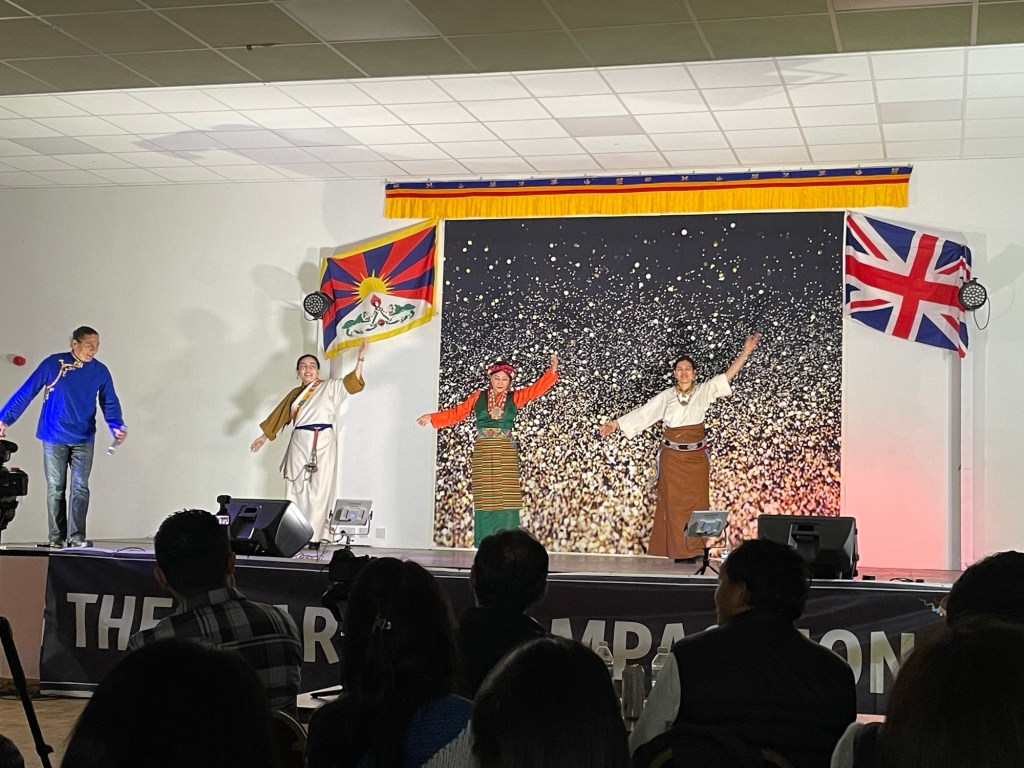
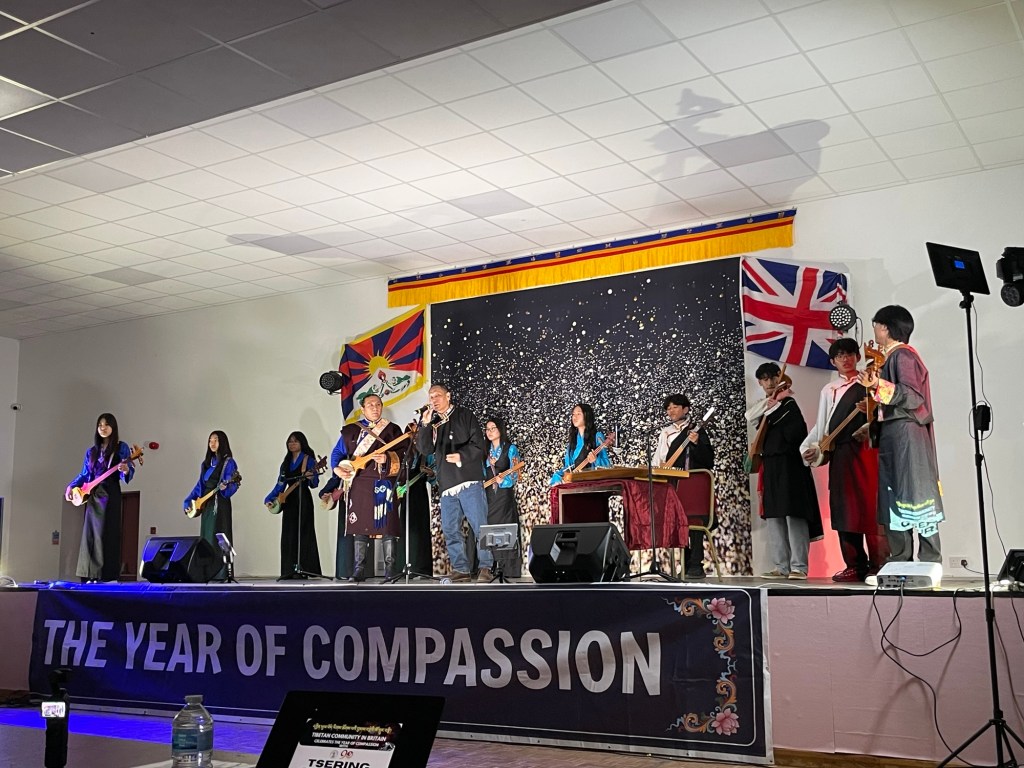


(Photos: Londonney, Igyen and Jamyang)
 Global Alliance for Tibet & Persecuted Minorities (GATPM)
Light for the New Year
−
René Wadlow, Association of World Citizens
On Tue, Dec 30, 2025 at 10:07 AM Global Alliance for Tibet & Persecuted
LikeLike