
London, UK | 18th December 2024 | GATPM
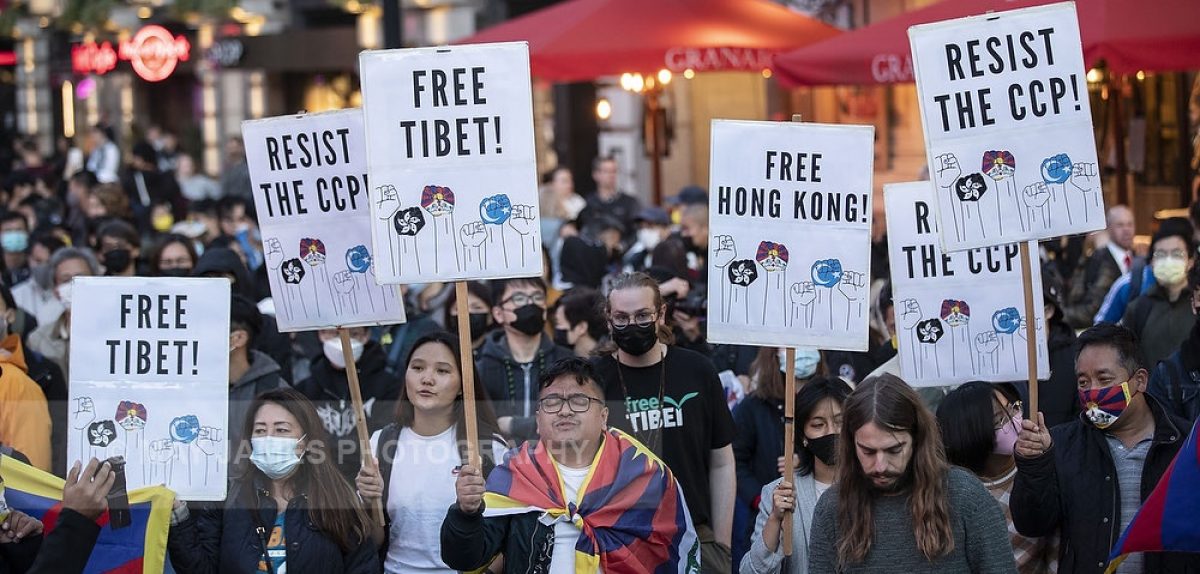
The British Museum is facing mounting pressure to amend its Silk Roads exhibition amidst accusations of misrepresenting Tibetan heritage and legitimising the Chinese government’s narrative on Tibet. Tibetan community leaders and human rights advocates are demanding the removal of the term “Xizang Autonomous Region” from all exhibition materials, asserting that it undermines Tibet’s historical and cultural identity.
The controversy stems from the Museum’s use of the phrase “Tibet or Xizang Autonomous Region” in labels and catalogue materials describing Tibetan artefacts. This terminology ignores the ongoing struggle for Tibetan autonomy and reinforces China’s political agenda.
“The British Museum’s adoption of ‘Xizang Autonomous Region’ is not only inaccurate but deeply offensive to Tibetans,” said Tsering Passang, Founder and Chairman of the Global Alliance for Tibet & Persecuted Minorities (GATPM). “It mirrors the Chinese Communist Party’s efforts to erase Tibet from the global map, rewrite its history, and suppress the Tibetan people’s peaceful culture.”

Museum Accused of Complicity in Cultural Erasure
The Silk Roads exhibition, which opened in September 2024, explores cultural exchanges across Asia and Europe between 500 and 1000 CE. However, the Museum’s labelling of Tibetan artefacts has sparked outrage within the Tibetan community. In a letter to the Museum’s Director, Dr. Nicholas Cullinan OBE, the Global Alliance for Tibet & Persecuted Minorities and the Tibetan Community in Britain argue that this terminology legitimises the Chinese government’s claim over Tibet and diminishes its historical sovereignty and cultural distinctiveness.
“This is not simply a matter of semantics,” said Phuntsok Norbu, Chairman of the Tibetan Community in Britain. “It’s about the Museum’s responsibility to present history accurately and ethically. By using ‘Xizang Autonomous Region,’ the Museum is complicit in the erasure of Tibetan identity.”

Demands for Immediate Action
After falling short of addressing the concerns and recommendations through discussion as requested in their first letter, the Tibetan groups are now demanding that the British Museum take immediate action to rectify the situation, including:
- Remove the contested labelling: Eliminate all references to “Xizang Autonomous Region” and use “Tibet” exclusively in all exhibition materials.
- Issue a formal apology: Publicly apologise to the Tibetan community for the misrepresentation of their heritage and the distress caused.
- Engage in meaningful dialogue: Consult with Tibetan scholars and community representatives to ensure the accurate and respectful representation of Tibetan culture and history in future exhibitions.
A Global Pattern of Misrepresentation
The controversy surrounding the Silk Roads exhibition highlights a broader pattern of misrepresentation of Tibetan heritage in international institutions. Similar concerns have been raised about museums in France that have used terms like “Xizang” or “Himalayan World” in their exhibits, further diluting Tibetan identity.
“The British Museum has a moral obligation to stand up for truth and justice,” said Passang. “It must not allow itself to be used as a tool for Chinese propaganda. We urge the Museum to take immediate action to correct this injustice and ensure that Tibetan history and culture are presented with the respect and dignity they deserve.”
Museum’s Response Deemed Inadequate
The British Museum responded to the initial complaint by defending its use of “Tibet or Xizang Autonomous Region,” claiming it reflects the contemporary region. However, Tibetan advocates have rejected this explanation, arguing that it ignores the political implications of adopting terminology aligned with the Chinese Communist Party.
“This is not just about labels; it’s about the Museum’s role in shaping global understanding of a culture that is actively being suppressed,” said Norbu.
Call for Ethical Leadership
The Tibetan groups are calling on the British Museum to demonstrate leadership in presenting history and heritage with honesty and respect. “The Museum’s reputation as a guardian of world heritage depends on its willingness to confront uncomfortable truths and uphold ethical standards,” Passang emphasised.
Contact:
Tsering Passang
Global Alliance for Tibet & Persecuted Minorities
Email: info@gatpm.com
Phone: +44 (0) 7927 376532
British Museum Letter – 18th December 2024
18th December 2024
Dr. Nicholas Cullinan OBE
Director,
The British Museum
Great Russell Street
London, WC1B 3DG
Dear Dr. Cullinan,
We acknowledge receipt of Ms. Jane Portal’s response, dated 13th December 2024 and received via email on the morning of 17th December, addressing our concerns about the misrepresentation of Tibetan heritage in the Silk Roads exhibition. While we appreciate her effort in responding, her reply falls short of adequately addressing the substantive issues outlined in our original letter to you and the British Museum Board.
Ms. Portal asserts that the terminology “Tibet or Xizang Autonomous Region” refers to the contemporary region. However, this explanation disregards the broader political context. The Chinese government’s use of “Xizang” is widely recognised as a deliberate effort to erase Tibet from the global map and diminish its historical and cultural identity.
The United Kingdom Government has neither adopted nor endorsed this terminology, making its inclusion by the British Museum deeply troubling.
The Museum’s use of this nomenclature, particularly in the Silk Roads exhibition catalogue, inadvertently validates the Chinese government’s narrative. This undermines Tibet’s historical and cultural distinctiveness, which the British Museum, as a trusted guardian of world heritage, has a moral responsibility to protect.
While Ms. Portal highlights references to the “Tibetan Empire” and “Tibet” in the exhibition’s main narrative, these acknowledgments do not mitigate the harm caused by the problematic labels. Equating “Tibet” with “Xizang Autonomous Region” creates a false equivalence that obscures Tibet’s unique history and identity, further eroding trust with the Tibetan community.
The British Museum’s professed commitment to engaging with the Tibetan diaspora and scholars rings hollow when its actions contradict these assurances. Genuine engagement requires listening to and acting upon legitimate concerns, rather than deflecting them with vague statements of intent.
In light of the ongoing concerns, we reiterate and expand upon our original demands:
- Immediate Removal: The term “Tibet or Xizang Autonomous Region” must be removed from all labels and exhibition materials. “Tibet” should be used exclusively to reflect the region and its historical context.
- Formal Apology: The British Museum should issue a public apology to the Tibetan community for misrepresenting their heritage and for the distress caused.
- Consultation and Collaboration: The Museum must initiate a meaningful consultation process with representatives of the Tibetan community and scholars to ensure accurate and respectful representation of Tibetan history and culture in future exhibitions.
The integrity of the British Museum, as a leading global institution, depends on its commitment to ethical representation. We urge you to take prompt and decisive action to address these concerns.
We look forward to receiving your response outlining the steps you will take to rectify this matter.
Sincerely,
Tsering Passang
Chairman, Global Alliance for Tibet & Persecuted Minorities
Cc: Phuntsok Norbu, Chairman, Tibetan Community in Britain
British Museum Letter – 25th November 2024
25th November 2024
The British Museum Authority
Dr. Nicholas Cullinan OBE,
Director, The British Museum
Great Russell Street
London, WC1B 3DG
Subject: Urgent Concerns Regarding Misrepresentation of Tibetan Heritage in the Silk Roads Exhibition
Dear Dr. Nicholas Cullinan,
We write to you as the Chairs of the Global Alliance for Tibet & Persecuted Minorities (GATPM) and the Tibetan Community in Britain to raise critical concerns regarding the representation of Tibetan heritage in the Silk Roads exhibition at the British Museum.
While the exhibition offers a valuable contribution to understanding cultural interconnectedness across Asia, we are deeply troubled by the use of the term “Xizang Autonomous Region” in reference to Tibet within the artefact labelling and related materials. This nomenclature, rooted in the Chinese government’s political agenda, misrepresents the historical and cultural reality of Tibet as a distinct and independent nation with its unique identity, language, and spiritual traditions.
Tibet’s distinctiveness is not merely a relic of the past – it is an enduring identity under severe threat. Today, Tibetans face the systematic erasure of their culture and autonomy, including:
- Forcible assimilation of Tibetan children into boarding schools that separate them from their language and traditions.
- Destruction of sacred sites and restrictions on religious practices.
- Suppression of Tibetan language and literature, undermining their linguistic heritage.
As a globally respected cultural institution, the British Museum bears a profound responsibility to present history and heritage with integrity. By using the terminology – “Xizang Autonomous Region,” the Museum inadvertently legitimises the Chinese state narrative, which seeks to deny Tibet’s unique status and cultural richness.
This concern is not isolated to the British Museum. Other prominent institutions, such as the Musée du quai Branly and Musée Guimet in Paris, have similarly adopted terms like “Xizang” or “Himalayan World,” further diluting Tibetan identity and empowering Beijing’s political agenda.
The UK’s historical engagement with Tibet underscores the nation’s unique status. From early 20th-century trade missions to the Simla Convention of 1914 and the education of Tibetan students directly from Tibet in Britain, these interactions reflected recognition of Tibet’s sovereignty and cultural distinctiveness.
We strongly urge the British Museum to:
- Reconsider the labelling of Tibetan artefacts in the exhibition and associated materials, ensuring the use of the term “Tibet” rather than politically motivated labels such as “Xizang Autonomous Region.”
- Include historical and contextual information about Tibet’s current situation, highlighting ongoing human rights abuses and the suppression of Tibetan culture under Chinese rule.
Taking these steps would uphold the Museum’s commitment to impartiality and academic rigour while setting a global standard for the ethical representation of marginalised peoples and cultures. The Silk Roads exhibition is an opportunity to honour Tibet’s heritage and draw attention to the urgent need for its preservation. Persistent use of “Xizang Autonomous Region” instead of “Tibet” would distort historical accounts, endorse China’s colonial rule over Tibet, and marginalise Tibetan voices further.
We welcome the opportunity to discuss these concerns and recommendations with you at your earliest convenience.
Thank you for your attention to this important matter.
Sincerely,
Tsering Passang, Chairman, Global Alliance for Tibet & Persecuted Minorities
Phuntsok Norbu, Chairman, Tibetan Community in Britain
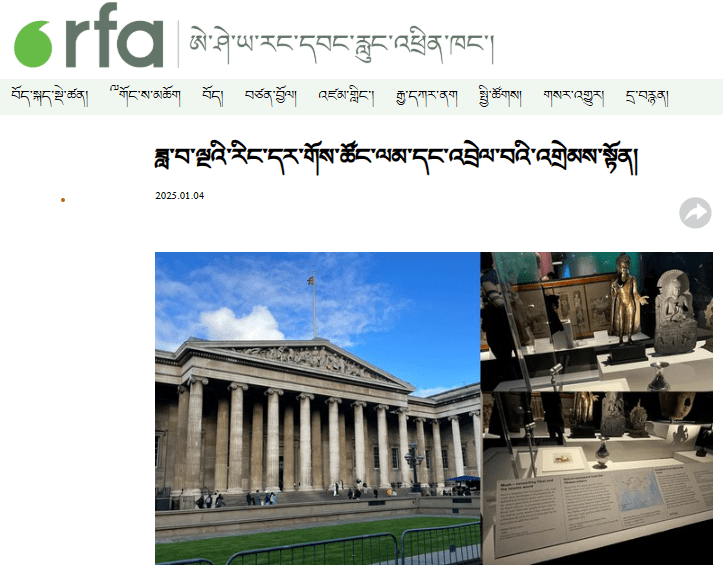
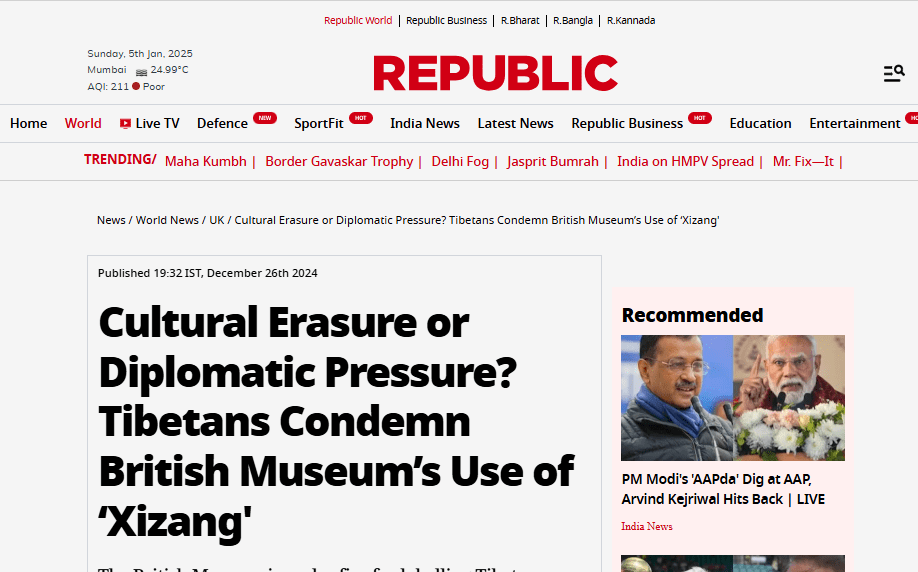
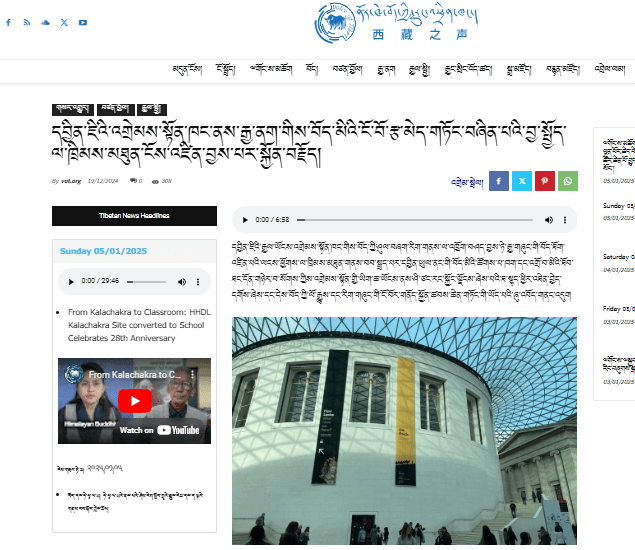
Media Coverage – Update 5th January 2025


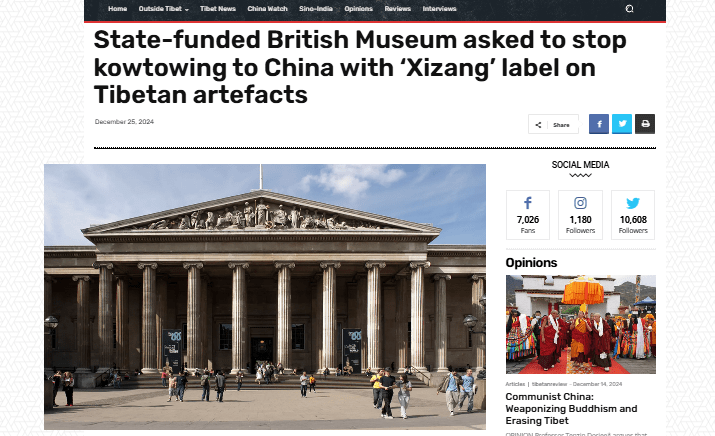
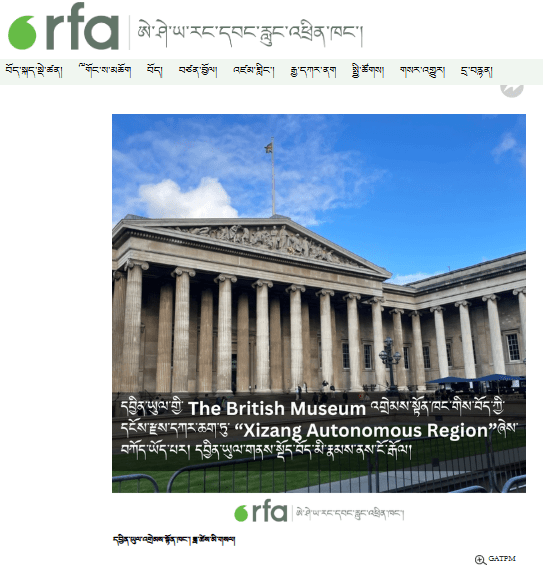
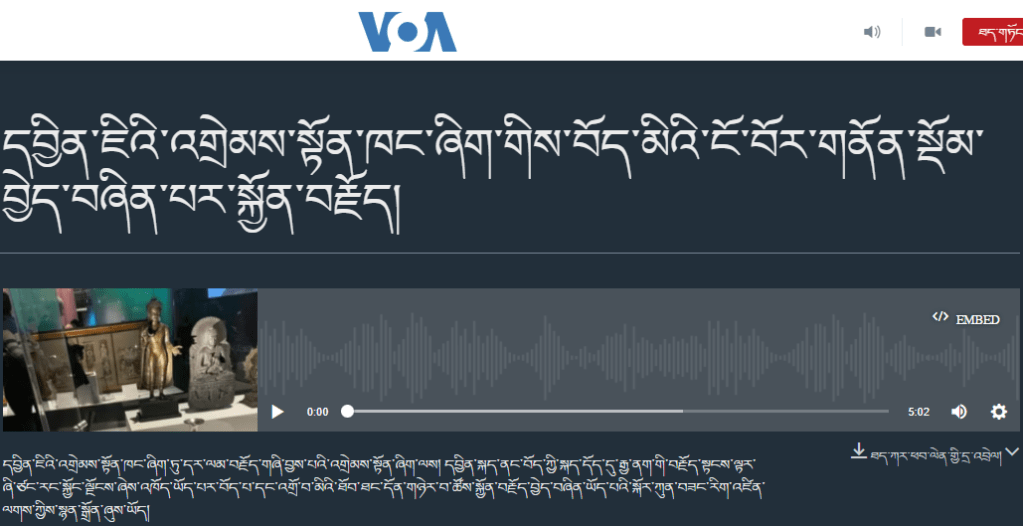
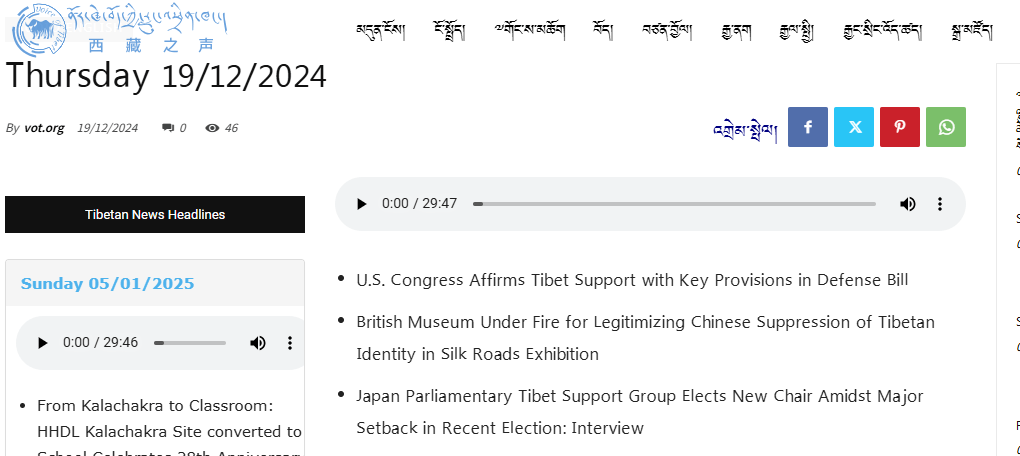
 Global Alliance for Tibet & Persecuted Minorities (GATPM)
2 thoughts on “British Museum Under Fire for Legitimising Chinese Suppression of Tibetan Identity in Silk Roads Exhibition”