
By Tsering Passang
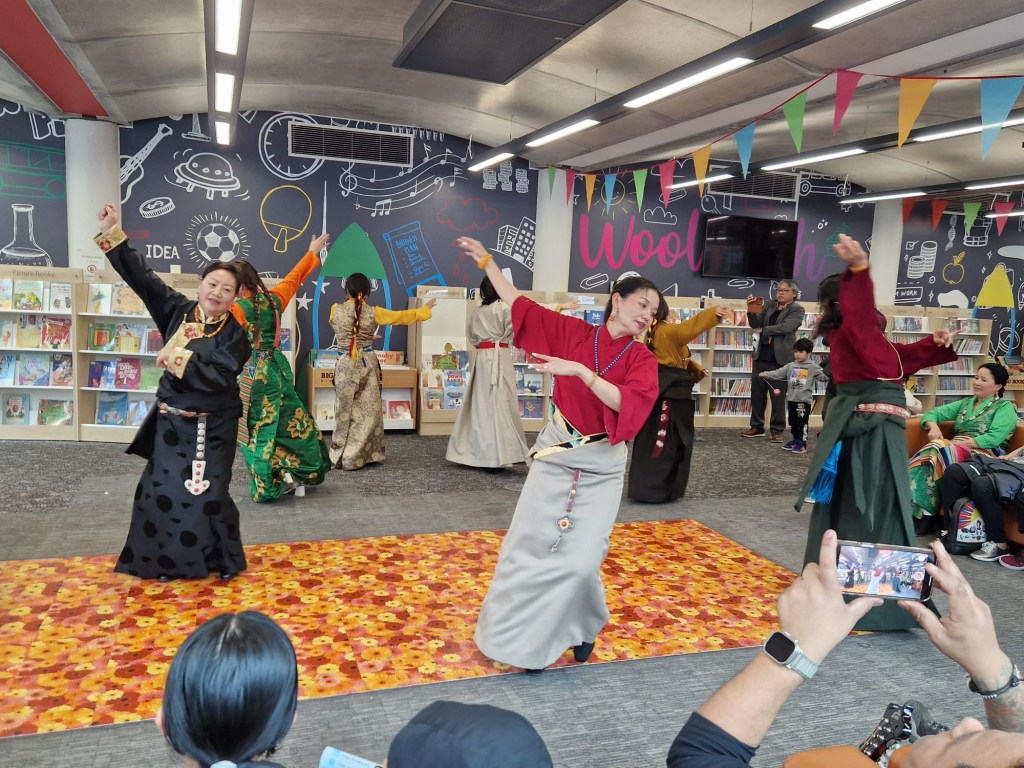
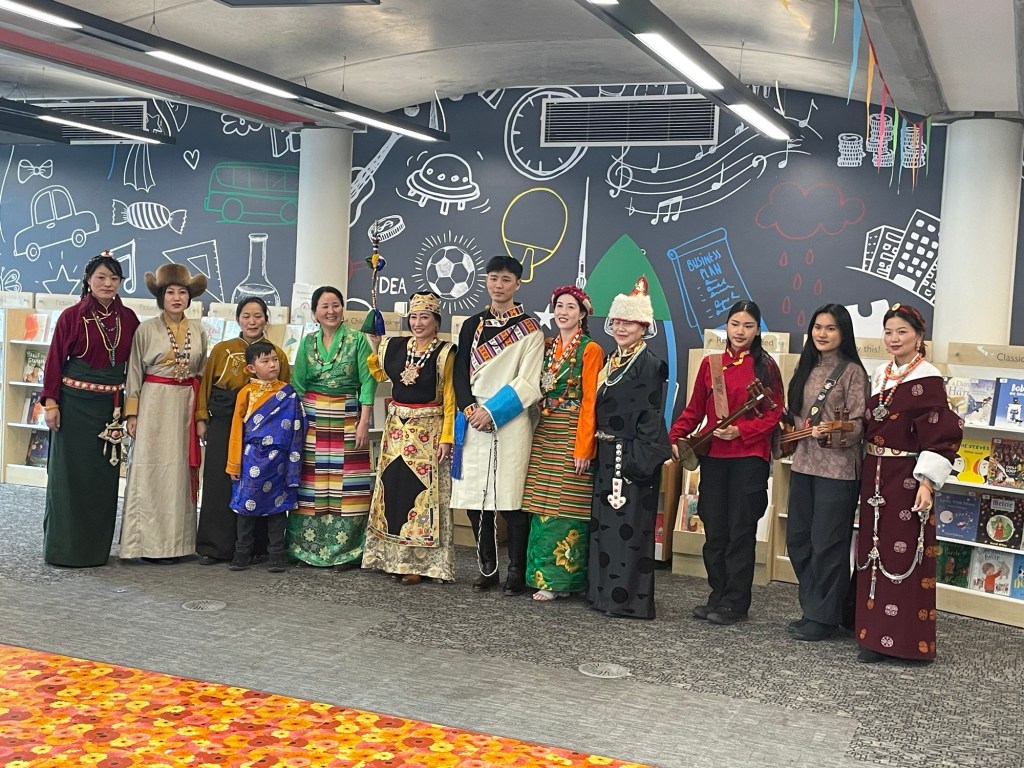
Commissioned by the Royal Borough of Greenwich (RGB), the Museum of London Archaeology (MOLA) delivered the two-year Woolwich Heritage Programme with the finale celebrations event held in Woolwich on 5th April. The day-long Woolwich Heritage celebrations included talks, heritage tours and Tibetan cultural dance performance.
Woolwich, a thriving English town located in southeast London, is the headquarters of the Royal Borough of Greenwich. The town’s location on the River Thames led to its status as an important naval, military and industrial area; a role that was maintained throughout the 16th to 20th centuries. Woolwich is one of 68 High Streets Heritage Action Zones across England, and one of only five in London, receiving a portion of the £95 million government-funding. Delivered by Historic England, the fund is aimed at unlocking the potential of high streets across England, fuelling economic, social and cultural recovery and breathing new life into town centres for future generations.
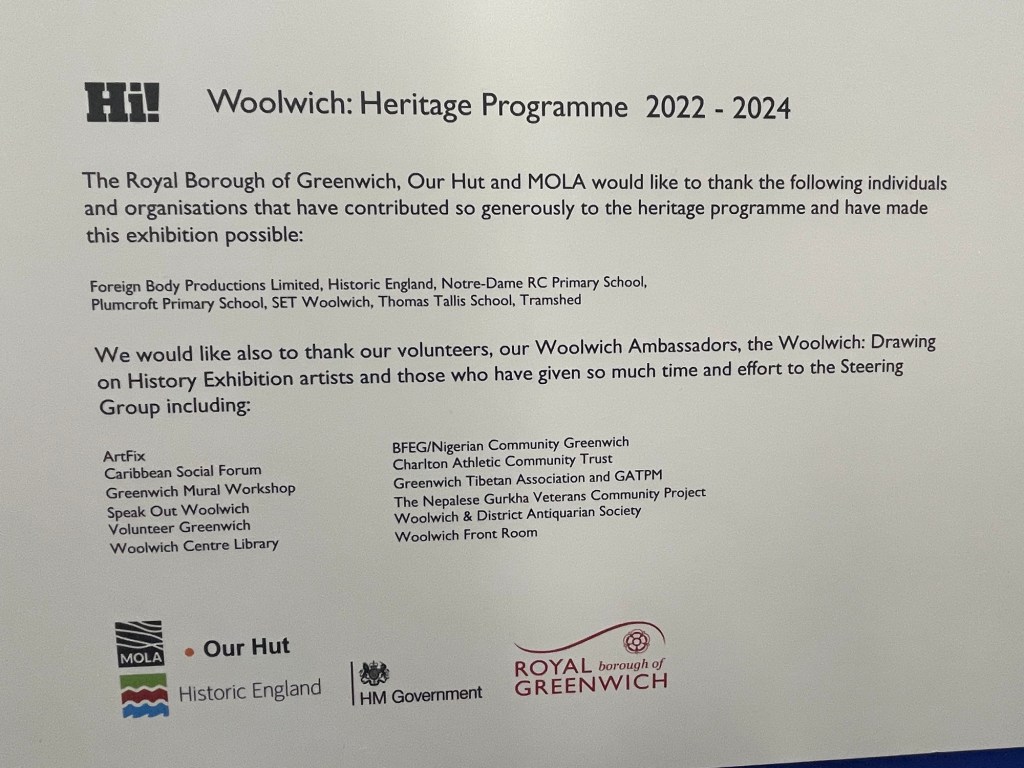
As part of the Royal Borough of Greenwich’s two-year Woolwich Heritage Programme (2022 – 2024), the Museum of London Archaeology (MOLA) also delivered four-short introductory training courses in Buildings Archaeology to Woolwich residents. MOLA’s partners, Our Hut designed and implemented a programme of events including exhibitions, family workshops, walking tours and school workshops focused on the architecture of Woolwich Town Centre. Furthermore, a film night was held at Tramshed, including a century of archive footage of Woolwich, as well as showcasing two contemporary films, ‘Woolwich Speaks’ by Crixus Productions and ‘Future Proof’, commissioned by Our Hut and made by students from Thomas Tallis School working with Foreign Body Productions. Our Hut’s amazing month-long exhibition was on display at The Woolwich Centre Library, from 8th March to 8th April.
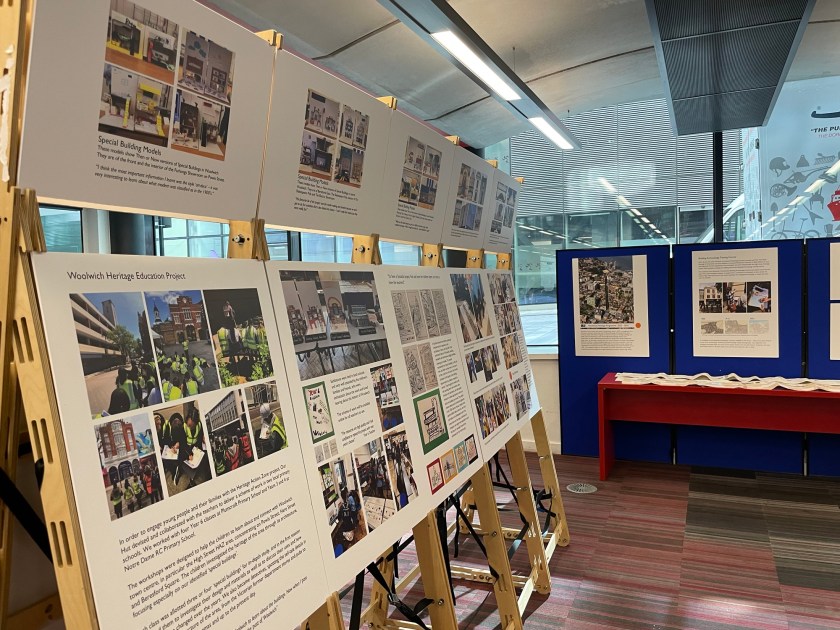

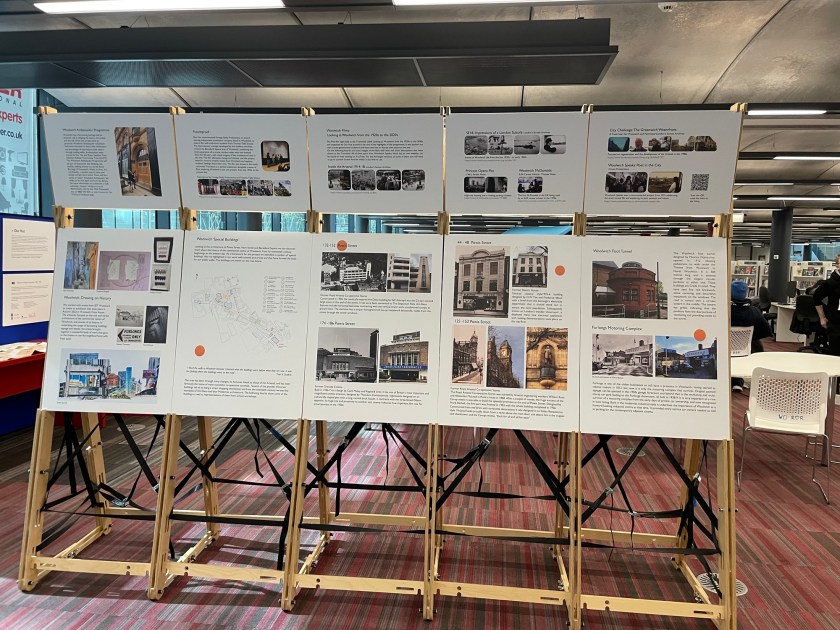
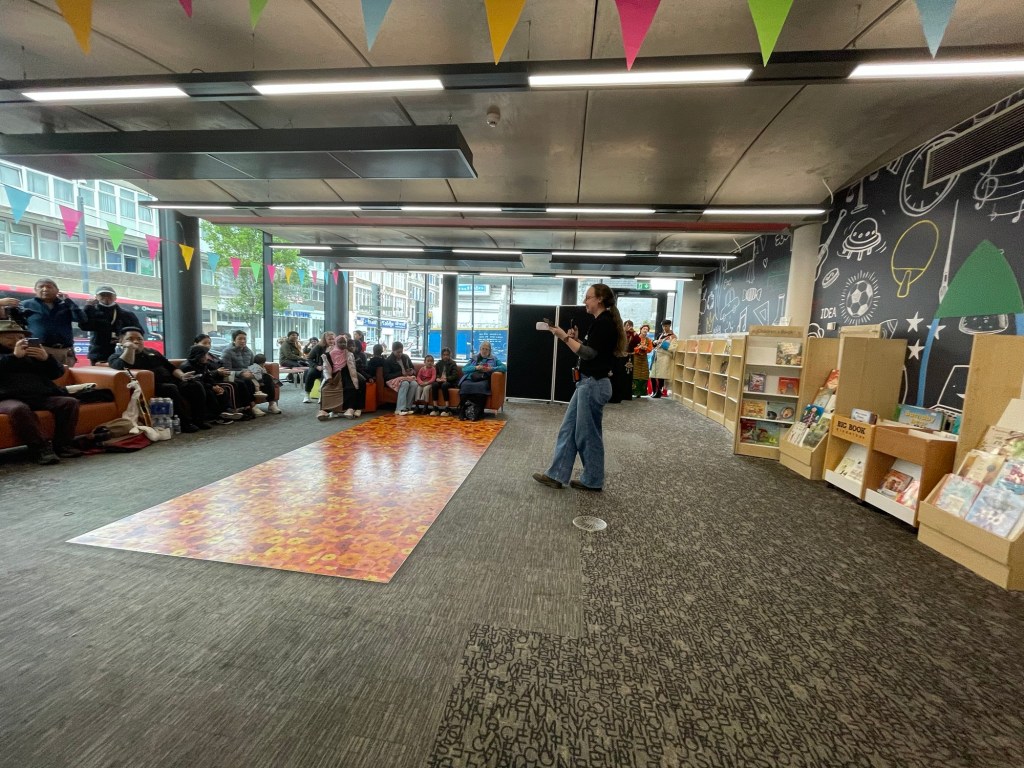
The day-long Woolwich Heritage celebrations on 5th April included children’s activities, heritage tours, and talks at Woolwich Front Room and The Woolwich Centre Library. Woolwich HSHAZ Steering Committee member, Richard Buchannan, a retired electrical design Engineer and member of the District Antiquarian Society, gave a talk on ‘A Woolwich Experience’ in the morning.
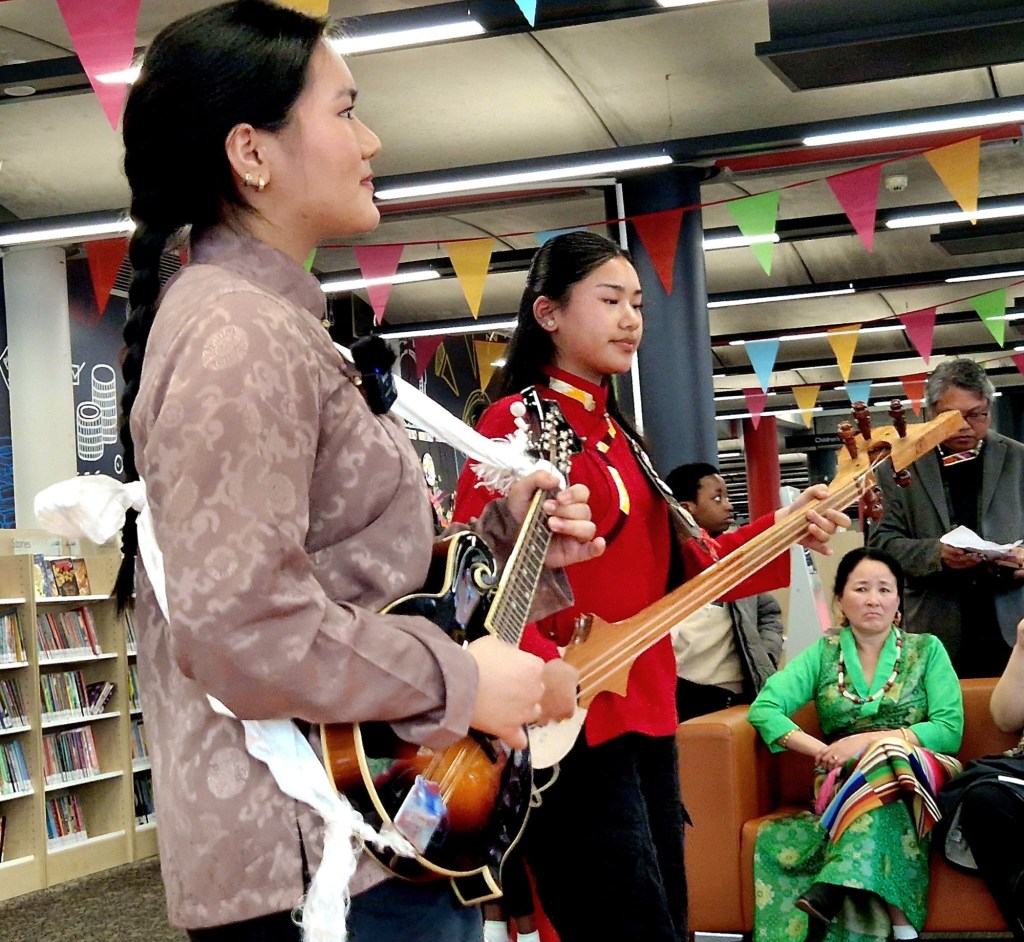
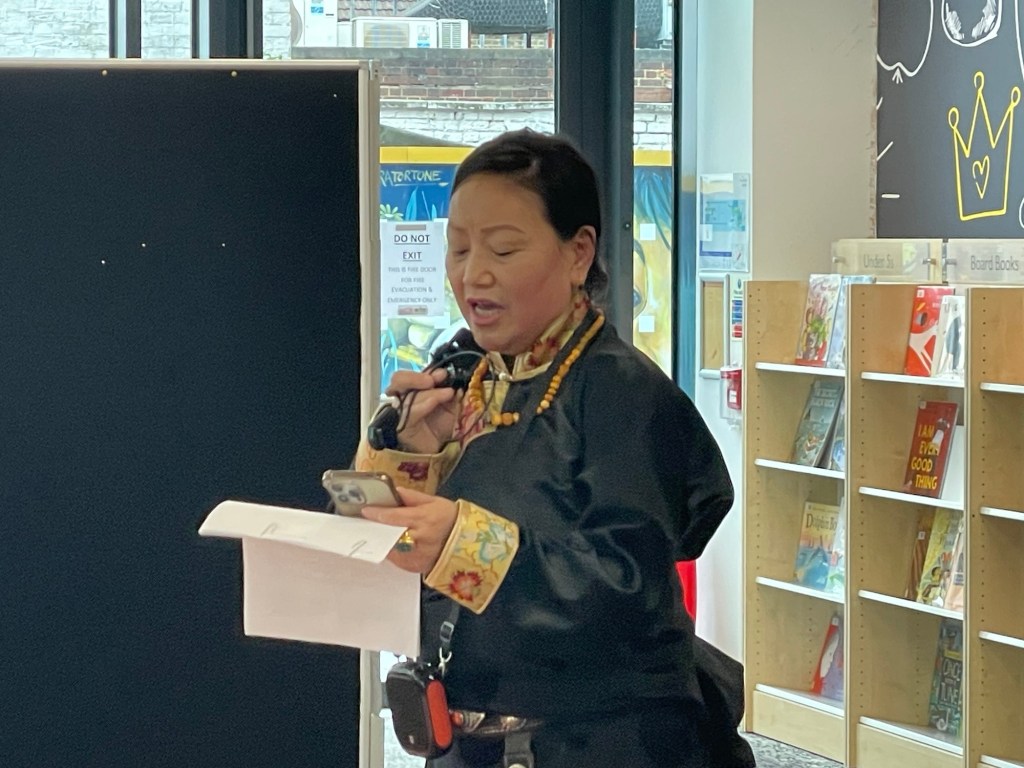
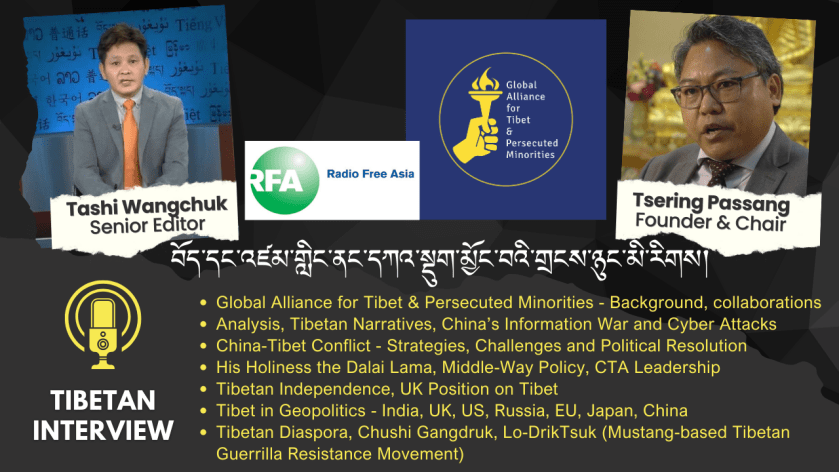
In the afternoon, Tsering Passang, another Steering Committee member of the Woolwich HSHAZ, who is also the founder and chair of the Global Alliance for Tibet & Persecuted Minorities, spoke on Tibet’s connection with Woolwich dating back to the 1910s, as well as the small Tibetan community in the Royal Borough. Born in a refugee camp in Nepal, Passang came to England in 1996 on a scholarship programme, and later moved to Woolwich in 2007.
A Gist of Tsering Passang’s Tibet Talk:
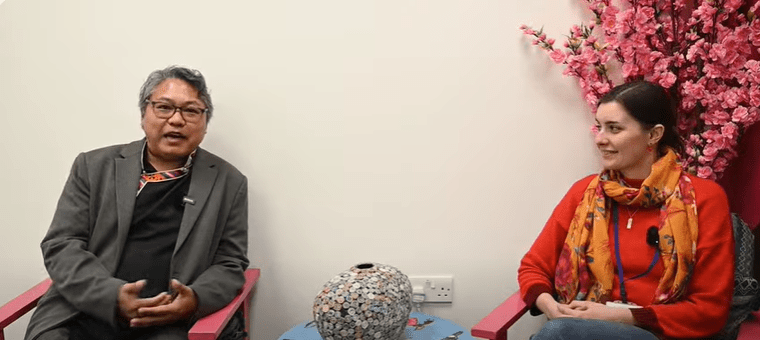
I am delighted to support the Royal Borough of Greenwich’s two-year Woolwich Heritage Programme, delivered by the Museum of London Archaeology (MOLA) and partners, bringing a great benefit to the local community, promoting and celebrating diversity, cultures and heritage in the borough. After being asked to join the Steering Committee of the Woolwich HSHAZ, whilst it was an honour for me to give back to the local community, I was initially wondering how best I can contribute to realise the noble objectives of the Woolwich Heritage Programme in the borough. To be honest, I had very little interest and understanding of the building heritage when I first joined the Steering Committee, however, this changed over time. Bringing people together through music and dance is something I continued to express, as someone who is a recent arrival to the area from a different cultural background. I am very glad that it was taken positively by Dr. Katrina Foxton, Engagement Project Officer for Museum of London Archaeology, and Rob Trimmer of the Royal Borough of Greenwich, recognising Tibet’s intangible cultural heritage, which is so important to the Tibetans living in this beautiful and historical borough. This is well reflected in my brief chat with Dr Foxton, [watch from 42:43] filmed by Londonney.
Intangible cultural heritage such as music and dance attract and bring people together, especially for the newer communities in the borough. Whilst enhancing the understanding of each other’s cultures, we can celebrate and embrace diversity, heritage and histories in the Royal Borough of Greenwich. Public spaces such as the Beresford Square in the heart of Woolwich should be used more often to showcase cultural performances by various communities living in the Royal Borough of Greenwich, which can contribute towards the long term objectives of the Woolwich High Street Heritage Action Zone project.
Tibet’s connection with Woolwich: When Britain was willing to aid the Tibetans in the beginning of the 20th century, as part of modernising Tibet, the previous 13th Dalai Lama’s experiment with modern education resulted in the British welcoming four young Tibetan students from Lhasa, dubbed ‘Rugby Boys’, aged between 12 and 15, in April 1913. The two younger Tibetan students – Sonam Gonpa Gongkar and Rigzin Dorje Ringang received some of their training in Woolwich – at the Royal Military Academy and the Royal Arsenal during and after the First World War.
After China’s occupation of Tibet, His Holiness the Dalai Lama escaped into exile in India, in March 1959; some 80,000 Tibetans followed him. In the early 1980s, a young Tibetan family moved to Woolwich. The following decades saw more Tibetans moving to the riverside town, and today about 200 Tibetans are living in Woolwich and neigbhouring towns. Over the past 15 years, the Greenwich Tibetan Association set up the Tashiling Tibetan School, which is being run within the borough’s premises at weekends, providing free Tibetan language and cultural education to the young Tibetan children. The Woolwich Centre Library has also become an important hub for Tibetan children’s learning activities in recent years. These language and cultural activities are voluntarily run by members of the local Tibetan community.
Furthermore, the Royal Borough of Greenwich raised the Tibet Flag for the first time in the Woolwich Town Hall in September 2015, to accord a warm welcome reception to His Holiness the Dalai Lama, when the Tibetan spiritual leader was visiting The O2 Centre in North Greenwich to give public talks and Buddhist teachings to over 10,000 people that year. Since 2020, successive elected Mayors of the Royal Borough of Greenwich have been raising the Tibet Flag at the Town Hall in the month of March to show support and solidarity with the people of Tibet, particularly those Tibetans living within the borough. This noble gesture shown by the Royal Borough of Greenwich sends out a strong message to China’s brutal regime that Britain stands firm on freedom, justice, democracy and human rights of the Tibetan people.
Acknowledgement: I would like to thank Dr. Katrina Foxton, Engagement Project Officer at Museum of London Archaeology, and Mr. Rob Timmer of the Directorate of Regeneration, Enterprise & Skills, Royal Borough of Greenwich, amongst others, for giving me an opportunity to serve on the Steering Committee of the Woolwich High Street Heritage Action Zone (HSHAZ) over the past two years. This opportunity has presented me with a new learning experience whilst building some new alliances for Tibet.
*Tsering Passang, Founder and Chair of the Global Alliance for Tibet & Persecuted Community, served on the Steering Committee of the Woolwich High Street Heritage Action Zone (HSHAZ) Project, from April 2022 to April 2024, on recommendation from the Royal Borough of Greenwich to Museum of London Archaeology (MOLA).
Media Coverage
 Global Alliance for Tibet & Persecuted Minorities (GATPM)